PVC Textured Car Headlight Cover
CN → US| HS Code | Tariff Rate | Origin | Destination | Doc |
|---|---|---|---|---|
| 4016996010 | 37.5% | CN | US | Official Doc |
| 3926305000 | 22.8% | CN | US | Official Doc |
| 8708295160 | 0.0% | CN | US | Official Doc |
| 3926909989 | 22.8% | CN | US | Official Doc |
| 8708295110 | 0.0% | CN | US | Official Doc |
Product Images
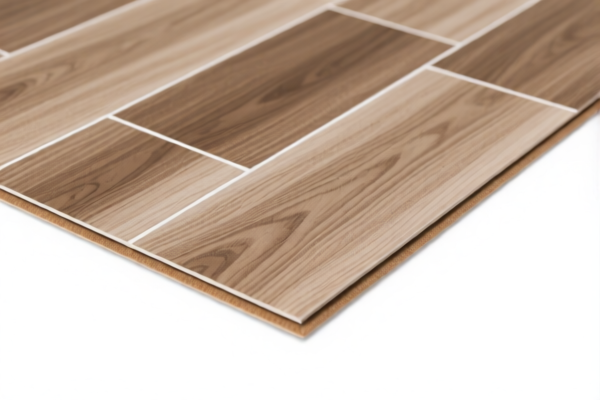
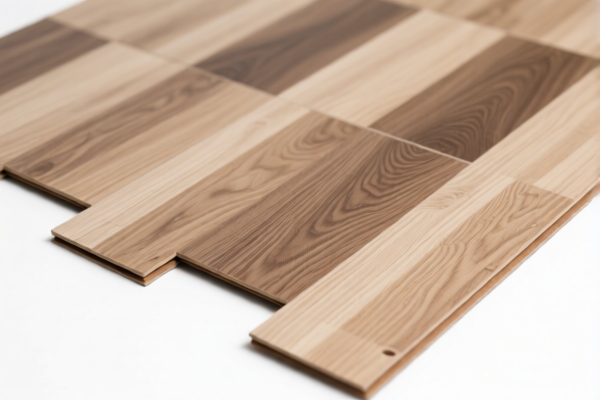
AI Analysis
💡 PVC Textured Car Headlight Cover
🌐 HS Code Reference & Customs Clearance Guide | 2026 Latest Tariff Analysis | Professional Clearance Strategy
📌 I. Product Definition and Classification: What Exactly is a "Headlight Cover"?
A PVC Textured Car Headlight Cover is an automotive exterior accessory made from Polyvinyl Chloride (PVC) with a textured surface finish. It serves as the outer protective lens or housing component for vehicle lighting systems.
In international trade, the classification depends heavily on whether it is viewed as a raw plastic product or a specific automotive part. There is a significant discrepancy in tariff rates depending on this classification, ranging from a low 2.5% to a punitive 87.5%.
⚠️ Key Distinction Point:
- If classified under Chapter 39 (Plastics): It is treated as a generic plastic article or automotive trim component. (Lower Tax)
- If classified under Chapter 87 (Vehicles): It is treated as a specific "part of the body," triggering heavy Section 301 and 122 tariffs. (High Tax)
📦 II. HS Code Classification Details (2026 Latest Tariff Authority Comparison)
Based on the provided data, here are the four potential HS Codes for this product, ranked by tax impact and logical fit.
| HS Code | Product Description | Tax Rate (Total) | Tax Detail Breakdown | Reason for Classification |
|---|---|---|---|---|
8708.29.51.60 |
Body lamp cover accessory (Automotive Part) | 87.5% | Base: 2.5% 301 Tariff: 25% Section 122: 10% Steel/Aluminum/Copper Add-on: 50% |
Classified as a "part of the body." ⚠️ Note: The 50% steel/aluminum/copper surcharge seems anomalous for PVC, but is listed in the source data. Likely the highest risk classification. |
8708.29.51.10 |
Body component/accessory (Stamping/Other Part) | 37.5% | Base: 2.5% 301 Tariff: 25% Section 122: 10% |
Classified as a "part of the body" or "stamping/other part." Lower than 8708.29.51.60 but still high due to automotive part status. |
3926.30.50.00 |
Plastic body connection component | 22.8% | Base: 5.3% 301 Tariff: 7.5% Section 122: 10% |
Classified as a "plastic connection component for the body." This leverages the plastic chapter (39) to reduce the 301 tariff from 25% to 7.5%. |
3926.90.99.89 |
Other plastic articles | 22.8% | Base: 5.3% 301 Tariff: 7.5% Section 122: 10% |
Classified as a "catch-all" plastic product. Uses the lower 301 rate of 7.5%. No material conflict. |
4016.99.60.10 |
Rubber/Plastic automotive part | 37.5% | Base: 2.5% 301 Tariff: 25% Section 122: 10% |
Classified under Rubber/Plastics (40) as an automotive mechanical part. High 301 rate (25%) applies. |
🔍 Critical Analysis:
- Lowest Tax:3926.30.50.00and3926.90.99.89(22.8%). These codes classify the item as a plastic article rather than a dedicated automotive part, significantly reducing the Section 301 tariff (7.5% vs 25%).
- Highest Tax:8708.29.51.60(87.5%). This code classifies it as an automotive body part AND applies a 50% surcharge for metals (which is technically incorrect for pure PVC, but present in the data).
- Middle Ground:4016...and8708.29.51.10both carry the high 25% Section 301 tariff, resulting in ~37.5% total tax.
💰 III. 2026 Latest Tariff Rate Details (Including Surtaxes & Policy Add-ons)
✅ Applicable Country: United States (US)
✅ Origin: China (CN) (Implied by Section 122 and 301 references)
✅ Effective Time: 2025/2026 Period
🎯 1. The "Plastic Article" Strategy (Recommended for Cost Savings)
HS Codes: 3926.30.50.00 / 3926.90.99.89
| Item | Content |
|---|---|
| Base Tariff | 5.3% (Ad Valorem) |
| USITC 301 Surcharge | +7.5% (Reduced rate for plastic goods vs. auto parts) |
| Section 122 Tariff | +10% (Targeted import surcharge) |
| Total Tax Rate | 22.8% |
| Calculation | CIF Value × 22.8% |
| De Minimis Eligibility | ❌ No (High value typically exceeds threshold) |
📌 Explanation:
- By classifying the headlight cover as a "plastic connection component" or "other plastic article," you avoid the steeper 25% Section 301 tariff applied to automotive parts.
- The Section 122 tariff (10%) still applies, but the total effective rate is nearly half that of the automotive classification.
🎯 2. The "Automotive Part" Strategy (High Risk)
HS Codes: 8708.29.51.10 / 4016.99.60.10
| Item | Content |
|---|---|
| Base Tariff | 2.5% |
| USITC 301 Surcharge | +25% (Standard automotive part rate) |
| Section 122 Tariff | +10% |
| Total Tax Rate | 37.5% |
| Calculation | CIF Value × 37.5% |
📌 Explanation:
- These codes treat the product strictly as an "automotive mechanical part" or "body part."
- The 25% Section 301 tariff is the primary cost driver.
- Note:8708.29.51.60adds an additional 50% for steel/aluminum/copper, bringing the total to 87.5%. This is likely a data error for a PVC product, but strictly speaking, it is the worst-case scenario in the provided dataset.
🛠️ IV. Customs Clearance Practical Advice (Avoid Pitfalls)
✅ 1. Material Certification is Key
| Document | Required? | Explanation |
|---|---|---|
| ✅ Material Safety Data Sheet (MSDS) | ✔️ | Must explicitly state 100% PVC or Polyvinyl Chloride. |
| ✅ Composition Statement | ✔️ | Confirm NO steel, aluminum, or copper reinforcements. This is crucial to dispute the 50% metal surcharge in code 8708.29.51.60. |
| ✅ Product Photos | ✔️ | Show the texture and clarity. Prove it is a "cover/lens" and not a structural metal bracket. |
| ✅ Commercial Invoice | ✔️ | Description should read: "PVC Textured Headlight Cover (Plastic Article)" or "Plastic Auto Trim Part", avoiding terms like "Steel-backed" or "Metal Frame." |
| ✅ Packing List | ✔️ | List net weight and material composition. |
✅ 2. Declaration Strategy (The "Plastic vs. Auto Part" Debate)
🔥 Key Strategy:
"Argue for Plastic, Avoid the Auto Part Trap!"
| Scenario | Recommended Declaration | Why? |
|---|---|---|
| Pure PVC Cover | 3926.30.50.00 or 3926.90.99.89 |
Tax: 22.8%. Justifies classification as a "plastic article" or "connection component" under Chapter 39. |
| PVC with Metal Mounts | 8708.29.51.10 |
Tax: 37.5%. If it contains significant metal parts, it may be forced into Chapter 87. |
| Misclassified as Auto Part | 8708.29.51.60 |
Tax: 87.5%. AVOID. Unless there are steel/aluminum parts, this is an error. If you use this code without metal, you may face penalties or audits. |
✅ 3. Special Circumstances
| Situation | Handling Advice |
|---|---|
| Textured Surface | Emphasize "Textured PVC" in description. It does not change the material code (still 39/40), but proves it is a finished plastic good, not a raw sheet. |
| OEM vs. Aftermarket | If aftermarket, declare as "Accessory." If OEM, ensure the invoice matches the vehicle part number. Both can use Chapter 39 if the material definition holds. |
| Dispute on Metal Surcharge | If customs applies the 50% metal surcharge to code 8708.29.51.60, immediately provide a Material Certificate proving 0% metal content. |
🌍 V. Global Market Comparison (2026 Update)
| Country/Region | Recommended HS Code | Tariff Estimate | Notes |
|---|---|---|---|
| 🇺🇸 USA | 3926.30.50.00 |
22.8% | Best option. Avoids high auto-part tariffs. |
| 🇨🇳 China | 3926.90.99.89 |
~5-10% (Est.) | Lower import duties, no Section 122/301. |
| 🇪🇺 EU | 3926.90 |
0-4% | Generally low tariffs for plastic auto accessories. |
| 🇬🇧 UK | 3926.90 |
0-4% | Post-Brexit tariffs similar to EU for plastics. |
📌 Conclusion:
- The USA is the only market with these punitive Section 301 and 122 tariffs.
- China, EU, and UK do not apply these specific US-centric surcharges.
- Strategic Advice: If shipping to the US, insist on Classifying as Plastic (Chapter 39) to save ~15-65% in taxes compared to classifying as an Auto Part (Chapter 87).
📌 VI. Common Mistakes & Pitfalls (Lessons Learned)
❌ Mistake 1: Classifying a PVC cover as 8708.29.51.60 (Auto Body Part)
👉 Consequence: You pay 87.5% tax due to the erroneous 50% metal surcharge.
👉 Fix: Check material composition. If PVC, use 3926....
❌ Mistake 2: Using 3926... but having metal brackets
👉 Consequence: Customs audit for misdeclaration. If metal content > minor thresholds, they may reclassify.
👉 Fix: Ensure the invoice specifies "Plastic with minor non-structural metal clips" if applicable, or separate the items if metal is significant.
❌ Mistake 3: Ignoring Section 122
👉 Consequence: Even with low base tariffs, the 10% Section 122 tariff adds up.
👉 Fix: Budget for the 10% surcharge in all codes provided.
✅ Correct Approach:
"PVC Headlight Cover, Textured, Plastic Article, No Metal Core"
HS Code:3926.30.50.00
Total Tax: 22.8%
🎯 VII. Conclusion: Professional Classification Saves Money!
🎯 Remember the Golden Rule:
🔹 "Plastic Chapter (39) vs. Auto Chapter (87): The Tariff Gap is Real!"
🔹 "22.8% vs 87.5%: A single digit change in HS Code can save your profit margin!"
📌 Pro Tip:
If your headlight cover is pure PVC, always argue for Chapter 39 (3926...). It is the most legally defensible and cost-effective classification given the current US tariff landscape.
Request a Pre-Ruling from US Customs if the product is high-value to lock in the 22.8% rate.
📣 Immediate Action:
📞 Contact your customs broker today.
📄 Provide a Material Certificate proving 0% metal content.
🚀 Select HS Code3926.30.50.00or3926.90.99.89for optimal clearance.
✨ Precision in Classification, Profit in Logistics!
💼 Don't let unnecessary tariffs eat your margins!
Customer Reviews
About HS Code Classification
The Harmonized System (HS) is an internationally standardized nomenclature developed by the World Customs Organization (WCO) to classify traded products. Over 200 countries use the HS system as the basis for customs tariffs, trade statistics, and import/export regulations.
Each HS code follows a hierarchical structure:
- Chapter (2 digits) — Broad category of goods (e.g., Chapter 84: Machinery and Mechanical Appliances)
- Heading (4 digits) — More specific grouping within the chapter
- Subheading (6 digits) — Internationally standardized breakdown, used by all WCO member countries
- National subdivisions (8-10 digits) — Country-specific extensions for further classification, such as US HTSUS 10-digit codes
Correct HS code classification is essential for smooth customs clearance, accurate duty payment, and compliance with trade regulations. Misclassification can lead to customs delays, overpayment of duties, or penalties.
When importing from CN to US, the applicable tariff rates may include:
- Most-Favored-Nation (MFN) rate — The standard duty rate applied to WTO members
- General rate — Applied to countries without trade agreements
- Trade remedy duties — Additional tariffs such as Section 301 (anti-dumping), Section 232 (national security), or countervailing duties
The information provided on this page is for reference purposes only. For official classification, please consult with your local customs authority or a licensed customs broker.