PVC Thickened Anti freeze Textile Cloth
CN → US| HS Code | Tariff Rate | Origin | Destination | Doc |
|---|---|---|---|---|
| 5903102090 | 35.0% | CN | US | Official Doc |
| 5903102010 | 35.0% | CN | US | Official Doc |
| 5903102010 | 35.0% | CN | US | Official Doc |
| 6306221000 | 17.5% | CN | US | Official Doc |
| 6306120000 | 18.8% | CN | US | Official Doc |
Product Images
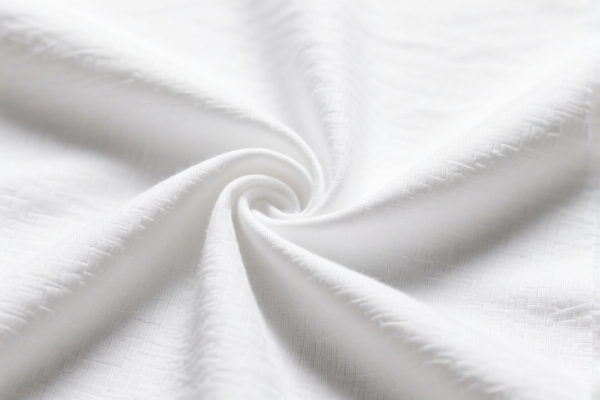
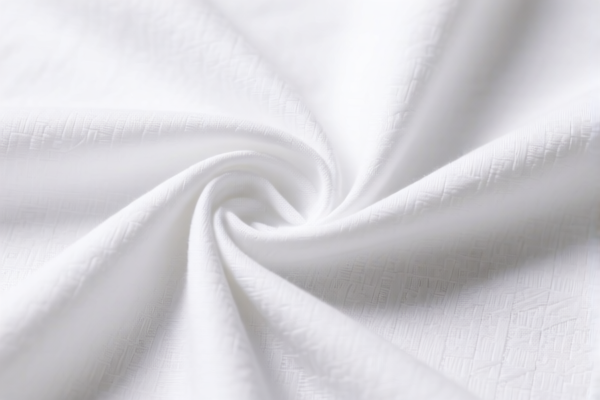
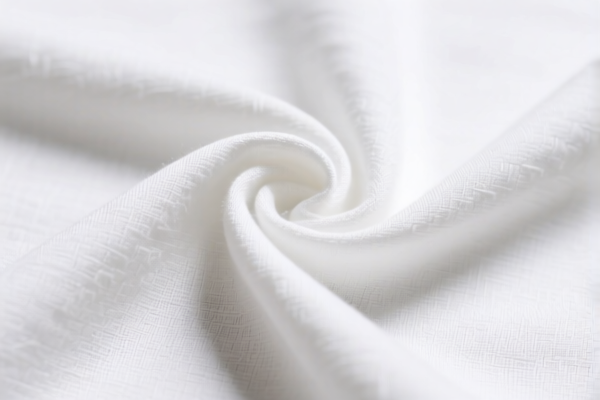

AI Analysis
🧥 PVC Thickened Anti-freeze Textile Cloth (UV-Resistant Fabric)
🌐 HS Code Reference & Customs Clearance Guide | 2026 Latest Tariff Analysis | Professional Clearance Strategy
📌 Part 1: Product Definition & Classification – Do You Really Understand "PVC Coated Textiles"?
PVC Thickened Anti-freeze Textile Cloth is a heavy-duty material widely used in outdoor tents, awnings, covers, and industrial tarps. It consists of a textile base (usually polyester or nylon yarn) coated or impregnated with Polyvinyl Chloride (PVC) to provide waterproofing, UV resistance, and cold-weather flexibility.
In international trade, its classification depends heavily on its primary function and specific end-use: 1. Material Classification: If declared primarily as a fabric/coated textile, it falls under Chapter 59 (Impregnated, Coated, Covered or Stratified Textile Fabrics). 2. Article Classification: If declared as a finished good (e.g., a tent or tarpaulin), it falls under Chapter 63 (Other made-up textile articles) or Chapter 63 specific headings for sails/tents.
⚠️ Key Distinction:
- Chapter 59: Raw or semi-finished coated fabrics (used for manufacturing).
- Chapter 63: Finished goods (tents, tarpaulins, covers) ready for consumer/industrial use.
📦 Part 2: HS Code Classification Details (2026 Latest Tariff Authority Cross-Reference)
Based on the provided data, the following HS codes apply to this product. Note that while the physical product is the same, the declared purpose changes the code and tax liability.
| HS Code | Product Description | Application Scenario | Taxation Profile |
|---|---|---|---|
5903.10.20.90 |
PVC Thickened Textile UV-Resistant Cloth, classified as Impregnated/Coated Fabric. Material: PVC; Form: Textile Fabric. | Bulk rolls of fabric for further manufacturing. | 35.0% (High Risk) |
5903.10.20.10 |
PVC Thickened Textile UV-Resistant Cloth, classified as Yarn Covered with PVC. | Specific yarn-based PVC textiles. | 35.0% (High Risk) |
5903.10.20.10 |
PVC Thickened Textile Tent Fabric, classified as yarn-covered PVC fabric. | Fabric specifically identified for tent production. | 35.0% (High Risk) |
6306.22.10.00 |
PVC Thickened Textile Tent Fabric/Cloth, classified under Tents/Sails. Material: PVC; Form: Tent Accessories/Materials. | Finished or semi-finished tent materials classified as "Tents" or related articles. | 17.5% (Optimized) |
6306.12.00.00 |
PVC Thickened Textile Tarpaulin/Cover, classified as Synthetic Fiber Tarpaulin. Material: Synthetic Fibers; Form: Tarpaulin. | General-purpose heavy-duty covers/tarps made of synthetic coated fabric. | 18.8% (Optimized) |
🔍 Critical Insight:
- Codes5903...(Chapter 59) attract a 35% total tax rate. This is the "default" for coated fabrics.
- Codes6306...(Chapter 63) attract 17.5% – 18.8%. This is a significant savings (~16-17% lower).
- Strategy: If the product is a finished tent material or tarpaulin, declaring it under Chapter 63 is often more advantageous and legally defensible if it meets the definition of a "tent" or "tarpaulin."
💰 Part 3: 2026 Latest Tariff Rate Breakdown (Including Surtaxes & Policy Add-ons)
✅ Applicable Country: United States (US)
✅ Origin: China (CN)
✅ Effective Date: Post-2025 (Includes subsequent imports)
🎯 1. Chapter 59 Codes (5903.10.20.90 / 5903.10.20.10) – The "High Tax" Zone
| Item | Content |
|---|---|
| Base Duty | 0.0% (Ad Valorem) |
| USITC Surtax (Section 301) | +25.0% |
| IEEPA Surtax (Section 122/Other) | +10.0% |
| Total Tax Rate | 35.0% |
| Tax Calculation | CIF Value × 35% |
| De Minimis Exemption | ❌ Not Eligible (deny_de_minimis) |
| Legal Basis Path | USITC:5903.10.20.10/90 → FOOTNOTE:301_Section → IEEPA:China_Add-on |
📌 Explanation:
- These codes are treated as standard Chinese-origin textile materials subject to full Section 301 tariffs.
- The 35% rate is punitive and significantly impacts margin.
- Warning: If customs determines your "tent fabric" is simply a textile and not a "tent article," they will enforce this 35% rate regardless of your intent.
🎯 2. Chapter 63 Code (6306.22.10.00) – The "Tent Article" Optimization
| Item | Content |
|---|---|
| Base Duty | 0.0% |
| USITC Surtax (Section 301) | +7.5% |
| IEEPA Surtax | +10.0% |
| Total Tax Rate | 17.5% |
| Tax Calculation | CIF Value × 17.5% |
| De Minimis Exemption | ❌ Not Eligible (deny_de_minimis) |
| Legal Basis Path | USITC:6306.22.10.00 → FOOTNOTE:301_Section_Tents → IEEPA:China_Add-on |
📌 Explanation:
- Tents and related fabric articles under Chapter 63 often enjoy lower Section 301 surtaxes (7.5% vs. 25%).
- Total 17.5% is nearly half the cost of Chapter 59 codes.
- Condition: Must be declared as "Tent Fabric" or "Tent Accessories" with clear evidence of tent-related use or specification.
🎯 3. Chapter 63 Code (6306.12.00.00) – The "Tarpaulin" Optimization
| Item | Content |
|---|---|
| Base Duty | 8.8% |
| USITC Surtax (Section 301) | 0.0% |
| IEEPA Surtax | +10.0% |
| Total Tax Rate | 18.8% |
| Tax Calculation | CIF Value × 18.8% |
| De Minimis Exemption | ❌ Not Eligible (deny_de_minimis) |
| Legal Basis Path | USITC:6306.12.00.00 → Base_Rate_8.8% → IEEPA:China_Add-on |
📌 Explanation:
- Synthetic fiber tarpaulins have a base duty of 8.8%, but importantly, no Section 301 surtax (0%).
- Total 18.8% is comparable to the tent code.
- Condition: Must be declared specifically as "Tarpaulin" (篷布), not general "fabric."
🛠️ Part 4: Customs Clearance Practical Advice (Avoiding Pitfalls)
✅ 1. Essential Documentation Checklist
| Document | Mandatory? | Notes |
|---|---|---|
| ✅ Product Specification Sheet | ✔️ | Must detail: Base fabric (polyester/nylon), PVC coating thickness, UV resistance, freeze tolerance. |
| ✅ Photos | ✔️ | Show texture, thickness, and any labels saying "Tent," "Tarpaulin," or "UV Resistant." |
| ✅ Commercial Invoice | ✔️ | Crucial: Declare as "PVC Tent Fabric" or "PVC Tarpaulin," NOT generic "Textile Cloth." |
| ✅ Packing List | ✔️ | Clearly state quantity in square meters or rolls. |
| ✅ End-Use Declaration | ✔️ | If claiming Chapter 63, declare intended use as "For Manufacturing Tents" or "As Tarpaulin Covers." |
✅ 2. Declaration Strategy (Key Mnemonic)
🔥 "Function First, Code Second; Fabric vs. Article defines the tax rate!"
| Scenario | Correct Declaration | Wrong Declaration | Risk |
|---|---|---|---|
| Rolls of coated fabric | 6306.22.10.00 (Tent Fabric) |
5903.10.20.90 (Coated Fabric) |
Overpaying ~17.5% extra tax. |
| Heavy-duty cover | 6306.12.00.00 (Tarpaulin) |
5903.10.20.10 (PVC Yarn Fabric) |
Overpaying ~16.2% extra tax. |
| Raw PVC-coated Polyester | 5903.10.20.10 (if strict textile) |
6306... (if not tent/tarp) |
Under-declaration penalty + retroactive tax. |
✅ 3. Special Case Handling
| Situation | Recommendation |
|---|---|
| Selling to Tent Manufacturers | Declare as 6306.22.10.00 (Tent Fabric). Provide a letter stating it is specifically processed for tent making. |
| Selling as General Cover | Declare as 6306.12.00.00 (Tarpaulin). Emphasize "synthetic fiber tarpaulin" in description. |
| Mixed Shipment | Do not mix Chapter 59 and 63 in one line item. Split shipments or declare accurately per item. |
| USITC Scrutiny | Customs may request proof that the fabric meets "Tent" characteristics (e.g., high tensile strength, specific UV rating). Have test reports ready. |
🌍 Part 5: Global Market Comparison (2026 Latest)
| Country/Region | Recommended HS Code | Tax Rate (China Origin) | Key Certification | Remarks |
|---|---|---|---|---|
| 🇺🇸 USA | 6306.22.10.00 / 6306.12.00.00 |
17.5% – 18.8% | None specific | Chapter 59 (35%) is avoidable if declared as Tent/Tarp. |
| 🇪🇺 EU | 5903.10.89 / 6306.22 |
6.5% – 9% | CE (if applicable) | Lower base duties; no Section 301 equivalent. |
| 🇨🇳 China | 5903.10.20 / 6306.12 |
8% – 12% | None | Import duty applies, but domestic consumption tax may vary. |
| 🇬🇧 UK | 6306.22 |
6.5% | UKCA (if applicable) | Post-Brexit, UK applies own tariff schedule. |
📌 Conclusion:
- USA is the most complex market due to Section 301 and IEEPA tariffs.
- Declaring as "Tent Fabric" or "Tarpaulin" (Chapter 63) saves ~16-17% in tariffs compared to "Coated Fabric" (Chapter 59).
- Accuracy is Key: Ensure product descriptions align with Chapter 63 definitions (e.g., "Tent Fabric," not just "PVC Cloth").
📌 Part 6: Common Mistakes & Pitfalls (Lessons Learned)
❌ Mistake 1: Declaring PVC Tent Cloth as generic "Textile Fabric" (5903...)
👉 Consequence: Pay 35% tax instead of 17.5%. Wasted Money!
❌ Mistake 2: Mixing "Tent Fabric" with "Regular PVC Coated Fabric" in one invoice without clear separation
👉 Consequence: Customs may reclassify the entire batch to the higher tax rate (5903...).
❌ Mistake 3: Using vague descriptions like "PVC Cloth"
👉 Consequence: Customs suspicion → Delayed clearance → Possible audit.
✅ Fix: Use precise terms: "PVC Coated Polyester Tent Fabric, UV Resistant, Heavy Duty."
🎯 Part 7: Conclusion – Smart Classification, Cost Efficiency!
🎯 Remember the Golden Rule:
🔹 "Tent/Tarp = Chapter 63 (17-18%); Generic Fabric = Chapter 59 (35%)."
🔹 "Describe the End-Use, Not Just the Material!"📌 Pro Tip:
If your PVC fabric is specifically designed and marketed for tents, always aim for6306.22.10.00. If it’s a general-purpose cover, use6306.12.00.00.
Consult a customs broker to review your product specs before shipping to ensure the correct Chapter 63 classification is supported by documentation.
📣 Immediate Action:
📞 Contact your freight forwarder to update HS Codes to
6306.22.10.00or6306.12.00.00.
🚀 Save up to 17.5% in US import duties!
✨ Precision in Classification = Profit in Your Pocket!
Customer Reviews
About HS Code Classification
The Harmonized System (HS) is an internationally standardized nomenclature developed by the World Customs Organization (WCO) to classify traded products. Over 200 countries use the HS system as the basis for customs tariffs, trade statistics, and import/export regulations.
Each HS code follows a hierarchical structure:
- Chapter (2 digits) — Broad category of goods (e.g., Chapter 84: Machinery and Mechanical Appliances)
- Heading (4 digits) — More specific grouping within the chapter
- Subheading (6 digits) — Internationally standardized breakdown, used by all WCO member countries
- National subdivisions (8-10 digits) — Country-specific extensions for further classification, such as US HTSUS 10-digit codes
Correct HS code classification is essential for smooth customs clearance, accurate duty payment, and compliance with trade regulations. Misclassification can lead to customs delays, overpayment of duties, or penalties.
When importing from CN to US, the applicable tariff rates may include:
- Most-Favored-Nation (MFN) rate — The standard duty rate applied to WTO members
- General rate — Applied to countries without trade agreements
- Trade remedy duties — Additional tariffs such as Section 301 (anti-dumping), Section 232 (national security), or countervailing duties
The information provided on this page is for reference purposes only. For official classification, please consult with your local customs authority or a licensed customs broker.