PVC Transparent Film
CN → US| HS Code | Tariff Rate | Origin | Destination | Doc |
|---|---|---|---|---|
| 3921125000 | 41.5% | CN | US | Official Doc |
| 3920490000 | 40.8% | CN | US | Official Doc |
| 3920435000 | 39.2% | CN | US | Official Doc |
| 3919905040 | 40.8% | CN | US | Official Doc |
| 3921121950 | 40.3% | CN | US | Official Doc |
Product Images
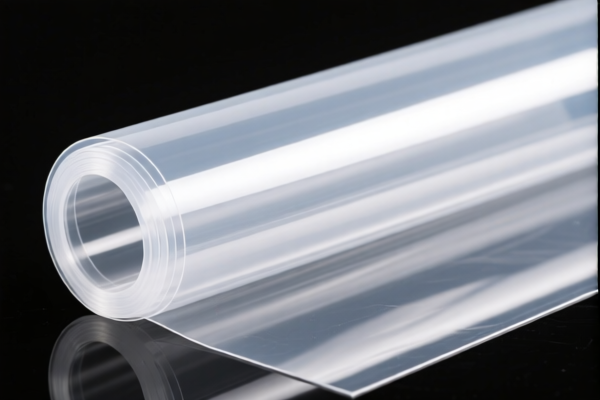
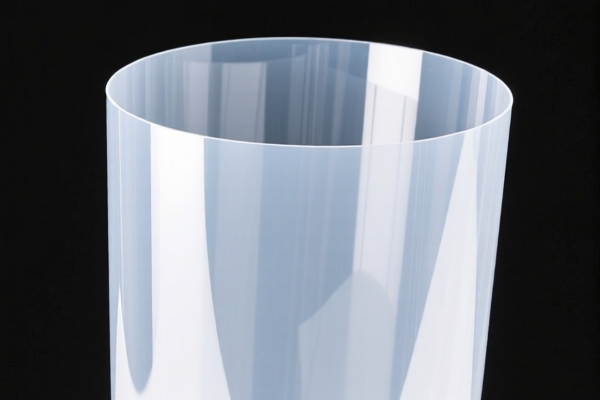
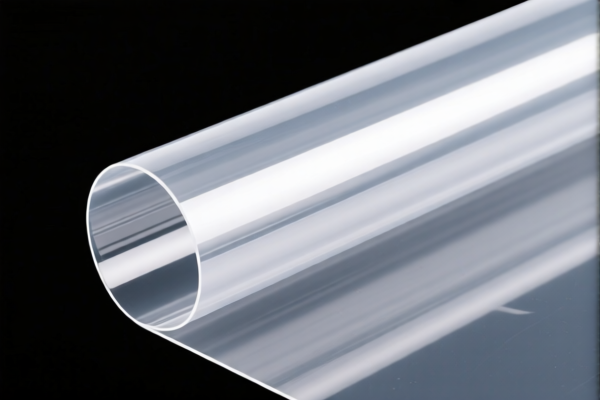
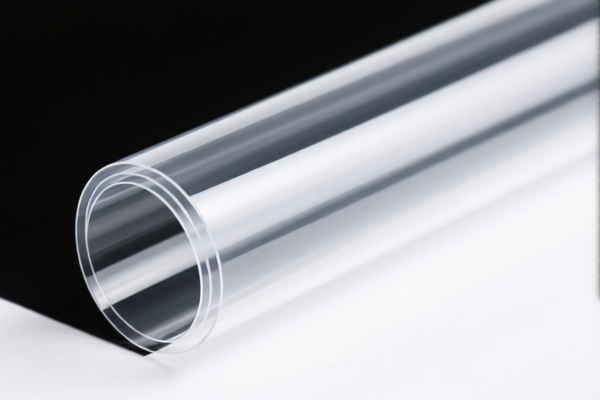
AI Analysis
🎞️ PVC Transparent Film (Polychloroprene/Chlorinated Polyvinyl Chloride Films)
🌐 HS Code Reference & Customs Clearance Guide | 2026 Latest Tariff Analysis | Professional Clearance Strategy
📌 I. Product Definition & Classification: Do You Really Understand "PVC Film"?
PVC Transparent Film is a versatile polymer sheet primarily made from polyvinyl chloride (PVC) resins. In international trade, classification depends heavily on the specific polymer composition and the physical form (e.g., self-adhesive vs. non-adhesive). Small differences in chemical structure lead to different HS codes and significantly different tax burdens.
Key Distinction Points:
- Specific Polymer Identity: Is it strictly "Vinyl Chloride Polymer" (氯乙烯聚合物) or "Vinyl Polymer" (乙烯基聚合物)? This distinction shifts the code between 3921 and 3920 subheadings.
- Self-Adhesive vs. Non-Adhesive: If the film has an adhesive backing, it falls under 3919.90.50.40.
- Thickness/Specificity: Codes like 3921.12.50.00 and 3920.49.00.00 often target specific thicknesses or manufacturing processes not covered by broader categories.
⚠️ Critical Note:
- If the film is self-adhesive, it MUST be classified under 3919.90.50.40.
- If it is non-adhesive, the classification hinges on whether it is classified as "Other plastics" (3921) or "Plates, sheets, etc." (3920).
- Misclassification between3921and3920can lead to customs audits or penalties.
📦 II. HS Code Classification Details (2026 Latest Tariff Authoritative Comparison)
Based on the provided data, here are the precise classifications for PVC Transparent Films:
| HS Code | Product Description | Material/State | Key Identifier |
|---|---|---|---|
3921.12.50.00 |
PVC Film, Material: Vinyl Chloride Polymer, Form: Film | Vinyl Chloride Polymer | Non-adhesive, Specific Subhead |
3920.49.00.00 |
PVC Film, Material: Vinyl Polymer, Form: Film | Vinyl Polymer (General) | Non-adhesive, Broader Category |
3920.43.50.00 |
PVC Film, Material: Polyvinyl Chloride Polymer, Form: Film | Polyvinyl Chloride Polymer | Non-adhesive, Specific Subhead |
3919.90.50.40 |
PVC Film, Material: Plastic, Form: Self-Adhesive Plastic Film | Plastic (Self-Adhesive) | Self-Adhesive |
3921.12.19.50 |
PVC Film, Material: Vinyl Chloride Polymer, Form: Film | Vinyl Chloride Polymer | Non-adhesive, Different Sub-subhead |
🔍 重点提醒:
- Self-Adhesive Films: Must use 3919.90.50.40. Do not attempt to classify adhesive films under 3920 or 3921.
- Non-Adhesive Films: The choice between3921.12.50.00,3920.49.00.00,3920.43.50.00, and3921.12.19.50depends on the exact polymer definition and technical specifications. Consult your customs broker for the most accurate fit based on your product's technical datasheet.
💰 III. 2026 Latest Tariff Rate Details (Including Surtaxes & Policy Add-ons)
✅ Applicable Country: United States (US)
✅ Country of Origin: China (CN)
✅ Effective Time: From November 10, 2025 (including subsequent imports)
All PVC films listed below are subject to the same complex tariff structure:
Base Tariff + Section 301 Tariff (25%) + Section 122 Tariff (10%) = Total Effective Tariff
🎯 1. 3921.12.50.00 —— PVC Film (Vinyl Chloride Polymer)
| Item | Content |
|---|---|
| Base Tariff | 6.5% |
| Section 301 Surtax | +25.0% |
| Section 122 Tariff | +10.0% |
| Total Tariff Rate | 41.5% |
| Calculation | CIF Value × 41.5% |
| De Minimis Exemption | ❌ Not Eligible |
| Legal Basis Path | Base Tariff → USITC Section 301 (Footnote 9903.88.01) → Section 122 (IEEPA) |
📌 Explanation:
- The 25% Section 301 tariff applies to most Chinese-origin plastics and films.
- The 10% Section 122 tariff is an additional levy on Chinese goods under the International Emergency Economic Powers Act.
- Total Rate: 41.5%. This is a high-cost category. Ensure your pricing model accounts for this.
🎯 2. 3920.49.00.00 —— PVC Film (Vinyl Polymer)
| Item | Content |
|---|---|
| Base Tariff | 5.8% |
| Section 301 Surtax | +25.0% |
| Section 122 Tariff | +10.0% |
| Total Tariff Rate | 40.8% |
| Calculation | CIF Value × 40.8% |
| De Minimis Exemption | ❌ Not Eligible |
| Legal Basis Path | Base Tariff → USITC Section 301 → Section 122 |
📌 Explanation:
- Slightly lower base rate (5.8% vs. 6.5%) results in a 0.7% savings compared to3921.12.50.00.
- Still subject to heavy surtaxes.
🎯 3. 3920.43.50.00 —— PVC Film (Polyvinyl Chloride Polymer)
| Item | Content |
|---|---|
| Base Tariff | 4.2% |
| Section 301 Surtax | +25.0% |
| Section 122 Tariff | +10.0% |
| Total Tariff Rate | 39.2% |
| Calculation | CIF Value × 39.2% |
| De Minimis Exemption | ❌ Not Eligible |
| Legal Basis Path | Base Tariff → USITC Section 301 → Section 122 |
📌 Explanation:
- This is the lowest total tariff rate (39.2%) among non-adhesive films in the dataset.
- If your product specifications allow classification under3920.43.50.00, this is the most cost-effective option.
🎯 4. 3919.90.50.40 —— Self-Adhesive PVC Film
| Item | Content |
|---|---|
| Base Tariff | 5.8% |
| Section 301 Surtax | +25.0% |
| Section 122 Tariff | +10.0% |
| Total Tariff Rate | 40.8% |
| Calculation | CIF Value × 40.8% |
| De Minimis Exemption | ❌ Not Eligible |
| Legal Basis Path | Base Tariff → USITC Section 301 → Section 122 |
📌 Explanation:
- Self-adhesive films are classified separately.
- Tax rate is identical to3920.49.00.00(40.8%).
🎯 5. 3921.12.19.50 —— PVC Film (Vinyl Chloride Polymer, Other)
| Item | Content |
|---|---|
| Base Tariff | 5.3% |
| Section 301 Surtax | +25.0% |
| Section 122 Tariff | +10.0% |
| Total Tariff Rate | 40.3% |
| Calculation | CIF Value × 40.3% |
| De Minimis Exemption | ❌ Not Eligible |
| Legal Basis Path | Base Tariff → USITC Section 301 → Section 122 |
📌 Explanation:
- Another variation of vinyl chloride polymer films.
- Tax rate is 40.3%, sitting between3920.43.50.00(39.2%) and3920.49.00.00(40.8%).
🛠️ IV. Customs Clearance Practical Advice (Real-World Pitfall Guide)
✅ 1. Required Documentation Checklist (All are Mandatory)
| Document | Required | Description |
|---|---|---|
| ✅ Product Specification Sheet | ✔️ | Must detail polymer type (Vinyl Chloride vs. Vinyl), thickness, width, adhesion status |
| ✅ Technical Data Sheet | ✔️ | To prove the exact HS code classification (especially for 3920 vs 3921) |
| ✅ Commercial Invoice | ✔️ | Clearly state "PVC Transparent Film" and avoid vague terms like "Plastic Sheet" |
| ✅ Packing List | ✔️ | Weight, dimensions, and quantity |
| ✅ Bill of Lading/Air Waybill | ✔️ | Standard shipping documents |
| ✅ Certificate of Origin (CO) | ✔️ | Required for origin verification |
✅ 2. Declaration Tips (Key Mnemonics)
🔥 “Adhesive is 3919, Non-Adhesive is 3920/3921, Specify Polymer, Save Money!”
| Scenario | Correct Declaration | Wrong Practice |
|---|---|---|
| Self-Adhesive PVC Film | 3919.90.50.40 + "Self-Adhesive" |
Misdeclare as non-adhesive → High Penalty |
| Non-Adhesive, PVC | 3920.43.50.00 (if applicable) |
Vague "Plastic Film" → Unclear Classification |
| Non-Adhesive, Specific Polymer | 3921.12.50.00 |
Using broader code when specific one exists |
| Mixed Packaging | Declare each item separately | Combine adhesive and non-adhesive → Confusion |
✅ 3. Special Circumstances Handling
| Situation | Handling Advice |
|---|---|
| OEM Custom Films | Provide customer order + technical drawings to prove specific polymer type |
| Multiple HS Codes in One Shipment | Declare each HS code separately with its own tax calculation |
| Dispute on Polymer Type | Provide third-party chemical analysis report to support 3920 vs 3921 |
| Small Sample Shipments | No De Minimis Exemption! Even small samples are subject to full tax |
🌍 V. Global Market Clearance Comparison (2026 Latest)
| Country/Region | Recommended HS Code | Tariff (China Origin) | Certification Requirements | Notes |
|---|---|---|---|---|
| 🇺🇸 USA | 3920.43.50.00 |
39.2% (Best Case) | No special cert. required | 41.5% for 3921.12.50.00; All subject to 301 + 122 |
| 🇨🇳 China | 3920.43.50.00 |
5% (Import Duty) | CCC (if applicable) | No Section 301 or 122 |
| 🇪🇺 EU | 3920.43.50.00 |
0-6.5% (Varies) | REACH Compliance | No Section 301/122 |
| 🇬🇧 UK | 3920.43.50.00 |
0-6.5% (Varies) | UKCA Mark (if applicable) | Post-Brexit rules apply |
| 🇯🇵 Japan | 3920.43.50.00 |
0-5% (Varies) | PSE (if electrical) | No Section 301/122 |
📌 Conclusion:
- The US is the most expensive market for PVC films due to Section 301 and Section 122 tariffs.
- China, EU, Japan, and UK have significantly lower or zero tariffs for PVC films.
- Optimize Supply Chain: If targeting the US, consider pricing strategies or supply chain adjustments to mitigate the ~40% tariff burden.
📌 VI. Common Mistakes & Pitfall Guide (Blood-Tears Lessons)
❌ Mistake 1: Declaring self-adhesive film as non-adhesive
👉 Consequence: 41.5% vs. 39.2%? No, wrong code leads to audit, delay, and potential seizure.
❌ Mistake 2: Using vague terms like "Plastic Sheet"
👉 Consequence: Customs may assign the highest possible duty rate or request extensive documentation.
❌ Mistake 3: Ignoring Section 122 Tariff
👉 Consequence: Underpayment of 10% → Back taxes + Penalties.
❌ Mistake 4: Assuming De Minimis Exemption
👉 Consequence: Small shipments are fully taxed. Do not expect tax-free entry for samples.
✅ Correct Practice:
"PVC Transparent Film, 0.1mm, Non-Adhesive, Vinyl Chloride Polymer, Roll Packing, Model XYZ"
🎯 VII. Conclusion: Precise Classification Saves Money!
🎯 Remember the Mnemonic:
🔹 "Adhesive is 3919, Non-Adhesive is 3920/3921."
🔹 "Base Tariff + 25% + 10% = Total."
🔹 "Check Polymer Type, Avoid 41.5% if 39.2% is Possible!"
📌 Pro Tip:
If your PVC film is originating from Vietnam, Mexico, Thailand, or Malaysia, you may be eligible for IEEPA Exemptions, reducing the tariff to 0%~5%.
Consider Advance Ruling from US Customs (CBP) to confirm the correct HS code and avoid disputes.
📣 Immediate Action:
📞 Contact a professional customs broker + Provide Product Photos + Apply for HS Code Advance Ruling
🚀 Ensure your PVC Transparent Film clears customs smoothly, reduces costs, and maximizes profit!
✨ Professional Clearance, Starts with Accurate Classification!
💼 Every Cent of Cost Deserves to Be Calculated Precisely!
Customer Reviews
About HS Code Classification
The Harmonized System (HS) is an internationally standardized nomenclature developed by the World Customs Organization (WCO) to classify traded products. Over 200 countries use the HS system as the basis for customs tariffs, trade statistics, and import/export regulations.
Each HS code follows a hierarchical structure:
- Chapter (2 digits) — Broad category of goods (e.g., Chapter 84: Machinery and Mechanical Appliances)
- Heading (4 digits) — More specific grouping within the chapter
- Subheading (6 digits) — Internationally standardized breakdown, used by all WCO member countries
- National subdivisions (8-10 digits) — Country-specific extensions for further classification, such as US HTSUS 10-digit codes
Correct HS code classification is essential for smooth customs clearance, accurate duty payment, and compliance with trade regulations. Misclassification can lead to customs delays, overpayment of duties, or penalties.
When importing from CN to US, the applicable tariff rates may include:
- Most-Favored-Nation (MFN) rate — The standard duty rate applied to WTO members
- General rate — Applied to countries without trade agreements
- Trade remedy duties — Additional tariffs such as Section 301 (anti-dumping), Section 232 (national security), or countervailing duties
The information provided on this page is for reference purposes only. For official classification, please consult with your local customs authority or a licensed customs broker.