PVC Transparent Soft Sheet
CN → US| HS Code | Tariff Rate | Origin | Destination | Doc |
|---|---|---|---|---|
| 3919905040 | 40.8% | CN | US | Official Doc |
| 3926909989 | 22.8% | CN | US | Official Doc |
| 3926909400 | 35.0% | CN | US | Official Doc |
| 3919102040 | 40.8% | CN | US | Official Doc |
| 3920435000 | 39.2% | CN | US | Official Doc |
| 3920490000 | 40.8% | CN | US | Official Doc |
Product Images
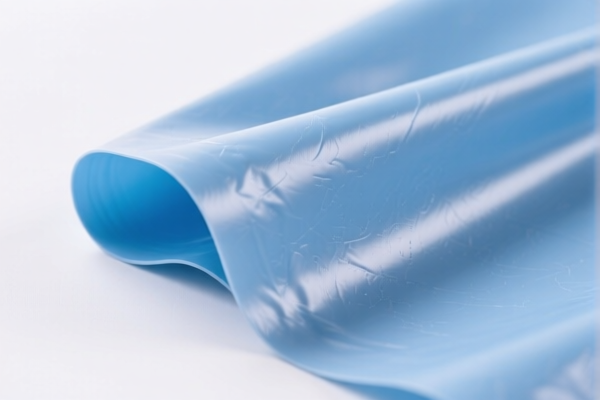
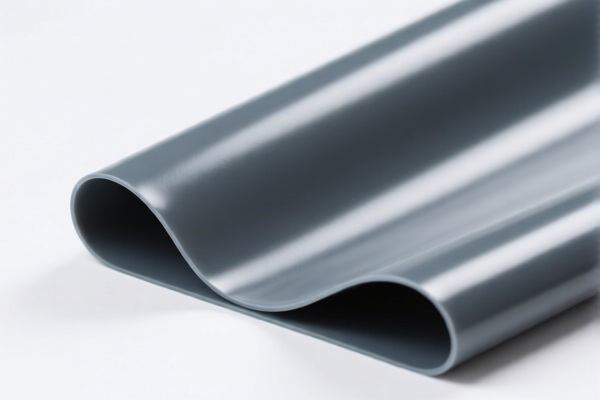
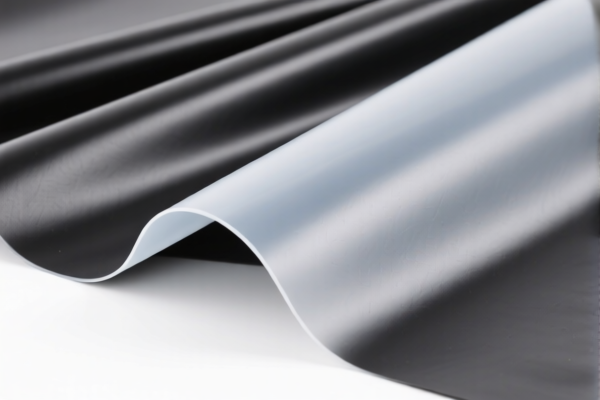
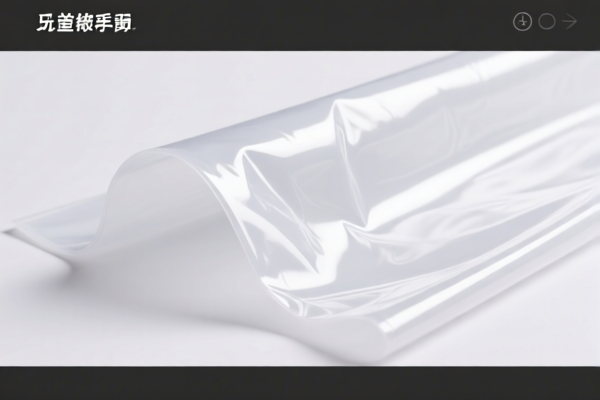
AI Analysis
🛍️ PVC Transparent Soft Sheet (PVC Clear Vinyl Sheet)
🌐 HS Code Reference & Clearance Guide | 2026 Latest Tariff Analysis | Professional Customs Strategy
📌 1. Product Definition & Classification: Do You Really Understand "PVC Soft Sheets"?
PVC (Polyvinyl Chloride) Transparent Soft Sheets are versatile plastic products widely used in packaging, signage, medical devices, stationery (like tape backing), and consumer goods. In international trade, they are categorized based on their specific form (e.g., is it a self-adhesive tape, a plain sheet, or a sheet with plasticizers?) and function.
Key Distinctions: * Self-Adhesive Tapes (Transparent Tape): If the PVC sheet is coated with an adhesive and comes in rolls for sealing/labeling → Chapter 3919. * Plain Plastic Sheets/Plates: If it is a simple, uncoated flexible sheet → Chapter 3920 or 3926. * Plasticizers Content: Sheets containing plasticizers are treated differently from non-cellular, unlayered sheets in some sub-headings.
⚠️ Critical Classification Point:
- Is it an adhesive tape? → Look at 3919.xx.
- Is it a plain sheet/film? → Look at 3920.xx or 3926.xx.
- Misclassification leads to significant duty differences (from 22.8% to 40.8%!).
📦 2. HS Code Classification Matrix (Based on Provided Data)
Below is the detailed breakdown of the 6 possible HS Codes for "PVC Transparent Soft Sheets" based on the provided dataset.
| HS Code | Summary/Description | Total Tax Rate | Tax Breakdown (US Import from China) |
|---|---|---|---|
| 3919.90.50.40 | Adhesive Tape Type: PVC material, soft film shape (flat), fits transparent tape category. | 40.8% | Base: 5.8% + Section 301: 25.0% + 122 Clauses: 10% |
| 3926.90.99.89 | General Plastic Article: PVC material, soft film shape, falls under "Other plastic articles" (catch-all). | 22.8% | Base: 5.3% + Section 301: 7.5% + 122 Clauses: 10% |
| 3926.90.94.00 | Transparent Plastic Sheet: PVC material, soft film (thin sheet), fits "Plastic transparent thin sheets". | 35.0% | Base: 0.0% + Section 301: 25.0% + 122 Clauses: 10% |
| 3919.10.20.40 | Self-Adhesive Tape (Rolls): PVC material, flat shape/film/sheet, fits transparent tape attributes. | 40.8% | Base: 5.8% + Section 301: 25.0% + 122 Clauses: 10% |
| 3920.43.50.00 | Plasticized PVC Sheet: Polyvinyl chloride (PVC), sheet form, fits "Polymerized products with plasticizers". | 39.2% | Base: 4.2% + Section 301: 25.0% + 122 Clauses: 10% |
| 3920.49.00.00 | Non-Cellular PVC Sheet: PVC material, sheet form, fits "Non-cellular, unlayered plastic board/sheet" features. | 40.8% | Base: 5.8% + Section 301: 25.0% + 122 Clauses: 10% |
🔍 Key Observation:
- Lowest Duty:3926.90.99.89at 22.8% is the most cost-effective if the product qualifies as a general "other plastic article."
- Highest Duty:3919.xxand3920.49.00.00are at 40.8%.
- Zero Base Duty:3926.90.94.00has a 0% base duty, but the high Section 301 duty (25%) pushes the total to 35%.
💰 3. Detailed Tariff Rate Analysis (US Import from China)
✅ Applicable Country: United States (US)
✅ Origin: China (CN)
✅ Effective Date: Current 2026 Tariff Structure
🎯 A. The Adhesive Tape Category (3919 Series)
Codes: 3919.90.50.40, 3919.10.20.40
Total Duty: 40.8%
| Component | Rate | Legal Basis/Note |
|---|---|---|
| Base Rate | 5.8% | Standard Most Favored Nation (MFN) rate |
| Section 301 (301 List 4B) | 25.0% | Additional duties on Chinese imports |
| Section 122 Clauses | 10.0% | Specific statutory additions |
| Total | 40.8% | High Risk/High Cost |
📌 Explanation:
- If your PVC soft sheet is coated with adhesive and used as tape (even transparent packing tape), it falls under Chapter 3919.
- The base duty is 5.8%, but the heavy Section 301 tariff (25%) makes this category expensive.
- Do not misclassify plain sheets as adhesive tape to avoid penalties.
🎯 B. The "Catch-All" Plastic Article (3926.90.99.89)
Code: 3926.90.99.89
Total Duty: 22.8%
⭐ Lowest Duty Option
| Component | Rate | Legal Basis/Note |
|---|---|---|
| Base Rate | 5.3% | Standard MFN rate |
| Section 301 (301 List 4B) | 7.5% | Lower Section 301 rate for "other" plastics |
| Section 122 Clauses | 10.0% | Specific statutory additions |
| Total | 22.8% | Optimal Cost |
📌 Explanation:
- This code is a fallback category ("Other articles of plastics").
- If your PVC sheet does not fit neatly into specific sheet (3920) or adhesive (3919) definitions, it may land here.
- Strategy: If your product is a simple, uncoated, non-specific PVC film, argue for this classification to save 18% in duties compared to adhesive tape codes.
🎯 C. The Transparent Thin Sheet (3926.90.94.00)
Code: 3926.90.94.00
Total Duty: 35.0%
| Component | Rate | Legal Basis/Note |
|---|---|---|
| Base Rate | 0.0% | Free entry for certain plastic sheets |
| Section 301 (301 List 4B) | 25.0% | Heavy Section 301 tariff |
| Section 122 Clauses | 10.0% | Specific statutory additions |
| Total | 35.0% | Moderate Cost |
📌 Explanation:
- Specifically for transparent thin sheets.
- Although the base duty is 0%, the 25% Section 301 tariff brings the total to 35%.
- Benefit: Cheaper than adhesive tape (40.8%) but more expensive than the catch-all (22.8%).
🎯 D. The PVC Sheet Variants (3920 Series)
Codes: 3920.43.50.00, 3920.49.00.00
Total Duties: 39.2% & 40.8%
-
3920.43.50.00(Plasticized PVC): 39.2%- Base: 4.2% + 301: 25.0% + 122: 10%.
- Used for PVC sheets with added plasticizers (making them flexible).
-
3920.49.00.00(Other PVC Sheets): 40.8%- Base: 5.8% + 301: 25.0% + 122: 10%.
- Used for non-cellular, unlayered PVC sheets that don't fit the plasticized sub-category.
🛠️ 4. Customs Clearance Practical Advice
✅ 1. Preparation Checklist (Must-Have Documents)
| Document | Required? | Notes |
|---|---|---|
| Product Specification Sheet | ✔️ | Detail thickness, width, hardness, plasticizer content, and usage. |
| Product Photos | ✔️ | Show the roll/sheet clearly. Is it adhesive? Is it transparent? |
| Commercial Invoice | ✔️ | Must accurately describe the item (e.g., "PVC Soft Sheet" vs. "Adhesive Tape"). |
| Packing List | ✔️ | Weight, dimensions, and packaging details. |
| Material Safety Data Sheet (MSDS) | ✔️ | Especially if plasticizers are involved. |
| Certificate of Origin (CO) | ✔️ | To prove origin (China) and apply correct Section 301 duties. |
✅ 2. Classification Strategy & Tricks
🔥 Golden Rule: "Adhesive = 3919; Plain Sheet = 3920/3926; Find the Catch-All!"
| Scenario | Recommended HS Code | Reasoning |
|---|---|---|
| Transparent Packing Tape | 3919.10.20.40 or 3919.90.50.40 |
Clearly an adhesive tape. No choice but to pay 40.8%. |
| Non-Adhesive, Flexible PVC Film | 3926.90.99.89 |
Best Option! Argue it's a general plastic article. Total duty: 22.8%. |
| Thin, Transparent, Uncoated Sheet | 3926.90.94.00 |
If it doesn't fit the catch-all but is clearly a transparent thin sheet. Total duty: 35.0%. |
| PVC Sheet with Plasticizers | 3920.43.50.00 |
If the product is specifically formulated as "plasticized PVC." Total duty: 39.2%. |
✅ 3. Common Mistakes to Avoid
| Mistake | Consequence | Correction |
|---|---|---|
| Calling "Adhesive Tape" a "Plastic Sheet" | Customs reclassifies to 3919 → Higher Duty (40.8%) + Penalties | Be honest. If it’s adhesive, declare it as such. |
Using 3920.49.00.00 for Plasticized Sheets |
Misclassification Risk | If plasticizers are present, use 3920.43.50.00 or the catch-all 3926.90.99.89. |
| Ignoring Section 122 Clauses | Unexpected Costs | All listed HS codes include a 10% Section 122 duty. Factor this into your pricing. |
| Assuming "Soft" Means "Tape" | Wrong Chapter | "Soft" refers to flexibility (plasticizers), not adhesiveness. Use 3920/3926, not 3919. |
📌 5. Conclusion & Actionable Tips
🎯 Key Takeaway:
- If your PVC sheet is adhesive, you cannot avoid the 40.8% duty.
- If your PVC sheet is non-adhesive, strongly consider
3926.90.99.89to reduce duty to 22.8%. This is a 18% savings over adhesive codes and 12% savings over transparent sheet codes.
🚀 Recommended Action Plan:
- Determine Adhesiveness: Is there glue on one side?
- Yes → Use
3919.xx(40.8%). - No → Proceed to Step 2.
- Yes → Use
- Check Composition: Does it contain plasticizers?
- Yes → Consider
3920.43.50.00(39.2%) OR argue for3926.90.99.89(22.8%). - No → Consider
3920.49.00.00(40.8%) OR argue for3926.90.99.89(22.8%).
- Yes → Consider
- Apply for Advance Ruling: If the product is unique, consult a customs broker to file for an Advance Ruling to lock in the lower 22.8% rate if possible.
💡 Pro Tip:
"Save 18%: Avoid the 'Adhesive' Trap."
If your PVC sheet is just a flexible film, do NOT call it "tape" in your documentation. Call it "PVC Soft Film" or "Plastic Sheet" to align with the cheaper3926.90.99.89category.
✨ Professional Clearance Starts with Accurate Classification!
💼 Every percentage point saved is pure profit!
Customer Reviews
About HS Code Classification
The Harmonized System (HS) is an internationally standardized nomenclature developed by the World Customs Organization (WCO) to classify traded products. Over 200 countries use the HS system as the basis for customs tariffs, trade statistics, and import/export regulations.
Each HS code follows a hierarchical structure:
- Chapter (2 digits) — Broad category of goods (e.g., Chapter 84: Machinery and Mechanical Appliances)
- Heading (4 digits) — More specific grouping within the chapter
- Subheading (6 digits) — Internationally standardized breakdown, used by all WCO member countries
- National subdivisions (8-10 digits) — Country-specific extensions for further classification, such as US HTSUS 10-digit codes
Correct HS code classification is essential for smooth customs clearance, accurate duty payment, and compliance with trade regulations. Misclassification can lead to customs delays, overpayment of duties, or penalties.
When importing from CN to US, the applicable tariff rates may include:
- Most-Favored-Nation (MFN) rate — The standard duty rate applied to WTO members
- General rate — Applied to countries without trade agreements
- Trade remedy duties — Additional tariffs such as Section 301 (anti-dumping), Section 232 (national security), or countervailing duties
The information provided on this page is for reference purposes only. For official classification, please consult with your local customs authority or a licensed customs broker.