PVC Transparent Tube
CN → US| HS Code | Tariff Rate | Origin | Destination | Doc |
|---|---|---|---|---|
| 3917320010 | 38.1% | CN | US | Official Doc |
| 3926909987 | 22.8% | CN | US | Official Doc |
| 3917230000 | 38.1% | CN | US | Official Doc |
| 3926909989 | 22.8% | CN | US | Official Doc |
| 3920490000 | 40.8% | CN | US | Official Doc |
Product Images
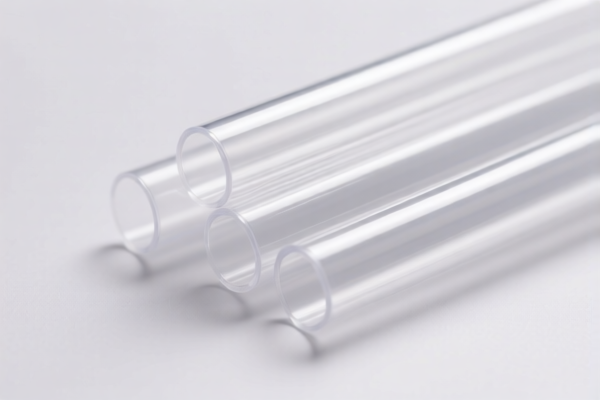
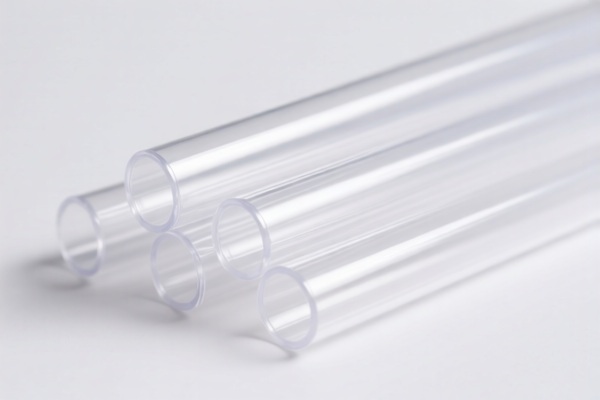
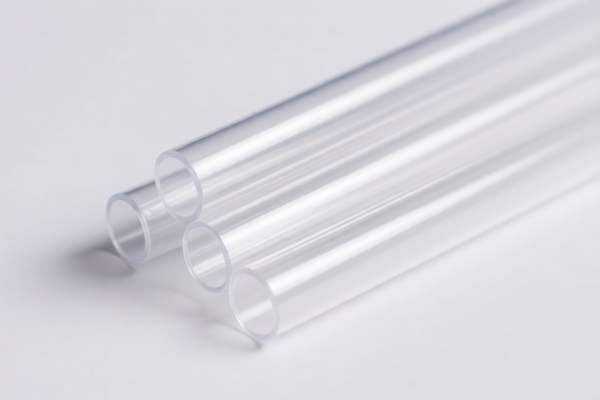
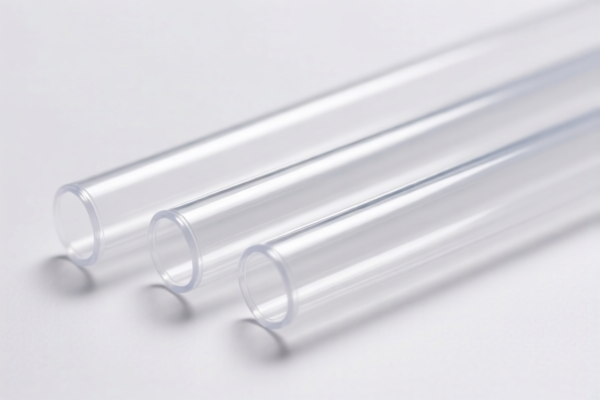
AI Analysis
🔍 PVC Transparent Tube (Polyvinyl Chloride)
🌐 HS Code Classification & Customs Clearance Guide | 2024/2026 Trade Rules | Strategic Tariff Optimization
📌 I. Product Definition & Classification Logic: What Exactly is "PVC Transparent Tube"?
PVC Transparent Tubes are flexible or rigid plastic piping systems made from Polyvinyl Chloride (PVC). In international trade, the classification depends strictly on chemical composition and physical form. The key debate is whether it falls under "Plastic Pipes" (Chapter 39, Heading 3917) or "Other Plastic Articles" (Chapter 39, Heading 3926/3920).
⚠️ Critical Distinction:
- Form: Is it a "tube, pipe, or hose"? → Heading 3917
- Form: Is it a "sheet, film, or strip"? → Heading 3920
- Material Specificity: Is it specifically "PVC" (Chlorinated Vinyl Polymer) or a generic "Plastic"? → 3917 vs. 3926
📦 II. HS Code Classification Matrix (Based on Provided Data)
Below are the 5 potential HS Codes derived from the data. Each reflects a different interpretation of material specificity and form.
| HS Code | Product Description & Logic | Total Tax Rate | Tax Detail Breakdown |
|---|---|---|---|
| 3917.32.00.10 | PVC Pipes/Tubes Material: PVC (Polyvinyl Chloride) Form: Tube ✅ High Match: Specific material & form. |
38.1% | Base: 3.1% Section 301: 25.0% Section 122: 10.0% |
| 3926.90.99.87 | Other Plastic Articles (Fallback) Material: Plastic (General) Form: Tube ⚠️ Low Match: "PVC" is specific; "Plastic" is too broad. |
22.8% | Base: 5.3% Section 301: 7.5% Section 122: 10.0% |
| 3917.23.00.00 | PVC Pipes (Exact Match) Material: Polymer of Vinyl Chloride Form: Tube ✅ Best Match: Legal chemical definition of PVC. |
38.1% | Base: 3.1% Section 301: 25.0% Section 122: 10.0% |
| 3926.90.99.89 | Other Plastic Articles (General Fallback) Material: Plastic Form: Tube ⚠️ Low Match: Same as above, different sub-code. |
22.8% | Base: 5.3% Section 301: 7.5% Section 122: 10.0% |
| 3920.49.00.00 | PVC Sheets/Films (Misclassification Risk) Material: Vinyl Polymer Form: Sheet/Thin/Strip ❌ Wrong Form: Tube is NOT a sheet. |
40.8% | Base: 5.8% Section 301: 25.0% Section 122: 10.0% |
🔍 Analysis:
- 3917 Series (38.1%): Correctly identifies the product as a Tube/Pipe made of PVC.
- 3926 Series (22.8%): Uses a fallback category for "Other Plastic Articles." Lower tax, but higher risk of audit if PVC is specified on the commercial invoice.
- 3920 Series (40.8%): Incorrect Form. PVC tubes are not sheets/films. Avoid this classification unless the product is actually flat tubing or strip material.
💰 III. Detailed Tariff Structure & Legal Basis
🎯 1. The "High-Tax" Category (3917.32.00.10 / 3917.23.00.00)
Total Rate: 38.1%
This is the most legally accurate classification for PVC tubes.
| Item | Rate | Explanation |
|---|---|---|
| Base MFN Tariff | 3.1% | Standard import duty for plastic pipes under Chapter 39. |
| Section 301 Tariff | 25.0% | Additional duty imposed on Chinese-origin goods under US Trade Act Section 301. |
| Section 122 Tariff | 10.0% | Additional duty under Section 122 (often applied to specific industrial goods or national security reasons). |
| Total | 38.1% | Sum of all duties. |
📌 Key Insight:
- The 25% and 10% are add-on taxes. They are not negotiable and apply regardless of the base rate.
- No de minimis exemption for shipments from China under these sections in most commercial contexts.
🎯 2. The "Fallback" Category (3926.90.99.87 / 3926.90.99.89)
Total Rate: 22.8%
This category is used if the product is deemed "not sufficiently specific" for 3917.
| Item | Rate | Explanation |
|---|---|---|
| Base MFN Tariff | 5.3% | Higher base rate than 3917. |
| Section 301 Tariff | 7.5% | Reduced Section 301 rate for this specific subheading (vs. 25%). |
| Section 122 Tariff | 10.0% | Same as above. |
| Total | 22.8% | Significantly lower than 3917 series. |
⚠️ Risk Warning:
- Using 3926 for PVC tubes is risky if the product is clearly labeled "PVC Tube." Customs may audit and reclassify to 3917, leading to back taxes + penalties.
- Only use if the product is mixed-material or generic plastic without clear PVC specification.
🎯 3. The "Incorrect Form" Category (3920.49.00.00)
Total Rate: 40.8%
DO NOT USE for tubes. This is for sheets, films, or strips.
| Item | Rate | Explanation |
|---|---|---|
| Base MFN Tariff | 5.8% | Base rate for other plastic plates/sheets. |
| Section 301 Tariff | 25.0% | Full Section 301 rate. |
| Section 122 Tariff | 10.0% | Section 122 rate. |
| Total | 40.8% | Highest risk category due to misclassification. |
🛠️ IV. Customs Clearance Strategy & Practical Advice
✅ 1. Documentation Checklist (Must-Haves)
To ensure smooth clearance and avoid audits:
| Document | Required? | Purpose |
|---|---|---|
| Commercial Invoice | ✔️ | Must state "PVC Transparent Tube", material composition, and dimensions. |
| Product Specification Sheet | ✔️ | Detail inner/outer diameter, wall thickness, flexibility, and material formula (e.g., "100% Polyvinyl Chloride"). |
| Photo of Product | ✔️ | Clear image showing the tubular shape (not flat). |
| Certificate of Origin (CO) | ✔️ | To confirm country of origin (China) for Section 301/122 calculation. |
| HS Code Pre-Ruling | ✔️ | Highly Recommended to lock in 3917 classification. |
✅ 2. Classification Strategy: Which HS Code to Choose?
| Scenario | Recommended HS Code | Rationale |
|---|---|---|
| Standard PVC Tube (Rigid or Flexible) | 3917.32.00.10 or 3917.23.00.00 | Accurate. Matches "PVC" and "Tube." Expect 38.1% duty. |
| Mixed Material Tube (e.g., PVC core with rubber coating) | 3926.90.99.87 | Fallback. If PVC is not dominant, use "Other Plastic Articles." Expect 22.8% duty. |
| Flat PVC Strip/Film | 3920.49.00.00 | Only if product is not tubular. |
🔥 Pro Tip:
If your supplier provides mixed shipments (some rigid PVC pipes, some flexible PVC tubes), consider separating them. Rigid pipes may have different sub-classifications.
✅ 3. Common Pitfalls & How to Avoid Them
| Mistake | Consequence | Solution |
|---|---|---|
| Calling it "Plastic Hose" generically | Customs may apply 3926 (22.8%) or audit for 3917 (38.1%). | Be specific: "PVC Tube" or "Polyvinyl Chloride Pipe." |
| Misclassifying as "Sheet" (3920) | 40.8% tax + Penalty for misdeclaration. | Ensure photos show cross-section of tube. |
| Ignoring Section 122 | Surprise 10% tax at customs. | Always include 122 in cost calculations. |
| No Pre-Ruling | Delays, audits, potential back taxes. | File for CBP Ruling 3-6 months before shipment. |
🌍 V. Global Market Comparison (2024/2026)
| Market | Recommended HS Code | Estimated Total Duty | Notes |
|---|---|---|---|
| 🇺🇸 USA | 3917.32.00.10 | 38.1% | High due to Section 301 (25%) + Section 122 (10%). |
| 🇨🇳 China | 3917.32.00.00 | 3.1% | Low base rate. No Section 301/122. |
| 🇪🇺 EU | 3917.39.00 | ~6-10% | No Section 301. Standard PVC pipe duty. |
| 🇬🇧 UK | 3917.39.00 | ~6-10% | Post-Brexit tariffs similar to EU. |
📌 Conclusion:
- USA is the most expensive market for PVC tubes from China due to add-on tariffs.
- EU/UK/China are much cheaper for importers.
📌 VI. Final Recommendations
- Use 3917.32.00.10 or 3917.23.00.00 for standard PVC tubes.
- Why? It is the most accurate classification.
- Cost: 38.1%.
-
Risk: Low if documentation is precise.
-
Avoid 3926.90.99.87 unless you have strong justification (e.g., mixed materials, non-standard form).
- Why? It’s a fallback. Customs may reject it if "PVC" is clearly stated.
- Cost: 22.8% (if accepted).
-
Risk: High audit probability.
-
Never use 3920.49.00.00 for tubes.
- Why? Wrong form.
-
Cost: 40.8% + Penalties.
-
Apply for a CBP Ruling before shipping.
- Why? Locks in the HS code and prevents surprises.
- Time: 3-6 months.
🎯 Conclusion: Precision Saves Money
🔹 "Be Specific, Be Accurate, Be Aware."
🔹 PVC Tube = 3917 = 38.1% Duty (USA)
🔹 Plastic Fallback = 3926 = 22.8% Duty (USA, High Risk)
🔹 Sheet/Form Error = 3920 = 40.8% Duty (USA, Penalty Risk)
📌 Action Item:
📞 Contact Customs Broker: Provide product specs + photos.
📄 File for Pre-Ruling: Avoid clearance delays.
💰 Budget for 38.1% Duty: Plan cash flow accordingly.
✨ Clearance Success Starts with Correct Classification!
💼 Every percentage point saved is profit earned!
Customer Reviews
About HS Code Classification
The Harmonized System (HS) is an internationally standardized nomenclature developed by the World Customs Organization (WCO) to classify traded products. Over 200 countries use the HS system as the basis for customs tariffs, trade statistics, and import/export regulations.
Each HS code follows a hierarchical structure:
- Chapter (2 digits) — Broad category of goods (e.g., Chapter 84: Machinery and Mechanical Appliances)
- Heading (4 digits) — More specific grouping within the chapter
- Subheading (6 digits) — Internationally standardized breakdown, used by all WCO member countries
- National subdivisions (8-10 digits) — Country-specific extensions for further classification, such as US HTSUS 10-digit codes
Correct HS code classification is essential for smooth customs clearance, accurate duty payment, and compliance with trade regulations. Misclassification can lead to customs delays, overpayment of duties, or penalties.
When importing from CN to US, the applicable tariff rates may include:
- Most-Favored-Nation (MFN) rate — The standard duty rate applied to WTO members
- General rate — Applied to countries without trade agreements
- Trade remedy duties — Additional tariffs such as Section 301 (anti-dumping), Section 232 (national security), or countervailing duties
The information provided on this page is for reference purposes only. For official classification, please consult with your local customs authority or a licensed customs broker.