PVC Wall Cladding Board
CN → US| HS Code | Tariff Rate | Origin | Destination | Doc |
|---|---|---|---|---|
| 3920435000 | 39.2% | CN | US | Official Doc |
| 3919905040 | 40.8% | CN | US | Official Doc |
| 3920490000 | 40.8% | CN | US | Official Doc |
| 3919905060 | 40.8% | CN | US | Official Doc |
| 3921125000 | 41.5% | CN | US | Official Doc |
Product Images
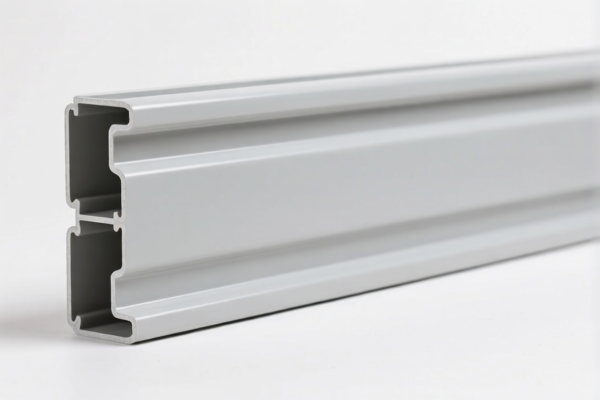
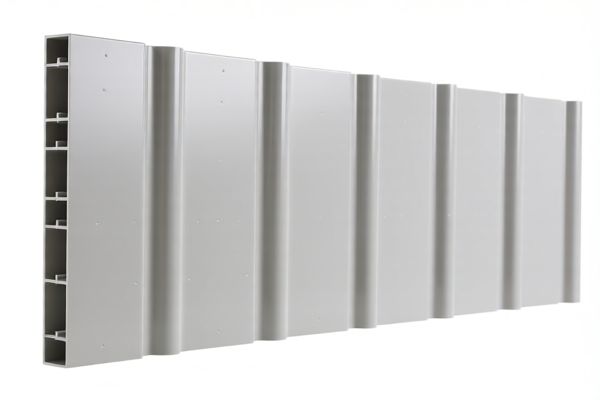
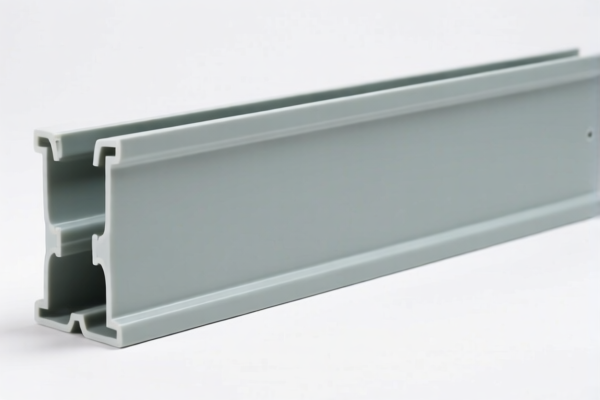
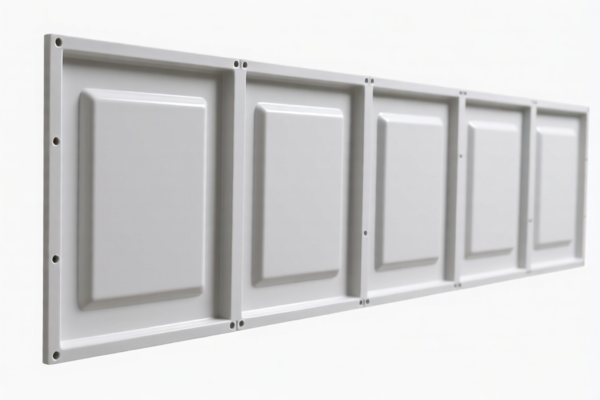
AI Analysis
🧱 PVC Wall Cladding Board (Polyvinyl Chloride Wall Panels)
🌐 HS Code Reference & Customs Clearance Guide | 2026 Latest Tariff Analysis | Professional Import Strategy
📌 I. Product Definition & Classification: What is "PVC Wall Cladding"?
PVC Wall Cladding Boards are rigid or semi-rigid plastic sheets used for interior or exterior wall decoration and protection. In international trade, they are classified based on their form (roll/film vs. rigid board) and specific application. The critical distinction lies in whether the product is considered a "flexible plastic film/foil" (Chapter 3901-3914) or a "rigid plastic plate/sheet/board" (Chapter 3920-3921).
Key Distinction Points:
- Rigid Boards/Profiles: If the PVC is rigid, extruded into profiles, or has a specific thickness/stiffness suitable for direct wall mounting without backing, it often falls under 3920 (Other plates, sheets, film, foil and strip, of plastics) or 3919 (Self-adhesive plates...).
- Flexible Films/Linings: If the material is thin, flexible, and requires a separate substrate or is used as a lining/film, it may fall under 3920 (if non-self-adhesive) or 3919 (if self-adhesive).
⚠️ Critical Note for US Imports:
Most PVC plastic products from China are subject to Section 301 duties (25%) and Section 122 duties (10%) in addition to base tariffs. Misclassification can lead to significant duty discrepancies.
📦 II. HS Code Classification Details (2026 Latest Tariff Authority)
Based on the provided data, here are the applicable HS Codes for PVC Wall Cladding Boards. Note that the exact code depends on the specific physical form (rigid vs. flexible) and adhesive properties.
| HS Code | Product Description | Application/Context | Physical Form |
|---|---|---|---|
3920.43.50.00 |
Plastic Plates, Sheets, Film, Foil and Strip, of Poly(vinyl chloride) | Rigid or semi-rigid PVC sheets used for wall cladding. Fits the definition of "Other plates, sheets, film..." of PVC. | Rigid/Semi-Rigid Sheet |
3919.90.50.40 |
Self-adhesive Plates, Sheets, Film, Foil, Tape, Strip and Other Flat Shapes of Plastics | PVC cladding that comes with pre-applied adhesive backing (common for peel-and-stick wall panels). | Self-Adhesive Flat Shape |
3920.49.00.00 |
Other Plates, Sheets, Film, Foil and Strip, of Other Polyvinyl Chloride | PVC sheets that do not fit specific subcategories (e.g., textured, coated, or specialty PVC wall panels). | Other PVC Sheet/Film |
3919.90.50.60 |
Other Self-Adhesive Plates, Sheets, Film, Foil, Tape, Strip and Other Flat Shapes of Plastics | General self-adhesive PVC materials, including wall coverings that are flat but not specifically defined elsewhere. | Self-Adhesive Flat Shape |
3921.12.50.00 |
Other Plates, Sheets, Film, Foil and Strip, of Polymers of Ethylene | Note: This code specifies "Polymers of Ethylene". While PVC is a vinyl polymer, sometimes specialized composite PVC boards (with foam core or other layers) might be argued under broader "Plastic Plates" categories if not strictly pure PVC. However, 3920 is more accurate for pure PVC. This code may apply if the board is considered a "Plastic Plate" of a different specific polymer type or composite. | Composite/Rigid Board |
🔍 Key Insight:
- Self-Adhesive (3919): If your product has glue on the back ("Peel and Stick"), it MUST be classified under 3919.90.
- Non-Adhesive Rigid Sheets (3920): If it is a hard PVC board meant to be glued or screwed to the wall, it falls under 3920.43 (specific PVC) or 3920.49 (Other PVC).
- Why so many codes? The US HTS uses 10-digit codes for detailed statistical tracking. The first 8 digits define the tariff treatment.
💰 III. 2026 Latest Tariff Rate Breakdown (Including Additional Duties & Policy Surcharges)
✅ Applicable Country: United States (US)
✅ Origin: China (CN)
✅ Effective Time: Current rates apply (Section 301 & 122 in effect)
🎯 1. 3920.43.50.00 – PVC Plates, Sheets, etc. (Non-Adhesive)
| Item | Content |
|---|---|
| Base Duty Rate | 4.2% (Ad Valorem) |
| Section 301 Additional Duty | +25.0% (List 4A/4B items, PVC plastics are typically included) |
| Section 122 Duty | +10.0% (Applicable to certain plastic articles from China) |
| Total Effective Rate | 39.2% |
| Tax Calculation | CIF Value × 39.2% |
| De Minimis Exemption | ❌ Not Eligible (Deny de minimis for China-origin goods under 301/122) |
| Legal Basis Path | HTSUS: 3920.43.50.00 → Section 301 Footnote 9903.88.01 → Section 122 Proclamation |
📌 Explanation:
- 4.2% is the standard Most Favored Nation (MFN) rate for PVC sheets.
- 25% is the Section 301 tariff for "Plastics and articles thereof."
- 10% is an additional surcharge applied to certain plastic products under Section 122 authorities.
- Total 39.2% is a very high cost factor. Must be factored into landed cost calculations.
🎯 2. 3919.90.50.40 & 3919.90.50.60 – Self-Adhesive PVC Products
| Item | Content |
|---|---|
| Base Duty Rate | 5.8% (Ad Valorem) |
| Section 301 Additional Duty | +25.0% |
| Section 122 Duty | +10.0% |
| Total Effective Rate | 40.8% |
| Tax Calculation | CIF Value × 40.8% |
| De Minimis Exemption | ❌ Not Eligible |
| Legal Basis Path | HTSUS: 3919.90.50.xx → Section 301 Footnote 9903.88.01 → Section 122 Proclamation |
📌 Note:
- Self-adhesive products often have a slightly higher base rate (5.8%) than rigid sheets (4.2%).
- The additional duties remain the same, resulting in a 40.8% total rate.
- Warning: Do not misclassify adhesive panels as "rugged boards" to save 1.6% – Customs may audit and penalize.
🎯 3. 3920.49.00.00 – Other PVC Sheets (Non-Adhesive)
| Item | Content |
|---|---|
| Base Duty Rate | 5.8% (Ad Valorem) |
| Section 301 Additional Duty | +25.0% |
| Section 122 Duty | +10.0% |
| Total Effective Rate | 40.8% |
| Tax Calculation | CIF Value × 40.8% |
| De Minimis Exemption | ❌ Not Eligible |
| Legal Basis Path | HTSUS: 3920.49.00.00 → Section 301 Footnote 9903.88.01 → Section 122 Proclamation |
📌 Explanation:
- This code covers PVC sheets not specifically listed under 3920.43 (e.g., textured, embossed, or coated PVC wall panels).
- Same total tax burden as self-adhesive PVC: 40.8%.
🎯 4. 3921.12.50.00 – Plastic Plates (Non-PVC Specific or Composite)
| Item | Content |
|---|---|
| Base Duty Rate | 6.5% (Ad Valorem) |
| Section 301 Additional Duty | +25.0% |
| Section 122 Duty | +10.0% |
| Total Effective Rate | 41.5% |
| Tax Calculation | CIF Value × 41.5% |
| De Minimis Exemption | ❌ Not Eligible |
| Legal Basis Path | HTSUS: 3921.12.50.00 → Section 301 Footnote 9903.88.01 → Section 122 Proclamation |
📌 Explanation:
- This code is for "Other plates, sheets, film, foil and strip, of polymers of ethylene."
- Caution: PVC is not a polymer of ethylene. This classification is only appropriate if the product is a composite where the primary material is ethylene-based, or if misclassification occurs. Pure PVC should NOT use this code. Using this code incorrectly could lead to customs rejection or fines. The correct base rate for PVC is higher (5.8%-6.5%), leading to the 41.5% total.
🛠️ IV. Customs Clearance Practical Advice (Real-World Pitfall Guide)
✅ 1. Documentation Checklist (Mandatory)
| Document | Required | Explanation |
|---|---|---|
| ✅ Product Specification Sheet | ✔️ | Must state: Material (100% PVC or composite), Thickness, Width, Length, Flexibility (Rigid vs. Flexible). |
| ✅ Product Photos | ✔️ | Clear images showing: Texture, Edge (extruded vs. cut), Backside (adhesive vs. smooth), Installation context. |
| ✅ Commercial Invoice | ✔️ | Must clearly describe as "PVC Wall Cladding Board" or "PVC Decorative Panel," NOT generic "Plastic Sheet." |
| ✅ Packing List | ✔️ | Detail weight and dimensions per box. Heavy items may incur different freight classifications. |
| ✅ Manufacturer’s Declaration | ✔️ | Confirm origin (China) and material composition to prove PVC content. |
| ✅ Third-Party Test Report | ✔️ | Flammability rating (Class A/B/C), VOC levels (for indoor use), and material safety data. |
✅ 2. Classification Strategy (Key Mnemonic)
🔥 "Adhesive = 3919, Rigid = 3920, Check Composition!"
| Scenario | Correct HS Code | Risk if Misclassified |
|---|---|---|
| Peel-and-Stick PVC Panel | 3919.90.50.40 or 3919.90.50.60 |
Misclassifying as 3920 (non-adhesive) → Underpayment Risk + Penalties |
| Rigid PVC WPC/SPC Composite Board | 3920.43.50.00 (if PVC dominant) or 3921.12.50.00 (if ethylene dominant) |
Wrong material base → Audit Flag |
| Thin PVC Film Liner | 3920.49.00.00 |
Misclassifying as "Board" → Value Discrepancy |
| PVC Molding/Profile | 3916.10.00.00 (Extruded) |
Not in provided list, but common. Ensure it’s not a flat sheet. |
✅ 3. Special Case Handling
| Situation | Handling Advice |
|---|---|
| Flame-Retardant PVC | Declare fire rating on invoice. Some countries have stricter regulations for flammable plastics. |
| Composite Boards (PVC + Foam/Stone) | If PVC is the essential character, classify under PVC codes (3920). If stone/wood is dominant, it may fall under different chapters (e.g., 6815 for artificial stone). |
| Sample vs. Bulk | Samples still incur duties if over de minimis value ($800 for US). Plan accordingly. |
| Section 301 Exclusions | Check Current Exclusions: Some PVC wall panels may have been excluded from Section 301 duties in the past. Verify with USTR before finalizing HTS. Note: As of 2026, most PVC plastics are fully subject. |
🌍 V. Global Market Comparison (2026)
| Country/Region | Recommended HS Code | Base Duty | Additional Duties | Total Est. | Notes |
|---|---|---|---|---|---|
| 🇺🇸 USA | 3920.43.50.00 |
4.2% | +35% (301+122) | 39.2% | Highest barrier. Budget accordingly. |
| 🇨🇳 China | 3920.43.50.00 |
5.0% | 0% | 5.0% | Domestic production common. |
| 🇪🇺 EU | 3920.43.00 |
6.5% | 0% | 6.5% | No Section 301. CE marking required. |
| 🇬🇧 UK | 3920.43.00 |
6.5% | 0% | 6.5% | Post-Brexit rules. Check UK Global Tariff. |
| 🇨🇦 Canada | 3920.43.00 |
5.0% | 0% (CUSMA) | 0%-5% | If originating from US/Mexico under CUSMA. |
📌 Conclusion:
- USA is the most expensive market for PVC wall cladding from China due to 39.2%-41.5% total duties.
- Europe and Canada (under trade agreements) are more cost-effective.
- Consider tariff engineering (e.g., composite materials) or supply chain diversification (Vietnam, Mexico) to mitigate US duties.
📌 VI. Common Mistakes & Pitfalls (Lessons Learned)
❌ Mistake 1: Classifying "Peel-and-Stick" PVC as "Non-Adhesive Sheet" (3920)
👉 Consequence: Underpayment by ~1.6%. Customs will assess back duties + interest + penalties.
❌ Mistake 2: Ignoring Section 122 Duties
👉 Consequence: Forgetting the extra 10% on plastic goods leads to 30%+ miscalculation in landed cost.
❌ Mistake 3: Using Generic Terms on Invoice ("Plastic Sheet")
👉 Consequence: Customs may assign their own code, often the highest possible duty rate. Be Specific!
❌ Mistake 4: Misidentifying Material Composition
👉 Consequence: If the board is 50% PVC, 50% Wood Fiber, it may not be purely PVC. Correct classification is vital.
✅ Correct Practice:
"Rigid PVC Wall Cladding Panel, 12x24 inch, Embossed Texture, Flame Retardant Class A, Made in China"
🎯 VII. Conclusion: Precision in Classification, Profit in Logistics
🎯 Remember the Golden Rule:
🔹 "Adhesive = 3919, Rigid = 3920, Check for 301/122!"
🔹 "Total Duty ~40%: Plan your margin, or your profit disappears!"
📌 Pro Tip:
If you are importing large volumes, consider applying for a Binding Ruling from US Customs and Border Protection (CBP) to lock in your HS Code and duty rate. This provides legal certainty and protects against audits.
📣 Immediate Action:
📞 Consult your freight forwarder with product photos and material specs.
📊 Calculate Landed Cost including 39.2%-41.5% duties.
🚀 Clear Customs Smoothly, Protect Your Margins!
✨ Professional Customs Clearance Starts with Accurate Classification!
💼 Every Percent Saved is Pure Profit!
Customer Reviews
About HS Code Classification
The Harmonized System (HS) is an internationally standardized nomenclature developed by the World Customs Organization (WCO) to classify traded products. Over 200 countries use the HS system as the basis for customs tariffs, trade statistics, and import/export regulations.
Each HS code follows a hierarchical structure:
- Chapter (2 digits) — Broad category of goods (e.g., Chapter 84: Machinery and Mechanical Appliances)
- Heading (4 digits) — More specific grouping within the chapter
- Subheading (6 digits) — Internationally standardized breakdown, used by all WCO member countries
- National subdivisions (8-10 digits) — Country-specific extensions for further classification, such as US HTSUS 10-digit codes
Correct HS code classification is essential for smooth customs clearance, accurate duty payment, and compliance with trade regulations. Misclassification can lead to customs delays, overpayment of duties, or penalties.
When importing from CN to US, the applicable tariff rates may include:
- Most-Favored-Nation (MFN) rate — The standard duty rate applied to WTO members
- General rate — Applied to countries without trade agreements
- Trade remedy duties — Additional tariffs such as Section 301 (anti-dumping), Section 232 (national security), or countervailing duties
The information provided on this page is for reference purposes only. For official classification, please consult with your local customs authority or a licensed customs broker.