PVC Wall Cloth (Synthetic Fiber Base)
CN → US| HS Code | Tariff Rate | Origin | Destination | Doc |
|---|---|---|---|---|
| 3921121100 | 39.2% | CN | US | Official Doc |
| 6307908500 | 23.3% | CN | US | Official Doc |
| 3921121500 | 41.5% | CN | US | Official Doc |
| 5903102010 | 35.0% | CN | US | Official Doc |
| 5903102090 | 35.0% | CN | US | Official Doc |
Product Images
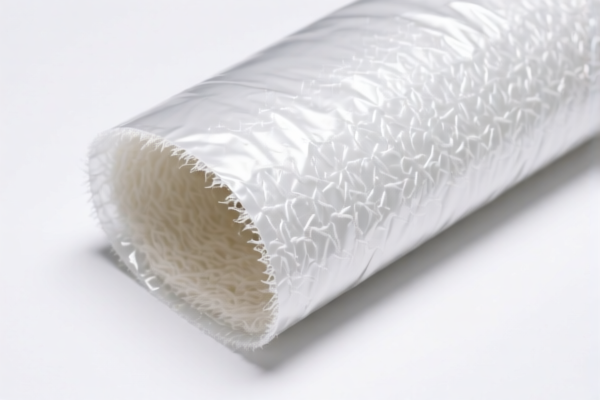
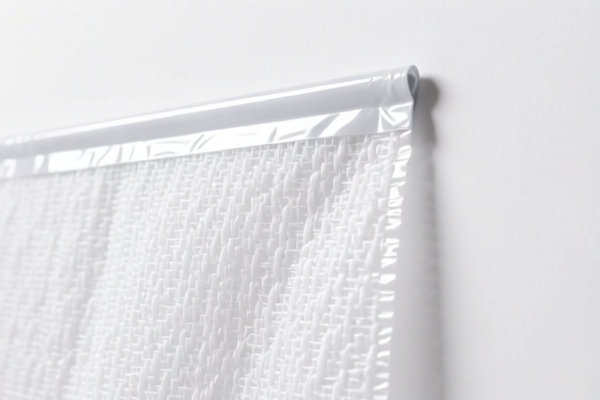
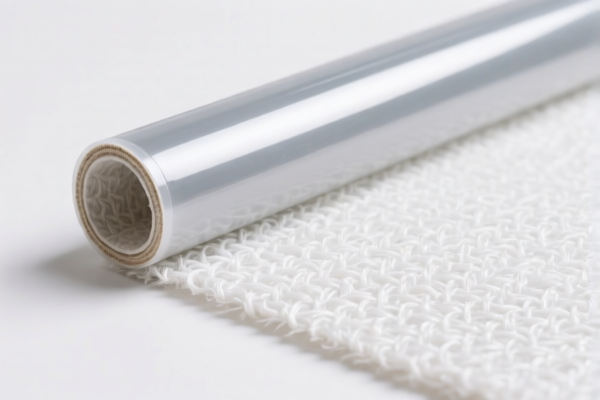
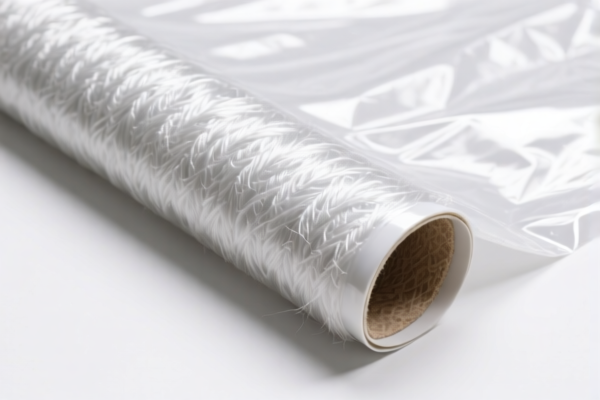
AI Analysis
🏠 PVC Wall Cloth (Synthetic Fiber Base)
🌐 HS Code Reference & Customs Clearance Guide | 2026 Latest Tariff Analysis | Professional Entry Strategy 📌 I. Product Definition & Classification: Do You Understand "Wall Cloth"?
PVC Wall Cloth (Synthetic Fiber Base) is a decorative building material widely used in interior design. It consists of a textile base (specifically man-made/synthetic fibers) coated or impregnated with Polyvinyl Chloride (PVC) plastic.
In international trade, the classification depends heavily on the composition ratio and the primary function: * Textile-Based (Chapter 59): If the textile base provides the essential character, it is often classified under heading 5903 (Textile fabrics impregnated, coated, covered or laminated with plastics). * Plastic-Based (Chapter 39): If the plastic content is significantly higher or the product is primarily viewed as a sheet of plastic combined with fabric, it may fall under 3921 (Plates, sheets, film, foil and strip, of plastics). * Finished Goods (Chapter 63): If it is a specific finished article like a wallpaper roll, it might fall under 6307.
⚠️ Key Distinction Point: - If the fabric base is the structural core and PVC is a coating/lamination → Chapter 59 (5903.10.20.x). - If it is a composite sheet where plastic is the dominant material or it's a generic plastic sheet with fabric backing → Chapter 39 (3921.12.x). - If it is marketed specifically as a finished decorative wall covering (not just raw material) → Chapter 63 (6307.90.85).
📦 II. HS Code Classification Details (2026 Latest Tariff Authority Comparison)
Based on the provided data, here are the five possible HS Codes for PVC Wall Cloth with a Synthetic Fiber Base:
| HS Code | Product Description | Scenario / Characteristics | Primary Basis |
|---|---|---|---|
5903.10.20.10 |
PVC & Synthetic Fiber Fabric | Fabric impregnated/coated with PVC; synthetic fiber base | ✅ Textile-First (Chapter 59) |
5903.10.20.90 |
PVC & Synthetic Fiber Wall Cloth | Specific wall cloth type; impregnated/coated nature | ✅ Textile-First (Chapter 59) |
3921.12.11.00 |
PVC + Textile Composite | High plastic content; synthetic fiber >50% (implied) | ✅ Plastic-First (Chapter 39) |
3921.12.15.00 |
Polymer + Textile Composite | Polymer (PVC) combined with textile; synthetic base | ✅ Plastic-First (Chapter 39) |
6307.90.85.00 |
Finished Wall Decoration | Synthetic fiber made; specific decorative wall article | ✅ Finished Good (Chapter 63) |
🔍 Critical Reminder: - Misclassification Risk: Declaring a high-plastic composite as "Wall Cloth" (6307) when it meets the criteria for "Plastic Sheets" (3921) can lead to lower duty rates but higher scrutiny on content. - Reverse Risk: Declaring a plastic-heavy sheet as "Fabric" (5903) to avoid higher taxes is risky if the plastic content exceeds the threshold for textile classification. - The "122 Clause" Factor: All codes above include a 10% "122-Clause" Tariff on top of other duties, significantly impacting the total cost for Chinese-origin goods.
💰 III. 2026 Latest Tariff Rate Breakdown (Including Additional Taxes, Policy Surcharges)
✅ Applicable Country: United States (US) ✅ Country of Origin: China (CN) ✅ Effective Date: 2025/2026 (Current Trade Environment)
🎯 1. 5903.10.20.10 & 5903.10.20.90 —— Textile-Based PVC Coated Fabrics/Cloths
Best for: Traditional PVC wallpapers where the fabric texture is the primary feature.
| Item | Content |
|---|---|
| Base Tariff (MFN) | 0.0% (Ad Valorem) |
| Section 301 Additional Duty | +25.0% |
| Section 122 Clause Duty | +10.0% |
| Total Effective Rate | 35.0% |
| Tax Calculation | CIF Value × 35% |
| De Minimis Exemption | ❌ Not Eligible (deny_de_minimis) |
| Legal Path | HTS:5903.10.20 → 301:8524.11.10 (Footnote) → 122:Section122 |
📌 Explanation: - The base duty is 0%, which is attractive. - However, the 25% Section 301 tariff (Trump/Biden era trade war tax) and 10% Section 122 tariff (administrative/customs enforcement surcharge) stack up. - Total: 35%. This is a High-Tax category due to the additive nature of the surcharges.
🎯 2. 3921.12.11.00 & 3921.12.15.00 —— Plastic-Textile Composites
Best for: Industrial PVC sheets with fabric backing, or high-plastic content wall coverings.
| Item | Content |
|---|---|
| Base Tariff (MFN) | 4.2% - 6.5% (Varies by sub-item) |
| Section 301 Additional Duty | +25.0% |
| Section 122 Clause Duty | +10.0% |
| Total Effective Rate | 39.2% - 41.5% |
| Tax Calculation | CIF Value × Total Rate |
| De Minimis Exemption | ❌ Not Eligible (deny_de_minimis) |
| Legal Path | HTS:3921.12 → 301:8524.11.10 (Footnote) → 122:Section122 |
📌 Explanation: - 3921.12.11.00: Base 4.2% + 25% + 10% = 39.2% - 3921.12.15.00: Base 6.5% + 25% + 10% = 41.5% - These codes have higher base rates than Chapter 59, making the total tax burden even higher. Avoid if possible unless the product structure strictly mandates this classification.
🎯 3. 6307.90.85.00 —— Finished Wall Decoration Articles
Best for: Retail-ready wallpaper rolls marketed specifically as "Wall Coverings" or "Wallpaper".
| Item | Content |
|---|---|
| Base Tariff (MFN) | 5.8% |
| Section 301 Additional Duty | +7.5% |
| Section 122 Clause Duty | +10.0% |
| Total Effective Rate | 23.3% |
| Tax Calculation | CIF Value × 23.3% |
| De Minimis Exemption | ❌ Not Eligible (deny_de_minimis) |
| Legal Path | HTS:6307.90 → 301:8524.11.10 (Footnote - Note: Lower 301 rate may apply to certain consumer goods depending on specific exclusions or updates, reflected here as 7.5%) |
📌 Explanation: - Crucial Advantage: This code has the lowest total tax rate (23.3%). - The Section 301 duty is only 7.5% (compared to 25% for others), likely due to consumer good classifications or specific exclusions. - Strategic Tip: If your product can be legitimately described as a finished wall decoration article (not just a material sheet), this is the most cost-effective classification.
🛠️ IV. Customs Clearance Practical Advice (Battle-Tested Pitfall Guide)
✅ 1. Required Documentation Checklist (Non-Negotiable)
| Document | Mandatory? | Description |
|---|---|---|
| ✅ Product Specification Sheet | ✔️ | Must detail: Base material (Synthetic Fiber %), PVC Coating %, Weight, Dimensions. |
| ✅ Composition Breakdown | ✔️ | Exact percentage of PVC vs. Textile. Critical for choosing between Ch 59, 39, or 63. |
| ✅ Product Photos | ✔️ | Clear images of the cross-section (showing fabric layer + PVC layer) and finished roll. |
| ✅ Commercial Invoice | ✔️ | Description must match HS Code. Use terms like "PVC Wall Cloth" or "Wallpaper". |
| ✅ Packing List | ✔️ | Net/Gross weight, number of rolls/bales. |
| ✅ Origin Certificate | ✔️ | To prove Chinese origin (triggers the 25%/7.5% 301 duties). |
✅ 2. Declaration Strategy (Key Mantras)
🔥 "Describe the End-Use, Not Just the Material!"
| Situation | Correct Declaration | Incorrect Declaration |
|---|---|---|
| Finished Wallpaper Rolls | "Decorative Wall Cloth, PVC-Coated Synthetic Fiber, for Wall Covering" → 6307.90.85.00 (23.3%) | "PVC Sheet with Fabric Backing" → 3921.12.11.00 (39.2%) |
| Raw Material for Further Processing | "Textile Fabric Impregnated with PVC, Synthetic Base" → 5903.10.20.10 (35.0%) | "Wallpaper" (if not finished) → Risk of Rejection |
| High-Plastic Composite Sheet | "Plastic Sheet Laminated with Textile" → 3921.12.15.00 (41.5%) | "Fabric" → Misclassification Penalty |
📌 Key Insight: - If you can prove it is a finished consumer good ready for hanging, fight for 6307.90.85.00. - The 7.5% difference in total tax (23.3% vs 35%+) is significant for high-volume imports.
✅ 3. Special Scenarios & Handling
| Scenario | Handling Advice |
|---|---|
| Mixed Shipments | If a shipment contains both "Wallpaper Rolls" (6307) and "PVC Sheets" (3921), separate them on the invoice. Do not mix. |
| Customs Scrutiny on 5903/3921 | Be prepared to provide a lab test report confirming the textile base provides the essential character. |
| Section 122 Clause | The 10% surcharge is automatic for Chinese goods under this category. No waiver available. Factor this into pricing. |
| De Minimis (800 USD) | ❌ Do Not Attempt. PVC Wall Cloth is explicitly denied de minimis treatment. All packages, regardless of value, are subject to duties. |
🌍 V. Global Market Comparison (2026 Latest)
| Country/Region | Recommended HS Code | Total Duty Rate | Key Certification | Notes |
|---|---|---|---|---|
| 🇺🇸 USA | 6307.90.85.00 |
23.3% | None usually required | Lowest US Rate |
| 🇺🇸 USA | 5903.10.20.10 |
35.0% | None | Higher tax, textile focus |
| 🇺🇸 USA | 3921.12.11.00 |
39.2% | None | Avoid if possible |
| 🇪🇺 EU | 5903.10.20 |
~6-10% | REACH (Chemicals) | No Section 301 equivalent |
| 🇨🇳 China | 5903.10.20 |
0% (Export) | - | Zero export duty |
| 🇬🇧 UK | 5903.10.20 |
~6-10% | UKCA | Post-Brexit rules apply |
📌 Conclusion: - USA is the most expensive market due to Section 301 + Section 122 tariffs. - Ch 63 (6307.90.85.00) is the optimal path for US imports if the product qualifies as a finished wall decoration. - Ch 59 is the middle ground. - Ch 39 is the most expensive due to high base rates.
📌 VI. Common Mistakes & Pitfall Guide (Lessons Learned)
❌ Mistake 1: Declaring "Wall Cloth" as "Textile Fabric" (5903) when it is a finished wallpaper. 👉 Consequence: You pay 35% instead of 23.3%. Loss of Profit!
❌ Mistake 2: Declaring "PVC Sheet" (3921) when it is a decorative wall covering. 👉 Consequence: You pay 39-41% instead of 23.3%. Severe Cost Increase!
❌ Mistake 3: Ignoring the Section 122 10% Surcharge. 👉 Consequence: Underpricing goods leads to cash flow issues at customs. Budget for 10% extra.
❌ Mistake 4: Assuming small packages qualify for De Minimis ($800). 👉 Consequence: Confiscation or Penalty. PVC Wall Cloth is explicitly excluded. All imports taxed.
✅ Correct Practice:
"Decorative PVC Wall Cloth, Synthetic Fiber Base, Finished Roll, for Interior Wall Decoration"
🎯 VII. Conclusion: Professional Declaration, Cost Savings!
🎯 Remember the Golden Rule:
🔹 "Finished Wallpaper = 6307 (23.3%) - WIN!" 🔹 "Raw Material Fabric = 5903 (35.0%) - OK" 🔹 "Plastic Sheet Composite = 3921 (41.5%) - LOSE!"
🔹 "Section 122 adds 10% to ALL. Never forget." 🔹 "No De Minimis. Tax every single package."
📌 Pro Tip:
If your product can be argued as a finished decorative article (Chapter 63), provide marketing materials, packaging images, and end-use statements to support the 6307.90.85.00 classification. This can save you ~12-18% in total duty compared to other codes.
📣 Immediate Action:
📞 Consult your customs broker to evaluate if your PVC Wall Cloth qualifies as "Finished Wall Decoration". 🚀 Optimize HS Code, Optimize Profit!
✨ Professional Customs Clearance Starts with Precise Classification! 💼 Every percentage point saved is pure profit!
Customer Reviews
About HS Code Classification
The Harmonized System (HS) is an internationally standardized nomenclature developed by the World Customs Organization (WCO) to classify traded products. Over 200 countries use the HS system as the basis for customs tariffs, trade statistics, and import/export regulations.
Each HS code follows a hierarchical structure:
- Chapter (2 digits) — Broad category of goods (e.g., Chapter 84: Machinery and Mechanical Appliances)
- Heading (4 digits) — More specific grouping within the chapter
- Subheading (6 digits) — Internationally standardized breakdown, used by all WCO member countries
- National subdivisions (8-10 digits) — Country-specific extensions for further classification, such as US HTSUS 10-digit codes
Correct HS code classification is essential for smooth customs clearance, accurate duty payment, and compliance with trade regulations. Misclassification can lead to customs delays, overpayment of duties, or penalties.
When importing from CN to US, the applicable tariff rates may include:
- Most-Favored-Nation (MFN) rate — The standard duty rate applied to WTO members
- General rate — Applied to countries without trade agreements
- Trade remedy duties — Additional tariffs such as Section 301 (anti-dumping), Section 232 (national security), or countervailing duties
The information provided on this page is for reference purposes only. For official classification, please consult with your local customs authority or a licensed customs broker.