PVC Wall Covering Film
CN → US| HS Code | Tariff Rate | Origin | Destination | Doc |
|---|---|---|---|---|
| 3921125000 | 41.5% | CN | US | Official Doc |
| 3921121950 | 40.3% | CN | US | Official Doc |
| 3919905060 | 40.8% | CN | US | Official Doc |
| 3919905040 | 40.8% | CN | US | Official Doc |
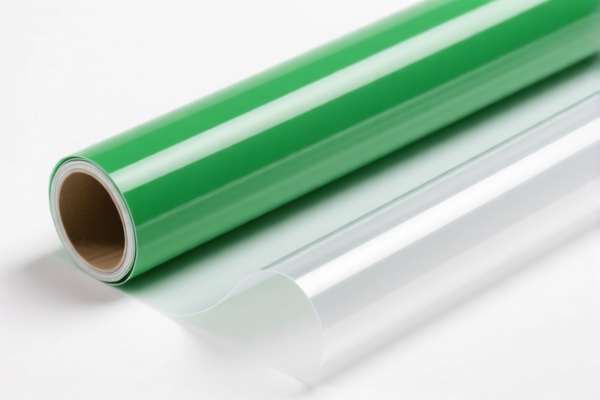
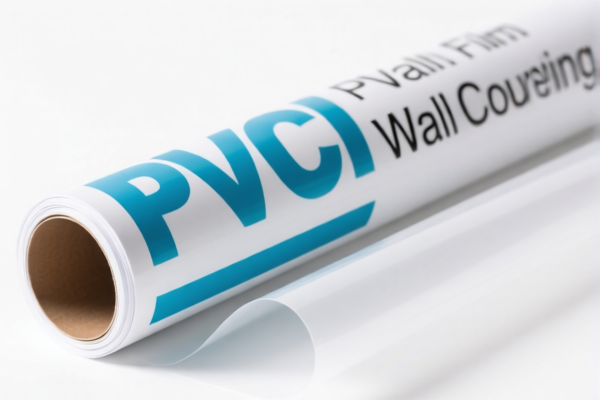
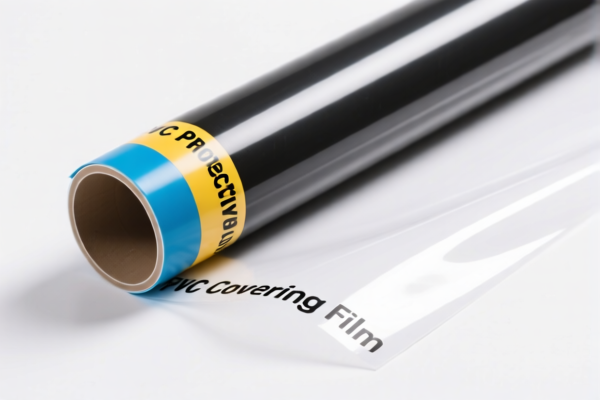
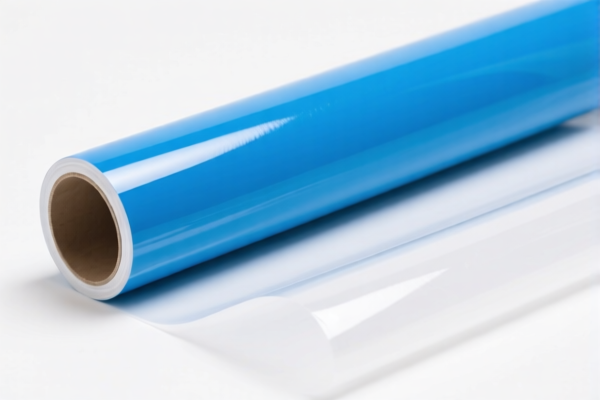
Product Images
AI Analysis
🧱 PVC Wall Covering Film (Marble Texture Adhesive)
🌐 HS Code Reference & Customs Clearance Guide | 2024 Latest Tariff Analysis | Professional Entry Strategy
📌 I. Product Definition & Classification: Do You Really Understand "PVC Wall Coverings"?
PVC Wall Covering Films, specifically those with a marble texture and self-adhesive backing, are versatile interior decoration materials. In international trade, they are primarily classified based on two key characteristics:
1. Material Composition: Polyvinyl Chloride (PVC) or other plastics.
2. Physical Form: Whether they are self-adhesive strips/films (Chapter 3919) or non-adhesive films/sheets (Chapter 3921).
⚠️ Critical Distinction Point:
- If the product is self-adhesive (has glue on one side, ready to stick to walls) → It falls under HS 3919 (Self-adhesive plates, sheets, film, foil, strip, and other flat shapes).
- If the product is non-adhesive (needs separate glue or paste for application) → It falls under HS 3921 (Other plates, sheets, film, foil, and strip, of plastics).
- Marble Texture is a surface finish/decoration and does not change the fundamental classification; it remains a plastic product.
📦 II. HS Code Classification Details (Latest Tariff Authority Comparison)
Based on the provided data, here are the four most relevant HS Codes for PVC Wall Covering Films, categorized by their specific physical and adhesive properties.
| HS Code | Product Description | Key Characteristics | Total Tax Rate (US Import from China)* |
|---|---|---|---|
3921.12.19.50 |
PVC Marble Texture Wall Sticker, PVC Material, Film/Sheet Form | Non-adhesive or generic film/sheet; Polyvinyl Chloride | 40.3% |
3919.90.50.60 |
PVC Marble Texture Wall Sticker, Plastic Material, Self-Adhesive Flat Shape | Self-Adhesive; Flat shape, plastic | 40.8% |
3921.12.50.00 |
PVC Marble Texture Wall Sticker, Vinyl Polymer Material, Film/Sheet Product | Non-adhesive; Vinyl Polymer specific | 41.5% |
3919.90.50.40 |
PVC Marble Texture Wall Sticker, Plastic Material, Flat Self-Adhesive Tape/Film | Self-Adhesive; Tape or film format | 40.8% |
🔍 Key Reminder:
- The Self-Adhesive variants (3919...) generally fall under 40.8% total tax.
- The Non-Adhesive/Film variants (3921...) range from 40.3% to 41.5% depending on the specific polymer definition and subheading precision.
- Note: All these codes attract high additional tariffs due to US-China trade tensions.
💰 III. 2024 Latest Tariff Rate Breakdown (Including Surtaxes & Policy Add-ons)
✅ Applicable Country: United States (US)
✅ Origin: China (CN)
✅ Effective Time: Ongoing (Section 301 & IEEPA provisions)
🎯 1. General Tariff Structure for PVC Wall Coverings
All four HS codes listed above share a similar tariff structure due to the "Section 301" and "Section 122" (if applicable in specific contexts, though data suggests 10%) add-ons.
| Component | Rate | Description |
|---|---|---|
| Base Tariff | 5.3% - 6.5% | Standard MFN (Most Favored Nation) duty for plastic articles. Varies by specific subheading. |
| Section 301 Surcharge | 25.0% | Additional tariff on Chinese imports under US Trade Law Section 301. |
| 122 Clause / IEEPA Surcharge | 10.0% | Additional tariff specified in the data (often related to specific executive orders or emergency powers). |
| Total Effective Tax Rate | 40.3% - 41.5% | Sum of all applicable taxes. |
📌 Explanation:
- The Base Tariff is relatively low (5-6.5%) for basic plastic films.
- However, the 25% Section 301 tariff significantly impacts profitability. This is the dominant cost driver.
- The 10% additional tariff (referenced as "122条款关税" in the data) further increases the burden.
- Total Cost Impact: For every $100 of CIF value, expect to pay $40.30 - $41.50 in duties alone.
🎯 Specific Breakdown by HS Code
Option A: Self-Adhesive Films (HS 3919)
- Codes:
3919.90.50.60&3919.90.50.40 - Base Rate: 5.8%
- Surtaxes: +25% (Sec 301) + 10% (122/IEEPA)
- Total: 40.8%
- Legal Path:
USITC:3919.90.50.xx→Footnote: 9903.88.01(Section 301) →IEEPA:9903.01.25(10% surcharge).
Option B: Non-Adhesive PVC Films/Sheets (HS 3921)
- Codes:
3921.12.19.50&3921.12.50.00 - Base Rates: 5.3% (
3921.12.19.50) & 6.5% (3921.12.50.00) - Surtaxes: +25% (Sec 301) + 10% (122/IEEPA)
- Totals: 40.3% & 41.5% respectively.
- Legal Path:
USITC:3921.12.xx→Footnote: 9903.88.01→IEEPA:9903.01.25.
📌 Note on "De Minimis":
- ❌ NOT Eligible: These goods cannot use the $800 de minimis exemption (Section 321) if they are subject to Section 301 tariffs. Even small shipments may face scrutiny and full duty assessment if declared incorrectly to avoid tariffs.
🛠️ IV. Customs Clearance Practical Advice (Real-World Pitfall Avoidance)
✅ 1. Documentation Checklist (Missing Documents Cause Delays)
| Document | Required | Notes |
|---|---|---|
| Product Specification Sheet | ✅ | Must clearly state: "PVC", "Self-Adhesive" OR "Non-Adhesive", "Marble Texture", "For Wall Decoration". |
| Photos | ✅ | Show the back (adhesive side if applicable) and the front (marble texture). |
| Commercial Invoice | ✅ | Must match the HS Code exactly. Do not use vague terms like "Wall Paper"; use "PVC Vinyl Wall Film". |
| Packing List | ✅ | Weight and dimensions must be accurate. |
| Country of Origin Certificate | ✅ | Confirm China origin. |
| Section 301 Exclusion Letter | ❌ | Currently, most PVC films do not have active exclusions. Verify current USTR exclusion lists before claiming exemption. |
✅ 2. Classification Strategy (Key Tips)
🔥 “Know Your Adhesive: Self-Stick is 3919, Stick-on Glue is 3921!”
| Scenario | Correct HS Code | Risk if Wrong |
|---|---|---|
| Peel-and-Stick Backing | 3919.90.50.xx (40.8%) |
If declared as 3921 (40.3-41.5%), minor difference, but customs may question material form. |
| Needs Separate Glue | 3921.12.xx (40.3-41.5%) |
If declared as 3919, it’s a misclassification of form. |
| Mixed Packaging (Rolls + Glue) | Declare Roll as 3919/3921, Glue Separately | Do not bundle glue into the PVC film value if possible, to simplify classification. |
| Non-PVC Plastic (e.g., PET) | Different HS Code | Ensure material is truly PVC. If PET, HS code changes, potentially affecting tariff rate (though still likely high). |
✅ 3. Special Handling for "Marble Texture"
- Not a Separate Classification: The "marble" appearance is cosmetic. It does not qualify for a different HS code (like "Natural Stone" or "Ceramic"). It remains Plastic.
- Avoid "Stone" Keywords: Do not use "Stone Wall Tile" in your invoice. This will trigger inspections for ceramics/stone, leading to delays and potential reclassification. Use "Synthetic PVC Film with Marble Finish".
✅ 4. Cost Optimization Strategy
- Check for Exclusions: Although unlikely for standard PVC films, check the USTR Section 301 Exclusion List regularly. Some specific PVC products have been excluded in the past.
- Supply Chain Diversification: If possible, consider sourcing from non-China countries (e.g., Vietnam, Thailand) to potentially avoid the 25% Section 301 tariff. (Tariff for non-China origin may be 0-6.5%).
- Consolidated Shipping: For LCL (Less than Container Load), ensure accurate volume measurement to avoid overweight penalties.
🌍 V. Global Market Comparison (2024 Latest)
| Country/Region | Recommended HS Code | Base Tariff | Additional Tariffs | Total Estimated Cost |
|---|---|---|---|---|
| 🇺🇸 USA | 3919.90.50.xx or 3921.12.xx |
5.3-6.5% | +25% (Sec 301) + 10% | ~40-41.5% |
| 🇨🇳 China | 3919.90.90.xx |
~5-6% | None | ~5-6% |
| 🇪🇺 EU | 3919.90.00.xx |
0-6.5% | None | 0-6.5% |
| 🇬🇧 UK | 3919.90.00.xx |
0-6.5% | None | 0-6.5% |
| 🇯🇵 Japan | 3919.90.90.xx |
3-5% | None | 3-5% |
📌 Conclusion:
- The US market is the most expensive for Chinese PVC wall coverings due to punitive tariffs.
- EU/UK/Japan offer much better tariff advantages.
- Strategy: If selling to the US, ensure your profit margin covers the ~40% duty. Consider pricing strategies or exploring alternative materials/markets.
📌 VI. Common Mistakes & Pitfalls (Lessons Learned)
❌ Mistake 1: Declaring "Wall Sticker" without specifying "PVC" or "Plastic".
👉 Consequence: Customs may classify under a different, higher-tax category (e.g., textile or paper) or demand clarification, causing delays.
❌ Mistake 2: Claiming "De Minimis" ($800) for Section 301 goods.
👉 Consequence: CBP has cracked down on this. Your shipment may be seized, fined, or forced to pay full duties + storage fees.
❌ Mistake 3: Using "Marble Tile" in the description.
👉 Consequence: Triggers inspection for ceramic/stone standards (e.g., ANSI standards), which you don’t meet. Result: Rejection or reclassification.
✅ Correct Description Example:
"Self-Adhesive PVC Vinyl Wall Film, Marble Texture, 30cm x 10m Roll, For Interior Wall Decoration, Made in China."
🎯 VII. Conclusion: Professional Classification for Cost Efficiency
🎯 Remember the Key Takeaways:
🔹 "Adhesive = 3919, Non-Adhesive = 3921."
🔹 "PVC + China + US = ~40% Total Duty."
🔹 "No De Minimis for Section 301 Goods."
🔹 "Describe as Plastic Film, Not Stone Tile."
📌 Pro Tip:
If your shipment value is high, consider applying for a Binding Ruling from US CBP to confirm the correct HS Code and tariff liability before shipping. This provides legal certainty and protects against future audits.
📣 Immediate Action:
📞 Consult with a licensed US Customs Broker.
📄 Prepare precise product specifications highlighting "PVC" and "Self-Adhesive" status.
🚀 Avoid Costly Delays by Getting the HS Code Right from Day One!
✨ Precision in Classification Saves Money in Clearance!
💼 Your Profit Margin Depends on Accurate Tariff Management!
Customer Reviews
About HS Code Classification
The Harmonized System (HS) is an internationally standardized nomenclature developed by the World Customs Organization (WCO) to classify traded products. Over 200 countries use the HS system as the basis for customs tariffs, trade statistics, and import/export regulations.
Each HS code follows a hierarchical structure:
- Chapter (2 digits) — Broad category of goods (e.g., Chapter 84: Machinery and Mechanical Appliances)
- Heading (4 digits) — More specific grouping within the chapter
- Subheading (6 digits) — Internationally standardized breakdown, used by all WCO member countries
- National subdivisions (8-10 digits) — Country-specific extensions for further classification, such as US HTSUS 10-digit codes
Correct HS code classification is essential for smooth customs clearance, accurate duty payment, and compliance with trade regulations. Misclassification can lead to customs delays, overpayment of duties, or penalties.
When importing from CN to US, the applicable tariff rates may include:
- Most-Favored-Nation (MFN) rate — The standard duty rate applied to WTO members
- General rate — Applied to countries without trade agreements
- Trade remedy duties — Additional tariffs such as Section 301 (anti-dumping), Section 232 (national security), or countervailing duties
The information provided on this page is for reference purposes only. For official classification, please consult with your local customs authority or a licensed customs broker.