PVC Wall Coverings
CN → US| HS Code | Tariff Rate | Origin | Destination | Doc |
|---|---|---|---|---|
| 5903102090 | 35.0% | CN | US | Official Doc |
| 5903102010 | 35.0% | CN | US | Official Doc |
| 3919905060 | 40.8% | CN | US | Official Doc |
| 3919905040 | 40.8% | CN | US | Official Doc |
| 4811596000 | 35.0% | CN | US | Official Doc |
Product Images
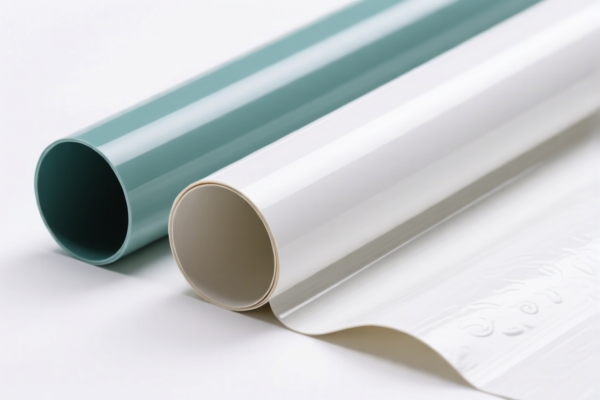
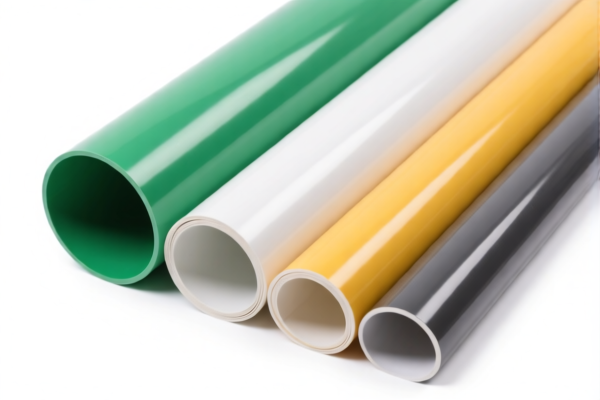
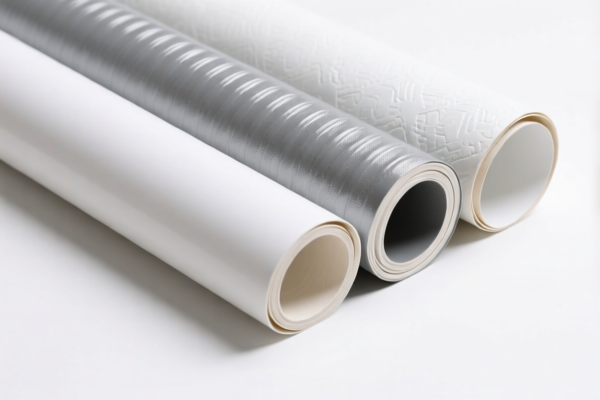
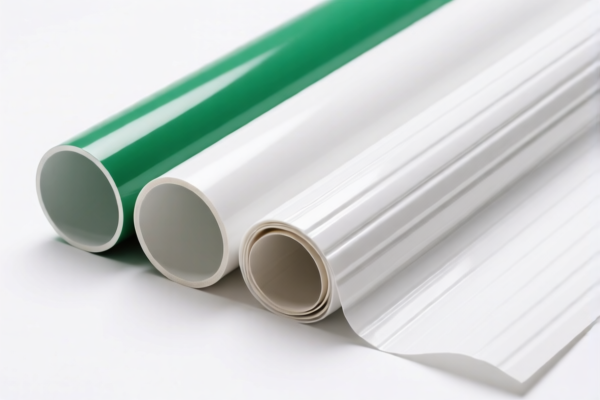
AI Analysis
🧱 PVC Wall Coverings (PVC Wallpaper Films)
🌐 HS Code Reference & Customs Clearance Guide | 2026 Latest Tariff Analysis | Strategic Entry Strategies
📌 1. Product Definition & Classification: What is "PVC Wall Covering"?
PVC Wall Coverings, commonly referred to as PVC wallpaper films, are decorative and protective materials used for interior wall finishing. In international trade, their classification hinges on two critical factors: 1. Substrate/Base Material: Is it primarily Textile (fabric-backed) or Plastic/Paper (plastic-coated or plastic-film based)? 2. Physical Form & Adhesiveness: Is it a loose film, a self-adhesive sheet, or a roll of wallpaper?
⚠️ Key Distinction Point: - If the product is a textile fabric impregnated, coated, or covered with PVC → It falls under Chapter 59. - If the product is a plastic film (even if adhesive) or a paper base coated with plastic → It falls under Chapter 39 or Chapter 48. - The weight percentage of plastic and the presence of adhesive are decisive for Chapter 39 classifications.
📦 2. HS Code Classification Details (2026 Latest Tariff Authority)
Based on the provided data, here is the detailed breakdown for PVC Wall Coverings:
| HS Code | Product Description | Key Characteristics | Tax Rate (Total) |
|---|---|---|---|
5903.10.20.90 |
Textile-based PVC Wall Covering Material: PVC (Polyvinyl Chloride) Form: Film/Membrane |
Classified as impregnated, coated, or covered textile fabrics. The base is textile, and PVC is applied to it. | 35.0% |
5903.10.20.10 |
PVC Wallpaper/Membrane (Textile-Base Variant) Material: PVC Form: Film/Wallpaper |
Specific sub-category for PVC wallpaper films. Also treated as textile-based impregnated goods. | 35.0% |
3919.90.50.60 |
Self-Adhesive PVC Plastic Film Material: Plastic Form: Film |
Classified as self-adhesive plastic plates, sheets, film, foil, strip, and tape. High plastic content (>70% weight) is typical. | 40.8% |
3919.90.50.40 |
Self-Adhesive Plastic Film Material: Plastic Form: Film |
Meets the characteristics of self-adhesive plastic sheets/films. Focuses on the adhesive property and plastic composition. | 40.8% |
4811.59.60.00 |
Plastic-Coated Paper/Cardboard Wallpaper Material: Plastic-coated Form: Sheet/Roll |
Classified as paper or paperboard coated, covered, impregnated, or laminated with plastics. Follows the logic of plastic-coated cellulose base. | 35.0% |
🔍 Important Note: - Chapter 59 (5903.10.20.90/10) is for Textile bases. - Chapter 39 (3919.90.50.60/40) is for Pure Plastic bases with adhesive. - Chapter 48 (4811.59.60.00) is for Paper bases coated with plastic. - The tax rate difference is driven by the Base Tariff: Textile/Paper coatings often have 0% base tariff, while Plastic films have a 5.8% base tariff.
💰 3. 2026 Latest Tariff Rate Breakdown (Including Surcharges & Policy Add-ons)
✅ Applicable Country: United States (US)
✅ Origin: China (CN)
✅ Effective Date: 2025/2026 Period
🎯 1. 5903.10.20.90 & 5903.10.20.10 —— Textile-Based PVC Wall Coverings
| Item | Details |
|---|---|
| Base Tariff | 0.0% |
| Section 301 Surcharge | +25.0% (25% additional duty on Chinese goods) |
| Section 122 Tariff | +10.0% (Specific surcharge for certain Chinese imports) |
| Total Tax Rate | 35.0% |
| Calculation | CIF Value × 35% |
| De Minimis Exemption | ❌ Not Eligible |
| Legal Basis Path | USITC:5903.10.20.90 → Section 301: Footnote 9903.88.01 → Section 122 |
📌 Explanation: - These codes benefit from a 0% base tariff because they are classified under textile/plastic-coated fabric chapters where general duty may be reduced. - However, the 25% Section 301 tariff and 10% Section 122 tariff apply, totaling 35%. - This is often the most competitive classification if the product is indeed textile-backed.
🎯 2. 3919.90.50.60 & 3919.90.50.40 —— Self-Adhesive Plastic Films
| Item | Details |
|---|---|
| Base Tariff | 5.8% |
| Section 301 Surcharge | +25.0% |
| Section 122 Tariff | +10.0% |
| Total Tax Rate | 40.8% |
| Calculation | CIF Value × 40.8% |
| De Minimis Exemption | ❌ Not Eligible |
| Legal Basis Path | USITC:3919.90.50.60 → Section 301 → Section 122 |
📌 Explanation: - The base tariff is 5.8% because plastic films (Chapter 39) generally carry a standard import duty. - Add the 25% Section 301 and 10% Section 122, resulting in a higher total of 40.8%. - Risk: Misclassifying a plastic-based film as a textile-based one (Chapter 59) can lead to class evasion penalties.
🎯 3. 4811.59.60.00 —— Plastic-Coated Paper Wallpaper
| Item | Details |
|---|---|
| Base Tariff | 0.0% |
| Section 301 Surcharge | +25.0% |
| Section 122 Tariff | +10.0% |
| Total Tax Rate | 35.0% |
| Calculation | CIF Value × 35.0% |
| De Minimis Exemption | ❌ Not Eligible |
| Legal Basis Path | USITC:4811.59.60.00 → Section 301 → Section 122 |
📌 Explanation: - Similar to Chapter 59, paper-based coatings often have a 0% base tariff. - The total rate is 35.0%, same as the textile-based options. - Ensure the substrate is indeed paper/cellulose, not fabric or pure plastic.
🛠️ 4. Customs Clearance Practical Advice (Pitfall Avoidance Guide)
✅ 1. Documentation Checklist (Essential for Smooth Clearance)
| Document | Required? | Purpose |
|---|---|---|
| ✅ Product Specification Sheet | ✔️ | Must detail: Substrate (Textile/Paper/Plastic), PVC weight %, Adhesive type, Thickness, Roll Dimensions. |
| ✅ Material Composition Statement | ✔️ | Crucial for distinguishing Chapter 59 (Textile) vs. Chapter 39 (Plastic) vs. Chapter 48 (Paper). |
| ✅ Product Photos (Labeled) | ✔️ | Show texture, backing, and adhesive side if self-adhesive. |
| ✅ Commercial Invoice | ✔️ | Clearly state "PVC Wall Covering" or "Wallpaper," specify HS Code, and declare CIF value. |
| ✅ Packing List | ✔️ | Include gross/net weight to support weight-based classification arguments (e.g., >70% plastic). |
| ✅ Certificate of Origin (CO) | ✔️ | Required for Section 301 and 122 tariff applications. |
✅ 2. Classification Strategy (Key Tips)
🔥 “Identify the Base, Check the Adhesive, Declare the Right Chapter!”
| Scenario | Correct Classification | Risk if Wrong |
|---|---|---|
| Fabric Backing + PVC Coating | 5903.10.20.90 or 5903.10.20.10 |
Misclassifying as Plastic (39) → Higher Tax (40.8%) + Compliance Risk |
| Self-Adhesive Pure Plastic Film | 3919.90.50.60 or 3919.90.50.40 |
Misclassifying as Textile (59) → Class Evasion (Severe Penalties) |
| Paper Base + PVC Coating | 4811.59.60.00 |
Misclassifying as Plastic (39) → Overpayment (40.8% vs 35%) |
| Mixed Material (Unclear Base) | Provide Test Reports | Ambiguity → Customs Hold for Examination |
✅ 3. Special Cases & Handling
| Situation | Recommendation |
|---|---|
| OEM Custom Designs | Provide design files to prove the substrate type. If printed on fabric, use Chapter 59. |
| Self-Adhesive vs. Paste-Required | Self-adhesive (pressure-sensitive) strongly points to Chapter 39. Paste-required may still be Chapter 39 or 48 depending on backing. |
| Plastic Weight >70% | If the product is plastic-dominated, customs will likely assign Chapter 39. Do not try to force Chapter 59 without textile evidence. |
| Small Samples (De Minimis) | ❌ Not Applicable: Section 301 and 122 tariffs do not allow de minimis exemption for Chinese-origin goods under $800. All shipments are subject to tax. |
🌍 5. Global Market Comparison (2026 Latest)
| Country/Region | Recommended HS Code | Total Tax Rate (China Origin) | Key Requirements | Notes |
|---|---|---|---|---|
| 🇺🇸 USA | 5903.10.20.90 / 3919.90.50.60 / 4811.59.60.00 |
35.0% - 40.8% | Section 301 + 122 Tariffs Apply | Highest cost market due to multiple surcharges. |
| 🇨🇳 China | Varies by import | Low (0-5%) | CCC (if applicable) | No Section 301/122. |
| 🇪🇺 EU | 3919.10 / 5903.10 |
0-6.5% | CE, REACH Compliance | No retaliatory tariffs. Easier clearance. |
| 🇬🇧 UK | Varies | 0-6.5% | UKCA Mark | Post-Brexit rules similar to EU. |
| 🇦🇺 Australia | Varies | 5% | RCM (if electrical components) | No special tariffs. |
📌 Conclusion: - The USA is the most challenging market due to Section 301 (25%) and Section 122 (10%) tariffs. - Classify accurately to avoid underpayment (penalties) or overpayment (lost profit). - For US exports, Chapter 59 and 48 codes (35%) are cheaper than Chapter 39 (40.8%). Opt for textile or paper-based backing if possible.
📌 6. Common Errors & Pitfall Guide (Lessons Learned)
❌ Error 1: Claiming "Wallpaper" is always Chapter 48.
👉 Reality: If it's plastic-based self-adhesive, it’s Chapter 39. If fabric-backed, it’s Chapter 59.
👉 Consequence: Misclassification → Audit Risk.
❌ Error 2: Ignoring the "Adhesive" factor.
👉 Reality: Self-adhesive films are almost always 3919.90. Non-adhesive films may be different.
👉 Consequence: Wrong HS Code → Delay in Customs Release.
❌ Error 3: Assuming "De Minimis" applies.
👉 Reality: Section 301 and 122 tariffs exclude de minimis for Chinese goods.
👉 Consequence: Shippers expect tax-free small packages but face surprise duties.
❌ Error 4: Mixing up Base Tariff vs. Total Tariff.
👉 Reality: 5.8% base + 25% + 10% = 40.8%. Do not quote 5.8%.
👉 Consequence: Underquoting prices → Customer Dissatisfaction & Payment Issues.
✅ Correct Practice:
“PVC Wall Covering, Fabric-Backed, Impregnated with PVC, Roll Form” →
5903.10.20.90(35%)
“Self-Adhesive PVC Film, Plastic Base, Pressure-Sensitive” →3919.90.50.60(40.8%)
🎯 7. Conclusion: Precise Classification, Cost Optimization!
🎯 Remember the Mantra:
🔹 “Base Material First: Textile/Paper = 35%, Pure Plastic = 40.8%.”
🔹 “Adhesive Means Chapter 39: Self-Adhesive Films Are Costly.”
🔹 “No De Minimis for China: Every Box Pays Tax!”
📌 Pro Tip:
- If your PVC wall covering is fabric-backed, always use 5903.10.20.90 to save 5.8% compared to plastic-based codes.
- For US-bound shipments, ensure your commercial invoice explicitly states the material composition to support your HS Code choice.
- Consider Advance Rulings with US Customs (CBP) if you have mixed-material products.
📣 Immediate Action:
📞 Consult with a Customs Broker + Provide Material Specs + Apply for CBP Advance Ruling if uncertain.
🚀 Clear Your PVC Wall Coverings Efficiently, Minimize Duties, and Maximize Profit!
✨ Professional Clearance Starts with Accurate Classification!
💼 Your Bottom Line Depends on the HS Code!
Customer Reviews
About HS Code Classification
The Harmonized System (HS) is an internationally standardized nomenclature developed by the World Customs Organization (WCO) to classify traded products. Over 200 countries use the HS system as the basis for customs tariffs, trade statistics, and import/export regulations.
Each HS code follows a hierarchical structure:
- Chapter (2 digits) — Broad category of goods (e.g., Chapter 84: Machinery and Mechanical Appliances)
- Heading (4 digits) — More specific grouping within the chapter
- Subheading (6 digits) — Internationally standardized breakdown, used by all WCO member countries
- National subdivisions (8-10 digits) — Country-specific extensions for further classification, such as US HTSUS 10-digit codes
Correct HS code classification is essential for smooth customs clearance, accurate duty payment, and compliance with trade regulations. Misclassification can lead to customs delays, overpayment of duties, or penalties.
When importing from CN to US, the applicable tariff rates may include:
- Most-Favored-Nation (MFN) rate — The standard duty rate applied to WTO members
- General rate — Applied to countries without trade agreements
- Trade remedy duties — Additional tariffs such as Section 301 (anti-dumping), Section 232 (national security), or countervailing duties
The information provided on this page is for reference purposes only. For official classification, please consult with your local customs authority or a licensed customs broker.