PVC Wall Easy Clean Panel
CN → US| HS Code | Tariff Rate | Origin | Destination | Doc |
|---|---|---|---|---|
| 3925900000 | 40.3% | CN | US | Official Doc |
| 3925200091 | 22.8% | CN | US | Official Doc |
| 3919905060 | 40.8% | CN | US | Official Doc |
| 3919102055 | 40.8% | CN | US | Official Doc |
| 3920435000 | 39.2% | CN | US | Official Doc |
Product Images
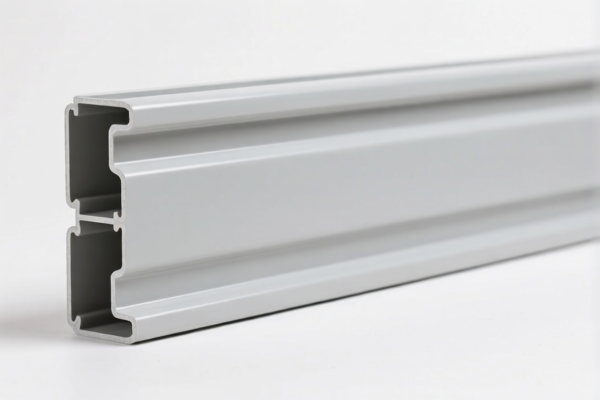
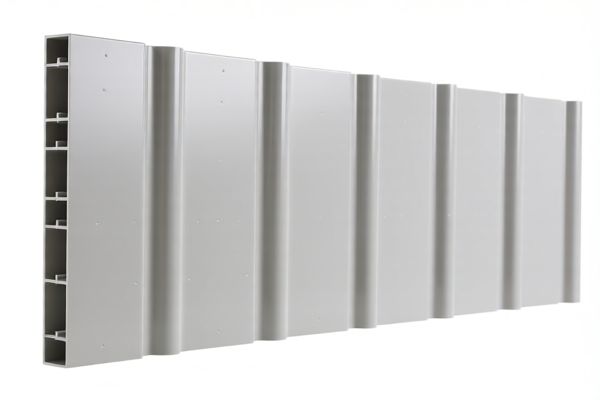
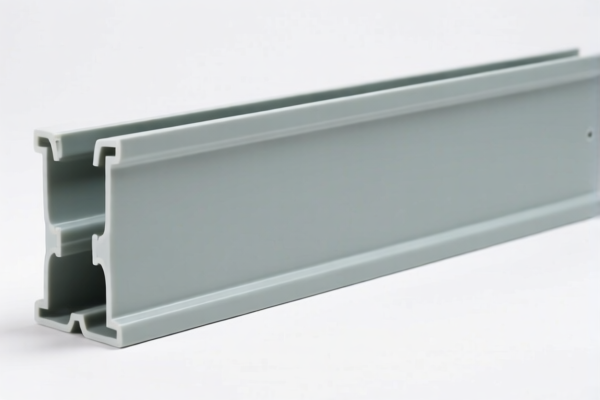
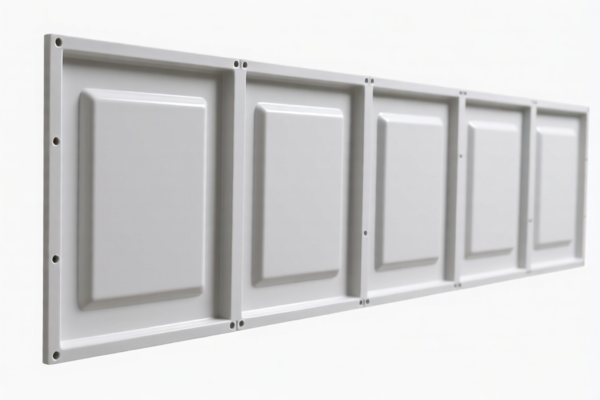
AI Analysis
🧱 PVC Wall Easy Clean Panel (Vinyl Wall Cladding)
🌐 HS Code Reference & Customs Clearance Guide | 2026 Latest Tariff Analysis | Professional Strategy for US Import
📌 I. Product Definition & Classification: What Exactly Is It?
The PVC Wall Easy Clean Panel is a decorative and protective building material used for interior wall finishes. It is valued for its durability, moisture resistance, and ease of maintenance ("easy clean"). In international trade, its classification depends heavily on its physical form, installation method (self-adhesive vs. rigid board), and intended use.
⚠️ Critical Distinction:
- If it is a rigid board/panel meant to be screwed or glued onto structural walls → It falls under Chapter 39.25 (Building Goods).
- If it is a flexible sheet, film, or self-adhesive tape → It falls under Chapter 39.19 (Self-adhesive plates) or 39.20 (Other plates/sheets).
- Misclassification leads to significant duty differences and customs delays!
📦 II. HS Code Classification Details (2026 Authorized Match)
Based on the provided data, here are the five potential HS Codes for "PVC Wall Easy Clean Panels," categorized by their specific physical characteristics and usage scenarios.
| HS Code | Product Description | Key Characteristics | Application Scenario |
|---|---|---|---|
3925.90.00.00 |
PVC Wall Panel (Unspecified Plastic Building Component) | Rigid board, general building component, not elsewhere specified. | Heavy-duty wall cladding, outdoor/indoor rigid siding. |
3925.20.00.91 |
PVC Decorative Panel (Plastic Building Component) | Rigid board, specifically for decoration/architectural use. | Interior decorative wall panels, kitchen/bathroom backsplashes. |
3919.90.50.60 |
Self-Adhesive PVC Sheet/Panel | Flexible or semi-rigid, self-adhesive backing, wall decoration. | DIY wall coverings, peel-and-stick wallpaper alternatives. |
3919.10.20.55 |
Plastic Flat Product (Other) | Flat shape, generic plastic film/sheet for wall decoration. | Thin PVC sheets, generic flat plastic decorative layers. |
3920.43.50.00 |
Non-Reinforced PVC Plate/Sheet | Non-laminated, non-reinforced rigid or semi-rigid sheet. | Standard PVC wall panels, plain decorative sheets. |
🔍 Key Insight:
- Rigid Structural Panels (3925.xxxx) are typically for permanent installation.
- Self-Adhesive/Flexible Panels (3919.xxxx,3920.xxxx) are for surface covering/decoration.
- Duty Impact: Rigid panels (3925) generally attract lower base tariffs but vary by specific subtype. Self-adhesive items (3919) often carry higher base rates.
💰 III. 2026 Latest Tariff Rate Breakdown (Including Surcharges)
✅ Applicable Country: United States (US)
✅ Origin: China (CN)
✅ Effective Date: Current 2026 tariffs apply (including Section 301 & 122 clauses)
🎯 1. 3925.90.00.00 – Unspecified Plastic Building Components
| Item | Detail |
|---|---|
| Base Tariff | 5.3% |
| Section 301 Surcharge | +25.0% |
| Section 122 Surcharge | +10.0% |
| Total Effective Rate | 40.3% |
| Calculation | CIF Value × 40.3% |
| De Minimis Eligibility | ❌ No (Below $800 threshold does NOT apply for Chinese origin goods under Section 301/122 in many cases, or strictly scrutinized). |
| Legal Basis | Base Tariff → USITC Footnote 301 (25%) → IEEPA (10%) |
📌 Explanation:
- This code is for general rigid plastic building parts.
- The 40.3% total tax is high. The 25% is the standard Section 301 duty on many plastics from China. The 10% is an additional surcharge (Section 122 or similar emergency powers).
- Risk: High. Ensure the product is truly a "building component" and not a "decorative film" which might be classified differently.
🎯 2. 3925.20.00.91 – Plastic Decorative Building Components
| Item | Detail |
|---|---|
| Base Tariff | 5.3% |
| Section 301 Surcharge | +7.5% |
| Section 122 Surcharge | +10.0% |
| Total Effective Rate | 22.8% |
| Calculation | CIF Value × 22.8% |
| De Minimis Eligibility | ❌ No |
| Legal Basis | Base Tariff → USITC Footnote 301 (7.5%) → IEEPA (10%) |
📌 Explanation:
- Best Option for Rigid Panels: If your product is a rigid decorative board, this is the most cost-effective HS Code.
- The Section 301 rate is significantly lower (7.5% vs. 25%) because it is specifically categorized as a "decorative" building component.
- Requirement: Must be clearly defined as a "building component" for decoration, not a generic plastic sheet.
🎯 3. 3919.90.50.60 – Self-Adhesive PVC Sheets/Panels
| Item | Detail |
|---|---|
| Base Tariff | 5.8% |
| Section 301 Surcharge | +25.0% |
| Section 122 Surcharge | +10.0% |
| Total Effective Rate | 40.8% |
| Calculation | CIF Value × 40.8% |
| De Minimis Eligibility | ❌ No |
| Legal Basis | Base Tariff → USITC Footnote 301 (25%) → IEEPA (10%) |
📌 Explanation:
- For peel-and-stick wall panels.
- Highest Base Rate (5.8%) + Standard 301 (25%) + 122 (10%) = 40.8%.
- Avoid this code unless the product is definitively self-adhesive and cannot be classified as a building component.
🎯 4. 3919.10.20.55 – Other Plastic Flat Products
| Item | Detail |
|---|---|
| Base Tariff | 5.8% |
| Section 301 Surcharge | +25.0% |
| Section 122 Surcharge | +10.0% |
| Total Effective Rate | 40.8% |
| Calculation | CIF Value × 40.8% |
| De Minimis Eligibility | ❌ No |
| Legal Basis | Base Tariff → USITC Footnote 301 (25%) → IEEPA (10%) |
📌 Explanation:
- Similar to3919.90, this is a "catch-all" for flat plastic products.
- 40.8% total duty. Not recommended for rigid wall panels. Use only if the product is a generic flat plastic sheet with no specific building function.
🎯 5. 3920.43.50.00 – Non-Reinforced PVC Plates/Sheets
| Item | Detail |
|---|---|
| Base Tariff | 4.2% |
| Section 301 Surcharge | +25.0% |
| Section 122 Surcharge | +10.0% |
| Total Effective Rate | 39.2% |
| Calculation | CIF Value × 39.2% |
| De Minimis Eligibility | ❌ No |
| Legal Basis | Base Tariff → USITC Footnote 301 (25%) → IEEPA (10%) |
📌 Explanation:
- For non-laminated, non-reinforced PVC sheets.
- 39.2% total duty. Lower base rate (4.2%) saves ~1.1% compared to other self-adhesive codes, but still much higher than3925.20.00.91(22.8%).
- Use only if the product is a simple sheet and not a complex building component.
🛠️ IV. Customs Clearance Practical Advice (Real-World Pitfall Guide)
✅ 1. Documentation Checklist (Must-Have)
| Document | Required | Notes |
|---|---|---|
| ✅ Product Specification Sheet | ✔️ | Must detail: Material (100% PVC or composite), Thickness, Rigid vs. Flexible, Installation Method. |
| ✅ Product Photos | ✔️ | Show cross-section (if rigid), adhesive backing (if self-adhesive), and finished wall installation. |
| ✅ Commercial Invoice | ✔️ | Description must match HS Code: e.g., "Rigid PVC Decorative Wall Panel" for 3925.20.00.91. |
| ✅ Bill of Lading / Air Waybill | ✔️ | Standard shipping docs. |
| ✅ Origin Certificate | ✔️ | Required for US Customs. |
| ✅ FCC/CE/RoHS Certs | ⚠️ | While not always mandatory for import, some buyers/warehouses require them. |
📌 Pro Tip:
- For3925.20.00.91: Explicitly state "Rigid Decorative Building Component" in the invoice.
- For3919.xxxx: Explicitly state "Self-Adhesive PVC Sheet" or "Peel-and-Stick Wall Covering".
- Do NOT mix descriptions. If it’s rigid, don’t call it a "sheet" if you want the lower duty.
✅ 2. Declaration Strategy (Key Mnemonic)
🔥 "Rigid Decorative = 22.8% | Flexible/Adhesive = 40%+ | Be Precise!"
| Scenario | Recommended HS Code | Total Duty | Why? |
|---|---|---|---|
| Rigid Board (screwed/glued to wall) | 3925.20.00.91 |
22.8% | Best rate for rigid decorative PVC. |
| Rigid Board (general building part) | 3925.90.00.00 |
40.3% | Higher duty, avoid if possible. |
| Self-Adhesive Roll/Sheet | 3919.90.50.60 |
40.8% | High base + 301 + 122. |
| Non-Reinforced PVC Sheet | 3920.43.50.00 |
39.2% | Lower base, but still high total. |
| Generic Flat Plastic Product | 3919.10.20.55 |
40.8% | Worst option for wall panels. |
✅ 3. Special Cases & Warnings
| Situation | Handling Advice |
|---|---|
| Composite Panels (PVC + Foam + Aluminum) | May fall under Chapter 76 or 3925. Requires detailed material breakdown. Do NOT declare as pure PVC. |
| Pre-Installed Panels (with clips/frames) | If frames are plastic, they may be included. If metal, different code. |
| Samples for Testing | Even samples from China are subject to 301/122 duties if value exceeds de minimis (usually $800, but scrutiny is high). |
| Transshipment | Do NOT transship through Vietnam/Malaysia to evade duties. US Customs checks for substantial transformation. PVC panels are easily traceable to China. |
🌍 V. Global Market Comparison (2026 Latest)
| Country/Region | Recommended HS Code | Estimated Duty (China Origin) | Notes |
|---|---|---|---|
| 🇺🇸 USA | 3925.20.00.91 |
22.8% (Best) | High scrutiny on PVC. 301/122 apply. |
| 🇨🇳 China | 3925.20.00.91 |
5.0% | Export duties? Check latest export tariff. |
| 🇪🇺 EU | 3925.20.00 |
~5-6% | No Section 301/122. Ecolabel may be required. |
| 🇬🇧 UK | 3925.20.00 |
~5-6% | Post-Brexit rules apply. |
| 🇦🇺 Australia | 3925.20.00 |
~5% | GST applies on top. |
📌 Conclusion:
- USA is the most expensive market due to Section 301 and 122 tariffs.
- Choosing3925.20.00.91is critical to save ~17-18% in duty compared to other PVC codes.
- Ensure your product is rigid and decorative to qualify for this favorable rate.
📌 VI. Common Mistakes & Pitfalls (Blood Lessons)
❌ Mistake 1: Declaring rigid wall panels as "Plastic Sheets" (3920 or 3919)
👉 Consequence: Duty jumps from 22.8% to 40.8% → Extra cost of ~18%.
❌ Mistake 2: Using vague descriptions like "Home Decor Item"
👉 Consequence: Customs may reclassify it to the highest duty code or request further documentation → Delays.
❌ Mistake 3: Ignoring the "Self-Adhesive" feature
👉 Consequence: If it has adhesive, but you declare it as "Rigid Panel," customs may reject it. Must be honest about product nature.
✅ Correct Action:
"Rigid PVC Decorative Wall Panel, 10mm Thick, Matte Finish, for Interior Wall Cladding, Model XYZ"
→ HS Code:3925.20.00.91
→ Duty: 22.8%
🎯 VII. Conclusion: Precision Classification Saves Money!
🎯 Remember the Mantra:
🔹 "Rigid Decorative = 22.8% | Flexible/Adhesive = 40%+ | Describe Exactly!"
🔹 "HS Code decides duty. A 18% difference is huge profit!"
📌 Pro Tip:
If you are unsure about the rigidity or adhesive nature of your product, send physical samples to a US customs broker for a Pre-Ruling. The cost of a pre-ruling is far less than the risk of paying 40.8% instead of 22.8%.
📣 Immediate Action:
📞 Consult with a licensed US customs broker.
📸 Provide clear photos of the product’s cross-section and installation method.
🚀 Optimize your supply chain by choosing the correct HS Code from the start!
✨ Professional customs clearance begins with accurate classification!
💼 Every percentage point of duty saved is pure profit!
Customer Reviews
About HS Code Classification
The Harmonized System (HS) is an internationally standardized nomenclature developed by the World Customs Organization (WCO) to classify traded products. Over 200 countries use the HS system as the basis for customs tariffs, trade statistics, and import/export regulations.
Each HS code follows a hierarchical structure:
- Chapter (2 digits) — Broad category of goods (e.g., Chapter 84: Machinery and Mechanical Appliances)
- Heading (4 digits) — More specific grouping within the chapter
- Subheading (6 digits) — Internationally standardized breakdown, used by all WCO member countries
- National subdivisions (8-10 digits) — Country-specific extensions for further classification, such as US HTSUS 10-digit codes
Correct HS code classification is essential for smooth customs clearance, accurate duty payment, and compliance with trade regulations. Misclassification can lead to customs delays, overpayment of duties, or penalties.
When importing from CN to US, the applicable tariff rates may include:
- Most-Favored-Nation (MFN) rate — The standard duty rate applied to WTO members
- General rate — Applied to countries without trade agreements
- Trade remedy duties — Additional tariffs such as Section 301 (anti-dumping), Section 232 (national security), or countervailing duties
The information provided on this page is for reference purposes only. For official classification, please consult with your local customs authority or a licensed customs broker.