PVC Wall Film
CN → US| HS Code | Tariff Rate | Origin | Destination | Doc |
|---|---|---|---|---|
| 3920435000 | 39.2% | CN | US | Official Doc |
| 3919905040 | 40.8% | CN | US | Official Doc |
| 3920490000 | 40.8% | CN | US | Official Doc |
| 3919905060 | 40.8% | CN | US | Official Doc |
| 3921125000 | 41.5% | CN | US | Official Doc |
Product Images
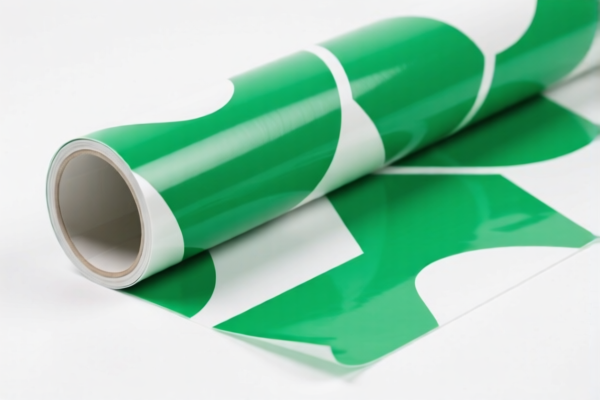
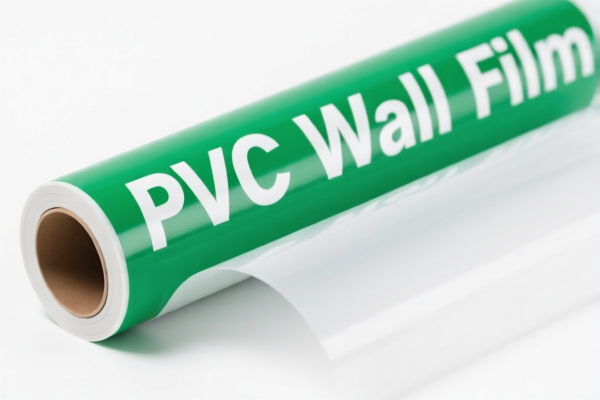
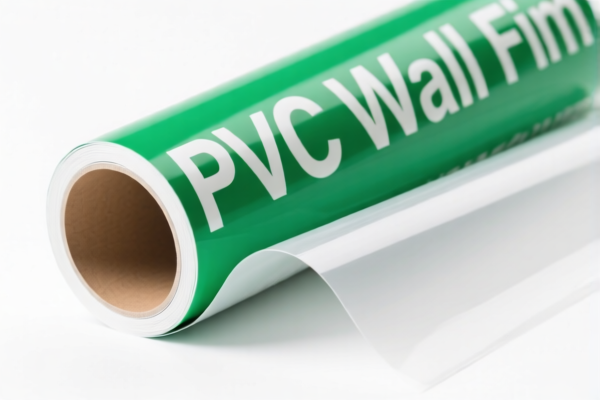
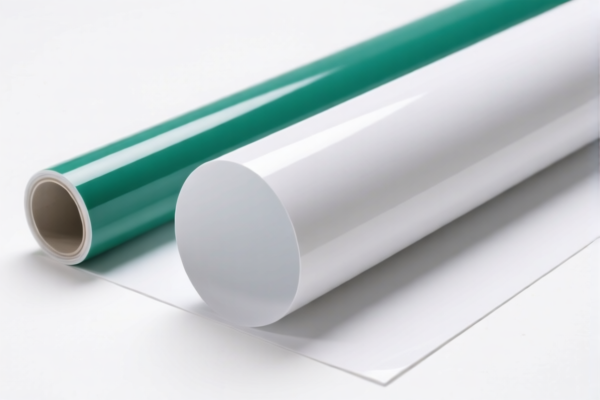
AI Analysis
🎨 PVC Wall Film (Decorative Vinyl Film)
🌐 HS Code Reference & Customs Clearance Guide | 2024/2025 Latest Tariff Analysis | Professional Clearance Strategy
📌 I. Product Definition & Classification: What is "PVC Wall Film"?
PVC Wall Film (also known as Self-Adhesive Vinyl Film, Decorative Wrap, or Peel-and-Stick Wallpaper) is a thin plastic sheet made primarily from Polyvinyl Chloride (PVC). It is widely used for interior decoration, furniture covering, and surface protection.
In international trade, its classification depends heavily on its form (is it rolled/flexible like a tape/film, or is it a specific manufactured sheet?) and its self-adhesive property.
⚠️ Key Distinction:
- If it is a self-adhesive tape or roll intended for simple sticking → Often falls under Chapter 3919.
- If it is a non-adhesive or specifically formulated sheet/film for wrapping → Often falls under Chapter 3920 (Other plates, sheets, film, foil, and strip).
- Note: The data provided below highlights the critical impact of "Section 301/122" tariffs on these specific HS Codes.
📦 II. HS Code Classification Details (Based on Provided Data)
| HS Code | Product Description | Applicable Scenario | Tax Rate (Total) | Tax Detail Breakdown |
|---|---|---|---|---|
3920.43.50.00 |
PVC Material, Film Form, Plastic Product | PVC films, plates, sheets (not self-adhesive, or specific plastic category) | 39.2% | Base: 4.2% + Section 301/122: 25.0% + Section 122: 10.0% |
3919.90.50.40 |
PVC Material, Film Form, Transparent Tape Category | Self-adhesive PVC films/tapes (e.g., clear packing tapes, some decorative wraps classified as tapes) | 40.8% | Base: 5.8% + Section 301/122: 25.0% + Section 122: 10.0% |
3920.49.00.00 |
Vinyl Polymer, Film Form, Other Vinyl Categories | Other PVC/Vinyl films not specified elsewhere (generic vinyl sheeting) | 40.8% | Base: 5.8% + Section 301/122: 25.0% + Section 122: 10.0% |
3919.90.50.60 |
PVC Material, Film Form, Plastic Self-Adhesive/Flat Shape | Self-adhesive plastic products (flat, not in rolls of <15cm usually, or specific adhesive types) | 40.8% | Base: 5.8% + Section 301/122: 25.0% + Section 122: 10.0% |
3921.12.50.00 |
PVC Material, Film Form, Chlorinated Vinyl Polymer Films | Specific vinyl polymer films, often used for packaging or specialized wrapping | 41.5% | Base: 6.5% + Section 301/122: 25.0% + Section 122: 10.0% |
🔍 Key Insight:
- The Base Tariff varies slightly (4.2% - 6.5%) depending on whether the HS code is classified under "Plates/Sheets/Film" (3920/3921) or "Self-Adhesive" (3919). - However, the Additional Tariffs are consistent: 25% (likely Section 301) + 10% (Section 122 specific to certain plastics/polymers) = 35% in additional duties. - This results in a high total effective tariff rate of ~39-42%.
💰 III. 2024/2025 Latest Tariff Rate Breakdown (Including Surcharges)
✅ Applicable Country: United States (US)
✅ Origin: China (CN)
✅ Applicable Section: Section 301 (Trade Act of 1974) & Section 122 (USTR Specific Exclusions/Inclusions)
🎯 1. 3920.43.50.00 — PVC Film (Plastic Product)
| Item | Content |
|---|---|
| Base Tariff | 4.2% |
| Section 301 Surcharge | +25.0% |
| Section 122 Surcharge | +10.0% |
| Total Tariff Rate | 39.2% |
| Calculation Basis | CIF Value × 39.2% |
| De Minimis Exemption | ❌ Not Applicable (High tariff items are typically excluded from 80321 waivers or have limited exemptions) |
| Legal Path | HTS:3920.43.50.00 → USTR:301 → USTR:122 |
📌 Explanation:
- This code is often used for non-adhesive PVC decorative films or specific rigid/flexible sheets. - The 39.2% rate makes cost calculation critical for profitability.
🎯 2. 3919.90.50.40 & 3919.90.50.60 — Self-Adhesive PVC Products
| Item | Content |
|---|---|
| Base Tariff | 5.8% |
| Section 301 Surcharge | +25.0% |
| Section 122 Surcharge | +10.0% |
| Total Tariff Rate | 40.8% |
| Calculation Basis | CIF Value × 40.8% |
| De Minimis Exemption | ❌ Not Applicable |
| Legal Path | HTS:3919.90.50.x0 → USTR:301 → USTR:122 |
📌 Explanation:
- These codes apply to self-adhesive PVC films (e.g., peel-and-stick wallpapers, tape-like films). - The classification as "self-adhesive" pushes it into Chapter 3919, which has a slightly higher base rate (5.8% vs 4.2%) but similar surcharges.
🎯 3. 3921.12.50.00 — Chlorinated Vinyl Polymer Films
| Item | Content |
|---|---|
| Base Tariff | 6.5% |
| Section 301 Surcharge | +25.0% |
| Section 122 Surcharge | +10.0% |
| Total Tariff Rate | 41.5% |
| Calculation Basis | CIF Value × 41.5% |
| De Minimis Exemption | ❌ Not Applicable |
| Legal Path | HTS:3921.12.50.00 → USTR:301 → USTR:122 |
📌 Explanation:
- This is the highest tariff option. Use this only if the product is strictly defined as a "chlorinated vinyl polymer film" under specific technical definitions. - Avoid if a lower-tariff 3920 or 3919 code fits the physical description better.
🛠️ IV. Customs Clearance Practical Advice (Avoiding Pitfalls)
✅ 1. Preparation Checklist (Mandatory Documents)
| Document | Required? | Description |
|---|---|---|
| ✅ Product Specification Sheet | ✔️ | Must clearly state: Material (PVC), Thickness, Width, Length, Adhesive Type (Self-adhesive vs. Static), Application (Wall Decoration). |
| ✅ Product Photos | ✔️ | Clear images of the roll, the adhesive side, and the texture/pattern. Show the backing paper if removable. |
| ✅ Commercial Invoice | ✔️ | Description must match HS Code: e.g., "PVC Decorative Self-Adhesive Wall Film, No Wood Content, For Interior Use." |
| ✅ Packing List | ✔️ | Net weight, Gross weight, Number of rolls. |
| ✅ Certificate of Origin | ✔️ | If claiming any possible exemptions (rare for China origin in this sector). |
✅ 2. Classification Strategy (Key Tips)
🔥 “Adhesive vs. Non-Adhesive is King!”
| Scenario | Correct HS Code | Risk |
|---|---|---|
| Peel-and-Stick Wall Film (Backed with pressure-sensitive adhesive) | 3919.90.50.40 or 3919.90.50.60 |
If misclassified as 3920 (non-adhesive), customs may reclassify and audit. |
| Static Cling or Non-Adhesive PVC Sheet | 3920.43.50.00 or 3920.49.00.00 |
Ensure no adhesive residue is present on the surface. |
| PVC Film with Wood/Vinyl Composite | Check if it exceeds 50% PVC by weight. If not, it might be 4823 (Paper) or 4601 (Wicker). |
Misclassification leads to major duty hikes. |
📌 Important Note:
- Many "Wall Films" are Self-Adhesive. Do NOT classify them as3920(Non-adhesive) if they have glue. This is a common customs violation. - If the film is transparent and used for simple covering,3919.90.50.40(Transparent Tape Category) might be argued, but3919.90.50.60(Plastic Self-Adhesive) is safer for decorative patterns.
✅ 3. Special Handling for Section 122 & 301
- Section 301 (25%): Applies to almost all PVC plastic products from China. There are very few exemptions for decorative films. Assume 25% is mandatory.
- Section 122 (10%): This specific surcharge often applies to certain plastic articles. It is highly likely to apply to PVC films. Do not budget for lower rates.
- De Minimis (Section 321): While $800 shipments often bypass duties, high-duty items may still be scrutinized. However, if the total duty is calculated, it is still payable. Many carriers will still assess duty on these HS codes for small packages to avoid compliance risks.
🌍 V. Global Market Comparison (2024/2025)
| Country/Region | Recommended HS Code | Estimated Duty | Certification | Note |
|---|---|---|---|---|
| 🇺🇸 USA | 3919.90.50.40 / 3920.43.50.00 |
39.2% - 41.5% | No special certs usually | High tariffs due to Section 301/122. |
| 🇨🇳 China | 3919.90.50 / 3920.43 |
~4-6% | CCC (if applicable) | Low export duty, but high import duty back to US. |
| 🇪🇺 EU | 3919.90 / 3920.43 |
~6.5% | REACH Compliance | No Section 301 equivalent. REACH (chemicals) is key. |
| 🇬🇧 UK | 3919.90 / 3920.43 |
~6.5% | UKCA + REACH | Post-Brexit rules align closely with EU but separate certification. |
| 🇨🇦 Canada | 3919.90 / 3920.43 |
~5-6% | None | NAFTA/USMCA does not apply to China origin. |
📌 Conclusion:
- The USA is the most expensive market for PVC Wall Films due to the additional 35% surcharge. - EU and UK are more cost-effective, but REACH compliance (chemical safety) is strictly enforced. Ensure your PVC is phthalate-free if selling in EU.
📌 VI. Common Errors & Pitfalls (Lessons Learned)
❌ Error 1: Classifying Self-Adhesive film as Non-Adhesive (3920)
👉 Consequence: Customs reclassifies to 3919, adds missing duties, and issues penalties.
👉 Fix: Check for adhesive backing. If yes, use 3919.
❌ Error 2: Ignoring Section 122 in duty calculation
👉 Consequence: Underpaying by 10% on every shipment.
👉 Fix: Always add the 10% surcharge for PVC films from China to the US.
❌ Error 3: Mislabeling as "Paper Wallpaper" (4823)
👉 Consequence: If it contains PVC, it is a plastic product. Misclassification leads to seizure.
👉 Fix: Clearly state "PVC Vinyl Film" in the description.
❌ Error 4: Using vague descriptions like "Decorative Material"
👉 Consequence: Customs delays, additional inspection costs.
👉 Fix: Use precise terms: "Self-Adhesive PVC Decorative Wall Film, 0.3mm Thickness, Roll Form."
✅ Correct Declaration Example:
"Self-Adhesive PVC Decorative Wall Film, Roll 1m x 10m, No Wood Content, For Interior Wall Decoration, Model XYZ, CE/REACH Compliant"
🎯 VII. Conclusion: Professional Clearance, Cost Optimization!
🎯 Key Takeaways:
🔹 "Adhesive = 3919; Non-Adhesive = 3920"
🔹 "Expect 39-42% Total Duty for US Imports from China"
🔹 "No De Minimis Exemption for High-Tariff Plastic Products"
📌 Tips: - If your product is phthalate-free, highlight it. It may help with EU/UK sales (REACH compliance). - For US Imports, calculate the landed cost including the 40% duty before pricing. - Consider third-country origin (e.g., Vietnam, Malaysia) if possible to avoid Section 301/122 tariffs, but ensure substantial transformation rules are met.
📣 Immediate Action:
📞 Contact a Customs Broker to pre-classify your specific PVC film product.
📄 Prepare Technical Data Sheets showing material composition (PVC %) and adhesive type.
💡 Request Pre-Ruling from US CBP if the volume is large, to ensure correct HS Code assignment.
✨ Professional Clearance Starts with Accurate Classification!
💼 Your Margins Depend on Precise Tariff Calculation!
Customer Reviews
About HS Code Classification
The Harmonized System (HS) is an internationally standardized nomenclature developed by the World Customs Organization (WCO) to classify traded products. Over 200 countries use the HS system as the basis for customs tariffs, trade statistics, and import/export regulations.
Each HS code follows a hierarchical structure:
- Chapter (2 digits) — Broad category of goods (e.g., Chapter 84: Machinery and Mechanical Appliances)
- Heading (4 digits) — More specific grouping within the chapter
- Subheading (6 digits) — Internationally standardized breakdown, used by all WCO member countries
- National subdivisions (8-10 digits) — Country-specific extensions for further classification, such as US HTSUS 10-digit codes
Correct HS code classification is essential for smooth customs clearance, accurate duty payment, and compliance with trade regulations. Misclassification can lead to customs delays, overpayment of duties, or penalties.
When importing from CN to US, the applicable tariff rates may include:
- Most-Favored-Nation (MFN) rate — The standard duty rate applied to WTO members
- General rate — Applied to countries without trade agreements
- Trade remedy duties — Additional tariffs such as Section 301 (anti-dumping), Section 232 (national security), or countervailing duties
The information provided on this page is for reference purposes only. For official classification, please consult with your local customs authority or a licensed customs broker.