PVC Wall Film (Textile Backed)
CN → US| HS Code | Tariff Rate | Origin | Destination | Doc |
|---|---|---|---|---|
| 3918103150 | 39.2% | CN | US | Official Doc |
| 3921121100 | 39.2% | CN | US | Official Doc |
| 5903102090 | 35.0% | CN | US | Official Doc |
| 5903102500 | 42.5% | CN | US | Official Doc |
| 3918103250 | 41.5% | CN | US | Official Doc |
Product Images
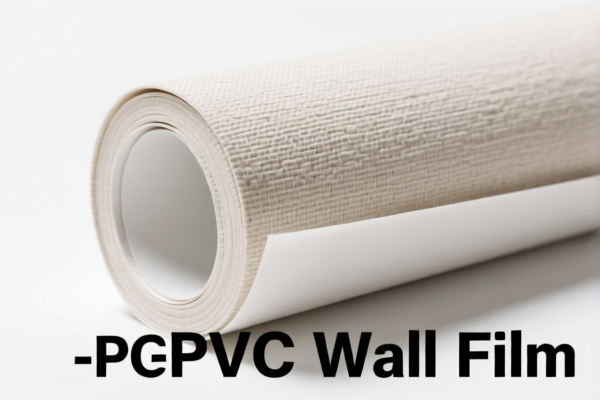
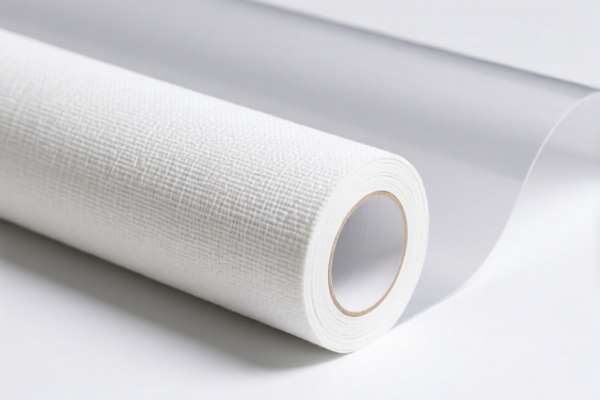
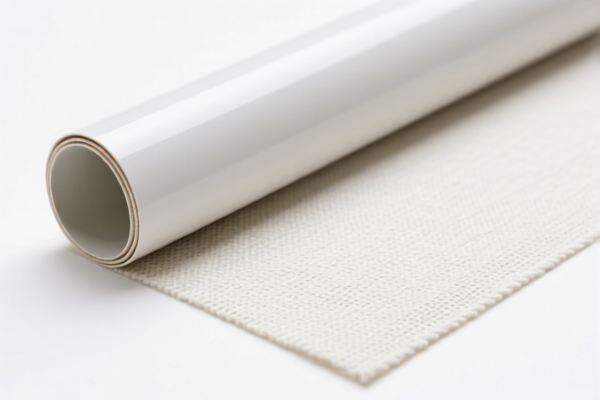
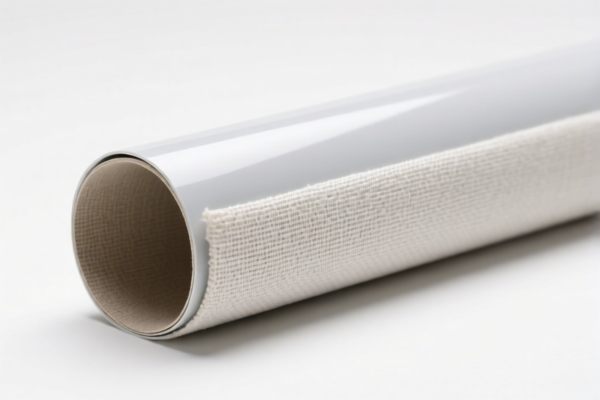
AI Analysis
🎨 PVC Wall Film (Textile Backed)
🌐 HS Code Reference & Customs Clearance Guide | 2026 Latest Tariff Analysis | Professional Clearance Strategy
📌 I. Product Definition & Classification: Do You Really Understand "PVC Wall Film"?
PVC Wall Film (Textile Backed), often referred to as "Peel-and-Stick Wallpaper" or "Self-Adhesive Wall Covering," is a decorative material widely used in interior design, commercial spaces, and residential renovations. In international trade, its classification depends heavily on its physical structure, intended use, and composition.
This product typically consists of: 1. Surface Layer: PVC (Polyvinyl Chloride) film, providing durability, water resistance, and decorative prints. 2. Backing/Substrate: Synthetic Fiber (Textile/Non-woven), providing structural integrity and adhesive surface.
⚠️ Key Distinction Point:
- If classified as a Wallcovering (decorative purpose) → It may fall under Chapter 39 (Plastics) or Chapter 59 (Textiles), depending on the specific manufacturing process and USITC interpretations. - If classified as a Textile Fabric (impregnated/coated) → It falls under Chapter 59. - Crucial Note: Despite the "Textile Backing," the dominant characteristic for US Customs purposes often hinges on whether it is primarily a "plastic film" used for covering walls or a "coated fabric." The provided data highlights this ambiguity, leading to multiple potential HS Codes with varying tax liabilities.
📦 II. HS Code Classification Details (2026 Latest Tariff Authority Comparison)
Based on the provided dataset, there are 5 potential HS Codes for PVC Wall Film (Textile Backed). The classification varies based on the specific legal interpretation of "Wall Covering" vs. "Coated Textile."
| HS Code | Product Description | Applicable Scenario | Tax Rate | Tax Detail Breakdown |
|---|---|---|---|---|
3918.10.31.50 |
PVC Plastic Wall Coverings, with Synthetic Fiber Backing | Primary Classification: Explicitly defined as "Wall Covering" made of plastics. | 39.2% | Base: 4.2% Section 301: 25.0% Section 122: 10.0% |
3921.12.11.00 |
Other Plates, Sheets, Film, Foil & Strip (Plastics), Composite Structure | Alternative 1: Classified as a composite plastic sheet/film due to the backing, not primarily as a finished wallcovering. | 39.2% | Base: 4.2% Section 301: 25.0% Section 122: 10.0% |
5903.10.20.90 |
Textile Fabrics Impregnated, Coated, Covered or Laminated with PVC | Alternative 2: Classified as a Textile fabric coated/laminated with PVC. Focuses on the "Textile Backing" aspect. | 35.0% | Base: 0.0% Section 301: 25.0% Section 122: 10.0% |
5903.10.25.00 |
Other Textile Fabrics Impregnated/Coated/Covered/Laminated with PVC | Alternative 3: Similar to above, but potentially a different subheading for specific PVC coatings or thicknesses not meeting the "20.90" criteria. | 42.5% | Base: 7.5% Section 301: 25.0% Section 122: 10.0% |
3918.10.32.50 |
PVC Plastic Wall Coverings, Other (Than 31.50) | Alternative 4: Another variant of "Wall Coverings" under Chapter 39, possibly differing in thickness or specific backing details. | 41.5% | Base: 6.5% Section 301: 25.0% Section 122: 10.0% |
🔍 Key Observation:
- Most Favorable Rate:5903.10.20.90(35.0%) has the lowest total tax rate because its base tariff is 0%. - Most Common/Risky Rates:3918.10.31.50and3921.12.11.00(39.2%) are common for "Wall Coverings," carrying a 4.2% base tariff. - Highest Risk:5903.10.25.00(42.5%) carries a higher base tariff (7.5%) and is generally less favorable.
💰 III. 2026 Latest Tariff Rate Details (Including Surcharges & Policy Add-ons)
✅ Applicable Country: United States (US)
✅ Country of Origin: China (CN)
✅ Effective Time: As per current USITC and USTR regulations (including Section 301, 122, and IEEPA provisions).
🎯 1. 5903.10.20.90 —— Textile Fabrics Coated with PVC (Lowest Cost Option)
| Item | Content |
|---|---|
| Base Tariff | 0% (Ad Valorem) |
| USITC Surcharge (Section 301) | +25% |
| Section 122 Surcharge | +10% |
| Total Rate | 35.0% |
| Tax Calculation | CIF Value × 35.0% |
| De Minimis Exemption | ❌ Not Applicable (Deny De Minimis) |
| Legal Path | HTSUS:5903.10.20.90 → Section 301 Footnote → Section 122 Statute |
📌 Explanation:
- Why 35%? The base duty for many PVC-coated textiles is 0% under normal trade relations. However, Section 301 (25%) and Section 122 (10%) are applied add-on duties for Chinese imports. - Advantage: Lowest total tax burden among all options. - Risk: Customs may challenge this classification if the product is deemed primarily a "plastic wallcovering" rather than a "textile fabric."
🎯 2. 3918.10.31.50 —— PVC Plastic Wall Coverings (Most Likely for "Wallpaper")
| Item | Content |
|---|---|
| Base Tariff | 4.2% |
| USITC Surcharge (Section 301) | +25% |
| Section 122 Surcharge | +10% |
| Total Rate | 39.2% |
| Tax Calculation | CIF Value × 39.2% |
| De Minimis Exemption | ❌ Not Applicable |
| Legal Path | HTSUS:3918.10.31.50 → Section 301 → Section 122 |
📌 Explanation:
- Why 39.2%? This is the standard rate for "Wall Coverings" made of plastics. The 4.2% base tariff adds cost. - Usage: Recommended if the product is marketed and used specifically as "Wallpaper" or "Wallcovering."
🎯 3. 3921.12.11.00 —— Composite Plastic Film
| Item | Content |
|---|---|
| Base Tariff | 4.2% |
| USITC Surcharge (Section 301) | +25% |
| Section 122 Surcharge | +10% |
| Total Rate | 39.2% |
| Tax Calculation | CIF Value × 39.2% |
| De Minimis Exemption | ❌ Not Applicable |
| Legal Path | HTSUS:3921.12.11.00 → Section 301 → Section 122 |
📌 Explanation:
- Used if the product is viewed as a "composite plastic sheet" rather than a finished wallcovering. Rate is identical to3918.
🎯 4. 3918.10.32.50 —— Other PVC Wall Coverings
| Item | Content |
|---|---|
| Base Tariff | 6.5% |
| USITC Surcharge (Section 301) | +25% |
| Section 122 Surcharge | +10% |
| Total Rate | 41.5% |
| Tax Calculation | CIF Value × 41.5% |
| De Minimis Exemption | ❌ Not Applicable |
| Legal Path | HTSUS:3918.10.32.50 → Section 301 → Section 122 |
📌 Explanation:
- A less common variant for wallcoverings, possibly for different thicknesses or backing types. Higher base tariff (6.5%) makes it more expensive than3918.10.31.50.
🎯 5. 5903.10.25.00 —— Other PVC-Coated Textiles (Highest Cost)
| Item | Content |
|---|---|
| Base Tariff | 7.5% |
| USITC Surcharge (Section 301) | +25% |
| Section 122 Surcharge | +10% |
| Total Rate | 42.5% |
| Tax Calculation | CIF Value × 42.5% |
| De Minimis Exemption | ❌ Not Applicable |
| Legal Path | HTSUS:5903.10.25.00 → Section 301 → Section 122 |
📌 Explanation:
- Avoid if possible. The highest base tariff (7.5%) results in the highest total cost (42.5%).
🛠️ IV. Customs Clearance Practical Advice (Real-World Pitfall Avoidance)
✅ 1. Preparation Checklist (Non-Negotiable)
| Document | Required | Notes |
|---|---|---|
| ✅ Product Spec Sheet | ✔️ | Must detail: PVC % weight, Synthetic Fiber backing type, thickness (mm/mils), adhesive type. |
| ✅ Composition Breakdown | ✔️ | Explicitly state % of PVC vs. Synthetic Fiber. Critical for Chapter 39 vs. Chapter 59 classification. |
| ✅ Product Photos | ✔️ | Show front (decorative PVC side) and back (textile adhesive side). |
| ✅ Intended Use Statement | ✔️ | "For wall covering/decoration only. Not for industrial flooring or packaging." |
| ✅ Commercial Invoice | ✔️ | Clearly describe as "PVC Wall Film with Synthetic Fiber Backing." Avoid vague terms like "Plastic Sheet." |
| ✅ Packing List | ✔️ | Ensure weight and dimensions match the invoice. |
✅ 2. Declaration Strategy (Key Mnemonic)
🔥 “Material Dominance, Use Specificity, Tax Optimization!”
| Scenario | Recommended HS Code | Why? |
|---|---|---|
| Lowest Tax Priority | 5903.10.20.90 |
If the textile backing is significant and the PVC is a coating, this offers the 0% base rate. |
| Standard Wallcovering | 3918.10.31.50 |
If marketed as "Wallpaper," this is the safest, most recognized code. |
| Composite Film | 3921.12.11.00 |
If the product is a flexible sheet not yet cut for walls, or if the backing is minimal. |
| Avoid | 5903.10.25.00 |
High base tariff (7.5%). Only use if other textile codes are invalid. |
✅ 3. Special Circumstances Handling
| Situation | Handling Advice |
|---|---|
| OEM/Custom Design | Provide design proofs to prove "Decorative Purpose" (supports Chapter 39). |
| Adhesive Type | If pressure-sensitive adhesive is key, emphasize "Self-Adhesive" in description, but classification remains based on material. |
| Sample vs. Bulk | Samples may be eligible for duty-free entry if properly declared, but bulk imports are subject to full tariffs. |
| Dispute with CBP | If CBP disagrees with 5903.10.20.90, be prepared to justify why it is a "textile" and not a "plastic wallcovering." Request a Pre-Ruling before shipping. |
🌍 V. Global Market Comparison (2026 Latest)
| Country/Region | Recommended HS Code | Estimated Tax (CN Origin) | Notes |
|---|---|---|---|
| 🇺🇸 USA | 5903.10.20.90 or 3918.10.31.50 |
35.0% - 39.2% | High due to Section 301 & 122. |
| 🇨🇳 China | 3918.10.31.50 |
~5-7% | No Section 301/122. |
| 🇪🇺 EU | 5903.10.20.90 |
~6.5% | No Section 301/122. Check Ecolabels. |
| 🇬🇧 UK | 5903.10.20.90 |
~6.5% | Post-Brexit tariffs apply. |
| 🇨🇦 Canada | 3918.10.31.50 |
~5-10% | CUSMA benefits may apply if not CN origin. |
📌 Conclusion:
- USA is the most expensive market due to additional punitive tariffs. - Cost Optimization: For US imports, fighting for classification under5903.10.20.90saves 4.2% of the CIF value compared to standard wallcovering codes.
📌 VI. Common Errors & Pitfall Guide (Lessons Learned)
❌ Error 1: Declaring as "Plastic Roll" without specifying "Wall Covering"
👉 Consequence: CBP may reclassify to a higher tariff or demand detailed usage proof.
❌ Error 2: Ignoring the "Synthetic Fiber Backing" in the description
👉 Consequence: CBP may assume it's a pure plastic sheet, leading to incorrect HTSUS assignment (e.g., 3920 vs 3918).
❌ Error 3: Using 5903.10.25.00 without justification
👉 Consequence: Unnecessary 7.5% base tariff payment. Always argue for 5903.10.20.90 if the product fits the "impregnated/coated" definition.
❌ Error 4: Failing to disclose Section 301/122 applicability
👉 Consequence: Penalties, fines, and delayed clearance. Always declare CN origin accurately.
✅ Correct Declaration Example:
"PVC Wall Film with Synthetic Fiber Backing, Self-Adhesive, Decorative Purpose, Model XYZ, Made in China. HTSUS: 5903.10.20.90 (or 3918.10.31.50)."
🎯 VII. Conclusion: Professional Classification, Cost Savings, Smooth Clearance!
🎯 Remember the Golden Rules:
🔹 "Textile Backing Can Save You 4.2%: Argue for 5903 if Possible."
🔹 "Wallcovering is Standard: 3918 is Safe, but 5903 is Cheaper."
🔹 "Never Forget the Add-Ons: 25% (301) + 10% (122) = 35%+ Minimum."
📌 Pro Tip:
If your volume is high, apply for a Binding Ruling from US CBP before shipment. This locks in your HS Code and protects you from unexpected reclassifications and penalties. For PVC Wall Film, securing 5903.10.20.90 can save significant costs over time.
📣 Immediate Action Required:
📞 Consult with your customs broker to compare
5903.10.20.90vs.3918.10.31.50based on your specific product specs.
🚀 Ensure accurate documentation to avoid delays and maximize profit margins!
✨ Professional clearance starts with precise classification!
💼 Every percentage point of duty saved is pure profit!
Customer Reviews
About HS Code Classification
The Harmonized System (HS) is an internationally standardized nomenclature developed by the World Customs Organization (WCO) to classify traded products. Over 200 countries use the HS system as the basis for customs tariffs, trade statistics, and import/export regulations.
Each HS code follows a hierarchical structure:
- Chapter (2 digits) — Broad category of goods (e.g., Chapter 84: Machinery and Mechanical Appliances)
- Heading (4 digits) — More specific grouping within the chapter
- Subheading (6 digits) — Internationally standardized breakdown, used by all WCO member countries
- National subdivisions (8-10 digits) — Country-specific extensions for further classification, such as US HTSUS 10-digit codes
Correct HS code classification is essential for smooth customs clearance, accurate duty payment, and compliance with trade regulations. Misclassification can lead to customs delays, overpayment of duties, or penalties.
When importing from CN to US, the applicable tariff rates may include:
- Most-Favored-Nation (MFN) rate — The standard duty rate applied to WTO members
- General rate — Applied to countries without trade agreements
- Trade remedy duties — Additional tariffs such as Section 301 (anti-dumping), Section 232 (national security), or countervailing duties
The information provided on this page is for reference purposes only. For official classification, please consult with your local customs authority or a licensed customs broker.