PVC Wall Sticker with Synthetic Fiber Backing
CN → US| HS Code | Tariff Rate | Origin | Destination | Doc |
|---|---|---|---|---|
| 5903102090 | 35.0% | CN | US | Official Doc |
| 5903102500 | 42.5% | CN | US | Official Doc |
| 3918103150 | 39.2% | CN | US | Official Doc |
| 3918103250 | 41.5% | CN | US | Official Doc |
Product Images
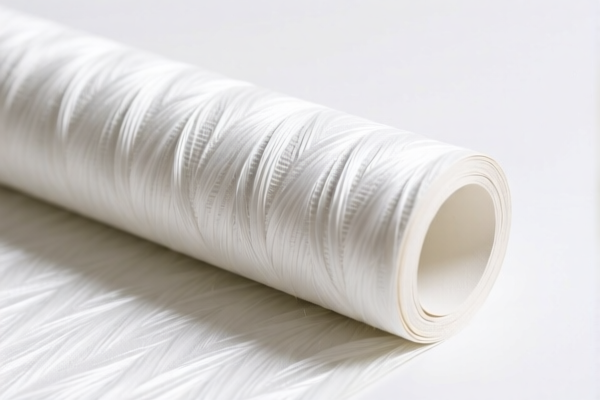
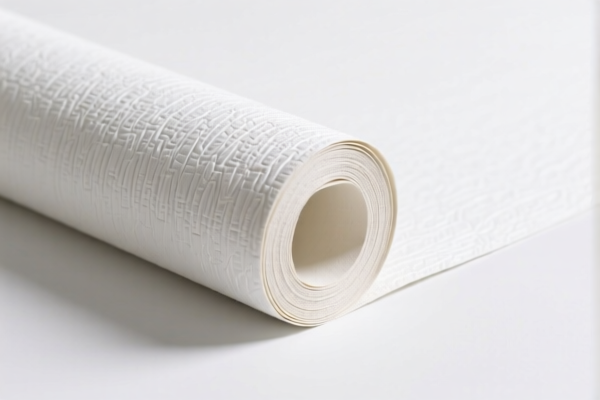
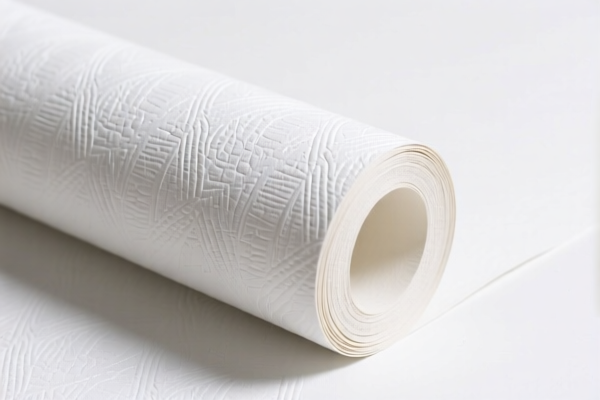
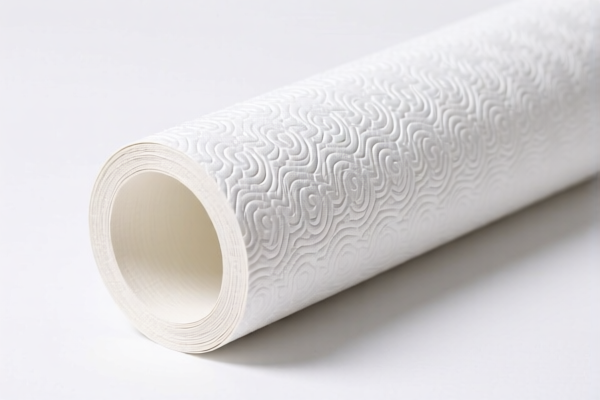
AI Analysis
🧱 PVC Wall Sticker with Synthetic Fiber Backing
🌐 HS Code Reference & Clearance Guide | 2026 Latest Tariff Analysis | Strategic Entry Strategy
📌 I. Product Definition & Classification: What Exactly Is This Product?
PVC Wall Stickers with Synthetic Fiber Backing are decorative wall coverings used for interior design, renovation, and branding. In international trade, their classification depends heavily on the material composition, manufacturing process (impregnated vs. coated), and the nature of the backing.
The key to correct classification lies in distinguishing whether the product is treated as a textile fabric impregnated with PVC (Chapter 59) or a plastic wall covering (Chapter 39). The presence of "synthetic fiber backing" often triggers Chapter 59 classifications due to the textile-like nature of the support layer, but if the PVC coating is substantial, it may fall under Chapter 39 as a plastic wall covering.
⚠️ Critical Distinction Point:
- If the fabric is impregnated (soaked) or coated with PVC and meets the definition of "textile materials impregnated, coated, covered, or laminated with plastics," it falls under Chapter 59 (5903.10).
- If the product is primarily a plastic sheet/film with a thin backing, treated as a wall covering made of plastics, it falls under Chapter 39 (3918.10).
- The specific sub-heading depends on the exact HS code interpretation provided in your target market (e.g., US HTS).
📦 II. HS Code Classification Details (2026 Latest Tariff Authority Alignment)
Based on the provided data, here are the four specific HS codes applicable to "PVC Wall Sticker with Synthetic Fiber Backing," categorized by their technical description and tariff implications.
| HS Code | Product Description | Key Classification Criteria | Total Tax Rate |
|---|---|---|---|
| 5903.10.20.90 | PVC wall sticker with synthetic fiber backing; matches characteristics of PVC material, impregnated/coated form, and artificial fiber backing. | Chapter 59 Focus: Emphasizes the "impregnated/coated" textile nature with artificial fiber backing. | 35.0% |
| 5903.10.25.00 | PVC wall sticker with synthetic fiber backing; conforms to characteristics of textile fabrics impregnated/coated with PVC, classified under other subheadings. | Chapter 59 Focus: Specific "other" category for PVC-impregnated textiles, potentially differentiating by weight or specific fiber type. | 42.5% |
| 3918.10.31.50 | PVC wall sticker with synthetic fiber backing; material is PVC, form is wall covering, fits plastic composition and backing description. | Chapter 39 Focus: Treats the product primarily as a plastic wall covering (vinyl wallpaper-like), despite the fiber backing. | 39.2% |
| 3918.10.32.50 | PVC wall sticker with synthetic fiber backing; material is vinyl polymer, form is wallpaper or ceiling covering, has artificial fiber base. | Chapter 39 Focus: Specific sub-category for vinyl polymer wall/ceiling coverings with artificial fiber base. | 41.5% |
🔍 重点提醒 (Key Reminder):
- 5903 Codes (Textile-based): If the backing fabric is integral to the product's structure and the PVC is impregnated/coated, customs may lean towards Chapter 59. The difference between20.90and25.00often depends on specific national notes (e.g., US HTS US Note 2 to Chapter 59). - 3918 Codes (Plastic-based): If the product is viewed primarily as a rigid or semi-rigid plastic sheet used for wall decoration, it falls under Chapter 39. The distinction between31.50and32.50usually relates to the specific type of polymer (e.g., homopolymer vs. copolymer) or specific end-use (wall vs. ceiling).
💰 III. 2026 Latest Tariff Rate Breakdown (Including Surtaxes & Policy Add-ons)
✅ Applicable Country: United States (US)
✅ Origin: China (CN)
✅ Effective Date: Post-2025 policies (including Section 301 & IEEPA additions)
🎯 1. 5903.10.20.90 – PVC Wall Sticker (Impregnated/Coated Textile)
| Item | Content |
|---|---|
| Base Tariff | 0.0% |
| Section 301 Surtax | +25.0% |
| 122 Clause Tariff | +10.0% (IEEPA / Section 122 specific provision) |
| Total Tariff | 35.0% |
| Calculation Basis | CIF Value × 35% |
| De Minimis Exemption | ❌ Not Eligible (Due to surtaxes) |
| Legal Basis Path | USITC:5903.10.20.90 → Section 301: Footnote 9903.88.01 → IEEPA:122-Clause |
📌 Explanation:
- 0% Base: As a textile impregnated with plastic, the basic MFN rate is often low or zero. - 25% Section 301: Standard retaliatory tariff on Chinese goods under HTS 5903. - 10% IEEPA 122: Additional surcharge applied to specific Chinese imports under emergency economic powers. - Total 35%: A significant cost factor. Ensure your invoice clearly states the product nature to avoid misclassification.
🎯 2. 5903.10.25.00 – PVC Wall Sticker (Other Textile Impregnation)
| Item | Content |
|---|---|
| Base Tariff | 7.5% |
| Section 301 Surtax | +25.0% |
| 122 Clause Tariff | +10.0% |
| Total Tariff | 42.5% |
| Calculation Basis | CIF Value × 42.5% |
| De Minimis Exemption | ❌ Not Eligible |
| Legal Basis Path | USITC:5903.10.25.00 → Section 301: Footnote 9903.88.01 → IEEPA:122-Clause |
📌 Warning:
- This is the highest tax rate among the options.
- The 7.5% base tariff suggests this specific subheading is considered less favorable or more specific, attracting a higher base duty.
- Avoid this code if5903.10.20.90is technically accurate, as it saves 7.5%.
🎯 3. 3918.10.31.50 – PVC Wall Sticker (Plastic Wall Covering)
| Item | Content |
|---|---|
| Base Tariff | 4.2% |
| Section 301 Surtax | +25.0% |
| 122 Clause Tariff | +10.0% |
| Total Tariff | 39.2% |
| Calculation Basis | CIF Value × 39.2% |
| De Minimis Exemption | ❌ Not Eligible |
| Legal Basis Path | USITC:3918.10.31.50 → Section 301 → IEEPA:122-Clause |
📌 Analysis:
- Base 4.2%: Plastic wall coverings often have a modest base duty.
- Total 39.2%: Still high due to the 35% combined surtax (25% + 10%).
- Strategic Note: If your product is a simple PVC film with a thin adhesive/fiber backing, this chapter might be more appropriate than Chapter 59, but the tax burden is similar.
🎯 4. 3918.10.32.50 – PVC Wall Sticker (Vinyl Wallpaper/Ceiling Covering)
| Item | Content |
|---|---|
| Base Tariff | 6.5% |
| Section 301 Surtax | +25.0% |
| 122 Clause Tariff | +10.0% |
| Total Tariff | 41.5% |
| Calculation Basis | CIF Value × 41.5% |
| De Minimis Exemption | ❌ Not Eligible |
| Legal Basis Path | USITC:3918.10.32.50 → Section 301 → IEEPA:122-Clause |
📌 Comparison:
- Slightly higher than31.50due to the 6.5% base tariff vs 4.2%.
- Use this code if the product is explicitly marketed as "Vinyl Wallpaper" or "Ceiling Covering" with a synthetic fiber base.
🛠️ IV. Clearance Practical Advice (Real-World Pitfall Avoidance)
✅ 1. Document Checklist (Essential for Accurate Classification)
| Document | Required? | Purpose |
|---|---|---|
| ✅ Product Spec Sheet | ✔️ | Detail material composition: % PVC, % Synthetic Fiber, Thickness, Adhesive Type. |
| ✅ Cross-Section Image | ✔️ | Visually demonstrate if the PVC is impregnated (soaked into fabric) or coated (surface layer). Critical for Ch 59 vs Ch 39. |
| ✅ Commercial Invoice | ✔️ | Clearly state "PVC Wall Sticker with Synthetic Fiber Backing." Avoid vague terms like "Decorative Paper." |
| ✅ Label/Tagging | ✔️ | Show "Made in China," Care Instructions, and Material Composition. |
| ✅ HS Code Pre-Ruling | ✔️ | Highly recommended. Apply for an Advance Ruling from US CBP to lock in the HS code and avoid post-clearance audits. |
✅ 2. Declaration Strategy (Key Mantras)
🔥 "Material Defines Chapter, Process Defines Subheading, Surcharge is Inevitable!"
| Scenario | Recommended HS Code | Reason |
|---|---|---|
| Fabric is soaked in PVC, soft, flexible | 5903.10.20.90 |
Best fit for "impregnated textile." Lowest tax (35%). |
| PVC is a thick film on fabric, rigid | 3918.10.31.50 |
Treats as plastic wall covering. Moderate tax (39.2%). |
| Explicitly marketed as Wallpaper | 3918.10.32.50 |
Specific use-case classification. Higher tax (41.5%). |
| Avoid | 5903.10.25.00 |
Higher base duty (7.5%) leads to 42.5% total. Only use if technically required. |
✅ 3. Special Situations & Risk Mitigation
| Situation | Handling Advice |
|---|---|
| OEM Custom Designs | Provide design files and fabric swatches to CBP. Misclassification risk is high if appearance varies significantly from standard samples. |
| Small Quantity/Personal Use | Even under de minimis ($800), surtaxes apply. Do not rely on de minimis exemption for cost savings. |
| Mixed Shipments | If shipping both PVC stickers and other goods, declare separately. Mixing can trigger detailed inspection of the entire shipment. |
| Labeling Errors | Ensure labels match the declared HS code. If labeled "Wallpaper" but declared as "Textile Impregnated," CBP may reassess. |
🌍 V. Global Market Comparison (2026 Overview)
| Country/Region | Recommended HS Code | Estimated Total Tax | Notes |
|---|---|---|---|
| 🇺🇸 USA | 5903.10.20.90 or 3918.10.31.50 |
35.0% - 39.2% | Includes 25% Section 301 + 10% IEEPA. Highest cost. |
| 🇨🇳 China | 5903.10.20 / 3918.10 |
~7.5% - 10% | Base import duty. No Section 301. |
| 🇪🇺 EU | 5903.10.20 / 3918.10 |
6.5% - 12% | No major surcharges for China, but VAT applies (19-27%). |
| 🇬🇧 UK | 5903.10.20 / 3918.10 |
6.5% - 12% | Post-Brexit tariffs. No retaliatory surcharges like US. |
📌 Conclusion:
- The USA market is significantly more expensive due to political tariffs.
- For US entry,5903.10.20.90(35%) is the most favorable option if technically accurate.
- Consider supply chain diversification if targeting high-margin, low-volume items, as the 35%+ tax erodes profits.
📌 VI. Common Errors & Pitfalls (Blood-Led Lessons)
❌ Error 1: Misclassifying as "Paper Wallcovering" (4814)
👉 Consequence: If PVC content > 50% or backing is synthetic fiber, it’s not paper. Penalty + Back Taxes!
❌ Error 2: Ignoring Section 301 & IEEPA
👉 Consequence: Assuming 0% base tax means 0% total. Shipment held, fines issued.
❌ Error 3: Vague Description "Decorative Sticker"
👉 Consequence: CBP uses discretion, likely assigning the highest available code (5903.10.25.00 at 42.5%).
❌ Error 4: Confusing "Impregnated" vs "Coated"
👉 Consequence: Chapter 59 vs Chapter 39. Audit risk if documentation doesn't support the chosen chapter.
✅ Correct Practice:
"PVC Wall Sticker, Synthetic Fiber Backing, Impregnated with PVC, For Interior Decoration, Made in China"
🎯 VII. Conclusion: Professional Declaration, Cost Control, Efficient Clearance
🎯 Remember the Mantra:
🔹 "Chapter 59 if impregnated, Chapter 39 if plastic sheet.
🔹 Base rate matters, surtax is fixed.
🔹 35% is the target, 42.5% is the trap!"
🔹 "Pre-ruling saves millions, clear description saves delays!"
📌 Pro Tip:
If your product qualifies as a "Textile" under Chapter 59, always argue for 5903.10.20.90 to achieve the 35% effective rate.
For US imports, Budget for 35-40% duty.
Engage a licensed customs broker to file an Advance Ruling before shipping.
📣 Immediate Action:
📞 Contact your customs broker → Provide material spec sheet → Request HS Code Pre-Ruling for
5903.10.20.90or3918.10.31.50.
🚀 Ensure smooth clearance, control costs, and maximize profit!
✨ Professional clearance starts with precise classification!
💼 Every percentage point in tax is a percentage point in profit!
Customer Reviews
About HS Code Classification
The Harmonized System (HS) is an internationally standardized nomenclature developed by the World Customs Organization (WCO) to classify traded products. Over 200 countries use the HS system as the basis for customs tariffs, trade statistics, and import/export regulations.
Each HS code follows a hierarchical structure:
- Chapter (2 digits) — Broad category of goods (e.g., Chapter 84: Machinery and Mechanical Appliances)
- Heading (4 digits) — More specific grouping within the chapter
- Subheading (6 digits) — Internationally standardized breakdown, used by all WCO member countries
- National subdivisions (8-10 digits) — Country-specific extensions for further classification, such as US HTSUS 10-digit codes
Correct HS code classification is essential for smooth customs clearance, accurate duty payment, and compliance with trade regulations. Misclassification can lead to customs delays, overpayment of duties, or penalties.
When importing from CN to US, the applicable tariff rates may include:
- Most-Favored-Nation (MFN) rate — The standard duty rate applied to WTO members
- General rate — Applied to countries without trade agreements
- Trade remedy duties — Additional tariffs such as Section 301 (anti-dumping), Section 232 (national security), or countervailing duties
The information provided on this page is for reference purposes only. For official classification, please consult with your local customs authority or a licensed customs broker.