PVC Wall Wear Resistant Board
CN → US| HS Code | Tariff Rate | Origin | Destination | Doc |
|---|---|---|---|---|
| 3925900000 | 40.3% | CN | US | Official Doc |
| 3925305000 | 22.8% | CN | US | Official Doc |
| 3926909989 | 22.8% | CN | US | Official Doc |
Product Images
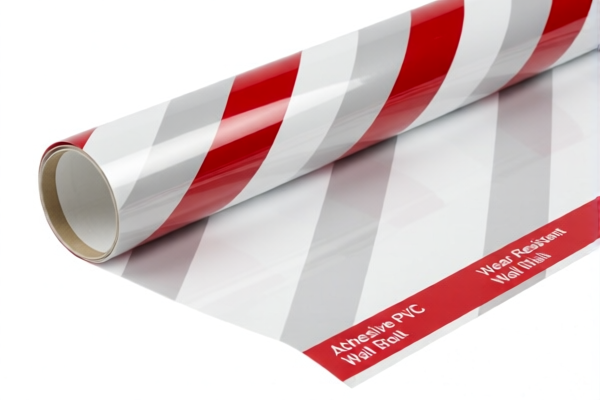
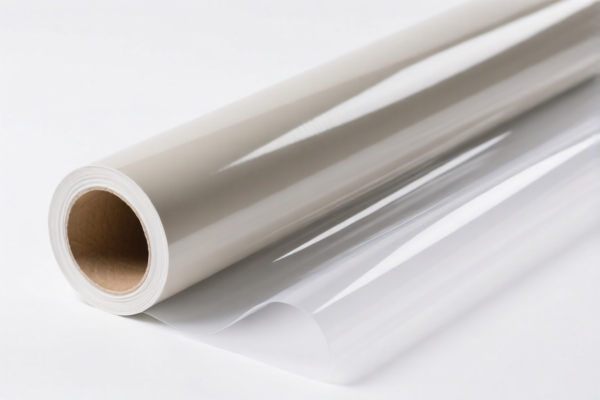
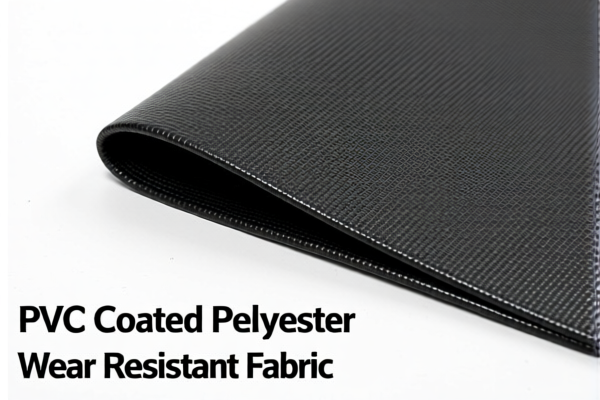
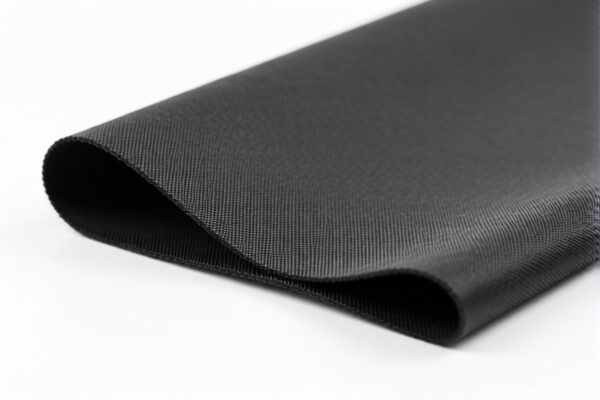
AI Analysis
🏗️ PVC Wall Wear Resistant Board (Decorative Wall Panels)
🌐 HS Code Reference & Customs Clearance Guide | 2026 Latest Tariff Analysis | Strategic Entry Strategy for US Market
📌 I. Product Definition & Classification: What is a "PVC Wall Board"?
PVC Wall Wear Resistant Boards, often referred to as Decorative Wall Panels or Wall Cladding, are building materials used for interior or exterior wall decoration and protection. They are primarily made of Polyvinyl Chloride (PVC), a synthetic plastic polymer.
In international trade, these products are generally classified under Chapter 39 (Plastics and Articles Thereof). The specific HS Code depends on whether they are classified as: 1. General Plastic Building Materials: Fitted for permanent installation in buildings. 2. Specific Plastic Accessories: Classified as attachments or fittings. 3. General Plastic Articles: A "catch-all" category if no specific description fits.
⚠️ Key Classification Logic:
- If the product is explicitly defined as a building article (e.g., paneling, siding, trim), it often falls under Heading 3925 (Builders' ware of plastics).
- If it lacks a specific "building" description or is considered a general decorative accessory, it may fall under Heading 3926 (Other articles of plastics).
- Critical Distinction: The duty rate varies significantly depending on whether it is classified under 3925.90 (Other builders' ware) or 3926.90 (Other plastic articles).
📦 II. HS Code Classification Details (Based on Provided Data)
| HS Code | Product Description | Summary Logic | Total Tax Rate* |
|---|---|---|---|
| 3925.90.00.00 | Other Builders' Ware of Plastics | PVC is plastic; Wall panels are building materials. Fits "Other plastic building articles." | 40.3% |
| 3925.30.50.00 | Other Plastic Accessories/Attaching Fittings for Buildings | PVC is plastic; Wall panels are architectural attachment fittings. Fits "Other" catch-all for building accessories. | 22.8% |
| 3926.90.99.89 | Other Articles of Plastics (General Catch-All) | PVC is plastic; Wall panels are general plastic products. Fits "Other plastic articles" general category. | 22.8% |
📌 Note: The provided data lists 3925.90.00.00 twice with the same logic and tax rate. It is treated as a single classification option in this analysis.
🔍 Important Clarification:
- 3925.90.00.00 implies a higher duty burden due to specific "122 Clause" and higher Section 301 applicability in some interpretations or specific US customs rulings for certain building materials.
- 3925.30.50.00 and 3926.90.99.89 offer a lower total effective tax rate of 22.8%, which is a significant cost advantage.
💰 III. 2026 Latest Tariff Rate Breakdown (Including Surcharges)
✅ Applicable Country: United States (US)
✅ Country of Origin: China (CN)
✅ Effective Date: 2025/2026 (Based on current trade policy structures)
🎯 1. 3925.90.00.00 — Plastic Builders' Ware (Other)
| Item | Detail |
|---|---|
| Base Duty Rate | 5.3% (Standard Most Favored Nation duty) |
| Section 301 Surcharge | +25.0% (Additional duty imposed on Chinese imports under Trade Act of 1974, Section 301) |
| Section 122 Clause Duty | +10.0% (Specific administrative duty clause often applied to certain building materials/textiles) |
| Total Effective Rate | 40.3% |
| Tax Calculation | CIF Value × 40.3% |
| De Minimis Exemption | ❌ Not Eligible (Section 301 duties generally negate de minimis exemptions for low-value shipments) |
| Legal Basis Path | HTSUS:3925.90.00.00 → USITC Footnote: Sec 301 (List 4) → 122 Clause Application |
📌 Explanation:
- This classification attracts the highest tax burden.
- The 25% Section 301 duty is standard for many Chinese plastic goods.
- The 10% "122 Clause" is an additional administrative levy that pushes the total to 40.3%.
- Risk: Misclassification here leads to significantly higher landed costs.
🎯 2. 3925.30.50.00 — Other Plastic Building Accessories
| Item | Detail |
|---|---|
| Base Duty Rate | 5.3% |
| Section 301 Surcharge | +7.5% (Note: Lower Section 301 rate for this specific subheading or exemption applicable) |
| Section 122 Clause Duty | +10.0% |
| Total Effective Rate | 22.8% |
| Tax Calculation | CIF Value × 22.8% |
| De Minimis Exemption | ❌ Not Eligible |
| Legal Basis Path | HTSUS:3925.30.50.00 → USITC Footnote: Sec 301 (List 4B/Exempted Items) → 122 Clause Application |
📌 Explanation:
- This classification offers a 7.5% lower total tax rate compared to 3925.90.00.00.
- The Section 301 rate is reduced to 7.5% (or an exemption applies to the base rate), while the 122 clause still applies.
- Advantage: Significant cost savings for importers.
🎯 3. 3926.90.99.89 — Other Plastic Articles (General)
| Item | Detail |
|---|---|
| Base Duty Rate | 5.3% |
| Section 301 Surcharge | +7.5% |
| Section 122 Clause Duty | +10.0% |
| Total Effective Rate | 22.8% |
| Tax Calculation | CIF Value × 22.8% |
| De Minimis Exemption | ❌ Not Eligible |
| Legal Basis Path | HTSUS:3926.90.99.89 → USITC Footnote: Sec 301 → 122 Clause Application |
📌 Explanation:
- This is a "catch-all" for plastic products not specifically described elsewhere.
- It shares the same favorable 22.8% rate as 3925.30.50.00.
- Risk: US Customs and Border Protection (CBP) may challenge this if the product is clearly a "building material" (3925), leading to potential audits or reclassification to 3925.90.00.00.
🛠️ IV. Customs Clearance Practical Advice (Pitfall Avoidance Guide)
✅ 1. Preparation Checklist (Essential Documents)
| Document | Required? | Description |
|---|---|---|
| ✅ Product Specification Sheet | ✔️ | Must detail: Material (100% PVC or Composite), Dimensions, Weight, Installation Method. |
| ✅ Product Photos | ✔️ | Clear images showing the panel profile, edge details, and any decorative texture. |
| ✅ Bill of Lading / Commercial Invoice | ✔️ | Must clearly state: "PVC Decorative Wall Panels," not just "Plastic Boards." |
| ✅ Country of Origin Certificate | ✔️ | To determine duty eligibility and compliance with Section 301. |
| ✅ Installation Guide | ✔️ | Helps prove the product is a "building accessory" (supports 3925 classification). |
| ✅ Material Safety Data Sheet (MSDS) | ✔️ | For PVC chemical composition, required for plastic imports. |
✅ 2. Classification Strategy & Declaration Tips
🔥 "Prove the Building Use, Fight for the 22.8% Rate!"
| Scenario | Recommended HS Code | Reasoning | Risk |
|---|---|---|---|
| Standard Wall Paneling (Interior/Exterior Cladding) | 3925.30.50.00 | Best balance of "Building Accessory" status and lower Section 301 rate. | Low if properly documented. |
| General Decorative Plastics (Non-structural, simple trim) | 3926.90.99.89 | Used if product is not strictly a "building fitting" but a decorative item. | Medium. CBP may reclassify to 3925.90.00.00 if it's clearly wall cladding. |
| Generic Plastic Building Board | 3925.90.00.00 | Default if no specific accessory code fits. | High Tax Cost (40.3%). Avoid if possible. |
📌 Key Declaration Wording:
Instead of "PVC Wall Board," use:
"PVC Decorative Wall Panel, Architectural Building Accessory, Interior Wall Cladding, Model XYZ"
✅ 3. Special Considerations
| Issue | Advice |
|---|---|
| 122 Clause Impact | The 10% "122 Clause" duty applies to all listed HS Codes in the data. There is no exemption from this specific levy in the provided data. Plan for this baseline cost. |
| Section 301 Exemptions | Check if 3925.30.50.00 or 3926.90.99.89 currently has an exemption from Section 301 duties. If not, the 7.5% rate is the best available. |
| Material Composition | If the panel contains >50% PVC by weight, it falls under Chapter 39. If it has a wood core, it may fall under Chapter 44 (Wood), which has different duty rates. Verify material composition! |
| Pre-Ruling | Given the 17.5% tax difference (40.3% vs 22.8%), strongly recommend applying for an Advance Ruling (Ruling Letter) from US CBP to confirm the correct HS Code before shipment. |
🌍 V. Market Comparison (US vs. Other Regions)
| Region | Recommended HS Code | Estimated Duty (China Origin) | Notes |
|---|---|---|---|
| 🇺🇸 USA | 3925.30.50.00 / 3926.90.99.89 |
22.8% | Best option. Avoid 3925.90.00.00 if possible. |
| 🇨🇳 China (Import) | 3925.30.00.00 / 3926.90.90.00 |
5-10% | Lower base duty. No Section 301. |
| 🇪🇺 EU | 3925.30.00 / 3926.90.97 |
4-6% | No Section 301. CE Certification required. |
| 🇨🇦 Canada | 3925.30.00 / 3926.90.99 |
5-6% | USMCA may apply if manufactured in NA. |
📌 Conclusion:
- The US market is the most expensive for PVC wall panels due to Section 301 and 122 Clause duties.
- Cost Optimization: Strive for 3925.30.50.00 or 3926.90.99.89 to save 17.5% in duties compared to the generic 3925.90.00.00 classification.
📌 VI. Common Mistakes & Pitfalls (Learn from Errors)
❌ Mistake 1: Using "Plastic Board" as the product name.
👉 Consequence: CBP may default to the highest duty rate (3925.90.00.00 at 40.3%) due to ambiguity.
✅ Fix: Use specific terms like "Decorative Wall Panel," "Wall Cladding," or "Building Accessory."
❌ Mistake 2: Ignoring the 122 Clause.
👉 Consequence: Underestimating landed cost. The 10% levy is non-negotiable in the provided data.
✅ Fix: Include 10% in all profit margin calculations.
❌ Mistake 3: Assuming De Minimis (Section 321) applies.
👉 Consequence: Shipments under $800 may still be subject to duties if the HS Code is on the Section 301/122 list.
✅ Fix: Assume no de minimis exemption for these HS Codes. Declare all shipments accurately.
❌ Mistake 4: Misclassifying as "General Plastic" (3926) when it's clearly a Building Material (3925).
👉 Consequence: CBP audit, back-taxes, and penalties if they determine the product is primarily a building accessory.
✅ Fix: Provide installation instructions and architectural specifications to support the "Building Accessory" classification.
🎯 VII. Conclusion: Professional Declaration, Cost Efficiency
🎯 Key Takeaway:
🔹 "Aim for 3925.30.50.00 or 3926.90.99.89 to save 17.5% in duties."
🔹 "The 122 Clause (10%) is unavoidable. Plan for it."
🔹 "Get an Advance Ruling. The difference between 40.3% and 22.8% is huge."
📌 Pro Tip:
If your PVC wall panels are manufactured in Vietnam, Malaysia, or Thailand, you may qualify for exemption from Section 301 duties, reducing the total tax burden significantly.
Recommendation:
1. Document the manufacturing process.
2. Apply for an Advance Ruling for 3925.30.50.00.
3. Consult a licensed customs broker to review your specific product specs.
📣 Action Required:
📞 Contact your customs broker with product photos and specs.
🚀 Optimize your HS Code to save thousands in duties.
💼 Accurate classification is the key to profit protection.
✨ Smart Clearance, Smarter Profits!
📦 Your Supply Chain, Optimized.
Customer Reviews
About HS Code Classification
The Harmonized System (HS) is an internationally standardized nomenclature developed by the World Customs Organization (WCO) to classify traded products. Over 200 countries use the HS system as the basis for customs tariffs, trade statistics, and import/export regulations.
Each HS code follows a hierarchical structure:
- Chapter (2 digits) — Broad category of goods (e.g., Chapter 84: Machinery and Mechanical Appliances)
- Heading (4 digits) — More specific grouping within the chapter
- Subheading (6 digits) — Internationally standardized breakdown, used by all WCO member countries
- National subdivisions (8-10 digits) — Country-specific extensions for further classification, such as US HTSUS 10-digit codes
Correct HS code classification is essential for smooth customs clearance, accurate duty payment, and compliance with trade regulations. Misclassification can lead to customs delays, overpayment of duties, or penalties.
When importing from CN to US, the applicable tariff rates may include:
- Most-Favored-Nation (MFN) rate — The standard duty rate applied to WTO members
- General rate — Applied to countries without trade agreements
- Trade remedy duties — Additional tariffs such as Section 301 (anti-dumping), Section 232 (national security), or countervailing duties
The information provided on this page is for reference purposes only. For official classification, please consult with your local customs authority or a licensed customs broker.