PVC Wallcloth
CN → US| HS Code | Tariff Rate | Origin | Destination | Doc |
|---|---|---|---|---|
| 5903102090 | 35.0% | CN | US | Official Doc |
| 3919905060 | 40.8% | CN | US | Official Doc |
| 5903102010 | 35.0% | CN | US | Official Doc |
| 4811596000 | 35.0% | CN | US | Official Doc |
| 3919905040 | 40.8% | CN | US | Official Doc |
Product Images
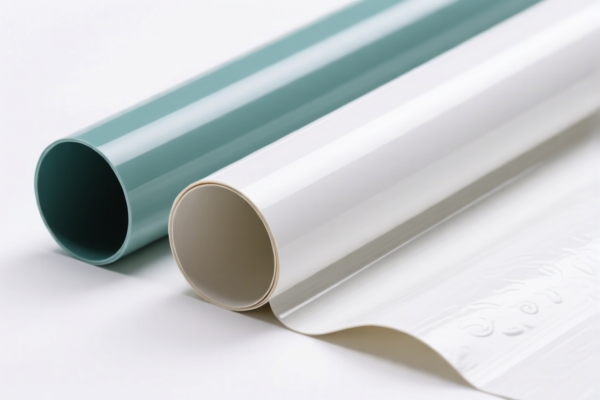
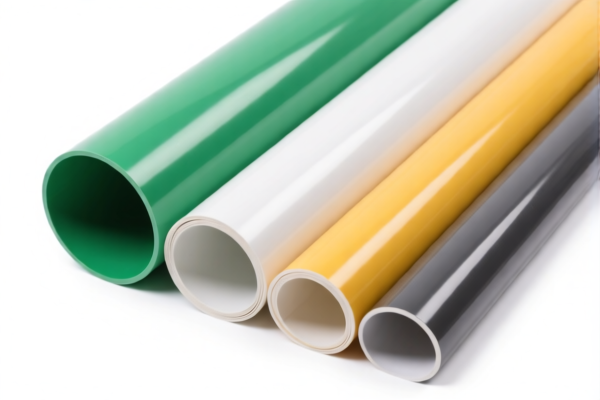
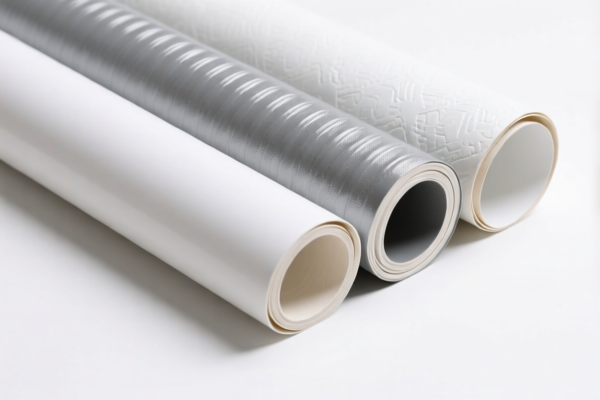
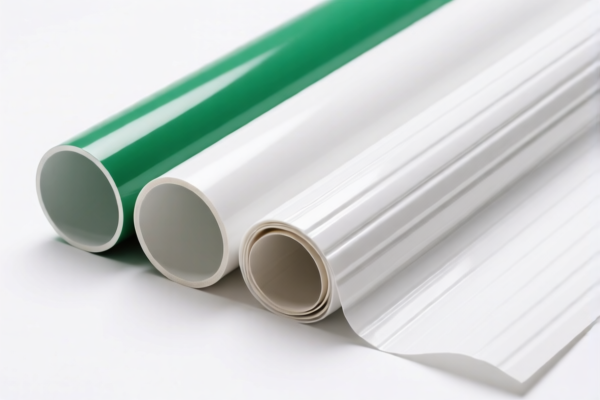
AI Analysis
🏠 PVC Wallcloth (PVC Wallpaper Film / Wall Coverings)
🌐 HS Code Reference & Clearance Guide | 2026 Latest Tariff Analysis | Professional Customs Strategy
📌 I. Product Definition & Classification: Do You Really Know "PVC Wallcloth"?
PVC Wallcloth, commonly known as PVC wallpaper film or wall covering, is a decorative material used for interior wall finishing. In international trade, its classification is highly complex because it sits at the intersection of textiles and plastics. The key to accurate classification lies in determining the substrate material (what is underneath?) and the manufacturing process (how is it treated?).
1. Textile-Based PVC Wallcloth (浸渍/涂覆纺织面料)
If the base is a fabric (polyester, cotton, etc.) impregnated, coated, or laminated with PVC:
- It falls under Chapter 59 (Impregnated, coated, covered or laminated textile fabrics).
- Key HS Code: 5903.10.20 series.
2. Plastic-Based PVC Wallcloth (塑料膜/自粘膜)
If the product is primarily a plastic sheet, film, or self-adhesive plastic board:
- It falls under Chapter 39 (Plastics and articles thereof).
- Key HS Codes: 3919.90.50 series.
3. Paper-Based PVC Wallcloth (纸基塑料覆盖产品)
If the base is paper or fiberboard, covered with plastic:
- It falls under Chapter 48 (Paper and paperboard).
- Key HS Code: 4811.59.60.00.
⚠️ Critical Distinction Point:
- If the plastic weight exceeds 70% AND it’s on a textile/film base → 5903.10.20.10
- If it’s a self-adhesive plastic film/plate → 3919.90.50.40 / .60
- If it’s paper-based with plastic coating → 4811.59.60.00
📦 II. HS Code Classification Details (2026 Latest Tariff Authority Reference)
| HS Code | Product Description | Application Scenario | Base Material Logic |
|---|---|---|---|
5903.10.20.90 |
PVC Wallcloth classified as other fabrics impregnated with PVC | Vinyl-coated fabric wallpapers | Textile base + PVC coating |
3919.90.50.60 |
PVC Wallcloth classified as plastic film (self-adhesive or flat) | Self-adhesive PVC rolls, plastic wall films | Pure plastic film/plate |
5903.10.20.10 |
Plastic weight >70%, impregnated/coated/laminated textile/film | Heavy PVC fabric wallpapers | Textile/Film + High PVC content |
4811.59.60.00 |
Plastic-covered sheet/roll products | Paper-based PVC wallpapers | Paper base + Plastic coating |
3919.90.50.40 |
Self-adhesive plastic plates, sheets, films, foils, strips | Self-adhesive PVC wall decals/films | Pure plastic + Self-adhesive backing |
🔍 Key Reminder:
- Do not misclassify "Self-adhesive PVC film" as a textile product just because it’s used on walls. If the primary material is plastic, it goes to Chapter 39. - Paper-based wallpapers with PVC backing must go to Chapter 48, not 59 or 39.
💰 III. 2026 Latest Tariff Rate Breakdown (Including Additional Taxes)
✅ Applicable Country: United States (US)
✅ Country of Origin: China (CN)
✅ Effective Date: From November 10, 2025 (inclusive)
🎯 1. 5903.10.20.90 & 5903.10.20.10 —— Textile-Based PVC Wallcloth
| Item | Content |
|---|---|
| Base Tariff | 0.0% (ad valorem) |
| Section 301 Additional Tariff | +25.0% |
| IEEPA Additional Tariff (Section 122) | +10.0% |
| Total Tariff Rate | 35.0% |
| Tax Calculation | CIF Value × 35% |
| De Minimis Exemption | ❌ Not Applicable (deny_de_minimis) |
| Legal Basis Path | USITC:5903.10.20.90 → FOOTNOTE:301 → IEEPA:122 |
📌 Explanation:
- Even though the base tariff is 0%, the 25% Section 301 + 10% IEEPA (122 Clause) tariffs push the total to 35%. - This applies to both5903.10.20.90and5903.10.20.10.
🎯 2. 3919.90.50.60 & 3919.90.50.40 —— Plastic-Based PVC Wallcloth
| Item | Content |
|---|---|
| Base Tariff | 5.8% (ad valorem) |
| Section 301 Additional Tariff | +25.0% |
| IEEPA Additional Tariff (Section 122) | +10.0% |
| Total Tariff Rate | 40.8% |
| Tax Calculation | CIF Value × 40.8% |
| De Minimis Exemption | ❌ Not Applicable (deny_de_minimis) |
| Legal Basis Path | USITC:3919.90.50.60 → FOOTNOTE:301 → IEEPA:122 |
📌 Note:
- Unlike textile-based wallcloths, plastic-based ones have a base tariff of 5.8%. - Adding 25% + 10% results in a higher total tariff of 40.8%. - This applies to both3919.90.50.60(general plastic film) and3919.90.50.40(self-adhesive).
🎯 3. 4811.59.60.00 —— Paper-Based PVC Wallcloth
| Item | Content |
|---|---|
| Base Tariff | 0.0% (ad valorem) |
| Section 301 Additional Tariff | +25.0% |
| IEEPA Additional Tariff (Section 122) | +10.0% |
| Total Tariff Rate | 35.0% |
| Tax Calculation | CIF Value × 35.0% |
| De Minimis Exemption | ❌ Not Applicable (deny_de_minimis) |
| Legal Basis Path | USITC:4811.59.60.00 → FOOTNOTE:301 → IEEPA:122 |
📌 Note:
- Paper-based PVC wallpapers follow the same 0% base + 35% additional structure as textile-based ones.
🛠️ IV. Clearance Practical Advice (Real-World Pitfall Avoidance Guide)
✅ 1. Preparation Checklist (All Required)
| Document | Must Provide | Description |
|---|---|---|
| ✅ Product Specification Sheet | ✔️ | Material composition (e.g., 70% PVC, 30% polyester), thickness, width |
| ✅ Product Photos (including packaging) | ✔️ | Show texture, backing (paper/fabric/plastic), and adhesive type |
| ✅ Composition Declaration | ✔️ | Explicitly state the base material and plastic content percentage |
| ✅ Commercial Invoice | ✔️ | Accurate description: "PVC Wallcovering, Impregnated with PVC on Polyester Base" |
| ✅ Packing List | ✔️ | Include net weight and dimensions |
✅ 2. Declaration Tips (Key Mantra)
🔥 “Base Material Determines Chapter, Self-Adhesive Goes to 39, Paper Goes to 48!”
| Scenario | Correct Declaration | Wrong Practice |
|---|---|---|
| Fabric base + PVC coating | 5903.10.20.90 |
Misdeclare as 3919.90 → 40.8% |
| Self-adhesive plastic film | 3919.90.50.40 or .60 |
Misdeclare as 4811.59 → 35% |
| Paper base + PVC coating | 4811.59.60.00 |
Misdeclare as 5903.10 → Correct, but ensure paper is base |
| Plastic weight >70% on textile | 5903.10.20.10 |
Misdeclare as 3919.90 → Higher tariff |
✅ 3. Special Case Handling
| Scenario | Handling Advice |
|---|---|
| Mixed Material Rolls | If the roll contains both textile and plastic layers, provide a detailed layer-by-layer breakdown. |
| Self-Adhesive vs. Paste-Required | Self-adhesive products must go to 3919.90.50.40. Paste-required products may go to 5903 or 4811. |
| OEM Custom Patterns | Provide design files and material specs to avoid being classified as "generic plastic sheet." |
| Sample Imports | Even samples are subject to 35%-40.8% tariffs; do not assume de minimis exemption. |
🌍 V. Global Market Clearance Comparison (2026 Latest)
| Country/Region | Recommended HS Code | Tariff | Certification Requirements | Notes |
|---|---|---|---|---|
| 🇺🇸 United States | 5903.10.20.90 / 3919.90.50.60 |
35% - 40.8% | FCC (if electronic), RoHS | High tariff due to Section 301 + IEEPA |
| 🇨🇳 China | 5903.10.20.90 |
~5-7% | CCC (if applicable) | No additional tariffs |
| 🇪🇺 European Union | 5903.10.20 |
0% (if CE marked) | CE + REACH | Low tariff, but strict REACH compliance |
| 🇬🇧 United Kingdom | 5903.10.20 |
0% | UKCA + REACH | Post-Brexit rules apply |
| 🇦🇺 Australia | 5903.10.20 |
5% | RCM | Moderate tariff |
📌 Conclusion:
- The US market has the highest clearance costs due to Section 301 and IEEPA tariffs. - For US exports, accurate material classification is crucial to avoid overpayment or penalties. - Consider supply chain diversification (e.g., Vietnam, Thailand) if tariffs impact profitability.
📌 VI. Common Errors & Pitfalls (Blood-Lesson Guide)
❌ Error 1: Classifying all PVC wallcloths under 3919.90
👉 Consequence: If the base is textile, you might pay 40.8% instead of 35%, or face misdeclaration penalties if classified incorrectly.
❌ Error 2: Declaring "PVC Film" for paper-based wallpapers
👉 Consequence: Customs may reclassify to 5903 or 4811, leading to delays, fines, or retroactive tariffs.
❌ Error 3: Assuming de minimis exemption applies
👉 Consequence: No de minimis exemption for Chinese-origin PVC wallcloths under IEEPA/Section 301. All shipments, regardless of value, are subject to tariffs.
❌ Error 4: Vague descriptions ("Wallpaper")
👉 Consequence: Customs will request clarification, causing port delays and potential demurrage charges.
✅ Correct Approach:
"PVC Wallcovering, Impregnated with PVC on Polyester Fabric Base, Width 1.5m, Roll Form, Model ABC"
🎯 VII. Conclusion: Precise Classification, Cost Efficiency!
🎯 Remember the Mantra:
🔹 "Base material defines chapter, self-adhesive goes to 39, paper to 48!"
🔹 "US Tariff: 35% for Textile/Paper, 40.8% for Plastic, no de minimis!"
🔹 "HS Code is fate, classification difference costs thousands!"
📌 Pro Tip:
If your PVC wallcloth is originating from Vietnam, Mexico, or Thailand, you may be eligible for IEEPA exemptions or lower tariffs.
Recommendation: Apply for an Advance Ruling before shipment to avoid customs disputes.
📣 Immediate Action:
📞 Contact a professional customs broker + Provide product photos + Apply for HS Code Advance Ruling
🚀 Let your PVC wallcloth clear customs smoothly, efficiently, and profitably!
✨ Professional clearance starts with precise classification!
💼 Every cent of your cost deserves precise calculation!
Customer Reviews
About HS Code Classification
The Harmonized System (HS) is an internationally standardized nomenclature developed by the World Customs Organization (WCO) to classify traded products. Over 200 countries use the HS system as the basis for customs tariffs, trade statistics, and import/export regulations.
Each HS code follows a hierarchical structure:
- Chapter (2 digits) — Broad category of goods (e.g., Chapter 84: Machinery and Mechanical Appliances)
- Heading (4 digits) — More specific grouping within the chapter
- Subheading (6 digits) — Internationally standardized breakdown, used by all WCO member countries
- National subdivisions (8-10 digits) — Country-specific extensions for further classification, such as US HTSUS 10-digit codes
Correct HS code classification is essential for smooth customs clearance, accurate duty payment, and compliance with trade regulations. Misclassification can lead to customs delays, overpayment of duties, or penalties.
When importing from CN to US, the applicable tariff rates may include:
- Most-Favored-Nation (MFN) rate — The standard duty rate applied to WTO members
- General rate — Applied to countries without trade agreements
- Trade remedy duties — Additional tariffs such as Section 301 (anti-dumping), Section 232 (national security), or countervailing duties
The information provided on this page is for reference purposes only. For official classification, please consult with your local customs authority or a licensed customs broker.