PVC Wallpaper (Synthetic Fiber Base)
CN → US| HS Code | Tariff Rate | Origin | Destination | Doc |
|---|---|---|---|---|
| 3921121100 | 39.2% | CN | US | Official Doc |
| 3921121500 | 41.5% | CN | US | Official Doc |
| 6307909891 | 24.5% | CN | US | Official Doc |
| 3921121100 | 39.2% | CN | US | Official Doc |
| 3921121500 | 41.5% | CN | US | Official Doc |
Product Images
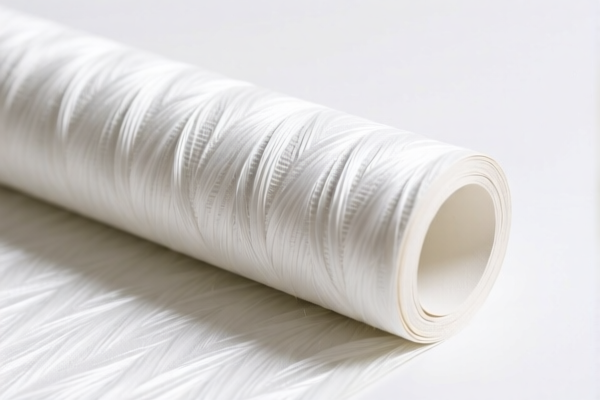
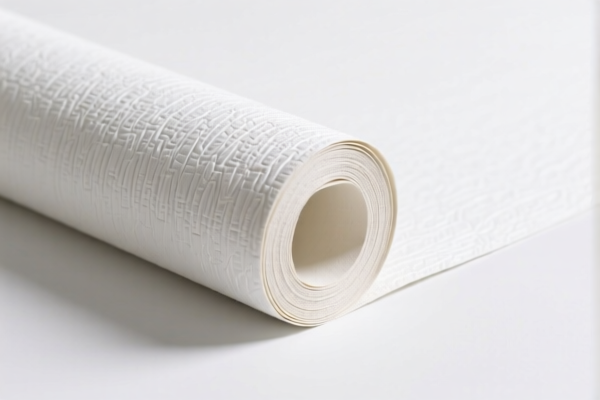
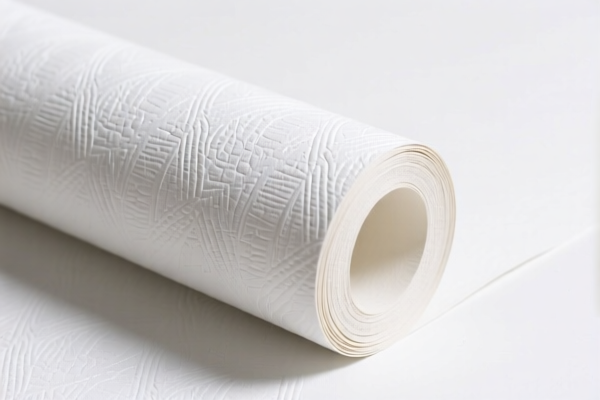
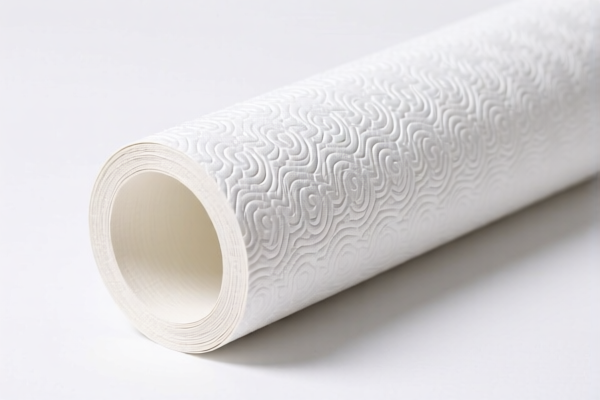
AI Analysis
🏠 PVC Wallpaper (Synthetic Fiber Base)
🌐 HS Code Reference & Customs Clearance Guide | 2026 Latest Tariff Analysis | Professional-Level Entry Strategy
📌 I. Product Definition & Classification: Do You Really Understand "PVC Wallpaper"?
PVC Wallpaper with a synthetic fiber base is a composite building material widely used for interior decoration. In international trade, it is not a "one-size-fits-all" product. Its classification depends heavily on its physical form (roll/film vs. finished wall covering) and the nature of the substrate (synthetic fiber).
Composite Panels/Films (3921 Series): Defined as PVC plates, sheets, or films where the base material is synthetic fiber. It fits the description of "polymers combined with textile materials." * Key Feature: The PVC and fiber are bonded/composite, often treated as a raw material or semi-finished product for further processing.
Finished Wall Coverings (6307 Series): Defined as "PVC Wall Cloth/Fabric" finished products. If the item is ready-to-hang wallpaper, cut to size, or clearly marketed as a finished decorative textile item, it may fall under the "catch-all" category for other made-up articles. * Key Feature: Direct consumer use, finished appearance, often implies a textile-like nature despite the PVC coating.
⚠️ Critical Distinction:
- If the product is primarily a plastic composite sheet/film (even with fiber backing) intended for industrial or semi-finished use → Likely 3921.12.xxxx.
- If the product is a finished wall covering/cloth (textile-like appearance, ready for hanging) → Likely 6307.90.98.91.
📦 II. HS Code Classification Details (2026 Latest Tariff Authority Cross-Reference)
| HS Code | Product Description | Application Scenario | Tax Rate (Total) |
|---|---|---|---|
3921.12.11.00 |
PVC Composite with Synthetic Fiber Base; meets characteristics of synthetic fiber high content & high plastic ratio. | Raw composite sheets, semi-finished wall materials, industrial linings. | 39.2% |
3921.12.15.00 |
PVC Board/Sheet/Film with Synthetic Fiber Backing; fits polymer-textile combination features. | PVC decorative panels, wall decoration materials, rigid/flexible sheets. | 41.5% |
6307.90.98.91 |
PVC Wall Cloth Finished Product; base is synthetic fiber, classified under other made-up articles catch-all. | Ready-to-hang wallpaper, decorative wall fabrics, finished interior decor. | 24.5% |
3921.12.11.00 |
PVC Composite Material; contains synthetic fiber base, satisfies characteristics of high artificial fiber and high plastic content. | High-grade composite wallpapers, premium wall coverings with specific fiber ratios. | 39.2% |
3921.12.15.00 |
PVC Wall Decoration Material; contains synthetic fiber base, fits polymer-textile combination features. | Premium decorative wall boards, textured wall coverings. | 41.5% |
🔍 Key Reminder:
- 3921 Codes: Treat the product as a plastic composite. The synthetic fiber is considered a backing/substrate for the plastic. Higher tariff burden due to "122 Section" and standard anti-dumping/surcharge structures. - 6307 Code: Treats the product as a textile/fabric finishing. Lower tariff burden because it is viewed as a finished textile article, even though it contains PVC. - Strategic Choice: If the product is clearly a "wallpaper" for home decoration, 6307.90.98.91 offers the lowest tax rate (24.5%) compared to the 3921 options (39.2% - 41.5%). However, customs may challenge this if the PVC content is dominant and the "textile" nature is weak.
💰 III. 2026 Latest Tariff Rate Breakdown (Including Surcharges & Policy Add-ons)
✅ Applicable Country: United States (US)
✅ Country of Origin: China (CN)
✅ Effective Time: From November 10, 2025 (including subsequent imports)
🎯 1. 3921.12.11.00 & 3921.12.11.00 (Duplicate Entry in Data) – PVC Composite (Synthetic Fiber Base)
| Item | Content |
|---|---|
| Base Tariff | 4.2% (Ad Valorem) |
| Section 301 Surcharge | +25.0% |
| Section 122 Tariff | +10.0% |
| Total Tax Rate | 39.2% |
| Tax Calculation | CIF Value × 39.2% |
| De Minimis Eligibility | ❌ Not Eligible (High risk of seizure/penalty) |
| Legal Basis Path | USITC:3921.12.11.00 → FOOTNOTE:Section 301 → Section 122 |
📌 Explanation:
- Base 4.2%: Standard MFN tariff for plastics composites. - Section 301 (25%): Standard US tariff on Chinese plastic products. - Section 122 (10%): Additional surcharge under specific trade enforcement provisions. - Total 39.2%: This is a high-cost classification. Suitable if the product is clearly a raw composite sheet.
🎯 2. 3921.12.15.00 – PVC Board/Sheet/Film (Synthetic Fiber Backing)
| Item | Content |
|---|---|
| Base Tariff | 6.5% (Ad Valorem) |
| Section 301 Surcharge | +25.0% |
| Section 122 Tariff | +10.0% |
| Total Tax Rate | 41.5% |
| Tax Calculation | CIF Value × 41.5% |
| De Minimis Eligibility | ❌ Not Eligible |
| Legal Basis Path | USITC:3921.12.15.00 → FOOTNOTE:Section 301 → Section 122 |
📌 Note:
- This is the most expensive classification in the provided data. - Applies to rigid or semi-rigid PVC panels with fiber backing. - Avoid this code for flexible wallpaper unless the product is structurally a "board" or "sheet" rather than a "cloth."
🎯 3. 6307.90.98.91 – PVC Wall Cloth Finished Product
| Item | Content |
|---|---|
| Base Tariff | 7.0% (Ad Valorem) |
| Section 301 Surcharge | +7.5% |
| Section 122 Tariff | +10.0% |
| Total Tax Rate | 24.5% |
| Tax Calculation | CIF Value × 24.5% |
| De Minimis Eligibility | ❌ Not Eligible (High value goods) |
| Legal Basis Path | USITC:6307.90.98.91 → FOOTNOTE:Section 301 → Section 122 |
📌 Advantage:
- Lowest Total Rate (24.5%). - Section 301 Surcharge is significantly lower (7.5%) compared to the 25% for plastic composites. - Strategy: If your product can be legally defined as a "finished wall cloth" or "wallpaper" (textile category) rather than a "plastic sheet," use this code. It saves 14.7% - 17.0% in tariffs.
🛠️ IV. Customs Clearance Practical Advice (Battle-Tested Pitfall Avoidance)
✅ 1. Document Checklist (Essential)
| Document | Must Provide | Explanation |
|---|---|---|
| ✅ Product Specification Sheet | ✔️ | Must detail: PVC content %, Fiber type (e.g., Polyester, Nylon), Dimensions, Weight per roll. |
| ✅ Material Composition Statement | ✔️ | Explicitly state the percentage of PVC vs. Synthetic Fiber. Critical for 3921 vs. 6307 distinction. |
| ✅ Product Photos (High Res) | ✔️ | Show the cross-section (layer structure) and the finished hanging appearance. |
| ✅ Commercial Invoice | ✔️ | Must clearly state "PVC Wallpaper" or "PVC Wall Cloth," NOT "Plastic Sheet." |
| ✅ Bill of Lading / Packing List | ✔️ | Consistent weight and volume. |
| ✅ Origin Certificate | ✔️ | Proof of Chinese Origin (will trigger surcharges). |
✅ 2. Declaration Tips (Key Mnemonic)
🔥 “Finished Cloth Goes to 6307, Composite Sheet to 3921! Name it Right, Save 15% Light!”
| Scenario | Correct HS Code | Wrong Practice |
|---|---|---|
| Rolls of Wallpaper (Flexible, Decorative) | 6307.90.98.91 (24.5%) |
Misdeclare as "Plastic Sheet" → 39.2% - 41.5% |
| Rigid PVC Panels (Hard, Board-like) | 3921.12.15.00 (41.5%) |
Misdeclare as "Wallpaper" → Potential rejection for "Misdescription" |
| Semi-Finished Composite Rolls (Industrial Use) | 3921.12.11.00 (39.2%) |
Misdeclare as "Finished Wallpaper" → Customs may reclassify to 3921 |
| Mixed Shipments | Split Declaration | Combine into one line → High risk of audit |
✅ 3. Special Situation Handling
| Situation | Handling Advice |
|---|---|
| High PVC Content (>70%) | Customs may challenge 6307. Provide evidence that the textile structure provides the primary value/function (e.g., drape, flexibility). |
| New Product Type | Apply for an Advance Ruling (Binding Tariff Information) before shipment. This locks in the classification and avoids surprise duties. |
| Section 301 Exclusions | Check if 3921.12.11.00 or 3921.12.15.00 had any temporary exclusions in 2025/2026. (Note: Data indicates current rates include surcharges, so likely no exclusion). |
| Origin Fraud | Do not mislabel as "Made in Vietnam" or "Made in Thailand." Customs has advanced supply chain tracking. Penalties are severe. |
🌍 V. Global Market Clearance Comparison (2026 Latest)
| Country/Region | Recommended HS Code | Tariff (Approx.) | Certification Requirements | Notes |
|---|---|---|---|---|
| 🇺🇸 USA | 6307.90.98.91 |
24.5% (China) | No specific, but ASTM standards apply | Cheapest option if classified as wallpaper. |
| 🇺🇸 USA | 3921.12.11.00 |
39.2% (China) | ASTM | Higher tax, higher risk. |
| 🇨🇳 China | 6307.90.98.91 |
~10-13% (Import) | CCC (if applicable) | Low import tax, but domestic production is cheap. |
| 🇪🇺 EU | 6307.90.98 |
~12% | CE (Chemical Safety) | No Section 301 equivalent, but anti-dumping may apply. |
| 🇬🇧 UK | 6307.90.98 |
~12% | UKCA | Post-Brexit rules apply. |
📌 Conclusion:
- USA is the most critical market due to the massive difference between 24.5% and 41.5%. - Strategic Imperative: Fight for the 6307 classification. Argue that the product is a "wall covering" (textile function) rather than a "plastic sheet." - Documentation is Key: Your invoice and spec sheet must support the "Finished Wall Cloth" narrative.
📌 VI. Common Errors & Pitfall Guide (Blood Lessons)
❌ Error 1: Declaring "PVC Wallpaper" as 3921.12.15.00 (Plastic Sheet).
👉 Consequence: Pay 41.5% instead of 24.5%. Overpayment of $17,000 per $100k cargo.
❌ Error 2: Declaring 6307.90.98.91 for a rigid PVC board.
👉 Consequence: Customs reclassifies to 3921. Back taxes + penalties + storage fees.
❌ Error 3: Ignoring "Section 122" surcharges.
👉 Consequence: Even with 6307, you still pay the 10% Section 122. Some brokers forget this, leading to underpayment.
❌ Error 4: Using vague descriptions like "Decorative Material."
👉 Consequence: Customs examiners will inspect physically and assign a higher rate if they see plastic content.
✅ Correct Practice:
“PVC Wallcovering, Roll, 10m x 0.5m, Synthetic Fiber Base (Polyester), PVC Coated, for Interior Decoration, Model WP-2026”
🎯 VII. Conclusion: Professional Declaration, Save Cost, Ensure Compliance!
🎯 Remember the Mnemonic:
🔹 “Finish Cloth 6307, Sheet 3921. 24.5% vs 41%, Pick the Right One!”
🔹 “Section 301 Hits Plastics Hard, Textiles Get a Break. Don’t Let Your Margin Slip Away!”
📌 Pro Tip:
If your PVC wallpaper is made in Vietnam, Cambodia, or Indonesia, you might qualify for lower Section 301 rates or zero duties under certain trade agreements. However, ensure substantial transformation occurs there. Do not just re-label Chinese goods.
📣 Immediate Action:
📞 Contact your customs broker with the material composition report.
📄 Request an Advance Ruling from US CBP if shipping large volumes.
🚀 Classify Correctly, Clear Customs Fast, Maximize Profit!
✨ Professional Clearance Starts with Accurate Classification!
💼 Every Percentage Point Matters in Global Trade!
Customer Reviews
About HS Code Classification
The Harmonized System (HS) is an internationally standardized nomenclature developed by the World Customs Organization (WCO) to classify traded products. Over 200 countries use the HS system as the basis for customs tariffs, trade statistics, and import/export regulations.
Each HS code follows a hierarchical structure:
- Chapter (2 digits) — Broad category of goods (e.g., Chapter 84: Machinery and Mechanical Appliances)
- Heading (4 digits) — More specific grouping within the chapter
- Subheading (6 digits) — Internationally standardized breakdown, used by all WCO member countries
- National subdivisions (8-10 digits) — Country-specific extensions for further classification, such as US HTSUS 10-digit codes
Correct HS code classification is essential for smooth customs clearance, accurate duty payment, and compliance with trade regulations. Misclassification can lead to customs delays, overpayment of duties, or penalties.
When importing from CN to US, the applicable tariff rates may include:
- Most-Favored-Nation (MFN) rate — The standard duty rate applied to WTO members
- General rate — Applied to countries without trade agreements
- Trade remedy duties — Additional tariffs such as Section 301 (anti-dumping), Section 232 (national security), or countervailing duties
The information provided on this page is for reference purposes only. For official classification, please consult with your local customs authority or a licensed customs broker.