PVC Wallpaper with Synthetic Fiber Backing
CN → US| HS Code | Tariff Rate | Origin | Destination | Doc |
|---|---|---|---|---|
| 3918103250 | 41.5% | CN | US | Official Doc |
| 5903102090 | 35.0% | CN | US | Official Doc |
| 5903102500 | 42.5% | CN | US | Official Doc |
| 3918103150 | 39.2% | CN | US | Official Doc |
Product Images
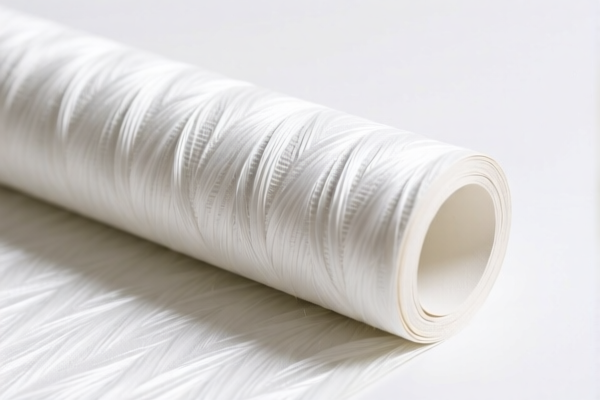
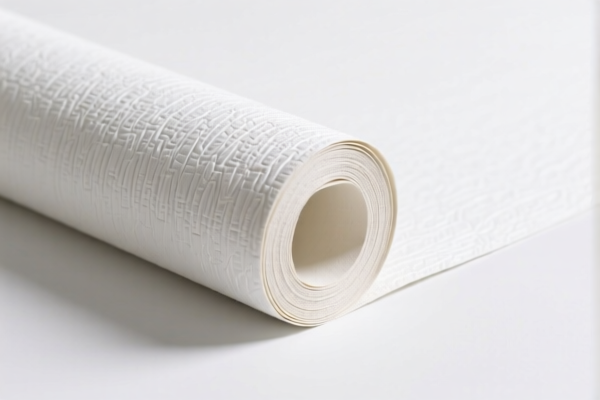
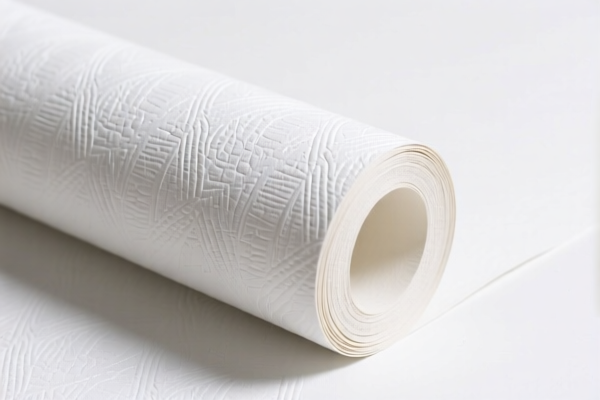
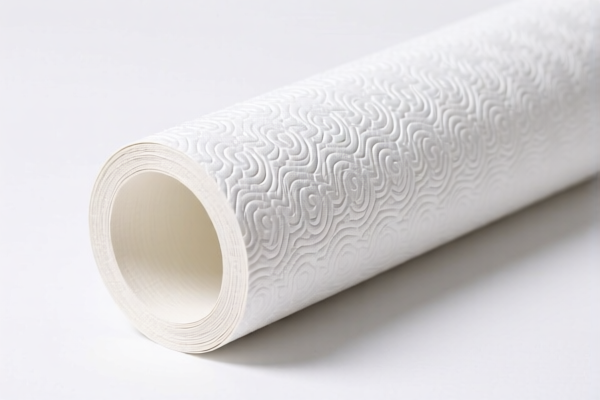
AI Analysis
🧱 PVC Wallpaper with Synthetic Fiber Backing
🌐 HS Code Reference & Customs Clearance Guide | 2026 Latest Tariff Analysis | Professional Compliance Strategy
📌 I. Product Definition & Classification: What is this product really?
PVC Wallpaper with Synthetic Fiber Backing is a decorative construction material consisting of a surface layer made of Polyvinyl Chloride (PVC) and a backing layer made of synthetic fibers. In international trade, classification depends heavily on whether it is viewed as a plastic product or a textile fabric.
Key Distinction Points:
- If the product is primarily defined by its plastic composition and used as a wallcovering (non-woven plastic sheeting), it may fall under Chapter 39.
- If the product is defined by the textile backing (synthetic fiber) having been impregnated/coated with PVC, it falls under Chapter 59 (Impregnated, Coated, Covered, or Laminate Textile Fabrics).
⚠️ Critical Classification Logic:
- Chapter 39 (Plastics): Focuses on the PVC layer as the primary material. Suitable if the backing is secondary or integral to the plastic sheet structure.
- Chapter 59 (Textiles): Focuses on the textile fabric (synthetic fiber) that has been treated with PVC. Suitable if the fabric structure is dominant and the PVC is a coating/impregnation.
📦 II. HS Code Classification Details (2026 Latest Tariff Authority Comparison)
Based on the provided data, here are the four potential HS Codes and their specific rationales:
| HS Code | Product Description | Classification Rationale | Primary Material Focus |
|---|---|---|---|
3918.10.32.50 |
Wear-resistant PVC Wall Film with Synthetic Fiber Backing | Described as a wall film made of PVC, with synthetic fiber backing, fitting the description of "plastic wall coverings with artificial fiber layers." | PVC (Plastic) |
5903.10.20.90 |
Wear-resistant PVC Wall Film with Synthetic Fiber Backing | PVC is identified as polyvinyl chloride; the film format fits "impregnated/coated/laminated" forms; synthetic fiber backing aligns with "artificial fibers." | Textile Fabric + PVC Coating |
5903.10.25.00 |
Wear-resistant PVC Wall Film with Synthetic Fiber Backing | Includes PVC material and film/fabric form; fits characteristics of polyvinyl chloride impregnated/coated textile fabrics; categorized as "other" subcategory. | Textile Fabric (Other) |
3918.10.31.50 |
Wear-resistant PVC Wall Film with Synthetic Fiber Backing | Material is PVC, form is wall film, includes synthetic fiber backing; fits plastic component and backing description; classified as non-woven decorative film. | Plastic Component |
🔍 重点提醒 (Key Reminder):
- The difference between 3918 and 5903 is the Legal Note 2 to Section XI (Textiles) vs. Section XVI (Machinery/Plastics).
- If the textile backing is strong enough to stand alone before PVC application, 5903 is often preferred by customs for wall coverings.
- If the PVC is the dominant feature and the backing is merely a stabilizer, 3918 may apply.
- Misclassification risk: High. Customs may challenge the primary characteristic argument.
💰 III. 2026 Latest Tariff Rate Details (Including Surtaxes & Policy Surcharges)
✅ Applicable Country: USA (US)
✅ Origin: China (CN)
✅ Effective Time: 2025 November 10 onwards (including subsequent imports)
🎯 1. 3918.10.32.50 —— PVC Wall Film with Synthetic Fiber Backing (Plastic Category)
| Item | Content |
|---|---|
| Base Tariff | 6.5% (ad valorem) |
| Section 301 Surtax | +25.0% |
| Section 122 Tariff | +10.0% |
| Total Tariff Rate | 41.5% |
| Tax Calculation | CIF Value × 41.5% |
| De Minimis Exemption | ❌ Not Applicable |
| Legal Basis Path | USITC:3918.10.32.50 → Section 301: Footnote 9903.88.01 → Section 122 |
📌 Explanation:
- Base 6.5%: Standard MFN rate for plastic wall coverings.
- 25% Section 301: Additional duty on Chinese goods under Trade Act Section 301.
- 10% Section 122: Potential additional duty under IEEPA Section 122 (if active/legislative status allows).
- Total 41.5%: High burden for plastic-based classification.
🎯 2. 5903.10.20.90 —— Impregnated/Coated Synthetic Fiber Fabric (Textile Category)
| Item | Content |
|---|---|
| Base Tariff | 0.0% (ad valorem) |
| Section 301 Surtax | +25.0% |
| Section 122 Tariff | +10.0% |
| Total Tariff Rate | 35.0% |
| Tax Calculation | CIF Value × 35.0% |
| De Minimis Exemption | ❌ Not Applicable |
| Legal Basis Path | USITC:5903.10.20.90 → Section 301 → Section 122 |
📌 Advantage:
- Savings: 6.5% lower than the3918classification due to 0% base tariff.
- Logic: This is the most cost-effective option if the textile backing is deemed primary.
🎯 3. 5903.10.25.00 —— Other Impregnated/Coated Textile Fabrics
| Item | Content |
|---|---|
| Base Tariff | 7.5% (ad valorem) |
| Section 301 Surtax | +25.0% |
| Section 122 Tariff | +10.0% |
| Total Tariff Rate | 42.5% |
| Tax Calculation | CIF Value × 42.5% |
| De Minimis Exemption | ❌ Not Applicable |
| Legal Basis Path | USITC:5903.10.25.00 → Section 301 → Section 122 |
📌 Warning:
- This is the most expensive option among the four.
- Used only if the product does not fit the specific "polyvinyl chloride impregnated" definition of5903.10.20.
🎯 4. 3918.10.31.50 —— Non-Woven Plastic Wall Coverings
| Item | Content |
|---|---|
| Base Tariff | 4.2% (ad valorem) |
| Section 301 Surtax | +25.0% |
| Section 122 Tariff | +10.0% |
| Total Tariff Rate | 39.2% |
| Tax Calculation | CIF Value × 39.2% |
| De Minimis Exemption | ❌ Not Applicable |
| Legal Basis Path | USITC:3918.10.31.50 → Section 301 → Section 122 |
📌 Comparison:
- Savings: 5.8% cheaper than3918.10.32.50.
- Logic: Applicable if the backing is classified as "non-woven" rather than "synthetic fiber fabric" in the plastic context.
🛠️ IV. Customs Clearance Practical Advice (Real-World Pitfall Avoidance)
✅ 1. Documentation Checklist (All Required)
| Document | Mandatory | Explanation |
|---|---|---|
| ✅ Product Specification Sheet | ✔️ | Must detail: PVC thickness, synthetic fiber type (e.g., polyester, nylon), total thickness, and weight per square meter. |
| ✅ Composition Breakdown | ✔️ | Explicitly state % by weight/volume of PVC vs. Synthetic Fiber. Critical for determining "essential character." |
| ✅ Product Photos | ✔️ | Clear images showing the surface texture, backing structure, and any roll ends. |
| ✅ Commercial Invoice | ✔️ | Must accurately describe as "PVC Wallpaper with Synthetic Fiber Backing" (or similar). Avoid vague terms like "plastic sheet." |
| ✅ Packing List | ✔️ | Confirm dimensions and weight. |
| ✅ Test Reports | ✔️ | If available, third-party lab reports confirming PVC content and fiber type. |
✅ 2. Declaration Strategy (Key Mantra)
🔥 "Base Tariff Matters Most! Textile 0% Wins, Plastic Pays Extra!"
| Scenario | Recommended HS Code | Total Tax | Why? |
|---|---|---|---|
| Synthetic Fiber Backing is Primary | 5903.10.20.90 |
35.0% | Lowest total tax due to 0% base rate. |
| PVC Surface is Primary, Non-Woven Backing | 3918.10.31.50 |
39.2% | Good alternative if textile classification is rejected. |
| PVC Surface is Primary, Woven/Synthetic Backing | 3918.10.32.50 |
41.5% | Standard plastic wall covering classification. |
| Other Impregnated Fabric (No Specific Fit) | 5903.10.25.00 |
42.5% | Avoid unless necessary; highest tax. |
📌 Advice:
- Aim for5903.10.20.90if possible, as it saves 6.5% on the base tariff compared to the best plastic option.
- Ensure the synthetic fiber backing is substantial. If it’s a thin paper-like backing, customs may reject 5903 and force 3918.
✅ 3. Special Handling
| Situation | Handling Suggestion |
|---|---|
| OEM Custom Wallpaper | Provide design files and material specs to prove consistency with 5903 classification. |
| Mixed Rolls (Different Backings) | Declare separately. Do not mix 3918 and 5903 items in one line item. |
| Dispute on "Essential Character" | If customs argues PVC is dominant, be prepared to provide physical samples showing the strength and structure of the synthetic fiber backing. |
| Section 122 Uncertainty | Monitor legislative updates. If Section 122 expires or changes, the 10% surcharge may disappear, significantly reducing costs. |
🌍 V. Global Market Clearance Comparison (2026 Latest)
| Country/Region | Recommended HS Code | Tariff (China Origin) | Certification Requirements | Notes |
|---|---|---|---|---|
| 🇺🇸 USA | 5903.10.20.90 |
35.0% | No specific cert for duty, but RoHS/REACH if sold in EU/US markets. | Highest complexity due to Section 301 & 122. |
| 🇨🇳 China | 5903.10.20.90 |
~5-7% | CCC (if applicable) | No Section 301/122. |
| 🇪🇺 EU | 5903.10.20.90 |
0-6.5% | CE, REACH, VOC Emissions | Low duty if REACH compliant. |
| 🇬🇧 UK | 5903.10.20.90 |
0-6.5% | UKCA, REACH | Post-Brexit rules apply. |
| 🇦🇺 Australia | 5903.10.20.90 |
5% | GSR (Government Supply Rules) | No major surcharges. |
📌 Conclusion:
- USA is the most challenging market due to high surtaxes.
- Textile classification (5903) is the key to tax optimization in the US.
- Non-US markets are far more favorable, with no Section 301/122 burdens.
📌 VI. Common Mistakes & Pitfall Guide (Lessons Learned)
❌ Mistake 1: Declaring as "Plastic Sheet" (3921)
👉 Consequence: Wrong HS Code. Customs will reclassify to 3918 or 5903, leading to delays and fines.
❌ Mistake 2: Ignoring the Backing Material
👉 Consequence: If you only describe "PVC Wallpaper," customs may default to the highest duty plastic code. Always specify "Synthetic Fiber Backing."
❌ Mistake 3: Assuming De Minimis Applies
👉 Consequence: Under $800 shipments (Section 321) are NOT exempt from Section 301/122 tariffs for Chinese goods. All taxes apply.
✅ Correct Practice:
"PVC Wallcovering, Surface: Polyvinyl Chloride (PVC), Backing: Synthetic Polyester Fiber Non-Woven, Roll Form, Wear-Resistant, Model: ABC123"
🎯 VII. Conclusion: Professional Declaration, Save Costs, Ensure Compliance!
🎯 Remember the Mantra:
🔹 "Backings Matter! Synthetic 0% Base, Plastic 4-7% Base. Total Tax = Base + 25% + 10%."
🔹 "5903.10.20.90 is the Gold Standard for Tax Savings in the USA."
🔹 "Always Declare Chinese Origin Explicitly to Avoid Surprises."
📌 Pro Tip:
- If your product’s synthetic backing is very thin (<0.5mm), customs might still prefer 3918.
- Request a Binding Ruling (Pre-Arrival Review) from U.S. Customs if the shipment value is high. This locks in the 5903 classification and avoids post-clearance audits.
📣 Immediate Action:
📞 Consult a licensed customs broker with your physical sample.
🚀 Optimize for5903.10.20.90to save 6.5% on every dollar of CIF value.
💼 Your profit margin depends on precise classification!
✨ Professional Clearance Starts with Precise Classification!
💼 Every cent counts. Don’t overpay tariffs!
Customer Reviews
About HS Code Classification
The Harmonized System (HS) is an internationally standardized nomenclature developed by the World Customs Organization (WCO) to classify traded products. Over 200 countries use the HS system as the basis for customs tariffs, trade statistics, and import/export regulations.
Each HS code follows a hierarchical structure:
- Chapter (2 digits) — Broad category of goods (e.g., Chapter 84: Machinery and Mechanical Appliances)
- Heading (4 digits) — More specific grouping within the chapter
- Subheading (6 digits) — Internationally standardized breakdown, used by all WCO member countries
- National subdivisions (8-10 digits) — Country-specific extensions for further classification, such as US HTSUS 10-digit codes
Correct HS code classification is essential for smooth customs clearance, accurate duty payment, and compliance with trade regulations. Misclassification can lead to customs delays, overpayment of duties, or penalties.
When importing from CN to US, the applicable tariff rates may include:
- Most-Favored-Nation (MFN) rate — The standard duty rate applied to WTO members
- General rate — Applied to countries without trade agreements
- Trade remedy duties — Additional tariffs such as Section 301 (anti-dumping), Section 232 (national security), or countervailing duties
The information provided on this page is for reference purposes only. For official classification, please consult with your local customs authority or a licensed customs broker.