PVC Waterproof Tarpaulin
CN → US| HS Code | Tariff Rate | Origin | Destination | Doc |
|---|---|---|---|---|
| 3921121500 | 41.5% | CN | US | Official Doc |
| 5903102010 | 35.0% | CN | US | Official Doc |
| 6306120000 | 18.8% | CN | US | Official Doc |
| 3921121100 | 39.2% | CN | US | Official Doc |
| 6306192110 | 22.6% | CN | US | Official Doc |
Product Images
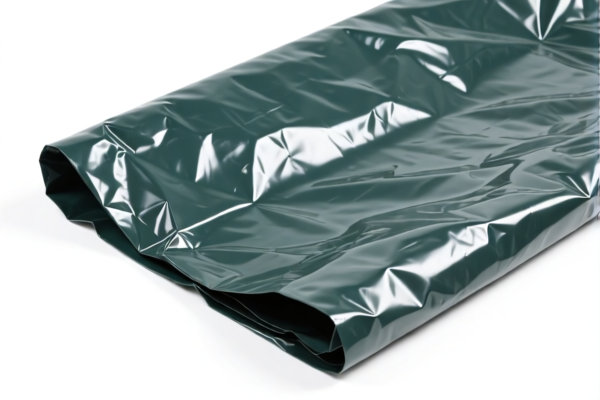
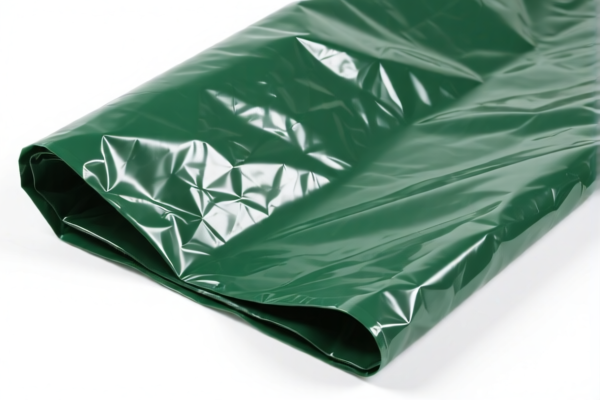
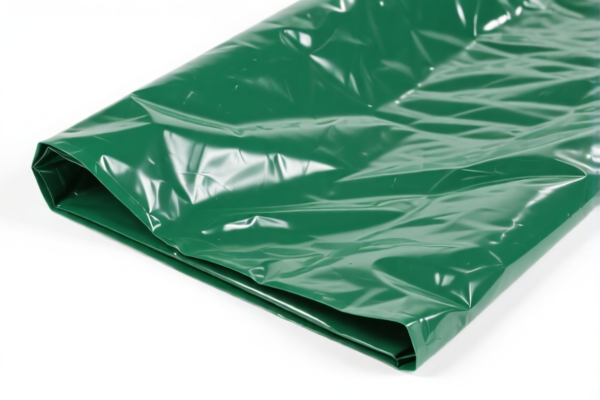
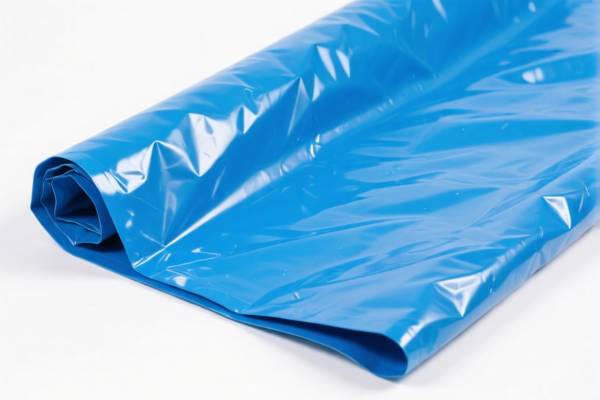
AI Analysis
🛡️ PVC Waterproof Tarpaulin: HS Code Classification & US Customs Clearance Strategy (2026)
🌐 HS Code Reference & Customs Guide | 2026 Latest Tariff Analysis | Professional Clearance Strategy
📌 I. Product Definition: What Exactly is a "PVC Tarpaulin"?
PVC Waterproof Tarpaulin is a versatile industrial and commercial material composed of a textile base (often polyester or nylon) coated, laminated, or impregnated with Polyvinyl Chloride (PVC). It is widely used for covering trucks, warehouses, swimming pools, and outdoor storage due to its waterproof, UV-resistant, and durable properties.
⚠️ Key Distinction for Customs:
The classification hinges on two main factors:
1. Primary Character: Is it primarily viewed as a plastic product (plastic-coated fabric acting as plastic) or a textile product (fabric impregnated with plastic)?
2. End Use: Is it classified as a generic "plastic sheet" or specifically as a "tarpaulin/tent" (textile covering)?
Critical Note:
- If the PVC coating is the dominant feature making it waterproof and plastic-like → Chapter 39 (Plastics)
- If it is a textile fabric with PVC impregnation used for covering/tenting → Chapter 63 (Other Made-up Textile Articles)
📦 II. HS Code Classification Details (2026 Latest Tariff Authority Comparison)
Below are the 5 most relevant HS Codes for PVC Tarpaulin imports into the US, based on the provided data.
| HS Code | Product Description | Applicable Scenario | Primary Characteristic |
|---|---|---|---|
3921.12.15.00 |
Other plates, sheets, film, foil & strip, of PVC | PVC-coated fabric treated as a plastic composite sheet | Plastic Composite (PVC dominates) |
5903.10.20.10 |
Textile fabric impregnated, coated, covered or laminated with PVC | Tarpaulin viewed as impregnated textile material | Impregnated Textile (PVC as coating) |
6306.12.00.00 |
Tarpaulins, tent sails, sunblinds & awnings, of synthetic fibers | Tarpaulin viewed as a "Tarpaulin" (Finished Article) | Finished Textile Article (Tarpaulin) |
3921.12.11.00 |
Other plates, sheets, film, foil & strip, of PVC | Plastic plate/sheet with textile backing (Composite) | Plastic Composite (Structured Plate) |
6306.19.21.10 |
Other tarpaulins, of artificial fibers | Tarpaulin of other synthetic materials (if PVC classified here) | Other Textile Tarpaulin |
🔍 Key Takeaway:
- Cheapest Duty:6306.12.00.00(18.8% total) if classified as a finished tarpaulin.
- Highest Duty:3921.12.15.00(41.5% total) if classified as a plastic composite sheet.
- Middle Ground:5903.10.20.10(35.0%) and6306.19.21.10(22.6%) depend on specific fabric structure and usage.
💰 III. 2026 US Tariff Rate Breakdown (Detailed Analysis)
✅ Applicable Country: USA
✅ Country of Origin: China (CN)
✅ Effective Date: 2025/2026 (Includes Section 301 & 122(e) Tariffs)
🎯 1. 3921.12.15.00 —— PVC Plastic Composite Sheets (Highest Risk)
| Item | Detail |
|---|---|
| Base Tariff | 6.5% |
| Section 301 Tariff | +25.0% |
| Section 122(e) Tariff | +10.0% |
| Total Effective Rate | 41.5% |
| Tax Calculation | CIF Value × 41.5% |
| De Minimis Exemption | ❌ Not Eligible |
| Legal Basis | USITC:3921.12.15.00 → FOOTNOTE:301 → IEEPA:122 |
📌 Explanation:
- This code treats the tarpaulin as a plastic product.
- The 25% Section 301 tariff applies to Chinese plastic products.
- The 10% Section 122(e) tariff (if currently in effect for this category) adds further cost.
- Risk: High duty burden. Only use if customs strictly defines it as a plastic sheet rather than a textile article.
🎯 2. 5903.10.20.10 —— PVC-Impregnated Textile Fabric
| Item | Detail |
|---|---|
| Base Tariff | 0.0% |
| Section 301 Tariff | +25.0% |
| Section 122(e) Tariff | +10.0% |
| Total Effective Rate | 35.0% |
| Tax Calculation | CIF Value × 35.0% |
| De Minimis Exemption | ❌ Not Eligible |
| Legal Basis | USITC:5903.10.20.10 → FOOTNOTE:301 → IEEPA:122 |
📌 Explanation:
- Classifies the product as textile fabric impregnated with PVC.
- Base duty is 0%, but 301 and 122(e) tariffs still apply fully.
- Advantage: Lower than3921but still significant due to add-on tariffs.
🎯 3. 6306.12.00.00 —— Synthetic Fiber Tarpaulins (Best Value*)
| Item | Detail |
|---|---|
| Base Tariff | 8.8% |
| Section 301 Tariff | 0.0% (Note: See below) |
| Section 122(e) Tariff | +10.0% |
| Total Effective Rate | 18.8% |
| Tax Calculation | CIF Value × 18.8% |
| De Minimis Exemption | ❌ Not Eligible |
| Legal Basis | USITC:6306.12.00.00 → IEEPA:122 |
📌 Explanation:
- This is the most favorable code if the product is clearly a "Tarpaulin" made of synthetic fibers.
- Crucial Point: Section 301 tariffs (25%) often do not apply to certain textile articles in Chapter 63, depending on current HTSUS rulings.
- Savings: Significantly lower than plastic classifications.
- ⚠️ Verification Required: Confirm with customs broker if Chapter 63 tarpaulins are exempt from Section 301 in 2026.
🎯 4. 3921.12.11.00 —— PVC Composite Plates/Sheets
| Item | Detail |
|---|---|
| Base Tariff | 4.2% |
| Section 301 Tariff | +25.0% |
| Section 122(e) Tariff | +10.0% |
| Total Effective Rate | 39.2% |
| Tax Calculation | CIF Value × 39.2% |
| De Minimis Exemption | ❌ Not Eligible |
| Legal Basis | USITC:3921.12.11.00 → FOOTNOTE:301 → IEEPA:122 |
📌 Explanation:
- Similar to3921.12.15.00but may refer to a different thickness or structure of PVC composite.
- Still subject to high 301 and 122(e) tariffs.
- Recommendation: Avoid unless product structure forces this classification.
🎯 5. 6306.19.21.10 —— Other Artificial Fiber Tarpaulins
| Item | Detail |
|---|---|
| Base Tariff | 5.1% |
| Section 301 Tariff | +7.5% |
| Section 122(e) Tariff | +10.0% |
| Total Effective Rate | 22.6% |
| Tax Calculation | CIF Value × 22.6% |
| De Minimis Exemption | ❌ Not Eligible |
| Legal Basis | USITC:6306.19.21.10 → FOOTNOTE:301 → IEEPA:122 |
📌 Explanation:
- A "catch-all" for tarpaulins not specifically listed in6306.12.
- Subject to a lower 301 tariff (7.5%) compared to plastic codes.
- Middle-ground option: Higher base duty than6306.12, but lower 301 impact.
🛠️ IV. Customs Clearance Practical Advice (Battle-Tested)
✅ 1. Documentation Checklist (Non-Negotiable)
| Document | Required | Purpose |
|---|---|---|
| Product Specification Sheet | ✔️ | Must state: "PVC Coated Polyester Tarpaulin," dimensions, thickness, weight/sqm. |
| Commercial Invoice | ✔️ | Must clearly describe item as "Tarpaulin" or "Cover," not just "Plastic Sheet." |
| Packing List | ✔️ | Detailed weight and dimensions. |
| Material Composition Statement | ✔️ | Confirm % of textile vs. PVC coating to support Chapter 63 classification. |
| Photos of Product | ✔️ | Show texture, hooks, grommets (if any) to prove it's a finished tarpaulin. |
✅ 2. Classification Strategy (Key Mnemonic)
🔥 "Finish it as Tarp, Don't call it Plastic Sheet!"
| Scenario | Correct Classification | Duty Impact |
|---|---|---|
| Rolled Tarp with Grommets/Handles | 6306.12.00.00 |
✅ Lowest (18.8%) |
| Plain Roll, No Hardware | 5903.10.20.10 or 6306.19.21.10 |
⚠️ Medium (22-35%) |
| Thick Rigid PVC Sheet (No Fabric) | 3921.12.15.00 |
❌ Highest (41.5%) |
📌 Critical Tip:
- If the product has grommets, ropes, or handles, it is more likely to be classified as a finished article (Chapter 63).
- If it is a plain roll with no added accessories, customs may argue it is raw material (Chapter 59 or 39).
✅ 3. Special Cases & Handling
| Case | Handling Advice |
|---|---|
| OEM Custom Sizes | Provide cut lists and dimensions. If cut to specific shapes, strongly argue for Chapter 63. |
| Multi-Layer Fabric | Specify layers (e.g., "Polyester mesh laminated with PVC on both sides"). Helps justify 5903 or 6306. |
| Military/Industrial Use | If used for specific military tents, check for preferential rates or exemptions. |
| De Minimis (Section 321) | ❌ Not Eligible for these HS Codes due to high tariffs and "China-origin" restrictions. Must file formal entry. |
🌍 V. Global Market Comparison (2026)
| Country/Region | Recommended HS Code | Tariff Rate | Certification Required | Notes |
|---|---|---|---|---|
| 🇺🇸 USA | 6306.12.00.00 |
18.8% | None (unless hazardous) | Best option if classified as tarp. |
| 🇨🇳 China | 6306.12.00.00 |
~5-8% | RoHS (if applicable) | Low duty, no 301/122 tariffs. |
| 🇪🇺 EU | 6306.22.00.00 |
4.7% + VAT | REACH (PFAS restrictions) | PFAS regulations may impact PVC use. |
| 🇬🇧 UK | 6306.22.00.00 |
4.7% + VAT | UKCA (if applicable) | Post-Brexit rules apply. |
| 🇦🇺 Australia | 6306.22.00.00 |
5% | None | No major anti-dumping on PVC tarps. |
📌 Conclusion:
- USA is the most expensive market due to Section 301 and 122(e) tariffs.
- Divergence from EU/China: EU/China have much lower base duties.
- PFAS Concerns: EU is increasingly restricting perfluorochemicals (used in some PVC treatments). Check material safety data sheets (MSDS).
📌 VI. Common Mistakes & Pitfalls (Learn from Others' Failures)
❌ Mistake 1: Classifying "PVC Tarpaulin" as 3921.12.15.00 (Plastic Sheet)
👉 Consequence: You pay 41.5% duty instead of 18.8%. Overpayment by ~23%.
❌ Mistake 2: Not declaring "PVC Coated" clearly
👉 Consequence: Customs may classify as generic textile (6306.19.21.10) or plastic (3921), leading to audits and back-taxes.
❌ Mistake 3: Ignoring Section 122(e) Tariffs
👉 Consequence: Even if base duty is 0%, the 10% IEEPA tariff applies. Many brokers miss this.
✅ Correct Practice:
"PVC Coated Polyester Tarpaulin, 10x12 ft, with Grommets, Waterproof, Heavy Duty"
HS Code:6306.12.00.00
Duty: 18.8%
🎯 VII. Conclusion: Professional Classification Saves Money
🎯 Remember the Golden Rule:
🔹 "Finish it as Tarp, Not Plastic Sheet."
🔹 Chapter 63 (Tarpaulins) < Chapter 59/39 (Impregnated/Plastic) in Duty Cost.
🔹 Always verify Section 301 applicability for Chapter 63.
📌 Pro Tip:
If your PVC tarpaulin contains PFAS (Per- and Polyfluoroalkyl Substances), ensure compliance with EPA and EU REACH regulations. Non-compliance can lead to seizure and fines, regardless of duty rate.
📣 Immediate Action:
📞 Consult a licensed US Customs Broker for a Pre-Ruling Request.
📄 Submit product samples and specs to confirm6306.12.00.00eligibility.
🚀 Minimize duty burden by choosing the correct textile classification!
✨ Accurate Classification Starts Here!
💼 Every Percentage Point Counts in International Trade!
Customer Reviews
About HS Code Classification
The Harmonized System (HS) is an internationally standardized nomenclature developed by the World Customs Organization (WCO) to classify traded products. Over 200 countries use the HS system as the basis for customs tariffs, trade statistics, and import/export regulations.
Each HS code follows a hierarchical structure:
- Chapter (2 digits) — Broad category of goods (e.g., Chapter 84: Machinery and Mechanical Appliances)
- Heading (4 digits) — More specific grouping within the chapter
- Subheading (6 digits) — Internationally standardized breakdown, used by all WCO member countries
- National subdivisions (8-10 digits) — Country-specific extensions for further classification, such as US HTSUS 10-digit codes
Correct HS code classification is essential for smooth customs clearance, accurate duty payment, and compliance with trade regulations. Misclassification can lead to customs delays, overpayment of duties, or penalties.
When importing from CN to US, the applicable tariff rates may include:
- Most-Favored-Nation (MFN) rate — The standard duty rate applied to WTO members
- General rate — Applied to countries without trade agreements
- Trade remedy duties — Additional tariffs such as Section 301 (anti-dumping), Section 232 (national security), or countervailing duties
The information provided on this page is for reference purposes only. For official classification, please consult with your local customs authority or a licensed customs broker.