PVC bag with plastic or textile outer layer
CN → US| HS Code | Tariff Rate | Origin | Destination | Doc |
|---|---|---|---|---|
| 3926909989 | 22.8% | CN | US | Official Doc |
| 4202122150 | 55.0% | CN | US | Official Doc |
| 3923290000 | 38.0% | CN | US | Official Doc |
| 3926903300 | 16.5% | CN | US | Official Doc |
| 3923210095 | 38.0% | CN | US | Official Doc |
Product Images
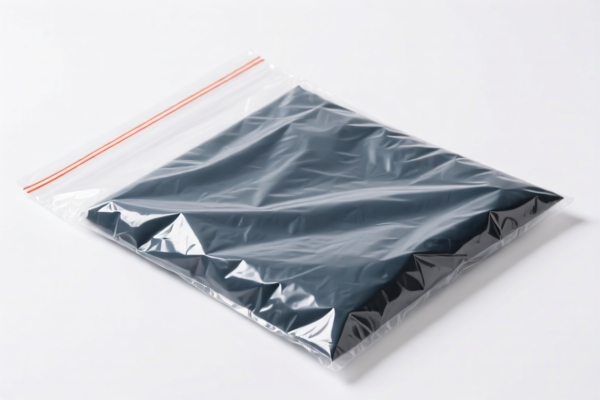
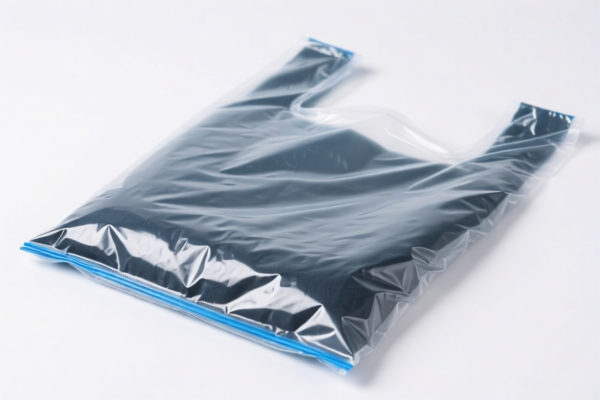
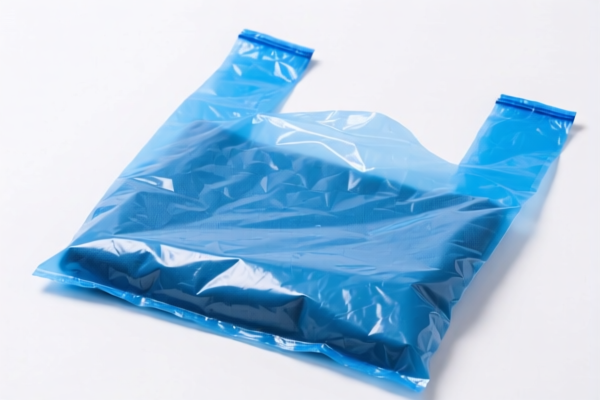
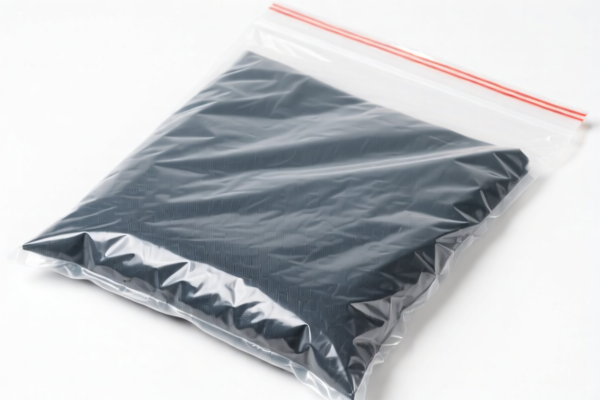
AI Analysis
🎒 PVC Bag with Plastic or Textile Outer Layer
🌐 HS Code Reference & Customs Clearance Guide | 2026 Latest Tariff Analysis | Professional-Level Clearance Strategy
📌 I. Product Definition & Classification: What Exactly Is This "PVC Bag"?
This product is a bag/container primarily characterized by its PVC (Polyvinyl Chloride) composition. The key ambiguity lies in the "outer layer," which can be either plastic or textile. In international trade, the classification depends heavily on whether the item is viewed as a packaging material or a finished article (like a handbag/luggage).
Key Classification Divergence: * If viewed as Packaging/Industrial Sack: Classified under Chapter 39 (Plastics) or Chapter 42 (if outer material dominates). * If viewed as a Fashion Accessory/Handbag: Classified under Heading 4202 (Articles of leather or plastic sheeting).
⚠️ Critical Distinction Point:
- If the bag is intended for industrial packing, bulk storage, or simple containment (e.g., heavy-duty sacks, vacuum bags) → Leans towards 3923 or 3926.
- If the bag has handles, zippers, branding, and is designed for personal use/luxury → Leans towards 4202.
📦 II. HS Code Classification Details (2026 Latest Tariff Authority Comparison)
Based on the provided data, here are the five potential HS Codes, ranked by strategic clearance advice (Tax Efficiency vs. Accuracy):
| HS Code | Product Description | Summary of Classification Logic | Total Tax Rate* |
|---|---|---|---|
| 3926.90.33.00 | Other plastic articles; Bags & Handbags | BEST OPTION: Material is PVC (Plastic). Form is a bag. Fits "Other plastic articles" sub-category. | 16.5% |
| 3926.90.99.89 | Other plastic articles (General Catch-all) | Material: Contains PVC. Form: Bag. General catch-all for plastic bags not elsewhere specified. | 22.8% |
| 3923.29.00.00 | Plastic sacks & bags | Material: PVC. Form: Bag/Sack. Excludes specific exclusions. Outer layer doesn't change plastic packaging status. | 38.0% |
| 3923.21.00.95 | Bags & containers, polyethylene | Material: PVC (Polyvinyl Chloride, an ethylene polymer). Form: Sack. No conflict with exclusions. | 38.0% |
| 4202.12.21.50 | Travel goods, handbags, etc., with outer surface of plastic sheeting or textile | HIGH RISK: Matches "Plastic/Textile outer layer" + "Bag". But carries highest tariff. | 55.0% |
🔍 重点提醒 (Key Takeaway):
- 3926.90.33.00 offers the lowest tax rate (16.5%) while remaining defensible as a "plastic article/bag."
- 4202.12.21.50 is the "strict" classification if the bag looks like a luxury handbag or has textile elements dominating, but it incurs a punitive 55% tax.
- 3923 Series (Packaging) is accurate for industrial use but carries higher tariffs (38%) due to USITC duties.
💰 III. 2026 Latest Tariff Rate Breakdown (Including Duties & Surcharges)
✅ Applicable Country: United States (US)
✅ Country of Origin: China (CN)
✅ Effective Date: Post-November 10, 2025 (Includes subsequent imports)
🎯 1. 3926.90.33.00 —— Best Case Scenario (Lowest Tax)
| Item | Content |
|---|---|
| Base Tariff | 6.5% |
| USITC Surcharge (Section 301) | 0.0% |
| IEEPA Surcharge (Section 122/Other) | 10.0% |
| Total Effective Tax Rate | 16.5% |
| Tax Calculation | CIF Value × 16.5% |
| De Minimis Exemption | ❌ Not Applicable (High value items subject to full duty) |
| Legal Basis Path | Base: 6.5% + IEEPA: 10% = 16.5% |
📌 Explanation:
- This code falls under "Other plastic articles."
- While base duty is 6.5%, the IEEPA 10% surcharge still applies to Chinese-origin plastic articles.
- Crucially, it avoids the steep 25% Section 301 tariff often applied to other plastic categories or Chapter 42 goods.
🎯 2. 3926.90.99.89 —— General Plastic Articles
| Item | Content |
|---|---|
| Base Tariff | 5.3% |
| USITC Surcharge (Section 301) | 7.5% |
| IEEPA Surcharge | 10.0% |
| Total Effective Tax Rate | 22.8% |
| Tax Calculation | CIF Value × 22.8% |
| De Minimis Exemption | ❌ Not Applicable |
📌 Note:
- Slightly higher tax than 33.00 due to the 7.5% USITC surcharge on this specific sub-category.
- Still significantly cheaper than Chapter 42 options.
🎯 3. 3923.29.00.00 & 3923.21.00.95 —— Packaging/Sacks
| Item | Content |
|---|---|
| Base Tariff | 3.0% |
| USITC Surcharge (Section 301) | 25.0% |
| IEEPA Surcharge | 10.0% |
| Total Effective Tax Rate | 38.0% |
| Tax Calculation | CIF Value × 38.0% |
| De Minimis Exemption | ❌ Not Applicable |
📌 Warning:
- Although the base tariff is low (3%), the 25% Section 301 duty drastically increases the cost.
- Only consider if the product is strictly industrial packaging (e.g., bulk liquid bags, heavy-duty sacks) and not consumer goods.
🎯 4. 4202.12.21.50 —— High Risk (Luxury/Textile Outer)
| Item | Content |
|---|---|
| Base Tariff | 20.0% |
| USITC Surcharge (Section 301) | 25.0% |
| IEEPA Surcharge | 10.0% |
| Total Effective Tax Rate | 55.0% |
| Tax Calculation | CIF Value × 55.0% |
| De Minimis Exemption | ❌ Not Applicable |
📌 Critical Alert:
- This is the most expensive classification.
- Applies if customs determines the bag is a fashion item with a textile outer layer (even if PVC is used inside).
- Avoid this code unless the product is explicitly a luxury handbag to avoid massive cost overruns.
🛠️ IV. Customs Clearance Practical Advice (Real-World Pitfall Guide)
✅ 1. Documentation Checklist (Non-Negotiable)
| Document | Required? | Explanation |
|---|---|---|
| ✅ Product Specification Sheet | ✔️ | Must clearly state material composition: % PVC, % Textile (if any). |
| ✅ High-Resolution Photos | ✔️ | Show front, back, handles, zippers, and label. If it looks like a handbag, expect Chapter 42 scrutiny. |
| ✅ Commercial Invoice | ✔️ | Description should match HS Code logic. E.g., "PVC Plastic Storage Bag" vs. "PVC Fashion Handbag." |
| ✅ Packing List | ✔️ | Confirm weight and dimensions. |
| ✅ Third-Party Test Report | ✔️ | Optional but helpful: Chemical composition analysis to confirm PVC dominance. |
✅ 2. Classification Strategy (Key Mnemonic)
🔥 "Look Like Bag? Use 4202. Look Like Sack? Use 3923. Look Like Plastic Toy/Part? Use 3926."
| Scenario | Recommended HS Code | Reason |
|---|---|---|
| Consumer PVC Bag (e.g., tote, cosmetic bag) | 3926.90.33.00 | Lowest tax (16.5%). Justify as "Plastic Article." |
| Industrial Bulk Bag | 3923.29.00.00 | Justify as "Packaging Material." Tax 38%. |
| Luxury Handbag with PVC/Textile | 4202.12.21.50 | Mandatory if high-end branding/design. Tax 55%. |
| Mixed Material (Textile > 50% weight) | 4202.12.21.50 | Textile outer layer triggers Chapter 42. Tax 55%. |
✅ 3. Special Handling Cases
| Situation | Handling Advice |
|---|---|
| Textile Outer Layer Present? | If textile is dominant, customs will likely push for 4202. Argue that PVC is the primary material/functional layer to stay in 3926. |
| Brand Name/Logo Visible? | Presence of branding increases likelihood of 4202 classification. Use unbranded "generic" packaging in documentation if possible. |
| Customs Audit Trigger | Provide a Pre-Ruling Application (ACE Portal) if volume is high. |
| De Minimis (Section 321) | Do NOT rely on De Minimis for these HS codes. The tax burden is high, and high-risk goods are frequently audited at low-volume thresholds. |
🌍 V. Global Market Comparison (2026 Latest)
| Country/Region | Recommended HS Code | Tariff (China Origin) | Certification | Note |
|---|---|---|---|---|
| 🇺🇸 USA | 3926.90.33.00 |
16.5% | N/A | Best option. Avoid 4202 (55%). |
| 🇨🇳 China | 3926.90.99.89 |
~10-13% | N/A | Import duty lower, but VAT applies. |
| 🇪🇺 EU | 4202.12.00.00 |
4.5% | CE (if toy/luxury) | Lower tariffs, but strict REACH compliance for PVC. |
| 🇬🇧 UK | 4202.12.00.00 |
4.5% | UKCA | Post-Brexit rules align with EU. |
📌 Conclusion:
- USA is the most tariff-sensitive market for PVC bags.
- Strategic Goal: Classify under 3926.90.33.00 (16.5%) to save 38.5% compared to Chapter 42.
- Risk: Customs may challenge if the bag looks too much like a fashion accessory.
📌 VI. Common Errors & Pitfalls (Lessons Learned from Blood & Tears)
❌ Mistake 1: Declaring a Fashion PVC Bag as 3923 (Packaging)
👉 Consequence: Customs rejects based on "primary use." Penalties + Back Taxes.
❌ Mistake 2: Declaring a Simple PVC Tote as 4202 (Handbag)
👉 Consequence: Paying 55% tax instead of 16.5%. Profit Killer!
❌ Mistake 3: Ignoring the "Textile Outer Layer" Clause
👉 Consequence: If the bag has a woven fabric exterior, 4202 is legally required. Using 3926 invites an audit.
❌ Mistake 4: Using Vague Descriptions like "Plastic Bag"
👉 Consequence: High probability of manual review. Use precise terms: "PVC Vinyl Carrier Bag, Unbranded."
✅ Correct Approach:
"PVC Plastic Bag, 100% Vinyl, No Textile Outer Layer, Generic Design, Model XYZ"
Use this description to support3926.90.33.00.
🎯 VII. Conclusion: Smart Classification, Lower Costs!
🎯 Remember the Golden Rule:
🔹 "Plastic Core = 3926 (16.5%)". "Fashion/Textile = 4202 (55%)".
🔹 "Packaging = 3923 (38%)".
🔹 "HS Code Decides Profit Margin. 40% Difference is Life or Death."
📌 Pro Tip:
If your product has any textile component, ensure PVC is still the principal material by weight or function. If in doubt, apply for a Binding Ruling from US CBP before shipping.
📣 Immediate Action:
📞 Contact your freight forwarder with the exact material breakdown.
🚀 Optimize for3926.90.33.00to maximize margin.
💼 Your bottom line depends on this 40% gap!
✨ Professional Clearance, Starting from Accurate Classification!
💼 Every cent saved is pure profit!
Customer Reviews
About HS Code Classification
The Harmonized System (HS) is an internationally standardized nomenclature developed by the World Customs Organization (WCO) to classify traded products. Over 200 countries use the HS system as the basis for customs tariffs, trade statistics, and import/export regulations.
Each HS code follows a hierarchical structure:
- Chapter (2 digits) — Broad category of goods (e.g., Chapter 84: Machinery and Mechanical Appliances)
- Heading (4 digits) — More specific grouping within the chapter
- Subheading (6 digits) — Internationally standardized breakdown, used by all WCO member countries
- National subdivisions (8-10 digits) — Country-specific extensions for further classification, such as US HTSUS 10-digit codes
Correct HS code classification is essential for smooth customs clearance, accurate duty payment, and compliance with trade regulations. Misclassification can lead to customs delays, overpayment of duties, or penalties.
When importing from CN to US, the applicable tariff rates may include:
- Most-Favored-Nation (MFN) rate — The standard duty rate applied to WTO members
- General rate — Applied to countries without trade agreements
- Trade remedy duties — Additional tariffs such as Section 301 (anti-dumping), Section 232 (national security), or countervailing duties
The information provided on this page is for reference purposes only. For official classification, please consult with your local customs authority or a licensed customs broker.