PVC彩色薄膜
CN → US| HS Code | Tariff Rate | Origin | Destination | Doc |
|---|---|---|---|---|
| 3921121950 | 40.3% | CN | US | Official Doc |
| 3920490000 | 40.8% | CN | US | Official Doc |
| 3920435000 | 39.2% | CN | US | Official Doc |
| 3919905040 | 40.8% | CN | US | Official Doc |
| 3921125000 | 41.5% | CN | US | Official Doc |
Product Images
AI Analysis
🎨 PVC Colored Films: The Ultimate 2026 HS Code & Taxation Guide (US Market)
⚡ High-Stakes Tariff Analysis | 40%+ Tax Burden | Strategic Customs Clearance Strategy
⚠️ CRITICAL ALERT:
PVC Colored Films are currently facing extremely high combined tariffs (39.2% – 41.5%) when imported into the United States.
This includes: Base Duty (4.2% – 6.5%) + Section 301 Surcharge (25.0%) + Section 122 Surcharge (10%).
Do not under-declare! Misclassification leads to seizures, fines, and 89%+ back taxes.
📌 1. Product Definition: What is "PVC Colored Film"?
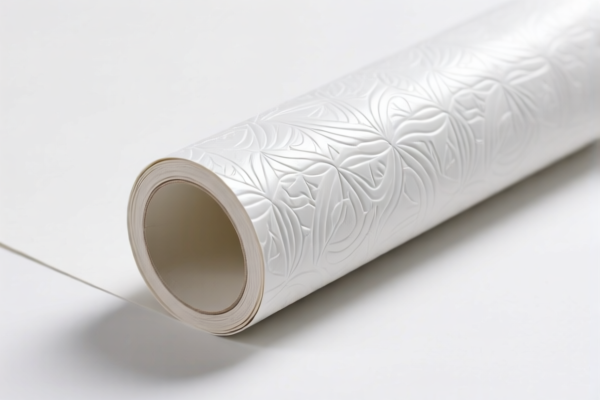
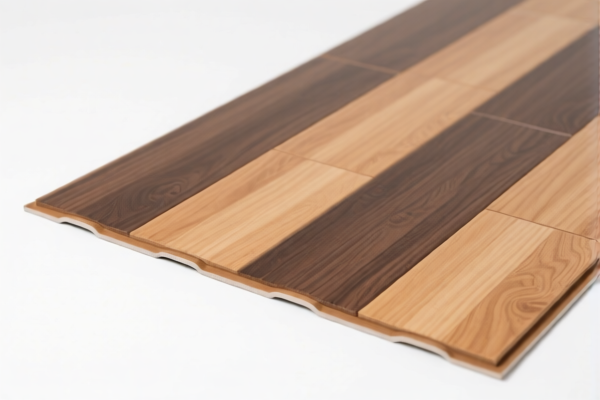
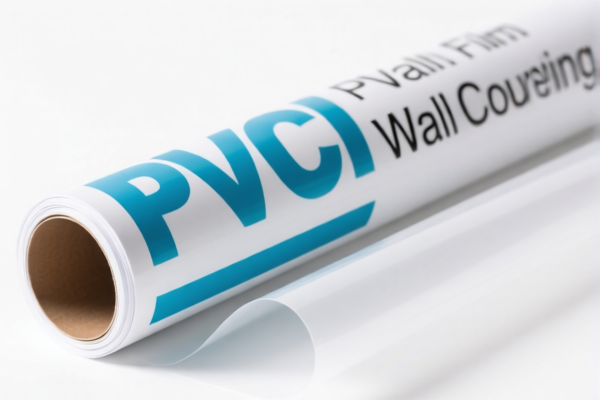
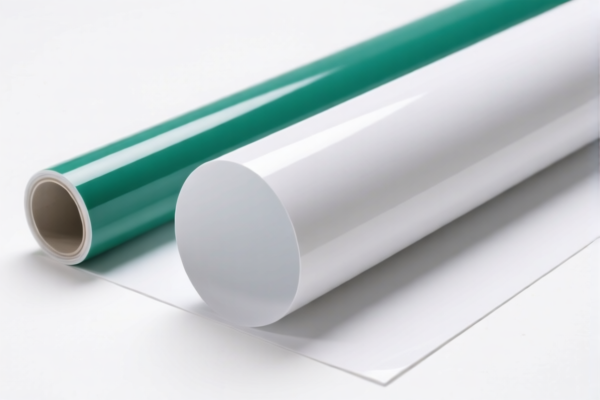
PVC (Polyvinyl Chloride) Colored Film is a plastic sheet or roll, typically used for packaging, signage, flooring, inflatables, and protective coverings. The "colored" aspect refers to the addition of pigments or dyes during the extrusion process.
In US Customs classification, the key to accurate HS Code selection lies in the chemical composition and the physical form: * Composition: Is it strictly Vinyl Polymer (PVC) or Vinyl Chloride Polymer? (This distinction splits the codes). * Form: Is it a standard sheet/film, a honeycomb structure, or a self-adhesive roll? * Material Specifics: Is it a polymerized vinyl chloride or a vinyl polymer?
📦 2. HS Code Classification Matrix (2026 Data)
Based on the provided data, here is the precise mapping of "PVC Colored Film" to the correct HS Codes, Tax Rates, and Legal Basis.
🏷️ Category A: Standard PVC Films (Vinyl Chloride & Vinyl Polymers)
| HS Code | Product Summary (Chinese) | English Description | Total Tax Rate | Base Duty | Sec 301 (Add'l) | Sec 122 (Add'l) |
|---|---|---|---|---|---|---|
| 3921.12.19.50 | PVC薄膜,材质为氯乙烯聚合物,形态为薄膜 (PVC Film, Vinyl Chloride Polymer, Sheet Form) |
PVC Film, made of Vinyl Chloride Polymer, shaped as Film. | 40.3% | 5.3% | 25.0% | 10.0% |
| 3920.49.00.00 | PVC薄膜,材质为乙烯基聚合物,形态为薄膜 (PVC Film, Vinyl Polymer, Sheet Form) |
PVC Film, made of Vinyl Polymer, shaped as Film. | 40.8% | 5.8% | 25.0% | 10.0% |
| 3920.43.50.00 | PVC薄膜,材质为聚氯乙烯聚合物,形态为薄膜 (PVC Film, Polyvinyl Chloride Polymer, Sheet Form) |
PVC Film, made of Polyvinyl Chloride Polymer, shaped as Film. | 39.2% | 4.2% | 25.0% | 10.0% |
🔍 Technical Note: * 3921.12.19.50: Focuses on "Vinyl Chloride Polymer". * 3920.49.00.00: Focuses on "Vinyl Polymer" (General category). * 3920.43.50.00: Focuses on "Polyvinyl Chloride Polymer" (Most specific). * Customs often accepts 3920.43.50.00 as the most accurate for standard colored PVC films, but the material specification in the invoice must match.
🏷️ Category B: Specialized Forms (Self-Adhesive & Honeycomb)
| HS Code | Product Summary (Chinese) | English Description | Total Tax Rate | Base Duty | Sec 301 (Add'l) | Sec 122 (Add'l) |
|---|---|---|---|---|---|---|
| 3919.90.50.40 | PVC薄膜,材质为塑料,形态为自粘塑料膜 (PVC Film, Plastic Material, Self-Adhesive Plastic Film) |
PVC Film, Plastic Material, Self-Adhesive Form (Adhesive backed). | 40.8% | 5.8% | 25.0% | 10.0% |
| 3921.12.50.00 | PVC薄膜,材质为氯乙烯聚合物,形态为蜂窝状塑料制品 (PVC Film, Vinyl Chloride Polymer, Honeycomb Plastic) |
PVC Film, made of Vinyl Chloride Polymer, shaped as Honeycomb (Cellular) structure. | 41.5% | 6.5% | 25.0% | 10.0% |
🔍 Technical Note: * 3919.90.50.40: Mandatory if the film has adhesive backing (e.g., sticker film, self-adhesive packaging tape). * 3921.12.50.00: Mandatory if the film is honeycomb structured (lightweight, high-strength core material), not a flat sheet.
💰 3. Deep Dive: Tax Rate Breakdown & Legal Logic
Why are the taxes so high? Here is the mathematical and legal breakdown for a typical PVC film import (CIF Value: $100,000).
Scenario 1: Standard Colored PVC Film (e.g., HS Code 3920.43.50.00)
- Base Duty (HTS): 4.2% → $4,200
- Section 301 Surcharge (China-specific): 25.0% → $25,000
- Section 122 Surcharge (China-specific): 10.0% → $10,000
- Total Tax: $39,200 (Total Rate: 39.2%)
Scenario 2: Self-Adhesive PVC Film (HS Code 3919.90.50.40)
- Base Duty: 5.8%
- Section 301: 25.0%
- Section 122: 10.0%
- Total Tax: $40,800 (Total Rate: 40.8%)
Scenario 3: Honeycomb PVC Structure (HS Code 3921.12.50.00)
- Base Duty: 6.5%
- Section 301: 25.0%
- Section 122: 10.0%
- Total Tax: $41,500 (Total Rate: 41.5%)
⚖️ Legal Authority Path: 1. Base Duty: HTS Chapter 39 (Plastics and Articles Thereof), Heading 3920 (Other plates, sheets, film, foil, and strip). 2. Section 301 (25%): Executive Order 13771 & 13936 (Trade Agreements Act), Footnotes to HTS 3920/3921. 3. Section 122 (10%): IEEPA Section 232/Section 122 (China-specific retaliatory tariffs), effective 2025/2026 timelines.
🛠️ 4. Strategic Customs Clearance Advice (Action Plan)
✅ Step 1: Verify Material Composition (Crucial!)
Before shipping, request a Certificate of Analysis or MSDS from the factory. * Does it say "Polyvinyl Chloride (PVC)"? → Likely 3920.43.50.00. * Does it say "Vinyl Chloride Homopolymer"? → Likely 3921.12.19.50. * Does it say "Vinyl Copolymer"? → Check 3920.49.00.00. * Risk: If you declare "Vinyl Chloride" but the lab report says "Vinyl Polymer," Customs may reject it.
✅ Step 2: Check Physical Form (Adhesive vs. Standard)
- Is there adhesive?
- YES: You MUST use 3919.90.50.40.
- NO: Use the appropriate 3920/3921 code.
- Pitfall: If you hide the adhesive and declare a standard film, you risk a 25% penalty for fraud.
✅ Step 3: Invoice & Packing List Precision
Your commercial invoice must match the HS Code description exactly. * DO WRITE: "PVC Colored Film, Material: Polyvinyl Chloride Polymer, Form: Flat Sheet, No Adhesive." * DO NOT WRITE: "Plastic Sheet" (Too vague) or "Vinyl Tape" (Implies adhesive). * Price Declaration: The $100,000 value is the CIF (Cost, Insurance, Freight) value. The tax is calculated on this total.
✅ Step 4: Mitigation Strategies
- Pre-Arrival Review (PAR): If unsure about the polymer type, file for a Binding Ruling with CBP to get a legal opinion before shipping.
- Alternative Sourcing: Consider sourcing from countries not subject to Section 122 or 301 (e.g., Vietnam, Malaysia, Mexico) if feasible. Note: PVC supply chains are heavily concentrated in China; this is a major constraint.
- Value Engineering: If the film is thin or lightweight, ensure the Value is accurate. Over-invoicing increases the 40% tax burden unnecessarily.
🚫 5. Common Pitfalls & How to Avoid Them
| ❌ Mistake | 🚨 Consequence | ✅ Correct Action |
|---|---|---|
| Ignoring Adhesive | Declaring "3920.43.50.00" for self-adhesive film. | Declare 3919.90.50.40. The tax is similar (40.8%), but classification accuracy prevents audits. |
| Wrong Polymer Name | Using "PVC" generally without specifying "Polyvinyl Chloride" vs "Vinyl Polymer". | Be specific. Use the exact polymer name from the chemical label. |
| Confusing "Film" vs "Honeycomb" | Declaring a honeycomb core as a flat film (3920.43.50.00). | Honeycomb structures must use 3921.12.50.00 (41.5% tax). |
| Under-valuing | Declaring $50k instead of $100k to save tax. | Customs uses market data. Under-valuation leads to Seizure + 80% Penalty. |
📌 6. Conclusion: The Bottom Line
PVC Colored Films entering the US market are subject to a "Tax Bomb" of ~40%. * Standard Flat Films: ~39.2% – 40.8% * Self-Adhesive/Honeycomb: ~40.8% – 41.5%
Final Advice: 1. Confirm the exact chemical composition with your supplier. 2. Verify if adhesive is present (changes the code). 3. Calculate the 40%+ cost into your landed price immediately. 4. Do not attempt to hide the tariff via misclassification; the risk of CBP seizure is too high.
💡 Pro Tip: If your profit margin is less than 45%, importing PVC colored films from China to the US may not be economically viable under current 2026 tariff rules. Consider local manufacturing or alternative materials (e.g., PET, PP) which may have lower tariff burdens.
Disclaimer: This guide is for informational purposes based on 2026 tariff projections. Customs rulings are case-specific. Always consult a licensed Customs Broker or Attorney before importing.
Customer Reviews
About HS Code Classification
The Harmonized System (HS) is an internationally standardized nomenclature developed by the World Customs Organization (WCO) to classify traded products. Over 200 countries use the HS system as the basis for customs tariffs, trade statistics, and import/export regulations.
Each HS code follows a hierarchical structure:
- Chapter (2 digits) — Broad category of goods (e.g., Chapter 84: Machinery and Mechanical Appliances)
- Heading (4 digits) — More specific grouping within the chapter
- Subheading (6 digits) — Internationally standardized breakdown, used by all WCO member countries
- National subdivisions (8-10 digits) — Country-specific extensions for further classification, such as US HTSUS 10-digit codes
Correct HS code classification is essential for smooth customs clearance, accurate duty payment, and compliance with trade regulations. Misclassification can lead to customs delays, overpayment of duties, or penalties.
When importing from CN to US, the applicable tariff rates may include:
- Most-Favored-Nation (MFN) rate — The standard duty rate applied to WTO members
- General rate — Applied to countries without trade agreements
- Trade remedy duties — Additional tariffs such as Section 301 (anti-dumping), Section 232 (national security), or countervailing duties
The information provided on this page is for reference purposes only. For official classification, please consult with your local customs authority or a licensed customs broker.