PVC涂层麻布野餐垫
CN → US| HS Code | Tariff Rate | Origin | Destination | Doc |
|---|---|---|---|---|
| 6307909875 | 17.0% | CN | US | Official Doc |
| 5903101000 | 37.7% | CN | US | Official Doc |
| 6307909891 | 24.5% | CN | US | Official Doc |
| 5903103000 | 37.7% | CN | US | Official Doc |
Product Images
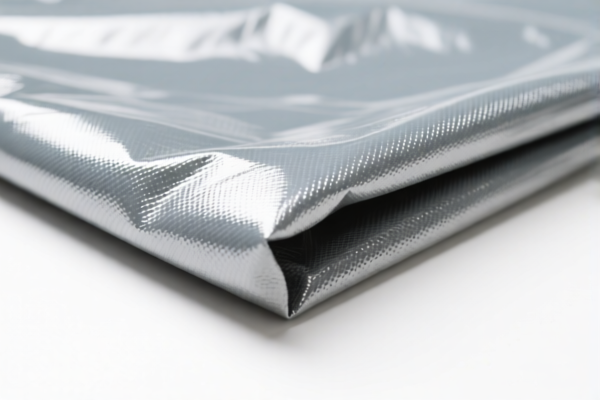
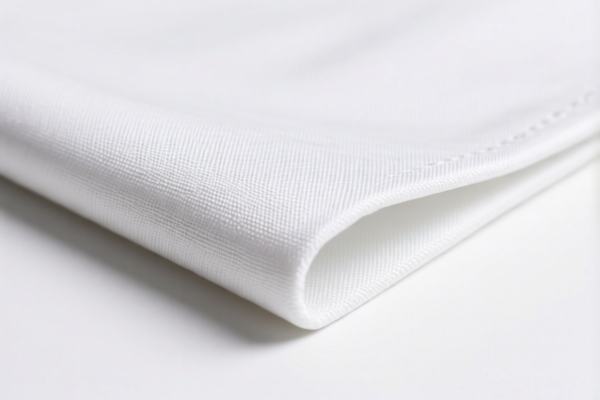
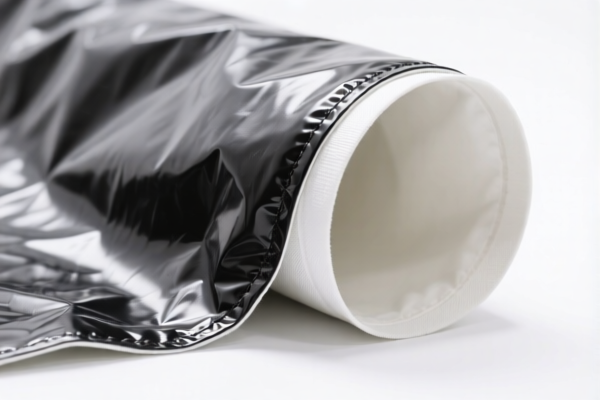
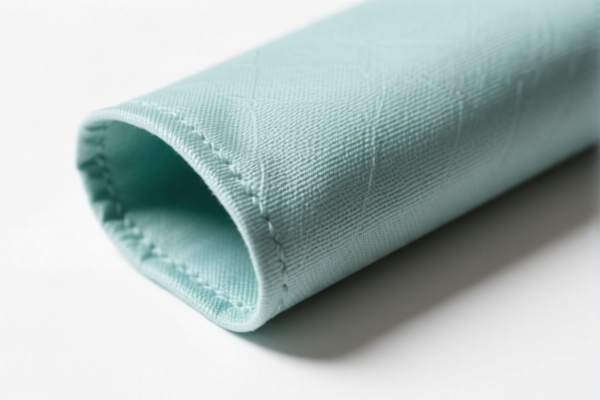
AI Analysis
🏕️ PVC Coated Canvas Picnic Mat
🌐 HS Code Reference & Clearance Guide | 2026 Latest Tariff Analysis | Professional Customs Strategy
📌 I. Product Definition & Classification: Do You Truly Understand "PVC Coated Canvas Mat"?
The PVC Coated Canvas Picnic Mat is a versatile outdoor accessory combining the durability of natural fibers with the weather resistance of synthetic polymers. In international trade, classification depends heavily on the material composition and processing method:
Textile Fabric Category (Chapter 59): If the primary characteristic is defined as a textile fabric impregnated, coated, or covered with plastics, it falls under specific chemical-textile subheadings. The core identity is the "fabric + plastic coating" combination.
Other Made-up Articles Category (Chapter 63): If the product is viewed primarily as a finished article (a mat) where the coating is merely a functional layer without altering the fundamental textile nature into a new chemical product, it falls under general "other made-up articles."
⚠️ Key Distinction Point:
- If the customs authority prioritizes the material composition (PVC-coated textile) → Classified under 5903.xx (Higher Tariff Risk).
- If the customs authority prioritizes the end-use shape (Mat/Pad) under general miscellaneous goods → Classified under 6307.90 (Lower Tariff Risk).
📦 II. HS Code Classification Details (2026 Latest Tariff Authority Comparison)
Based on the provided data, there are four potential HS Codes with varying tax implications. Below is the detailed breakdown:
| HS Code | Summary of Classification Logic | Total Tax Rate | Tax Composition Breakdown |
|---|---|---|---|
6307.90.98.75 |
Logic: Falls under "Other Masks/Items" -> "Other" logical category. Form is a Mat, Material is PVC-coated linen/canvas. Fits the fallback category logic based on material inference. | 24.5% | Base Tariff: 7.0% Add'l Tariff: 7.5% Section 301 (122): 10% |
5903.10.10.00 |
Logic: Form is Coated Canvas, matching "impregnated, coated, or laminated" description. Material PVC matches Polyvinyl Chloride. Linen/Canvas is a textile fabric. Matches material & form characteristics perfectly. | 37.7% | Base Tariff: 2.7% Add'l Tariff: 25.0% Section 301 (122): 10% |
6307.90.98.91 |
Logic: Material PVC-coated meets requirements for other made-up articles. Form Mat falls under "Other" within this category. No conflict with other subheadings exists. | 24.5% | Base Tariff: 7.0% Add'l Tariff: 7.5% Section 301 (122): 10% |
5903.10.30.00 |
Logic: "PVC Coated" in name corresponds to Polyvinyl Chloride. Form Linen/Canvas is a textile fabric. Matches the definition of textile fabrics impregnated, coated, or covered with plastics. | 37.7% | Base Tariff: 2.7% Add'l Tariff: 25.0% Section 301 (122): 10% |
🔍 Critical Observation:
- Codes starting with 5903 (Textile fabrics coated with plastics) carry a significantly higher total tax rate (37.7%) due to the high additional tariff (25.0%). - Codes starting with 6307 (Other made-up articles) carry a lower total tax rate (24.5%). - Risk: Misclassifying a mat as a "coated fabric" (5903) instead of a "finished mat" (6307) can lead to an extra 13.2% tax burden.
💰 III. 2026 Latest Tariff Rate Details (Including Surtaxes & Policy Add-ons)
✅ Applicable Country: USA (US)
✅ Origin: China (CN)
✅ Effective Time: Ongoing (based on current Section 301 and IEEPA rules)
🎯 1. 5903.10.10.00 & 5903.10.30.00 —— Textile Fabrics Coated with Plastics (High Tax Risk)
| Item | Content |
|---|---|
| Base Tariff | 2.7% (Ad Valorem) |
| Section 301 Additional Tariff | +25.0% (High penalty for coated textiles) |
| IEEPA / 122 Clause Tariff | +10.0% (China-specific surcharge) |
| Total Effective Rate | 37.7% |
| Tax Calculation | CIF Value × 37.7% |
| De Minimis Exemption | ❌ Not Applicable (Section 301 goods are generally excluded) |
| Legal Basis Path | USITC:5903.10.xx.00 → FOOTNOTE:Section301 → IEEPA:ChinaSpecific |
📌 Explanation:
- The 25% additional tariff is the biggest cost driver here. This rate is applied to textile products coated with plastics to protect domestic manufacturing. - The 10% IEEPA surcharge is standard for many Chinese goods. - Combined Impact: Nearly 40% of the product value is lost to tariffs.
🎯 2. 6307.90.98.75 & 6307.90.98.91 —— Other Made-up Articles (Optimized Tax Strategy)
| Item | Content |
|---|---|
| Base Tariff | 7.0% (Ad Valorem) |
| Section 301 Additional Tariff | +7.5% (Lower rate for general goods) |
| IEEPA / 122 Clause Tariff | +10.0% (China-specific surcharge) |
| Total Effective Rate | 24.5% |
| Tax Calculation | CIF Value × 24.5% |
| De Minimis Exemption | ❌ Not Applicable (Check current de minimis thresholds; typically Section 301 applies) |
| Legal Basis Path | USITC:6307.90.98.xx → FOOTNOTE:Section301 → IEEPA:ChinaSpecific |
📌 Explanation:
- Classifying as a "Mat" (Article) rather than "Coated Fabric" (Material) reduces the Section 301 additional tariff from 25% to 7.5%. - This results in a 13.2% savings compared to the 5903 classification.
🛠️ IV. Customs Clearance Practical Advice (Battle-Tested Pitfall Avoidance)
✅ 1. Documentation Checklist (Essential for Smooth Clearance)
| Document | Mandatory? | Description |
|---|---|---|
| ✅ Product Specification Sheet | ✔️ | Must clearly state: "PVC Coated Canvas," dimensions, weight, and end-use (Picnic/Outdoor Mat). |
| ✅ Material Composition Statement | ✔️ | Detail the % of Cotton/Linen vs. PVC. Emphasize that PVC is a coating, not the primary structural identity. |
| ✅ Product Photos | ✔️ | Show the mat being used (e.g., folded, laid out). Avoid photos that look like rolls of fabric. |
| ✅ Commercial Invoice | ✔️ | Use precise description: "PVC Coated Canvas Picnic Mat" rather than "Coated Textile Fabric." |
| ✅ Packing List | ✔️ | Include net/gross weight. Ensure no loose fabric rolls are mixed with finished mats. |
✅ 2. Declaration Strategy (Key Mantra)
🔥 "Declare as Mat, Not Fabric; Form Dictates Tax, Shape Saves Dollars!"
| Scenario | Correct Declaration | Incorrect Declaration | Consequence |
|---|---|---|---|
| Finished Picnic Mat | 6307.90.98.75 / 6307.90.98.91 |
5903.10.10.00 |
Pays 37.7% instead of 24.5% |
| Roll of Coated Fabric | 5903.10.10.00 |
6307.90.98.75 |
Wrong Classification (Misdeclaration) |
| Partially Finished Mat | 5903.10.10.00 (if still fabric) |
6307.90.98.75 |
Audit Risk |
✅ 3. Special Situation Handling
| Situation | Handling Advice |
|---|---|
| Thick Canvas with Heavy PVC | If PVC layer is very thick, customs may still view it as "Coated Textile." Provide thickness data to argue for "Mat" classification if structural integrity comes from the canvas. |
| Custom Branded Mats | Ensure branding doesn't imply a specific industrial use (e.g., "Industrial Tarp") which might shift classification. "Picnic" or "Outdoor" is safer. |
| Sets (Mat + Bag) | Declare as a Set. The principal purpose (Mat) dictates the HS code. Do not separate the bag if it's packed together for retail sale. |
🌍 V. Global Market Clearance Comparison (2026 Update)
| Country/Region | Recommended HS Code | Estimated Tax (China Origin) | Certification | Notes |
|---|---|---|---|---|
| 🇺🇸 USA | 6307.90.98.75 |
24.5% (Recommended) | None usually | Avoid 5903 (37.7%) unless absolutely necessary. |
| 🇪🇺 EU | 6307.90.98 |
~4-6% + VAT | CE (if toy) | Lower barriers than US. |
| 🇬🇧 UK | 6307.90.98 |
~4-6% + VAT | UKCA | Post-Brexit rules similar to EU. |
| 🇨🇦 Canada | 6307.90.98 |
0% (if FTA eligible) | None | Check CUSMA eligibility. |
| 🇦🇺 Australia | 6307.90.98 |
5% | None | Standard MFN rate. |
📌 Conclusion:
- USA is the critical market where the distinction between5903and6307matters most due to high Section 301 tariffs.
- Strategic Goal: Aim for6307classification to save 13.2% in taxes.
📌 VI. Common Errors & Pitfall Guide (Lessons Learned)
❌ Mistake 1: Describing the product as "PVC Coated Textile Fabric" on the invoice.
👉 Result: Customs officer may default to 5903 → 37.7% Tax.
❌ Mistake 2: Shipping rolled-up mats without proper identification.
👉 Result: Appears as fabric rolls → Misclassification.
❌ Mistake 3: Ignoring the "Mat" shape in the description.
👉 Result: Customs may view it as raw material rather than a finished article.
✅ Correct Approach:
"Finished PVC Coated Canvas Picnic Mat, Foldable, Size 200x150cm, for Outdoor Recreational Use."
🎯 VII. Conclusion: Precision in Classification = Profit Protection
🎯 Remember the Mantra:
🔹 "Mat is Article, Fabric is Material; 24.5% vs 37.7%, Choose Wisely, Don't Fail!"
🔹 "Shape over Substance, Form over Fabric; Save 13%, Stay on Track!"
📌 Pro Tip:
- If the PVC coating is very thin, emphasize the Textile nature but argue for the Finished Good classification (6307) because it has been processed into a specific shape (mat) and is ready for direct use.
- Pre-ruling: Consider applying for an Advance Ruling (Ruling Request) with CBP to confirm the 6307 classification before bulk shipment.
📣 Immediate Action:
📞 Consult your customs broker to ensure your commercial invoice explicitly states "Mat" and "Finished Good."
🚀 Optimize your supply chain by targeting the lower tax bracket.
✨ Professional Clearance Starts with Accurate Classification!
💼 Every Percent Saved is Pure Profit!
Customer Reviews
About HS Code Classification
The Harmonized System (HS) is an internationally standardized nomenclature developed by the World Customs Organization (WCO) to classify traded products. Over 200 countries use the HS system as the basis for customs tariffs, trade statistics, and import/export regulations.
Each HS code follows a hierarchical structure:
- Chapter (2 digits) — Broad category of goods (e.g., Chapter 84: Machinery and Mechanical Appliances)
- Heading (4 digits) — More specific grouping within the chapter
- Subheading (6 digits) — Internationally standardized breakdown, used by all WCO member countries
- National subdivisions (8-10 digits) — Country-specific extensions for further classification, such as US HTSUS 10-digit codes
Correct HS code classification is essential for smooth customs clearance, accurate duty payment, and compliance with trade regulations. Misclassification can lead to customs delays, overpayment of duties, or penalties.
When importing from CN to US, the applicable tariff rates may include:
- Most-Favored-Nation (MFN) rate — The standard duty rate applied to WTO members
- General rate — Applied to countries without trade agreements
- Trade remedy duties — Additional tariffs such as Section 301 (anti-dumping), Section 232 (national security), or countervailing duties
The information provided on this page is for reference purposes only. For official classification, please consult with your local customs authority or a licensed customs broker.