PVC纹理汽车大灯罩
CN → US| HS Code | Tariff Rate | Origin | Destination | Doc |
|---|---|---|---|---|
| 4016996010 | 37.5% | CN | US | Official Doc |
| 3926305000 | 22.8% | CN | US | Official Doc |
| 8708295160 | 0.0% | CN | US | Official Doc |
| 3926909989 | 22.8% | CN | US | Official Doc |
| 8708295110 | 0.0% | CN | US | Official Doc |
Product Images
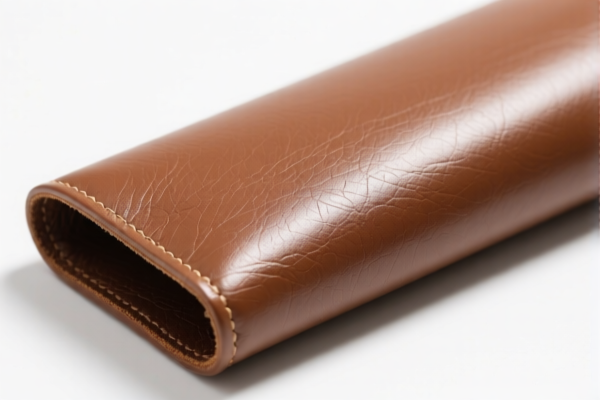

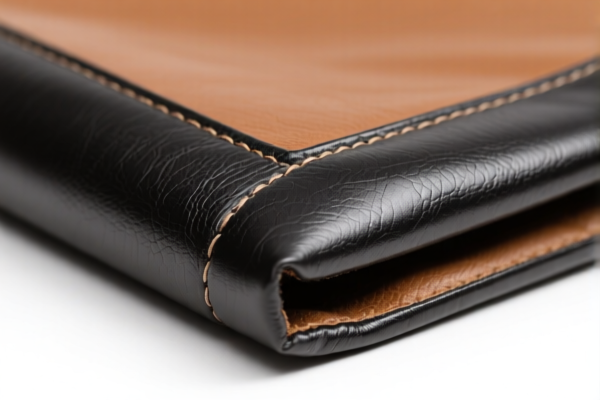
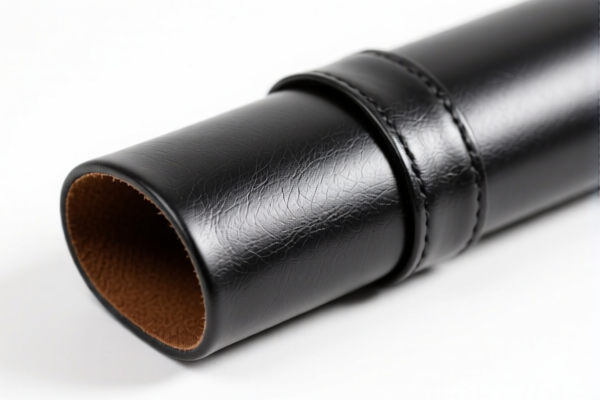
AI Analysis
🚗 PVC Automotive Headlight Covers (PVC Textured)
🌐 HS Code Reference & Customs Clearance Guide | 2026 Latest Tariff Analysis | Professional Classification Strategy
📌 I. Product Definition & Classification: Understanding the "PVC Headlight Cover"
PVC-textured automotive headlight covers are plastic components used in vehicle lighting systems. In international trade, their classification is critical because they can fall under general plastic articles, specific automotive parts, or miscellaneous plastic goods, leading to drastically different tax liabilities, especially when importing into markets with trade restrictions (such as the US under Section 301 and IEEPA regulations).
⚠️ Key Distinction Point:
- If classified as a general plastic item (not specifically for automotive use or not a "part of the vehicle"), it may fall under Chapter 39 or 40.
- If classified strictly as an automotive body part, it falls under Chapter 87.
- Risk: Misclassification can lead to penalties, delays, or unexpected high tariffs (e.g., jumping from 2.5% to 85%+).
📦 II. HS Code Classification Details (Based on Provided Data)
The following table outlines the specific HS Codes provided in the data, their summaries, and the corresponding tax structures. Note that the Total Tax Rate varies significantly based on the chosen classification.
| HS Code | Summary Description | Applicable Category | Total Tax Rate (Estimated)* | Tax Detail Breakdown |
|---|---|---|---|---|
| 4016.99.60.10 | PVC Material, Auto Headlight Cover | Other vulcanized rubber or plastic products | 37.5% | Base: 2.5% + Surcharges: 25.0% + 122 Clause: 10% |
| 3926.30.50.00 | PVC Material, Auto Headlight Cover | Plastic connecting pieces for vehicle bodies | 22.8% | Base: 5.3% + Surcharges: 7.5% + 122 Clause: 10% |
| 8708.29.51.60 | PVC Material, Auto Headlight Cover | Other parts and accessories of bodies | 2.5% + 85.0% | Base: 2.5% + Surcharges: 25.0% + 122 Clause: 10% + Steel/Aluminum/Copper Surcharges: 50% |
| 3926.90.99.89 | PVC Material, Auto Headlight Cover | Other plastic articles | 22.8% | Base: 5.3% + Surcharges: 7.5% + 122 Clause: 10% |
| 8708.29.51.10 | PVC Material, Auto Headlight Cover | Body parts and accessories | 2.5% + 35.0% | Base: 2.5% + Surcharges: 25.0% + 122 Clause: 10% |
🔍 Important Note on Data:
- The entry8708.29.51.60shows a confusing total (2.5% <u></u>+85.0%) with a detail mentioning "Steel, Aluminum, Copper products surcharge: 50%". This suggests a potential error in the source data if the product is purely PVC (plastic), as PVC does not contain steel/aluminum/copper. However, if the cover has metal brackets or conductive elements, this 50% surcharge might apply.
- The entries3926.30.50.00and3926.90.99.89have identical total taxes (22.8%) but different base rates and surcharge combinations.
- The entry8708.29.51.10has a lower surcharge component (35% total surcharge vs 25% base + 10% 122 clause = 35%, so this seems consistent).
💰 III. Detailed Tax Rate Explanation (Based on Provided Data)
✅ Applicable Context: The data mentions "122 Clause" and specific surcharges, which are indicative of US Import Regulations (Section 301 Tariffs and IEEPA authorities).
✅ Material: PVC (Polyvinyl Chloride) – A plastic/rubber material.
🎯 1. Classification: Other Vulcanized Rubber or Plastic Products (4016.99.60.10)
| Item | Detail |
|---|---|
| Base Tariff | 2.5% |
| Surcharge (Section 301) | 25.0% |
| 122 Clause Tariff | 10% |
| Total Effective Rate | 37.5% |
| Explanation | This classification treats the PVC cover as a general "rubber or plastic product" not specifically defined as an automotive part in Chapter 87. The 25% surcharge is likely from Section 301, and the 10% is from the "122 Clause" (potentially referencing specific trade remedy provisions). |
🎯 2. Classification: Plastic Body Connecting Pieces (3926.30.50.00)
| Item | Detail |
|---|---|
| Base Tariff | 5.3% |
| Surcharge (Section 301) | 7.5% |
| 122 Clause Tariff | 10% |
| Total Effective Rate | 22.8% |
| Explanation | This is a more favorable classification if the headlight cover is considered a "connecting piece" for the vehicle body. The base rate is higher (5.3% vs 2.5%), but the surcharge is significantly lower (7.5% vs 25%). |
🎯 3. Classification: Other Parts and Accessories of Bodies (8708.29.51.60)
| Item | Detail |
|---|---|
| Base Tariff | 2.5% |
| Surcharge (Section 301) | 25.0% |
| 122 Clause Tariff | 10% |
| Additional Surcharges | 50% (for Steel/Aluminum/Copper) |
| Total Effective Rate | 85.0% (or potentially higher if combined) |
| Explanation | ⚠️ High Risk Category. This classification assumes the item is a standard automotive body part. The critical issue is the 50% surcharge for Steel/Aluminum/Copper. Since the product is PVC, this 50% charge should ideally not apply unless there are metal components. If it is pure PVC, this classification is likely incorrect or results in over-taxation. If the data implies a pure PVC item is being taxed at 85%, it may contain an error in the source "tax_detail". |
🎯 4. Classification: Other Plastic Articles (3926.90.99.89)
| Item | Detail |
|---|---|
| Base Tariff | 5.3% |
| Surcharge (Section 301) | 7.5% |
| 122 Clause Tariff | 10% |
| Total Effective Rate | 22.8% |
| Explanation | This is a "catch-all" for plastic goods. It has the same total tax as the "connecting pieces" classification (22.8%). It is a safe default if no more specific automotive plastic part code applies. |
🎯 5. Classification: Body Parts and Accessories (8708.29.51.10)
| Item | Detail |
|---|---|
| Base Tariff | 2.5% |
| Surcharge (Section 301) | 25.0% |
| 122 Clause Tariff | 10% |
| Total Effective Rate | 37.5% (Note: Data shows 2.5% <u></u>+35.0%, which sums to 37.5%) |
| Explanation | Another automotive-specific classification. It has a low base rate but high surcharges. The total tax (37.5%) is higher than the Chapter 39 classifications (22.8%). |
🛠️ IV. Customs Clearance Practical Advice (Avoid Pitfalls)
✅ 1. Material Declaration is Key
- Explicitly state "100% PVC" or "PVC Material" in the commercial invoice and packing list.
- If the headlight cover has any metal brackets, clips, or adhesive tapes, declare them separately if possible. This helps argue against the 50% Steel/Aluminum/Copper surcharge in HS Code
8708.29.51.60.
✅ 2. HS Code Selection Strategy
- Preferred Options:
3926.30.50.00or3926.90.99.89(Total Tax: 22.8%). These are significantly cheaper than the automotive body part classifications if the product can be justified as a "plastic article" or "connecting piece." - Avoid:
8708.29.51.60unless you are certain the 50% surcharge does not apply and can prove it to customs. The risk of a 37.5% - 85% rate is high. - Justification: Provide technical drawings showing the headlight cover as a plastic component that may be attached to the vehicle body, rather than a core structural "body part" like a door or hood.
✅ 3. Documentation Checklist
| Document | Requirement |
|---|---|
| Commercial Invoice | Clearly list "Headlight Cover, PVC Material, Model XYZ" |
| Packing List | Specify quantity and weight |
| Product Specifications | Include material composition (e.g., "PVC 95%, Additives 5%") |
| Photos | Show the product from multiple angles, highlighting the plastic texture |
| Certifications | If applicable, provide UV resistance or automotive-grade certifications |
✅ 4. Special Handling for "122 Clause"
- The "122 Clause" likely refers to specific trade remedies. Check the latest US Federal Register notices or consult a customs broker to understand if this clause applies to PVC products from China (or other origins).
- Ensure the Country of Origin is correctly declared, as some surcharges are origin-specific.
🌍 V. Comparison Summary
| Classification Type | HS Code | Total Tax | Pros | Cons |
|---|---|---|---|---|
| Plastic General/Connecting | 3926.30.50.00 / 3926.90.99.89 |
22.8% | Lower total tax; easier to justify as "plastic article" | Must ensure it's not seen as a "core automotive part" |
| Rubber/Plastic Misc | 4016.99.60.10 |
37.5% | Moderate tax | Higher than Chapter 39 options |
| Automotive Body Part | 8708.29.51.10 |
37.5% | Direct automotive classification | Higher tax; potential scrutiny |
| Automotive Body Part (Risk) | 8708.29.51.60 |
85.0% | None | Extremely high risk; potential 50% surcharge for non-metal product |
📌 VI. Conclusion & Actionable Steps
🎯 Recommendation:
1. Primary Choice: Aim for 3926.30.50.00 or 3926.90.99.89 to minimize tax to 22.8%.
2. Supporting Documents: Provide detailed material specs proving it is PVC and not a structural metal/plastic hybrid.
3. Avoid: Do not use 8708.29.51.60 unless you have confirmed the 50% surcharge is not applicable to your specific PVC-only product.
4. Pre-Ruling: If the shipment volume is high, consider applying for an Advance Ruling from customs to confirm the correct HS Code and avoid post-clearance audits.
📞 Pro Tip:
"Classification is not just about what the product is, but how it functions and materials it contains. A PVC headlight cover is often better classified as a 'plastic article' than an 'automotive body part' to save on tariffs."
✨ Professional Clearance, Starting with Precise Classification!
💼 Every cent saved is a cent earned!
Customer Reviews
About HS Code Classification
The Harmonized System (HS) is an internationally standardized nomenclature developed by the World Customs Organization (WCO) to classify traded products. Over 200 countries use the HS system as the basis for customs tariffs, trade statistics, and import/export regulations.
Each HS code follows a hierarchical structure:
- Chapter (2 digits) — Broad category of goods (e.g., Chapter 84: Machinery and Mechanical Appliances)
- Heading (4 digits) — More specific grouping within the chapter
- Subheading (6 digits) — Internationally standardized breakdown, used by all WCO member countries
- National subdivisions (8-10 digits) — Country-specific extensions for further classification, such as US HTSUS 10-digit codes
Correct HS code classification is essential for smooth customs clearance, accurate duty payment, and compliance with trade regulations. Misclassification can lead to customs delays, overpayment of duties, or penalties.
When importing from CN to US, the applicable tariff rates may include:
- Most-Favored-Nation (MFN) rate — The standard duty rate applied to WTO members
- General rate — Applied to countries without trade agreements
- Trade remedy duties — Additional tariffs such as Section 301 (anti-dumping), Section 232 (national security), or countervailing duties
The information provided on this page is for reference purposes only. For official classification, please consult with your local customs authority or a licensed customs broker.