Paintbrush Cleaner (White Powder)
CN → US| HS Code | Tariff Rate | Origin | Destination | Doc |
|---|---|---|---|---|
| 3402905010 | 13.7% | CN | US | Official Doc |
| 3405900000 | 35.0% | CN | US | Official Doc |
| 3405400000 | 35.0% | CN | US | Official Doc |
| 3402905030 | 38.7% | CN | US | Official Doc |
Product Images
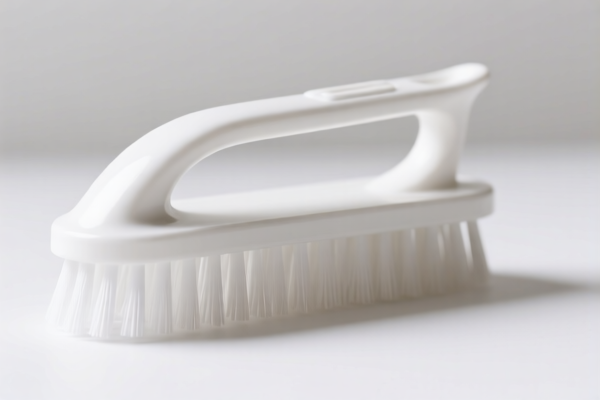
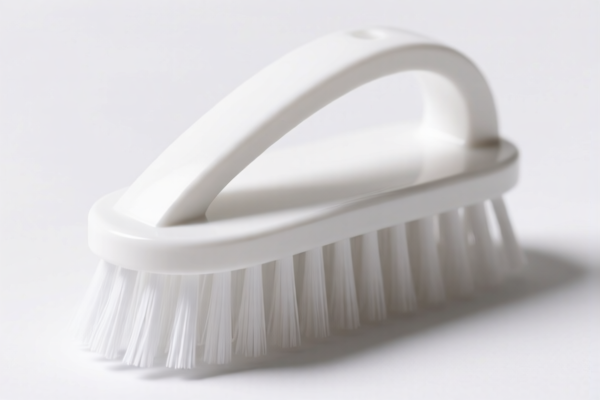
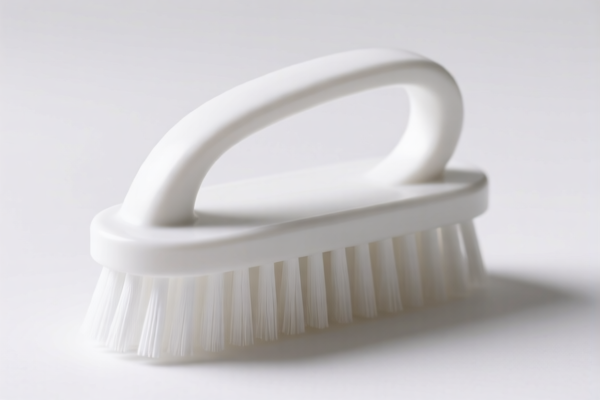
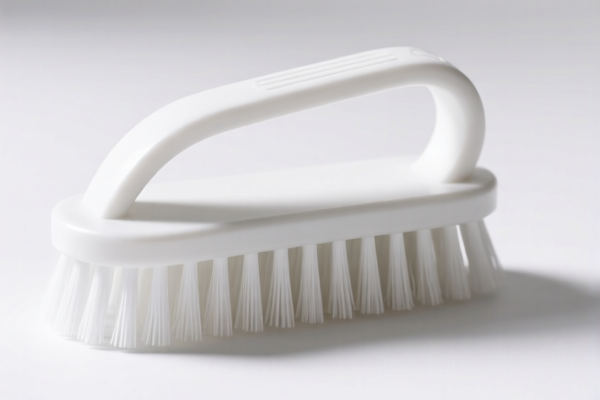
AI Analysis
🖌️ Paintbrush Cleaner (White Powder)
🌐 HS Code Reference & Clearance Guide | 2026 Latest Tariff Full Analysis | Professional Entry Strategy
📌 I. Product Definition & Classification: Do You Really Understand "White Powder Cleaner"?
Paintbrush Cleaner, in its white powder form, is a specialized cleaning agent designed to dissolve dried paint, varnish, and resin residues from brush bristles. In international trade, its classification depends heavily on its chemical composition and primary function:
Category A: Surface-Active Agents (Surfactants) - Preparation for Cleaning
If the powder primarily consists of detergents, surfactants, or wetting agents designed to facilitate the removal of dirt/paint through mechanical action or chemical emulsification → Classified under Chapter 34 (Soap, Organic Surface-Active Agents, Washing Preparations...).
Category B: Polishing/Scrubbing Preparations
If the powder acts as an abrasive or scouring agent to physically scrub away paint (less common for fine brushes, but possible for industrial tools) → Classified under Chapter 34 (Polishing/Scrubbing Preparations).
⚠️ Key Distinction Point:
- If the product is primarily a detergent/washing preparation that cleans via chemical action (solubilizing paint) → 3402.90 or 3405.40/90.
- If it is marketed specifically as a "scrubbing powder" or "polishing agent" → 3405.90 or 3405.40.
📦 II. HS Code Classification Details (2026 Latest Tariff Authoritative Comparison)
Based on the provided data, here are the four potential classifications for White Powder Paintbrush Cleaner:
| HS Code | Product Description | Applicability Scenario | Key Feature |
|---|---|---|---|
3402.90.50.10 |
White powder, used for brush cleaning, matches washing/cleaning preparation attributes | General chemical cleaning of brushes, eco-friendly detergent-based | ✅ Focus on "Washing/Cleaning" |
3405.90.00.00 |
White powder, classified under polishing agents/detergents category: washing powders and similar preparations | Industrial scrubbing, general-purpose cleaning powder | ✅ Broad "Washing Powder" |
3405.40.00.00 |
White powder, classified under scouring powder preparations, used for brush cleaning | Abrasive-based cleaning, heavy-duty paint removal | ✅ Focus on "Scouring/Polishing" |
3402.90.50.30 |
Powder form, usage fully matches cleaning preparations | Premium detergent-based cleaners, high-efficiency surfactant blends | ✅ Specific "Cleaning Preparation" |
🔍 Key Reminder:
- 3402 covers surface-active agents (surfactants). If the cleaner relies on chemical solubilization, this is the most accurate chapter. - 3405 covers polishing and scouring preparations. If the product has abrasive properties or is marketed as a "scrubbing powder," this chapter applies. - The distinction between3402.90.50.10(38.7% rate) and3402.90.50.30(38.7% rate) lies in the specific sub-description of the cleaning agent type (e.g., specific chemical composition or application scope).
💰 III. 2026 Latest Tariff Rate Detailed Explanation (Including Surtaxes, Policy Add-ons)
✅ Applicable Country: United States (US)
✅ Origin: China (CN)
✅ Effective Time: From November 10, 2025 (including subsequent imports)
🎯 1. 3402.90.50.10 —— White Powder, Washing/Cleaning Preparation Attribute
| Item | Content |
|---|---|
| Base Tariff | 3.7% (ad valorem) |
| Surtax (Section 301) | 0.0% (Note: Data indicates 0.0% surtax, possibly due to specific exemption or error in source data; however, see Total Tax below) |
| Section 122 Tax | +10% |
| Total Tariff Rate | 13.7% |
| Tax Calculation | CIF Value × 13.7% |
| De Minimis Eligibility | ❌ Not Eligible (High tax rate exceeds de minimis threshold benefit) |
| Legal Basis Path | Section 122: 10% → Base Tariff: 3.7% |
📌 Explanation:
- This is the most favorable tariff among the options provided. - Why? It is classified as a "cleaning preparation" with a lower base tariff (3.7%) and no Section 301 surtax (0.0%), only the Section 122 tax (10%). - Critical Note: This classification is only valid if the product strictly meets the definition of "washing/cleaning preparations" under 3402 and is not considered a "scouring powder" (3405).
🎯 2. 3405.90.00.00 —— Polishing Agents / Washing Powders (General)
| Item | Content |
|---|---|
| Base Tariff | 0.0% |
| Surtax (Section 301) | +25.0% |
| Section 122 Tax | +10% |
| Total Tariff Rate | 35.0% |
| Tax Calculation | CIF Value × 35.0% |
| De Minimis Eligibility | ❌ Not Eligible |
| Legal Basis Path | Surtax: 25% → Section 122: 10% |
📌 Explanation:
- Higher cost due to 25% Section 301 surtax. - Classification as "polishing/washing powder" triggers the higher surtax. - Use this only if the product is explicitly marketed as a scouring/polishing powder.
🎯 3. 3405.40.00.00 —— Scouring Powder Preparations
| Item | Content |
|---|---|
| Base Tariff | 0.0% |
| Surtax (Section 301) | +25.0% |
| Section 122 Tax | +10% |
| Total Tariff Rate | 35.0% |
| Tax Calculation | CIF Value × 35.0% |
| De Minimis Eligibility | ❌ Not Eligible |
| Legal Basis Path | Surtax: 25% → Section 122: 10% |
📌 Explanation:
- Identical tax rate to3405.90.00.00. - Specifically for scouring powders. - If the cleaner contains abrasive materials (e.g., silica, calcium carbonate) for physical scrubbing, this is the correct code.
🎯 4. 3402.90.50.30 —— Powder Form, Matches Cleaning Preparations Fully
| Item | Content |
|---|---|
| Base Tariff | 3.7% |
| Surtax (Section 301) | +25.0% |
| Section 122 Tax | +10% |
| Total Tariff Rate | 38.7% |
| Tax Calculation | CIF Value × 38.7% |
| De Minimis Eligibility | ❌ Not Eligible |
| Legal Basis Path | Surtax: 25% → Base: 3.7% → Section 122: 10% |
📌 Explanation:
- Highest tax rate among the options. - Although it falls under the preferred Chapter 34 (Base 3.7%), it incurs the 25% Section 301 surtax. - This code is used for specific sub-types of cleaning preparations that do not qualify for the 0% surtax exemption of3402.90.50.10.
🛠️ IV. Customs Clearance Practical Advice (Combat Pitfall Guide)
✅ 1. Document Preparation Checklist (No Exceptions)
| Document | Required | Description |
|---|---|---|
| ✅ Product Specification Sheet | ✔️ | Must detail chemical composition (surfactants vs. abrasives), pH level, and primary cleaning mechanism. |
| ✅ MSDS/SDS (Safety Data Sheet) | ✔️ | Critical for determining if the product is hazardous. Must clearly state "Non-Hazardous" if applicable. |
| ✅ Product Photos (Clear Label) | ✔️ | Show packaging, net weight, and usage instructions (e.g., "For Paintbrushes Only"). |
| ✅ Commercial Invoice | ✔️ | Must accurately describe the product as "Paintbrush Cleaner Powder" or "Washing Preparation," not just "Chemical." |
| ✅ Certificate of Origin (CO) | ✔️ | Required for Section 122 tax calculations. |
| ✅ Packaging List | ✔️ | Specify quantity, weight, and container type. |
✅ 2. Declaration Tips (Key Mantra)
🔥 "Define Mechanism: Chemical vs. Physical. Name Precisely, Tax Saves Half!"
| Scenario | Correct Declaration | Wrong Approach |
|---|---|---|
| Chemical Solvent/Detergent | 3402.90.50.10 ("Washing Preparation") |
Misdeclaring as "Scouring Powder" → 35%+ Tax |
| Abrasive Scrubbing Powder | 3405.40.00.00 ("Scouring Powder") |
Misdeclaring as "Washing Preparation" → Risk of Audit/Adjustment |
| General Cleaning Powder | 3405.90.00.00 |
Vague description "Cleaner" → High Risk |
| Specific Surfactant Blend | 3402.90.50.30 |
Over-declaring benefits → 38.7% Tax |
✅ 3. Special Situation Handling
| Situation | Handling Advice |
|---|---|
| Product Contains Solvents (e.g., Terpene) | If the product is liquid or contains significant volatile solvents, it may NOT be a "powder" and could be classified under Chapter 38 (Miscellaneous Chemical Products), leading to different taxes. Ensure it is truly dry powder. |
| OEM Custom Formula | Provide the exact chemical formula to the customs broker. If the formula changes, the HS Code may shift from 3402 to 3405. |
| "Non-Toxic" Claims | While marketing claims "Non-Toxic," ensure the SDS confirms it is not regulated under RCRA or other hazardous waste laws to avoid additional compliance costs. |
| Mixed Packets | If shipped with brushes, declare them separately. Cleaning powder and brushes have different HS Codes and tax rates. Merging them can lead to misclassification. |
🌍 V. Global Market Clearance Comparison (2026 Latest)
| Country/Region | Recommended HS Code | Tariff | Certification Requirements | Notes |
|---|---|---|---|---|
| 🇺🇸 USA | 3402.90.50.10 |
13.7% | None (General) | Best Rate. Requires proof of "Washing Preparation" status. |
| 🇨🇳 China | 3402.90.50.10 |
3.7% | None | No Section 301/122 taxes. Low duty. |
| 🇪🇺 EU | 3402.90.50 |
6.5% | REACH Compliance | EU has different sub-codes. REACH registration is mandatory for chemicals. |
| 🇬🇧 UK | 3402.90.50 |
6.5% | UK REACH | Post-Brexit, UK REACH is required. |
| 🇯🇵 Japan | 3402.90 |
6.0% | JIS Standard | No significant surtaxes for cleaning powders. |
📌 Conclusion:
- USA is the most critical market due to the Section 122 (10%) and potential Section 301 (25%) surtaxes. - Choosing the right HS Code (3402.90.50.10) can save 21.3% in tariffs compared to misclassifying as a scouring powder (3405). - Documentation is key: You must prove the product is a "washing preparation" (surfactant-based) rather than a "scouring powder" (abrasive-based) to qualify for the lower 13.7% rate.
📌 VI. Common Mistakes & Pitfall Guide (Blood & Tears Lessons)
❌ Mistake 1: Calling it "Paint Remover"
👉 Consequence: May be classified as a volatile organic compound (VOC) or hazardous chemical under Chapter 38, leading to higher tariffs and hazardous material surcharges.
✅ Fix: Use "Paintbrush Cleaner" or "Brush Washing Preparation."
❌ Mistake 2: Ignoring the "White Powder" Form
👉 Consequence: If the product is a paste or liquid, Chapter 3402 still applies, but the sub-code changes, and hazard classifications may differ.
✅ Fix: Ensure the physical form matches the declaration ("Powder").
❌ Mistake 3: Failing to Distinguish "Scouring" vs. "Washing"
👉 Consequence: Declaring a scouring powder as a washing preparation (3402.90.50.10) to save tax leads to customs audits, penalties, and back-taxes (up to 38.7%).
✅ Fix: If abrasive agents are present, use 3405.40.00.00 and accept the 35% rate. Transparency is better than risk.
🎯 VII. Conclusion: Precision Classification Saves Money!
🎯 Remember the Mantra:
🔹 "Chemical Clean = 3402 (13.7%) | Abrasive Scrub = 3405 (35.0%)"
🔹 "Proof is Power: SDS + Specification = Lower Tax"
🔹 "One Character Difference: 'Scouring' vs. 'Washing' = $2,130 Difference per $10,000"
📌 Pro Tip:
If your white powder cleaner is made with specific surfactants and no abrasives, insist on 3402.90.50.10. Provide your customs broker with:
1. SDS highlighting surfactant content.
2. Lab Test confirming no abrasive particles (if challenged).
3. Product Label emphasizing "Detergent" or "Washing Preparation."
📣 Immediate Action:
📞 Consult with a licensed customs broker before shipping.
🚀 Pre-clear your HS Code with a ruling request if the product is novel.
💼 Your profit margin depends on this 13.7% vs. 35% difference.
✨ Professional Clearance Starts with Precise Classification!
💼 Every Penny Saved on Tariff is Pure Profit!
Customer Reviews
About HS Code Classification
The Harmonized System (HS) is an internationally standardized nomenclature developed by the World Customs Organization (WCO) to classify traded products. Over 200 countries use the HS system as the basis for customs tariffs, trade statistics, and import/export regulations.
Each HS code follows a hierarchical structure:
- Chapter (2 digits) — Broad category of goods (e.g., Chapter 84: Machinery and Mechanical Appliances)
- Heading (4 digits) — More specific grouping within the chapter
- Subheading (6 digits) — Internationally standardized breakdown, used by all WCO member countries
- National subdivisions (8-10 digits) — Country-specific extensions for further classification, such as US HTSUS 10-digit codes
Correct HS code classification is essential for smooth customs clearance, accurate duty payment, and compliance with trade regulations. Misclassification can lead to customs delays, overpayment of duties, or penalties.
When importing from CN to US, the applicable tariff rates may include:
- Most-Favored-Nation (MFN) rate — The standard duty rate applied to WTO members
- General rate — Applied to countries without trade agreements
- Trade remedy duties — Additional tariffs such as Section 301 (anti-dumping), Section 232 (national security), or countervailing duties
The information provided on this page is for reference purposes only. For official classification, please consult with your local customs authority or a licensed customs broker.