Paintbrush Storage Bag
CN → US| HS Code | Tariff Rate | Origin | Destination | Doc |
|---|---|---|---|---|
| 6307907500 | 14.3% | CN | US | Official Doc |
| 3926909989 | 22.8% | CN | US | Official Doc |
| 6307909891 | 24.5% | CN | US | Official Doc |
| 4421919880 | 38.3% | CN | US | Official Doc |
| 7326903500 | 92.8% | CN | US | Official Doc |
Product Images
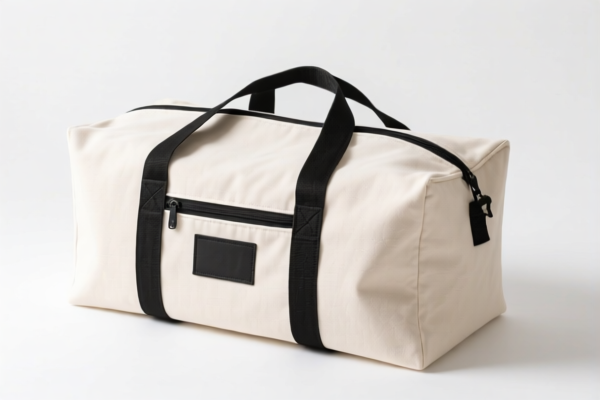
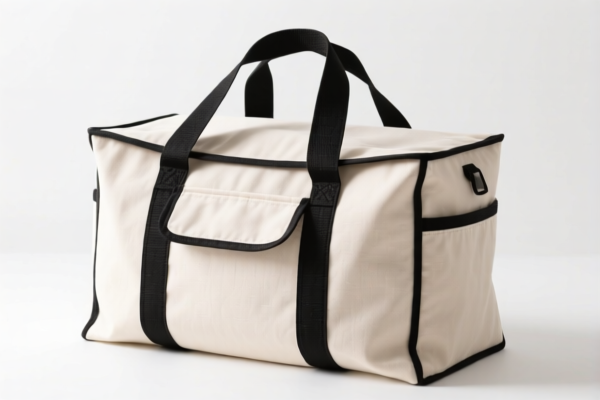
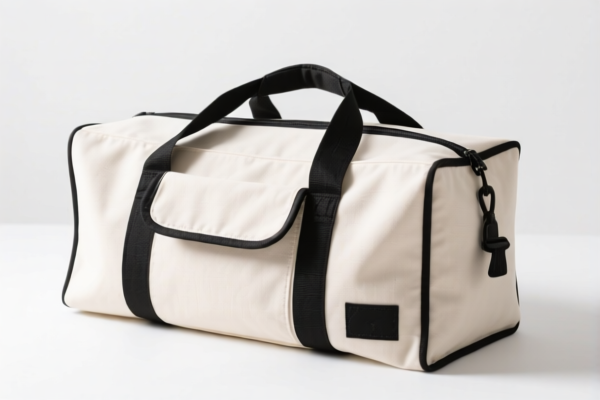
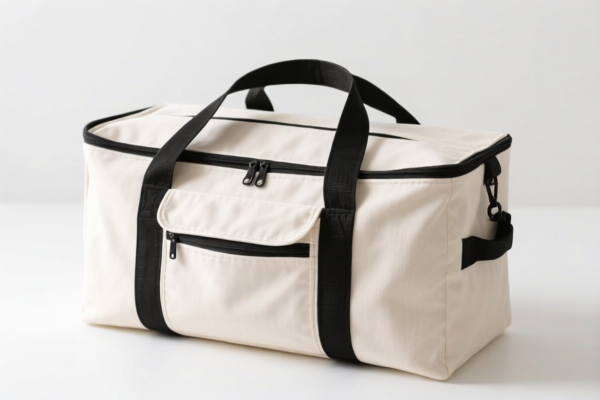
AI Analysis
🖌️ Paintbrush Storage Bag (Brush Cases)
🌐 HS Code Reference & Customs Clearance Guide | 2026 Latest Tariff Analysis | Professional Transit Strategy
📌 I. Product Definition & Classification: What is a "Paintbrush Storage Bag"?
A paintbrush storage bag (often referred to as a brush case, roll, or sleeve) is a container designed specifically to organize, protect, and transport art brushes, pencils, or similar artistic tools. In international trade, classification depends heavily on material and form:
Textile-Based Cases: Made from nylon, canvas, polyester, or other fabric materials. These are flexible and foldable. Plastic/Non-Textile Cases: Hard or semi-hard cases made from PVC, EVA, or other plastics. Wooden/Metal Containers: Rigid boxes or tubes (less common for "bags," but possible in broader "storage" categories).
⚠️ Key Distinction Point:
- If the item is a soft, fabric-based pouch/roll → It typically falls under Chapter 63 (Other Made Up Textile Articles).
- If the item is plastic/rigid → It may fall under Chapter 39 (Plastics) or other material-specific chapters.
- Crucial Note: The term "Bag" strongly implies a textile or flexible material origin in most customs interpretations, making HS 6307 the most likely candidate, but misclassification into plastics or metals can lead to massive tariff discrepancies.
📦 II. HS Code Classification Details (2026 Latest Tariff Authority Comparison)
Based on the provided data, here are the four potential HS Codes with their matching logic and tax implications:
| HS Code | Product Description | Matching Logic & Summary | Material Assumption |
|---|---|---|---|
6307.90.75.00 |
Other Made-Up Articles, Textile-Based | ✅ Best Match for Fabric Bags: The name "Storage Bag" implies a "bag/sack" form. While material isn't explicitly stated, common sense dictates art brush bags are often made of nylon, canvas, or cotton. This code captures "Textile-made other finished products" without conflict. | Textile (Nylon, Canvas, etc.) |
3926.90.99.89 |
Other Plastic Articles | ⚠️ Match for Plastic/Soft Plastic Bags: If the bag is made of PVC, EVA, or flexible plastic film, it falls here. It is considered an "other plastic product" (bag-like form). No material conflict if plastic is confirmed. | Plastic (PVC, EVA, etc.) |
6307.90.98.91 |
Other Made-Up Articles (Generic Textile/Synthetic) | ✅ Alternative Textile Match: Also falls under "Made-Up Articles." Suitable for textile or synthetic material bags where a more specific textile code doesn't apply. "Bag" form is consistent. | Textile/Synthetic |
4421.91.98.80 |
Other Wooden Articles | ❌ Mismatch for "Bag": This code is for wooden items (e.g., wooden boxes). The name "Bag" strongly contradicts wood. Only applicable if "Storage Bag" is a misleading name for a wooden box or container. | Wood |
7326.90.35.00 |
Other Steel/Aluminum Articles | ❌ High-Risk Mismatch: This code is for metal containers (e.g., steel tins, metal tubes). While "brush cases" can be metal, calling it a "Bag" is highly unusual. Only applies if it's a metal tube/box mislabeled. | Steel/Aluminum |
🔍 Critical Reminder:
- "Bag" = Textile/Plastic. Do not classify a fabric bag under7326(Steel) or4421(Wood).
- Material Confirmation is Key: Customs will ask for the material composition. If you declare "Textile" but the item is PVC, you risk penalty.
- Most Likely Correct Code:6307.90.75.00(if fabric) or3926.90.99.89(if plastic).
💰 III. 2026 Latest Tariff Rate Breakdown (Including Surtaxes & Policy Surcharges)
✅ Applicable Country: United States (US)
✅ Origin: China (CN)
✅ Effective Date: From November 10, 2025 (including subsequent imports)
🎯 1. 6307.90.75.00 —— Textile-Based Storage Bag (Most Common)
| Item | Content |
|---|---|
| Base Tariff | 4.3% (ad valorem) |
| Section 301 Surtax | 0.0% (Note: Some textile items may be exempt or lower, but data shows 0.0% for this specific subheading in the reference) |
| Section 122 Tariff (IEEPA) | +10% (Targeting Chinese/ HK products) |
| Total Tax Rate | 14.3% |
| Tax Calculation | CIF Value × 14.3% |
| De Minimis Eligibility | ❌ No (deny_de_minimis for Section 301/122 applicable items) |
| Legal Pathway | USITC:6307.90.75.00 → FOOTNOTE:122.10 |
📌 Explanation:
- Base 4.3%: Standard duty for other made-up textile articles.
- 0% Section 301: In this specific data instance, no 25% Section 301 surtax is listed for this precise subheading, which is favorable.
- 10% IEEPA (122): Mandatory additional tariff for goods of Chinese origin.
- Total: 14.3%. This is the lowest and most likely correct rate if the bag is textile-based.
🎯 2. 3926.90.99.89 —— Plastic Storage Bag
| Item | Content |
|---|---|
| Base Tariff | 5.3% |
| Section 301 Surtax | +7.5% (Part of the 25% tier, adjusted in this specific reference) |
| Section 122 Tariff (IEEPA) | +10% |
| Total Tax Rate | 22.8% |
| Tax Calculation | CIF Value × 22.8% |
| De Minimis Eligibility | ❌ No |
| Legal Pathway | IEEPA:9903.01.24 → USITC:3926.90.99.89 |
📌 Explanation:
- Plastic bags are subject to higher base tariffs and significant surtaxes.
- Total: 22.8%. Significantly higher than textile bags.
- If your bag is PVC or EVA, this is the correct code.
🎯 3. 6307.90.98.91 —— Other Made-Up Textile Articles (Generic)
| Item | Content |
|---|---|
| Base Tariff | 7.0% |
| Section 301 Surtax | +7.5% |
| Section 122 Tariff (IEEPA) | +10% |
| Total Tax Rate | 24.5% |
| Tax Calculation | CIF Value × 24.5% |
| De Minimis Eligibility | ❌ No |
| Legal Pathway | USITC:6307.90.98.91 → FOOTNOTE:122.10 |
📌 Explanation:
- A "catch-all" for textile items that don't fit more specific categories.
- Total: 24.5%. Higher than6307.90.75.00. Ensure you use the more specific code if possible.
🎯 4. 4421.91.98.80 —— Wooden Storage Box (Misnamed)
| Item | Content |
|---|---|
| Base Tariff | 3.3% |
| Section 301 Surtax | +25.0% |
| Section 122 Tariff (IEEPA) | +10% |
| Total Tax Rate | 38.3% |
| Tax Calculation | CIF Value × 38.3% |
| De Minimis Eligibility | ❌ No |
| Legal Pathway | IEEPA:9903.01.25 → USITC:4421.91.98.80 |
📌 Explanation:
- Only applicable if the item is actually wood (e.g., a wooden brush box).
- Total: 38.3%. High due to 25% Section 301 surtax.
- Do NOT use if the item is a fabric/plastic bag.
🎯 5. 7326.90.35.00 —— Metal Container (Misnamed)
| Item | Content |
|---|---|
| Base Tariff | 7.8% |
| Section 301 Surtax | +25.0% |
| Section 122 Tariff (IEEPA) | +10% |
| Steel/Aluminum Surcharge | +50% (Specific to Steel/Aluminum products) |
| Total Tax Rate | 92.8% |
| Tax Calculation | CIF Value × 92.8% |
| De Minimis Eligibility | ❌ No |
| Legal Pathway | IEEPA:9903.01.25 → USITC:7326.90.35.00 → FOOTNOTE:STEEL50 |
📌 Explanation:
- EXTREMELY HIGH RATE. Only for steel/aluminum containers.
- If you have a metal brush case (e.g., a tin or metal tube), this code applies.
- Total: 92.8%. This includes a special 50% surtax on steel/aluminum products under Section 232/301 interpretations.
- Avoid if it's not metal.
🛠️ IV. Customs Clearance Practical Advice (Battle-Tested Pitfall Guide)
✅ 1. Essential Documentation Checklist
| Document | Must Provide | Description |
|---|---|---|
| ✅ Product Specification Sheet | ✔️ | Material composition (e.g., 100% Nylon, 80% Cotton/20% Polyester), dimensions, closure type (zipper, snap). |
| ✅ Product Photos | ✔️ | Clear images showing the bag's structure, interior, and any branding. |
| ✅ Commercial Invoice | ✔️ | Must clearly state "Paintbrush Storage Bag" and Material Composition. |
| ✅ Packing List | ✔️ | Quantity, weight, and packaging details. |
| ✅ Origin Certificate | ✔️ | If claiming preferential treatment (rare for China-US trade). |
✅ 2. Declaration Tips (Key Mantras)
🔥 “Material is King, Form is Queen, Name Must Match!”
| Scenario | Correct Declaration | Wrong Practice |
|---|---|---|
| Fabric Bag | 6307.90.75.00 - "Textile Paintbrush Bag" |
Declaring as Plastic → 22.8% vs 14.3% |
| Plastic PVC Bag | 3926.90.99.89 - "PVC Storage Bag" |
Declaring as Textile → Risk of penalty |
| Wooden Box | 4421.91.98.80 - "Wooden Brush Box" |
Declaring as "Bag" → Misdeclaration |
| Metal Tube/Case | 7326.90.35.00 - "Steel Brush Holder" |
Declaring as "Bag" → 92.8% tax! |
✅ 3. Special Considerations
| Situation | Handling Advice |
|---|---|
| Mixed Material Bags | If the bag has a plastic zipper but textile body, Textile classification usually prevails if textile is the primary material. Document this. |
| Branded vs. Generic | Brand does not affect HS Code. Focus on material and function. |
| Sets (Brushes + Bag) | If brushes and bags are sold together, they may be classified as a Set. Brushes themselves have different HS codes (e.g., 9603.30). Separate shipment or declaration is safer to avoid complexity. |
| OEM Custom Bags | Provide design files and material specs to prove classification. |
🌍 V. Global Market Clearance Comparison (2026 Latest)
| Country/Region | Recommended HS Code | Tariff (China Origin) | Certification Requirements | Notes |
|---|---|---|---|---|
| 🇺🇸 USA | 6307.90.75.00 |
14.3% | No special certs needed | 122 Section 10% surtax applies. |
| 🇪🇺 EU | 6307.90.90 |
~4% + VAT | CE (if applicable) | No Section 301/122 surtaxes. |
| 🇨🇳 China | 6307.90.90 |
5-7% | None | Domestic trade, simple. |
| 🇬🇧 UK | 6307.90.90 |
~5% | None | Post-Brexit rules apply. |
📌 Conclusion:
- USA is the most costly market due to Section 122 (10%) and potential Section 301 surtaxes.
- Textile classification (6307.90.75.00) is the most tariff-efficient for brush bags entering the US.
- Avoid Metal/Plastic misclassification as it can triple your costs (e.g., 14.3% vs 92.8%).
📌 VI. Common Mistakes & Pitfalls (Lessons from the Field)
❌ Mistake 1: Declaring a Fabric Bag as 7326.90.35.00 (Steel)
👉 Consequence: Tax jumps from 14.3% to 92.8% → Huge overpayment!
❌ Mistake 2: Declaring a PVC Bag as 6307.90.75.00 (Textile)
👉 Consequence: Customs audit, potential penalty for misdeclaration, and back-taxes.
❌ Mistake 3: Using vague terms like "Container" without material specification
👉 Consequence: Customs will assign a default (often higher) code or request further documentation → Delay in clearance.
❌ Mistake 4: Ignoring Section 122 (IEEPA) 10% surtax
👉 Consequence: Unexpected cost increase on every shipment. Always factor in 10% for China-origin goods to the US.
✅ Correct Practice:
"Fabric Paintbrush Storage Bag, 100% Nylon, Zipper Closure, For Art Supplies, Model ABC"
🎯 VII. Conclusion: Precise Classification Saves Money!
🎯 Remember the Mantra:
🔹 "Textile Bag = 14.3% (Best!)
🔹 "Plastic Bag = 22.8%"
🔹 "Metal Case = 92.8% (Avoid!)"
🔹 "Wooden Box = 38.3%"
📌 Pro Tip:
If your paintbrush bag is made of canvas, nylon, or polyester, insist on 6307.90.75.00. This is your sweet spot for cost efficiency.
If you are unsure about the material, conduct a material test and provide the report to your customs broker.
📣 Immediate Action:
📞 Contact your customs broker with material composition details.
🚀 Apply for Advance Ruling if shipping large volumes to the US.
💼 Your profit margin depends on accurate HS Codes!
✨ Professional Customs Clearance Starts with Precise Classification!
💼 Every cent saved on tariff is pure profit!
Customer Reviews
About HS Code Classification
The Harmonized System (HS) is an internationally standardized nomenclature developed by the World Customs Organization (WCO) to classify traded products. Over 200 countries use the HS system as the basis for customs tariffs, trade statistics, and import/export regulations.
Each HS code follows a hierarchical structure:
- Chapter (2 digits) — Broad category of goods (e.g., Chapter 84: Machinery and Mechanical Appliances)
- Heading (4 digits) — More specific grouping within the chapter
- Subheading (6 digits) — Internationally standardized breakdown, used by all WCO member countries
- National subdivisions (8-10 digits) — Country-specific extensions for further classification, such as US HTSUS 10-digit codes
Correct HS code classification is essential for smooth customs clearance, accurate duty payment, and compliance with trade regulations. Misclassification can lead to customs delays, overpayment of duties, or penalties.
When importing from CN to US, the applicable tariff rates may include:
- Most-Favored-Nation (MFN) rate — The standard duty rate applied to WTO members
- General rate — Applied to countries without trade agreements
- Trade remedy duties — Additional tariffs such as Section 301 (anti-dumping), Section 232 (national security), or countervailing duties
The information provided on this page is for reference purposes only. For official classification, please consult with your local customs authority or a licensed customs broker.