Painted Coniferous Wood
CN → US| HS Code | Tariff Rate | Origin | Destination | Doc |
|---|---|---|---|---|
| 4407110002 | 35.0% | CN | US | Official Doc |
| 4407120002 | 35.0% | CN | US | Official Doc |
Product Images
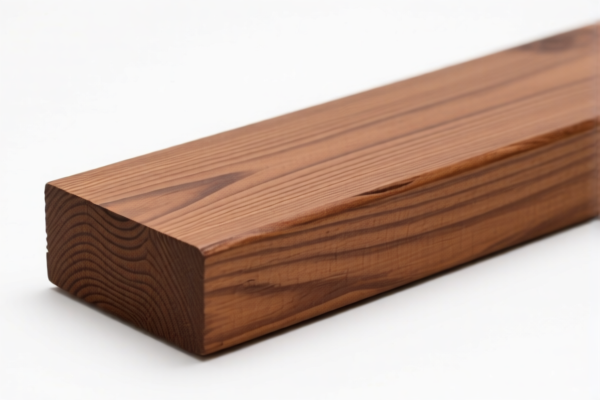
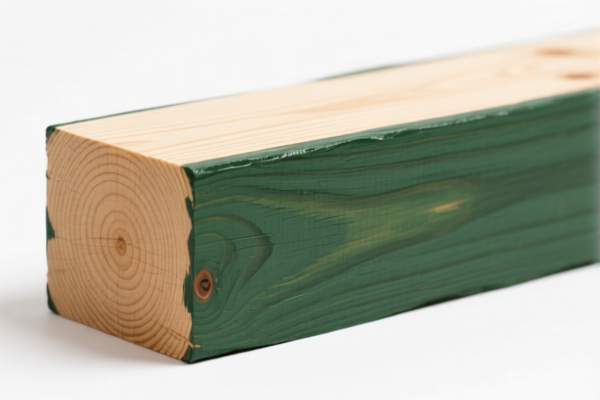
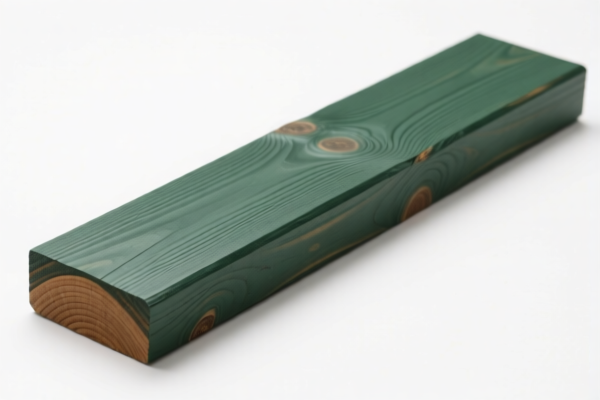
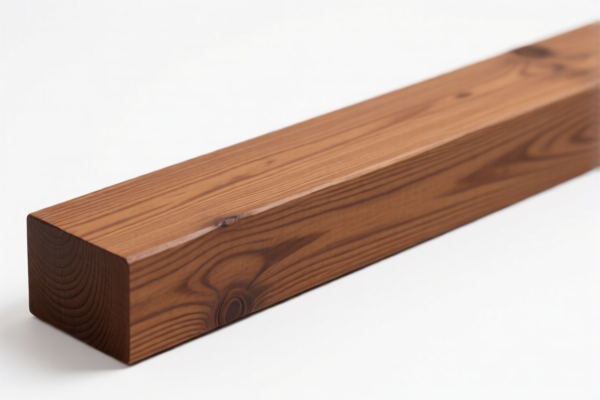
AI Analysis
🌲 Painted Coniferous Wood (Processed Timber)
🌐 HS Code Reference & Customs Clearance Guide | 2026 Latest Tariff Analysis | Professional Entry Strategy
📌 I. Product Definition & Classification: What Exactly is "Painted Coniferous Wood"?
Coniferous wood, when processed, sliced, peeled, or sawn lengthwise, with a thickness exceeding 6 mm, falls under Chapter 44 of the Harmonized System. The key distinction in this category lies in the species of wood and its surface treatment.
"Painted Coniferous Wood" refers to timber that has undergone surface treatment with paint, stain, creosote, or other preservatives. This treatment is not merely cosmetic; it often indicates specific preservation requirements or intended end-use (e.g., outdoor furniture, cladding, structural elements exposed to elements).
⚠️ Key Distinction Point:
- If the wood is Pine (Pinus spp.) and treated → It falls under 4407.11
- If the wood is Fir or Spruce (Abies or Picea spp.) and treated → It falls under 4407.12
- Crucial Note: The thickness must exceed 6 mm. If it is ≤ 6 mm, it is classified as veneer sheets or wood for plywood, which has a different HS code structure.
📦 II. HS Code Classification Details (2026 Latest Tariff Authority对照)
| HS Code | Product Description | Applicable Species | Surface Treatment | Status |
|---|---|---|---|---|
4407.11.00.02 |
Wood sawn, sliced, or peeled, >6mm: Coniferous, of Pine (Pinus spp.) | Pine (Pinus spp.) | Treated with paint, stain, creosote, or other preservative | ✅ Specific |
4407.12.00.02 |
Wood sawn, sliced, or peeled, >6mm: Coniferous, of Fir (Abies spp.) and Spruce (Picea spp.) | Fir (Abies) & Spruce (Picea) | Treated with paint, stain, creosote, or other preservative | ✅ Specific |
🔍 Important Reminder:
- Species Identification is Critical: Misidentifying Pine as Fir/Spruce (or vice versa) leads to incorrect HS code assignment. While the tax rate in this specific dataset is the same, proper classification is legally required. - Thickness Matters: If the wood is planed or sanded but ≤ 6 mm, it is NOT included in these codes. It would fall under different headings (e.g., 4408 for veneer). - Treatment Definition: "Painted" includes stains, varnishes, creosote, and other preservatives applied before or after cutting.
💰 III. 2026 Latest Tariff Rate Details (Including Additional Taxes)
✅ Applicable Country: United States (US)
✅ Origin: China (CN)
✅ Effective Time: Current rates apply
🎯 1. 4407.11.00.02 —— Painted Pine Wood
| Item | Content |
|---|---|
| Base Tariff Rate | 0.0% (Ad Valorem) |
| Section 301 Additional Duty | +25.0% |
| Total Tax Rate | 25.0% |
| Tax Calculation | CIF Value × 25% |
| De Minimis Eligibility | ❌ Not Applicable (Standard trade rules apply) |
| Legal Basis | HTSUS 4407.11.00.02 + Section 301 Footnote |
📌 Explanation:
- Although the base tariff for wood products is often low or zero, Section 301 tariffs impose an additional 25% on a wide range of Chinese-origin goods, including processed wood. - No Base Tax: The fundamental duty is 0%, so the entire 25% is an additional levy.
🎯 2. 4407.12.00.02 —— Painted Fir/Spruce Wood
| Item | Content |
|---|---|
| Base Tariff Rate | 0.0% (Ad Valorem) |
| Section 301 Additional Duty | +25.0% |
| Total Tax Rate | 25.0% |
| Tax Calculation | CIF Value × 25% |
| De Minimis Eligibility | ❌ Not Applicable |
| Legal Basis | HTSUS 4407.12.00.02 + Section 301 Footnote |
📌 Note:
- The tax structure is identical to Pine wood. - Whether it is Spruce (Picea) or Fir (Abies), if it is treated with paint/preservative and >6mm thick, it incurs the same 25% total duty.
🛠️ IV. Customs Clearance Practical Advice (Risk Avoidance Guide)
✅ 1. Required Documentation Checklist
| Document | Mandatory? | Description |
|---|---|---|
| ✅ Commercial Invoice | ✔️ | Must clearly state: "Coniferous Wood, Painted," species (Pinus/Abies/Picea), thickness (>6mm), and treatment type. |
| ✅ Packing List | ✔️ | Detail dimensions, weight, and quantity. Ensure thickness is specified. |
| ✅ Certificate of Origin | ✔️ | Proves origin as China (triggering 301 tariffs) or other countries. |
| ✅ ISPM 15 Phytosanitary Certificate | ✔️ | Critical for Wood Products! Proves wood has been heat-treated or fumigated to prevent pests. Without this, goods will be rejected or destroyed. |
| ✅ Product Specification Sheet | ✔️ | Confirm wood species, treatment chemicals used (compliance with EPA/FDA if for food contact), and dimensions. |
| ✅ Freight Bill | ✔️ | For CIF value calculation. |
✅ 2. Declaration Tips (Key Mantras)
🔥 "Species Clear, Thickness >6mm, ISPM 15 Ready, Paint Specified!"
| Scenario | Correct Declaration | Wrong Action |
|---|---|---|
| Pine Wood, Painted, 10mm thick | 4407.11.00.02 |
Misclassify as generic "Wood" → Higher scrutiny |
| Spruce Wood, Untreated, 8mm thick | 4407.12.00.00 (Untreated code) |
Declare as "Painted" → Wrong HS Code |
| Wood Veneer, <6mm thick | Not 4407 | Use 4408 codes → 4407 does not apply |
| Wood with Pesticide Treatment | Specify chemical name on invoice | Vague "Treated" → Potential customs hold |
✅ 3. Special Considerations
| Situation | Handling Advice |
|---|---|
| ISPM 15 Compliance | Ensure all wood packaging (pallets, crates) is also marked with ISPM 15 stamp. Raw wood cargo itself must have a phytosanitary certificate. |
| Chemical Treatment Disclosure | If the "paint" or "preservative" contains hazardous chemicals, additional EPA or DOT regulations may apply. Declare accurately. |
| Thickness Verification | Customs may inspect to verify thickness >6mm. If it is actually ≤6mm, the HS code is wrong, leading to penalties. |
| Mixed Shipments | If Pine and Fir are mixed in one container, declare separately by HS Code to ensure accuracy. |
🌍 V. Global Market Comparison (2026 Update)
| Country/Region | Recommended HS Code | Tariff (China Origin) | Key Requirement | Remarks |
|---|---|---|---|---|
| 🇺🇸 USA | 4407.11.00.02 / 4407.12.00.02 |
25% (Total) | ISPM 15 + Phyto Cert | 301 Tariffs apply |
| 🇨🇳 China | Same HS Codes | ~5-10% (Import Duty) | N/A | Import duty varies |
| 🇪🇺 EU | 4407.11 / 4407.12 | 0% (Standard) | FSC/PEFC Chain of Custody | No 301 tariffs, but strict environmental compliance |
| 🇬🇧 UK | 4407.11 / 4407.12 | 0% | UKCA Mark (if applicable) | Post-Brexit rules apply |
📌 Conclusion:
- The US imposes a significant 25% additional duty on painted coniferous wood from China. - EU and UK generally have lower or zero base tariffs but require strict environmental and sustainability certifications. - Always ensure ISPM 15 compliance for any wood entering these markets to avoid detention.
📌 VI. Common Errors & Pitfalls (Lessons Learned)
❌ Error 1: Ignoring the >6mm thickness rule.
👉 Consequence: If wood is ≤6mm, it is classified as veneer (4408), not sawn wood (4407). Wrong HS code leads to customs delays.
❌ Error 2: Missing ISPM 15 Phytosanitary Certificate.
👉 Consequence: Immediate rejection or destruction of cargo. Wood is a high-risk category for pests.
❌ Error 3: Vague description "Wood Planks".
👉 Consequence: Customs cannot determine species or treatment. Leads to manual examination, delays, and potential penalties.
❌ Error 4: Not declaring the treatment type.
👉 Consequence: If the paint/preservative is hazardous, failure to declare can lead to EPA violations.
✅ Correct Practice:
"Sawn Coniferous Wood, Painted, Pine (Pinus spp.), Thickness 10mm, Treated with Acrylic Stain, ISPM 15 Compliant, Certificate No. XXX"
🎯 VII. Conclusion: Precision in Classification Saves Money!
🎯 Remember the Mantra:
🔹 "Species Matters, Thickness >6mm, ISPM 15 is a Must, 25% Duty for US!"
🔹 "Wrong Code = Delayed Cargo, Correct Code = Smooth Clearance!"
📌 Pro Tip:
- For US imports, budget for the 25% additional tariff.
- For EU imports, invest in FSC/PEFC certification to meet sustainability standards.
- Always pre-classify with a licensed customs broker if the wood species is uncertain.
📣 Action Required:
📞 Contact your customs broker immediately to verify HS code based on wood species and thickness.
🚀 Ensure ISPM 15 certification is obtained before shipment to avoid port rejection.
✨ Professional Customs Clearance Starts with Accurate Classification!
💼 Every percentage point of duty affects your bottom line!
Customer Reviews
About HS Code Classification
The Harmonized System (HS) is an internationally standardized nomenclature developed by the World Customs Organization (WCO) to classify traded products. Over 200 countries use the HS system as the basis for customs tariffs, trade statistics, and import/export regulations.
Each HS code follows a hierarchical structure:
- Chapter (2 digits) — Broad category of goods (e.g., Chapter 84: Machinery and Mechanical Appliances)
- Heading (4 digits) — More specific grouping within the chapter
- Subheading (6 digits) — Internationally standardized breakdown, used by all WCO member countries
- National subdivisions (8-10 digits) — Country-specific extensions for further classification, such as US HTSUS 10-digit codes
Correct HS code classification is essential for smooth customs clearance, accurate duty payment, and compliance with trade regulations. Misclassification can lead to customs delays, overpayment of duties, or penalties.
When importing from CN to US, the applicable tariff rates may include:
- Most-Favored-Nation (MFN) rate — The standard duty rate applied to WTO members
- General rate — Applied to countries without trade agreements
- Trade remedy duties — Additional tariffs such as Section 301 (anti-dumping), Section 232 (national security), or countervailing duties
The information provided on this page is for reference purposes only. For official classification, please consult with your local customs authority or a licensed customs broker.