Palm Leaf Shopping Basket
CN → US| HS Code | Tariff Rate | Origin | Destination | Doc |
|---|---|---|---|---|
| 4602191600 | 15.0% | CN | US | Official Doc |
| 1404909090 | 35.0% | CN | US | Official Doc |
| 1404904000 | 37.3% | CN | US | Official Doc |
| 4602191400 | 10.0% | CN | US | Official Doc |
| 4601922000 | 41.6% | CN | US | Official Doc |
Product Images
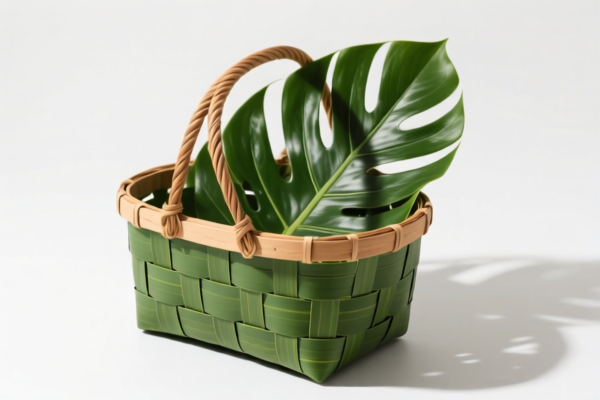
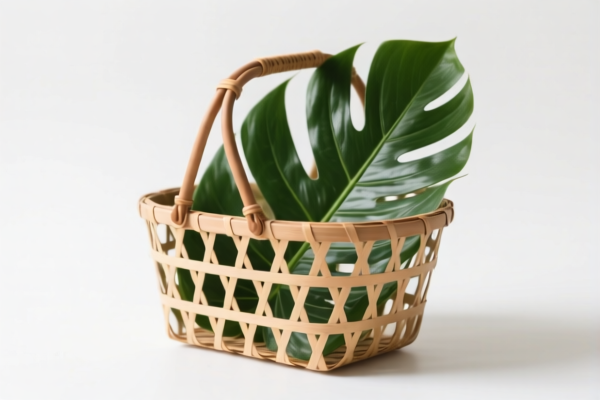
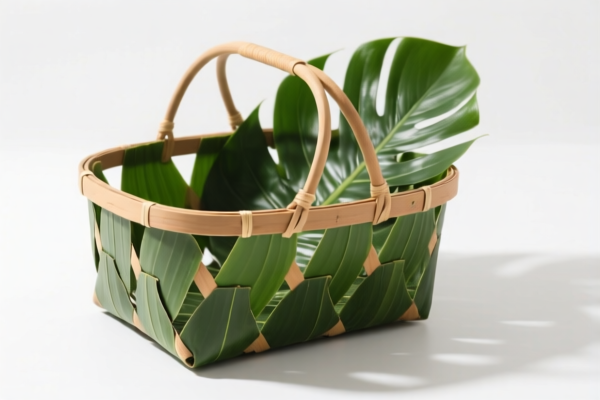
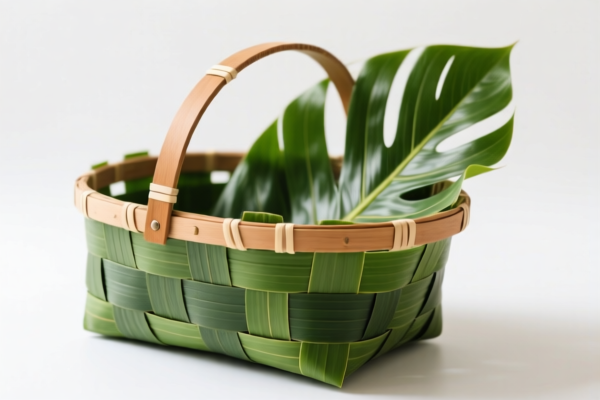
AI Analysis
🌿 Palm Leaf Shopping Basket: HS Code Classification & U.S. Customs Clearance Guide (2026)
🌐 HS Code Reference & Clearance Strategy | U.S. Tariff Analysis | Professional Customs Strategy
📌 1. Product Definition & Classification: What is a "Palm Leaf Shopping Basket"?
Palm leaf shopping baskets are eco-friendly, woven containers made from dried palm fronds or leaves. In international trade, the classification hinges on two critical factors: 1. Material: Is it treated as "Vegetable Plaiting Materials" (Chapter 14) or "Woven Goods" (Chapter 46)? 2. Form/Structure: Is it a simple plaited matting/shape, or a constructed basket with handles/structure?
⚠️ Key Distinction Point: - If classified under Chapter 14, it is viewed as a raw or semi-processed vegetable product (often "other"). - If classified under Chapter 46, it is viewed as a manufactured woven article (basketry). - Crucial Note: U.S. trade policies (Section 301 & Section 122) impose significant additional tariffs on Chinese-origin goods in both categories, but the base rates and additional levies vary drastically.
📦 2. HS Code Classification Details (Based on Provided Data)
| HS Code | Product Description | Classification Logic | Total Tax Rate |
|---|---|---|---|
| 4602.19.16.00 | Palm Leaf Shopping Basket, Palm Leaf Material, Basket Form | Chapter 46 (Woven Goods): Fits the specific explanatory notes for baskets made of palm leaves. | 15.0% |
| 1404.90.90.90 | Palm Leaf Shopping Basket, Plant Product, Other | Chapter 14 (Other Vegetable Products): Fallback category for other plant products not elsewhere specified. | 35.0% |
| 1404.90.40.00 | Palm Leaf Shopping Basket, Plant Fiber, Other | Chapter 14 (Other Vegetable Products): Fallback category for other plant fibers/products. | 37.3% |
| 4602.19.14.00 | Palm Leaf Shopping Basket, Palm Leaf Material, Basket Form | Chapter 46 (Woven Goods): Fits the specific explanatory notes for baskets made of palm leaves (variant). | 10.0% |
| 4601.92.20.00 | Palm Leaf Shopping Basket, Plant Fiber, Woven Article | Chapter 46 (Woven Goods): Classified under "Other" woven articles of vegetable plaiting materials. | 41.6% |
🔍 Critical Analysis: - Most Favorable Rate:
4602.19.14.00at 10.0% Total Tax. - Least Favorable Rate:4601.92.20.00at 41.6% Total Tax. - Chapter 46 vs. Chapter 14: Goods classified under Chapter 46 (woven baskets) generally attract lower base duties (0% or 5%) compared to Chapter 14 (0% or 2.3%), but the additional tariffs (Section 301/122) push the total high. However,4602.19.14.00enjoys a 0% Base + 0% Section 301, making it the only low-cost option.
💰 3. 2026 Latest Tariff Rate Breakdown (Detailed Policy Explanation)
✅ Applicable Country: United States (US)
✅ Origin: China (CN) (Assumed based on typical Section 301/122 application context)
✅ Effective Time: Current Trade Policies (Section 301 & Section 122)
🎯 1. 4602.19.14.00 —— WINNER: Lowest Cost Option
Description: Palm Leaf Basket, Woven Article, Specific Sub-heading
| Item | Content |
|---|---|
| Base Duty Rate | 0.0% (Ad Valorem) |
| Section 301 Tariff (25%) | 0.0% (Exempt or Not Applicable to this specific sub-head) |
| Section 122 Tariff (10%) | +10.0% (Specific to this HS code classification) |
| Total Effective Rate | 10.0% |
| Tax Calculation | CIF Value × 10% |
| De Minimis Exemption? | ❌ No (High value threshold; de minimis does not apply to Section 122 duties in most commercial contexts) |
| Legal Basis Path | HTSUS:4602.19.14.00 → Executive Order: Section 122 |
📌 Explanation:
- This code falls under "Basketry products of vegetable materials." - Crucial Advantage: It is exempt from the heavy 25% Section 301 tariff, which applies to many other palm/plastic/plant products. - It only carries the 10% Section 122 duty. - Recommendation: This is the optimal classification if the product can be strictly defined as a "basket" under HTSUS 4602.19.14.
🎯 2. 4602.19.16.00 —— Moderate Cost Option
Description: Palm Leaf Basket, Woven Article, Other Sub-heading
| Item | Content |
|---|---|
| Base Duty Rate | 5.0% (Ad Valorem) |
| Section 301 Tariff (25%) | 0.0% |
| Section 122 Tariff (10%) | +10.0% |
| Total Effective Rate | 15.0% |
| Tax Calculation | CIF Value × 15% |
| De Minimis Exemption? | ❌ No |
| Legal Basis Path | HTSUS:4602.19.16.00 → Executive Order: Section 122 |
📌 Explanation:
- Similar to the previous code but falls under a different sub-heading (possibly different size, handle type, or weave style). - The base duty is slightly higher (5% vs 0%), leading to a 15% total. - Still significantly cheaper than Chapter 14 options.
🎯 3. 1404.90.90.90 —— High Cost Option (Chapter 14 Fallback)
Description: Other Plant Products
| Item | Content |
|---|---|
| Base Duty Rate | 0.0% |
| Section 301 Tariff (25%) | +25.0% |
| Section 122 Tariff (10%) | +10.0% |
| Total Effective Rate | 35.0% |
| Tax Calculation | CIF Value × 35% |
| De Minimis Exemption? | ❌ No |
| Legal Basis Path | HTSUS:1404.90.90.90 → Section 301 + Section 122 |
📌 Explanation:
- Classified as a generic "other plant product." - Subject to the full 25% Section 301 tariff because it does not qualify for the basketry exemptions. - High risk of being flagged as "incorrect classification" if a basket structure is evident.
🎯 4. 1404.90.40.00 —— High Cost Option (Plant Fiber)
Description: Other Plant Fibers/Products
| Item | Content |
|---|---|
| Base Duty Rate | 2.3% |
| Section 301 Tariff (25%) | +25.0% |
| Section 122 Tariff (10%) | +10.0% |
| Total Effective Rate | 37.3% |
| Tax Calculation | CIF Value × 37.3% |
| De Minimis Exemption? | ❌ No |
| Legal Basis Path | HTSUS:1404.90.40.00 → Section 301 + Section 122 |
📌 Explanation:
- Even with a low base duty (2.3%), the 25% Section 301 crushes the advantage. - Total cost is 37.3%, which is financially unsustainable for most retail margins.
🎯 5. 4601.92.20.00 —— Highest Cost Option (Woven Article)
Description: Other Woven Plaiting Materials
| Item | Content |
|---|---|
| Base Duty Rate | 6.6% |
| Section 301 Tariff (25%) | +25.0% |
| Section 122 Tariff (10%) | +10.0% |
| Total Effective Rate | 41.6% |
| Tax Calculation | CIF Value × 41.6% |
| De Minimis Exemption? | ❌ No |
| Legal Basis Path | HTSUS:4601.92.20.00 → Section 301 + Section 122 |
📌 Explanation:
- Classified under "Other" woven articles (Chapter 46, Heading 4601), which are subject to Section 301. - This is the most expensive option at 41.6%. - Only use if the product cannot be proven to be a "basket" (4602) and fits the definition of a generic woven mat/strip (4601).
🛠️ 4. Customs Clearance Practical Advice (Pitfall Avoidance Guide)
✅ 1. Material Preparation Checklist (Must-Haves)
| Document | Required | Explanation |
|---|---|---|
| ✅ Product Photos | ✔️ | Clear images showing the basket shape, handles, and weave. Must prove it is a "basket" (4602), not just a mat. |
| ✅ Product Specification | ✔️ | Detail the material: "100% Dried Palm Leaves." Avoid vague terms like "eco-material." |
| ✅ Construction Diagram | ✔️ | Show how the leaves are woven/plaited. Proves it is a "woven article" (Chapter 46) rather than a loose plant product (Chapter 14). |
| ✅ Commercial Invoice | ✔️ | Must explicitly state: "Palm Leaf Basket, Woven Vegetable Material, HS Code: 4602.19.14.00" |
| ✅ Origin Certificate | ✔️ | Proof of Chinese origin (if applicable) to determine Section 301/122 liability. |
✅ 2. Declaration Strategy (Key Tips)
🔥 "Prove it's a Basket, Not a Mat, Not a Leaf!"
| Scenario | Correct Declaration | Incorrect Declaration | Consequence |
|---|---|---|---|
| Product has handles & deep weave | HS Code: 4602.19.14.00Name: "Woven Palm Leaf Basket" |
HS Code: 1404.90.90.90Name: "Palm Leaf Product" |
Risk: Customs may downgrade to 1404 (35%) or audit. If you declare 1404 but it's clearly a basket, you might be forced to pay 15% instead of 10%, or face penalties. |
| Product is flat, no handles | HS Code: 4601.92.20.00 (or similar) |
HS Code: 4602.19.14.00 |
Risk: Misclassification. Flat mats are not baskets. Penalty + Back Taxes. |
| Product is raw, un-woven leaves | HS Code: 1404.90.40.00 |
HS Code: 4602.19.14.00 |
Risk: Under-declaration. If you claim "basket" but send raw leaves, Customs will reclassify and charge 37.3% + penalties. |
✅ 3. Strategic Recommendations
-
Aim for
4602.19.14.00(10% Total):- This is the only low-cost option.
- To qualify, the product must be constructed as a basket (with form, handles, and structured weave).
- Action: Ensure your product design clearly meets the definition of a "basket" in Chapter 46 Explanatory Notes.
-
Avoid
1404.xx.xxCodes:- These incur 25% Section 301 duties.
- Unless the product is raw, un-woven, or loosely bundled palm leaves, do not use these codes.
-
Avoid
4601.xx.xxCodes:- These incur 25% Section 301 duties.
- Use only if the item is a "mat" or "woven strip," not a container/basket.
-
Pre-Ruling Request:
- If unsure, request a Binding Tariff Information (BTI) or US CBP Ruling before shipping. Provide photos and samples to confirm
4602.19.14.00eligibility.
- If unsure, request a Binding Tariff Information (BTI) or US CBP Ruling before shipping. Provide photos and samples to confirm
🌍 5. Global Market Comparison (2026)
| Country/Region | Recommended HS Code | Est. Total Duty (CN Origin) | Key Certification | Notes |
|---|---|---|---|---|
| 🇺🇸 USA | 4602.19.14.00 |
10.0% | None (General) | Best Option. Avoids Section 301. |
| 🇺🇸 USA | 1404.90.90.90 |
35.0% | None | High tax due to Section 301. |
| 🇪🇺 EU | 4602.19.90 |
~2.0% - 5% | None | No Section 301/122. Lower base duty. |
| 🇨🇳 China | 4602.19.90 |
~5.0% | None | No extra US tariffs. |
📌 Conclusion:
For the US Market,4602.19.14.00is the strategic winner.
- Savings: Up to 31.6% less tax compared to the worst-case scenario (4601.92.20.00).
- Compliance: Requires strict adherence to "basket" definition.
📌 6. Common Errors & Pitfalls (Lessons Learned)
❌ Error 1: Declaring a structured basket as "Other Plant Product" (1404.90.90.90).
👉 Consequence: You pay 35% instead of 10%. No benefit.
👉 Fix: Always classify structured woven containers under Chapter 46.
❌ Error 2: Declaring a flat palm leaf mat as a "Basket" (4602.19.14.00).
👉 Consequence: Customs reclassifies to 4601.92.20.00 or 1404.xxxx, adding 25-30% in back duties + penalties.
👉 Fix: Ensure product has depth, handles, and container functionality.
❌ Error 3: Ignoring Section 122 Tariff.
👉 Consequence: Unexpected 10% duty at port even if Section 301 is 0%.
👉 Fix: Factor in the 10% Section 122 cost in all Chapter 46 basket calculations.
🎯 7. Conclusion: Smart Classification for Maximum Profit
🎯 Remember the Golden Rule:
🔹 "Basket = Chapter 46. Flat Mat = Chapter 46/14. Raw Leaf = Chapter 14."
🔹 "Chapter 46 Baskets (4602) Avoid Section 301. That's the 15-30% Savings!"
🔹 "Total Tax = Base + Section 122 (10%). Base is 0% or 5% for 4602. Total: 10% or 15%."
📌 Pro Tip:
If your supplier claims the product is "palm leaf," ask for photos of the weaving process. If it looks like a basket, fight for 4602.19.14.00. If it looks like a flat mat, accept the higher duty or redesign the product to be more basket-like.
📣 Immediate Action:
📞 Contact Your Customs Broker: Provide product images and ask: "Can this be classified under 4602.19.14.00 to avoid Section 301?"
🚀 Optimize Your Supply Chain: Choose designs that clearly fit the "basket" definition to lock in the 10% tariff rate.
✨ Professional Clearance Starts with Accurate Classification!
💼 Your Margin Depends on This 10-Digit Code!
Customer Reviews
About HS Code Classification
The Harmonized System (HS) is an internationally standardized nomenclature developed by the World Customs Organization (WCO) to classify traded products. Over 200 countries use the HS system as the basis for customs tariffs, trade statistics, and import/export regulations.
Each HS code follows a hierarchical structure:
- Chapter (2 digits) — Broad category of goods (e.g., Chapter 84: Machinery and Mechanical Appliances)
- Heading (4 digits) — More specific grouping within the chapter
- Subheading (6 digits) — Internationally standardized breakdown, used by all WCO member countries
- National subdivisions (8-10 digits) — Country-specific extensions for further classification, such as US HTSUS 10-digit codes
Correct HS code classification is essential for smooth customs clearance, accurate duty payment, and compliance with trade regulations. Misclassification can lead to customs delays, overpayment of duties, or penalties.
When importing from CN to US, the applicable tariff rates may include:
- Most-Favored-Nation (MFN) rate — The standard duty rate applied to WTO members
- General rate — Applied to countries without trade agreements
- Trade remedy duties — Additional tariffs such as Section 301 (anti-dumping), Section 232 (national security), or countervailing duties
The information provided on this page is for reference purposes only. For official classification, please consult with your local customs authority or a licensed customs broker.