Pancake Maker
CN → US| HS Code | Tariff Rate | Origin | Destination | Doc |
|---|---|---|---|---|
| 8516604070 | 35.0% | CN | US | Official Doc |
| 8419819040 | 17.5% | CN | US | Official Doc |
| 7321111060 | 90.7% | CN | US | Official Doc |
| 7321190040 | 60.0% | CN | US | Official Doc |
| 8516606000 | 12.7% | CN | US | Official Doc |
Product Images
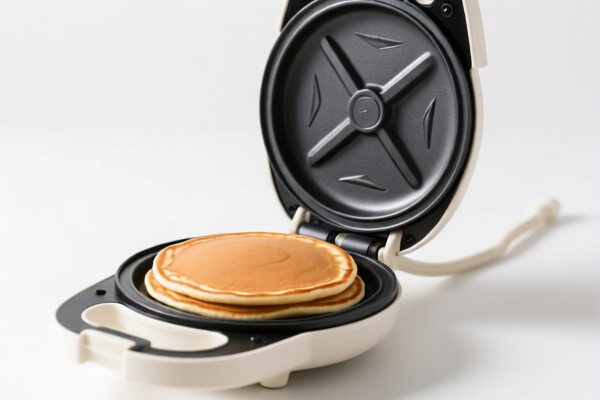
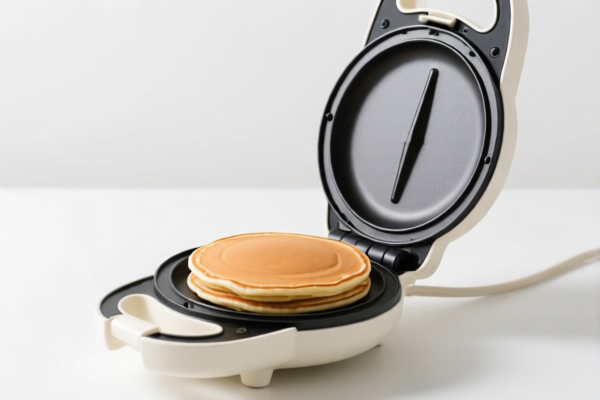
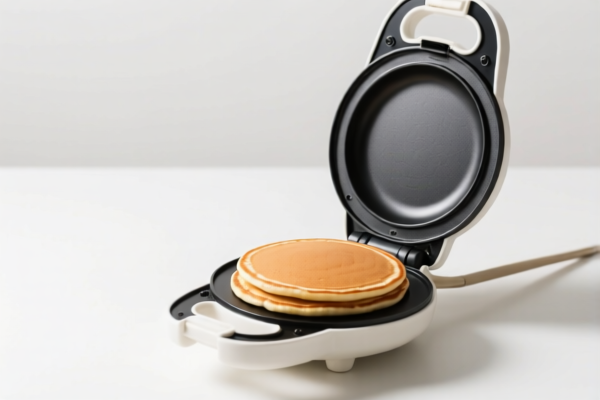
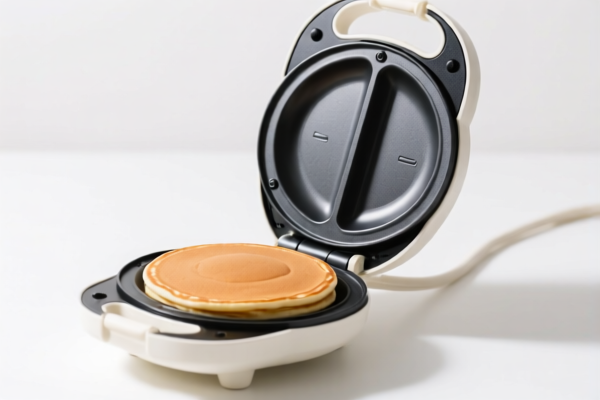
AI Analysis
🥞 Pancake Maker: The Ultimate HS Code Classification & US Customs Clearance Guide (2026)
🌐 HS Code Reference & Customs Strategy | 2026 Latest Tariff Analysis | Professional-Level Clearing Strategy
📌 I. Product Definition & Classification: Do You Really Understand a "Pancake Maker"?
A Pancake Maker is a specialized kitchen appliance designed for cooking flat, round cakes. In international trade, classification hinges on technology type (electric vs. non-electric) and intended function (general cooking vs. specific appliance type).
Key Distinctions:
- Electric Pancake Makers: Contain heating elements, thermostats, and plugs. Generally fall under Chapter 85 (Electrical machinery).
- Non-Electric/Cast Iron Griddles: Rely on external heat sources. Generally fall under Chapter 73 (Articles of iron or steel).
⚠️ Critical Decision Point:
- If the device is electric and intended for general cooking/heating of food → It is often classified as a general-purpose electric cooking appliance (e.g.,8516.60or8419.81).
- If the device is non-electric metal cookware → It falls under Chapter 73 (Cast iron/steel articles).
- Misclassification Risk: Declaring an electric appliance as "metal cookware" (Chapter 73) to avoid higher electrical tariffs is a common customs error that leads to severe penalties.
📦 II. HS Code Classification Details (2026 Latest Tariff Authority Match)
Based on the provided data, here are the five valid HS Code scenarios for Pancake Makers, categorized by technology and material.
| HS Code | Product Description | Applicability | Key Reason for Classification |
|---|---|---|---|
8516.60.40.70 |
Electric Panini Press / Grill | ✅ Electric | Classified as "Cooking range, oven & hob"; fits the "heated cooking appliance" definition. |
8419.81.90.40 |
Other Thermal Processing Machinery | ✅ Electric | Classified under machinery for "heating food"; treats the pancake maker as a thermal processing unit. |
7321.11.10.60 |
Portable Stove / Cooker (Non-Electric) | ❌ Non-Electric | For non-electric cast iron/steel griddles. Treated as "portable stove/cooker" made of steel. |
7321.19.00.40 |
Other Portable Stoves / Cookers (Non-Electric) | ❌ Non-Electric | For non-electric metal cookware where specific sub-categories don't apply. |
8516.60.60.00 |
Other Electric Cooking Appliances | ✅ Electric | A "catch-all" for electric appliances like ovens, hot plates, or pancake makers not explicitly listed elsewhere. |
🔍 Important Note:
- Electric vs. Non-Electric is the primary splitter. Do not mix them.
- If your product is electric, Chapters 8516 or 8419 are the correct paths.
- If your product is a cast iron griddle (no cord), Chapter 73 applies.
- The provided data shows 5 distinct possibilities, reflecting different customs interpretations of "Pancake Maker" (some view it as a grill, some as a thermal processor, some as general cooking).
💰 III. 2026 Latest Tariff Rate Breakdown (Including Surcharges & Policy Add-ons)
✅ Applicable Country: United States (US)
✅ Origin: China (CN)
✅ Effective Date: Post-2025 Trade Policy Adjustments
🎯 1. 8516.60.40.70 —— Electric Cooking Appliance (Grill/Press Type)
Most common for electric sandwich/pancake makers.
| Item | Content |
|---|---|
| Base Tariff | 0.0% |
| Section 301 Surcharge | +25.0% |
| IEEPA Surcharge (Sec 122) | +10.0% |
| Steel/Aluminum/Copper Surcharge | +50.0% (NOT APPLICABLE unless primarily steel construction under specific rules; data shows 0% for steel here) |
| Total Tariff Rate | 35.0% |
| Tax Calculation | CIF Value × 35.0% |
| De Minimis Exemption | ❌ Not Eligible |
| Legal Basis Path | IEEPA:9903.01.25 → USITC:8516.60.40.70 → FOOTNOTE:301 |
📌 Explanation:
- This code treats the pancake maker as a heated cooking appliance (like a toaster or grill).
- 35% Total: 0% base + 25% (301) + 10% (IEEPA).
- No additional steel tariff is applied in this specific classification in the provided data.
🎯 2. 8419.81.90.40 —— Thermal Processing Machinery
| Item | Content |
|---|---|
| Base Tariff | 0.0% |
| Section 301 Surcharge | +7.5% |
| IEEPA Surcharge (Sec 122) | +10.0% |
| Total Tariff Rate | 17.5% |
| Tax Calculation | CIF Value × 17.5% |
| De Minimis Exemption | ❌ Not Eligible |
| Legal Basis Path | IEEPA:9903.01.24 → USITC:8419.81.90.40 → FOOTNOTE:301 |
📌 Explanation:
- This code classifies the device as machinery for heating food rather than a simple appliance.
- 17.5% Total: 0% base + 7.5% (301) + 10% (IEEPA).
- Advantage: Lower total tariff (17.5%) compared to8516.60.40.70(35%).
- Risk: Customs may reject this if the product is deemed a "household appliance" (Chapter 85) rather than "industrial machinery" (Chapter 84).
🎯 3. 7321.11.10.60 —— Non-Electric Portable Stove (Steel)
| Item | Content |
|---|---|
| Base Tariff | 5.7% |
| Section 301 Surcharge | +25.0% |
| IEEPA Surcharge (Sec 122) | +10.0% |
| Steel/Aluminum/Copper Surcharge | +50.0% (CRITICAL) |
| Total Tariff Rate | 90.7% |
| Tax Calculation | CIF Value × 90.7% |
| De Minimis Exemption | ❌ Not Eligible |
| Legal Basis Path | IEEPA:9903.01.25 → USITC:7321.11.10.60 → FOOTNOTE:STEEL |
📌 Explanation:
- Applies to non-electric cast iron/steel griddles.
- 90.7% Total: 5.7% base + 25% (301) + 10% (IEEPA) + 50% (Steel Surcharge).
- Warning: This is the highest tariff option. Do not use for electric devices. Use only for heavy cast-iron griddles if you want to avoid Chapter 85 classification.
🎯 4. 7321.19.00.40 —— Other Non-Electric Portable Stoves
| Item | Content |
|---|---|
| Base Tariff | 0.0% |
| Section 301 Surcharge | +0.0% |
| IEEPA Surcharge (Sec 122) | +10.0% |
| Steel/Aluminum/Copper Surcharge | +50.0% (CRITICAL) |
| Total Tariff Rate | 60.0% |
| Tax Calculation | CIF Value × 60.0% |
| De Minimis Exemption | ❌ Not Eligible |
| Legal Basis Path | IEEPA:9903.01.24 → USITC:7321.19.00.40 → FOOTNOTE:STEEL |
📌 Explanation:
- Applies to non-electric metal cookware not specifically listed in 7321.11.
- 60.0% Total: 0% base + 0% (301) + 10% (IEEPA) + 50% (Steel Surcharge).
- Note: The 50% steel surcharge makes this significantly more expensive than electric alternatives.
🎯 5. 8516.60.60.00 —— Other Electric Cooking Appliances
| Item | Content |
|---|---|
| Base Tariff | 2.7% |
| Section 301 Surcharge | +0.0% |
| IEEPA Surcharge (Sec 122) | +10.0% |
| Total Tariff Rate | 12.7% |
| Tax Calculation | CIF Value × 12.7% |
| De Minimis Exemption | ❌ Not Eligible |
| Legal Basis Path | IEEPA:9903.01.24 → USITC:8516.60.60.00 |
📌 Explanation:
- A "catch-all" for electric appliances like hot plates or pancake makers not explicitly detailed in8516.60.40.
- 12.7% Total: 2.7% base + 0% (301) + 10% (IEEPA).
- Advantage: Lowest Total Tariff (12.7%) among all options.
- Risk: Customs may challenge this if they believe the product fits8516.60.40(Grill/Press) instead. Requires strong justification that it is not a "grill" or "toast" but a specific "pancake maker."
🛠️ IV. Customs Clearance Practical Advice (Battle-Tested Pitfall Guide)
✅ 1. Documentation Checklist (Non-Negotiable)
| Document | Must Provide | Purpose |
|---|---|---|
| ✅ Product Specifications | ✔️ | Voltage, Wattage, Dimensions, Material (Steel, Non-stick, Cast Iron) |
| ✅ Photographs | ✔️ | Clear images of the appliance, control panel, heating plates, and plugs |
| ✅ Commercial Invoice | ✔️ | Must clearly state: "Electric Pancake Maker, Model XYZ, HS Code [Insert Code]" |
| ✅ Proof of Origin | ✔️ | Certificate of Origin (CO) if claiming any preferential treatment (rare for China) |
| ✅ CE/FCC Certificates | ✔️ | If claiming safety standards, attach copies |
| ✅ Usage Description | ✔️ | Explain how it works: "Heats plates via electric element to cook batter" |
✅ 2. Declaration Strategy (Key Mantra)
🔥 “Match the Technology, Justify the Code, Avoid the Steel Trap!”
| Scenario | Recommended HS Code | Reason |
|---|---|---|
| Electric Pancake Maker | 8516.60.60.00 or 8516.60.40.70 |
Best for electric devices. 8516.60.60.00 has lower tariff (12.7%) but higher risk of challenge. 8516.60.40.70 (35%) is safer if it looks like a grill. |
| Thermal Processor Argument | 8419.81.90.40 |
Use only if you can prove it’s industrial-grade machinery. Tariff is 17.5%. High risk of reclassification. |
| Non-Electric Cast Iron Griddle | 7321.11.10.60 or 7321.19.00.40 |
Warning: High steel tariffs (60–90.7%). Only use if you cannot classify as electric. |
| Avoid | Misdeclaring Electric as Non-Electric | Customs will detect the plug/heating element and apply penalties + back taxes. |
✅ 3. Special Handling Tips
| Situation | Advice |
|---|---|
| OEM/White Label Products | Ensure the invoice matches the brand on the device. Discrepancies cause delays. |
| Included Accessories | If sold with spatula, brush, or cleaning tool, declare them as "Included" under the main HS Code. Do not split items. |
| Dual-Function Appliances | If it also toasts bread or grills meat, declare as "Sandwich Press / Grill" (8516.60.40.70) rather than "Pancake Maker" to avoid ambiguity. |
| Steel vs. Non-Stick Coating | The 50% steel surcharge in Chapter 73 applies to the material. In Chapter 85, it does not apply, making electric devices often cheaper to import despite higher base rates. |
🌍 V. Global Market Comparison (2026)
| Country/Region | Recommended HS Code | Est. Tariff (China Origin) | Key Certification | Notes |
|---|---|---|---|---|
| 🇺🇸 USA | 8516.60.60.00 or 8516.60.40.70 |
12.7% – 35.0% | FCC, UL | High tariffs due to IEEPA/301. |
| 🇨🇳 China | 8516.60.60.00 |
~12–17% | CCC | Lower tariffs than US. |
| 🇪🇺 EU | 8516.60.60.00 |
0–10% | CE, RoHS | No US-style surcharges. |
| 🇬🇧 UK | 8516.60.60.00 |
0–10% | UKCA | Post-Brexit rules apply. |
| 🇦🇺 Australia | 8516.60.60.00 |
5% | RCM | Moderate tariffs. |
📌 Conclusion:
- The US market is the most expensive for Chinese-made pancake makers due to layered surcharges.
- Electric appliances (Chapter 85) are generally more cost-effective than non-electric steel griddles (Chapter 73) due to the 50% steel surcharge.
📌 VI. Common Errors & Pitfall Guide (Lessons Learned)
❌ Error 1: Classifying an electric pancake maker as non-electric steel (7321)
👉 Consequence: Customs detects the cord/heating element → Rejected, fines, and 90.7% tariff applied retroactively.
❌ Error 2: Using 8419.81.90.40 for a household pancake maker
👉 Consequence: Customs argues it’s not "industrial machinery" → Reclassified to 8516.60.40.70 (35%) → Back taxes + Interest.
❌ Error 3: Splitting the pancake maker from its power cord
👉 Consequence: Cord declared separately → Higher total tariff + administrative delays.
❌ Error 4: Ignoring the IEEPA 10% Surcharge
👉 Consequence: Underpayment of taxes → Seizure of goods at border.
✅ Correct Approach:
"Electric Pancake Maker, 120V, 1000W, Non-Stick Coating, UL Listed, HS Code 8516.60.60.00"
🎯 VII. Conclusion: Smart Classification Saves Money
🎯 Key Takeaway:
- For Electric Pancake Makers: Aim for 8516.60.60.00 (12.7%) if you can justify it as "other appliances," or settle for 8516.60.40.70 (35%) as a safer "grill" classification.
- For Non-Electric Steel Griddles: Avoid unless necessary, due to 60–90% tariffs from steel surcharges.
- Never mix electric and non-electric classifications.
📌 Pro Tip:
- Apply for a Pre-Ruling (CBP Ruling Letter) if your volume is high. This locks in your HS Code and tariff rate, providing legal certainty.
- Consider supply chain diversification (e.g., Vietnam, Mexico) if US tariffs remain prohibitive.
📣 Immediate Action:
📞 Contact your freight forwarder + Provide product specs + Apply for CBP Pre-Ruling
🚀 Ensure compliant classification, avoid costly audits, and maximize profit margins!
✨ Professional Clearing Starts with Accurate Classification!
💼 Your Bottom Line Depends on the Last Digit of the HS Code!
Customer Reviews
About HS Code Classification
The Harmonized System (HS) is an internationally standardized nomenclature developed by the World Customs Organization (WCO) to classify traded products. Over 200 countries use the HS system as the basis for customs tariffs, trade statistics, and import/export regulations.
Each HS code follows a hierarchical structure:
- Chapter (2 digits) — Broad category of goods (e.g., Chapter 84: Machinery and Mechanical Appliances)
- Heading (4 digits) — More specific grouping within the chapter
- Subheading (6 digits) — Internationally standardized breakdown, used by all WCO member countries
- National subdivisions (8-10 digits) — Country-specific extensions for further classification, such as US HTSUS 10-digit codes
Correct HS code classification is essential for smooth customs clearance, accurate duty payment, and compliance with trade regulations. Misclassification can lead to customs delays, overpayment of duties, or penalties.
When importing from CN to US, the applicable tariff rates may include:
- Most-Favored-Nation (MFN) rate — The standard duty rate applied to WTO members
- General rate — Applied to countries without trade agreements
- Trade remedy duties — Additional tariffs such as Section 301 (anti-dumping), Section 232 (national security), or countervailing duties
The information provided on this page is for reference purposes only. For official classification, please consult with your local customs authority or a licensed customs broker.