Panties
CN → US| HS Code | Tariff Rate | Origin | Destination | Doc |
|---|---|---|---|---|
| 6108210010 | 25.1% | CN | US | Official Doc |
| 6108920005 | 33.5% | CN | US | Official Doc |
| 6107110010 | 24.9% | CN | US | Official Doc |
| 6108920015 | 33.5% | CN | US | Official Doc |
| 6108910015 | 26.0% | CN | US | Official Doc |
Product Images
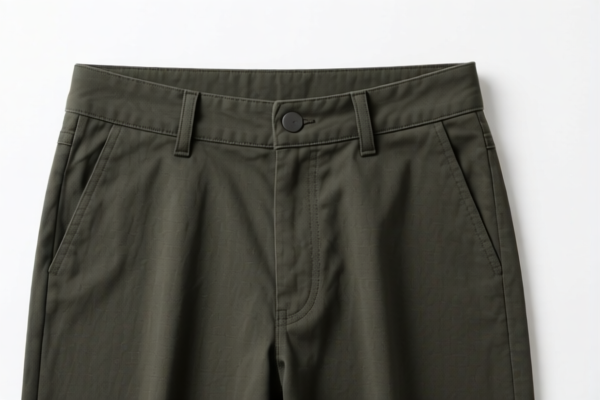
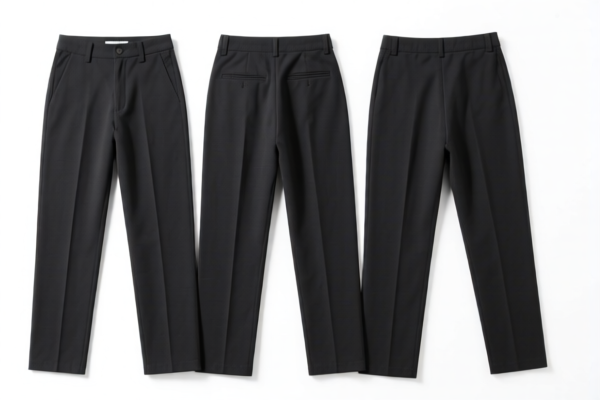
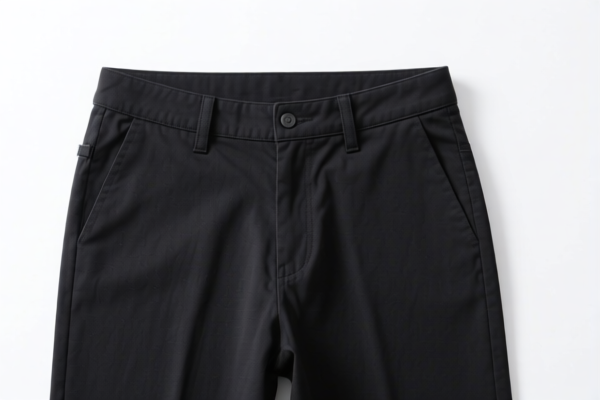

AI Analysis
👙 Panties: HS Code Classification & 2026 Tariff Strategy | The Ultimate Clearance Guide
🌐 HS Code Reference & Clearance Guide | 2026 Latest Tariff Analysis | Professional Clearance Strategy
📌 I. Product Definition & Classification: Do You Really Understand "Panties"?
Panties are intimate apparel items, primarily classified under Chapter 61 (Knitted or Crocheted) and Chapter 62 (Non-Knitted or Crocheted). In international trade, precise classification is critical because tariffs vary significantly based on material composition (Cotton vs. Synthetic) and manufacturing process (Knitted vs. Woven).
⚠️ Key Distinction Points:
- Knitted (Chapter 61): Includes items like lace panties, seamless underwear, and stretch fabrics. Typically carries lower base tariffs but is heavily affected by Section 122 and 301 tariffs. - Non-Knitted/Woven (Chapter 62): Includes disposable panties, specific synthetic blends, or structured underwear. Often faces higher base tariffs.
📦 II. HS Code Classification Details (2026 Latest Tariff Authority)
Based on the provided data, here is the exact mapping for Panties:
| HS Code | Product Description | Material/Type | Key Characteristics |
|---|---|---|---|
6108.21.00.10 |
Cotton Panties | 100% Cotton, Knitted | Classic briefs, boyshorts, or bikini cuts made entirely of cotton knit fabric. |
6108.92.00.05 |
Synthetic/Cotton Blend Knitted Panties | Man-made Fiber or Cotton Blend, Knitted | Includes lace-trimmed, seamless, or blend underwear (e.g., Polyester/Cotton mix). |
6108.91.00.15 |
Cotton/Knit Underwear (Including Panties) | Cotton or Knitted | A broader category for knit underwear where cotton is the primary defining feature. |
6108.92.00.15 |
Synthetic Fiber Underwear (Including Panties) | Man-made Fiber, Knitted | Predominantly synthetic knitted underwear (e.g., Nylon, Spandex, Polyester). |
6207.19.90.10 |
Non-Cotton/Synthetic Disposable Panties | Non-Cotton, Man-made Fiber or Non-woven | Specifically for disposable panties or those made from non-woven synthetic materials. |
🔍 Critical Note:
- Items classified under 6108 are Knitted. If the item is woven (e.g., certain structured briefs), it might fall under Chapter 62, but most standard panties are knit. - Disposable items have a specific subheading (6207.19.90.10) and are treated differently in terms of base duty.
💰 III. 2026 Latest Tariff Rate Breakdown (Including Surtaxes)
✅ Applicable Country: United States (US)
✅ Origin: China (CN)
✅ Effective Date: Current applicable rates including Section 122 and 301 tariffs.
🎯 1. 6108.21.00.10 —— Cotton Panties
| Item | Content |
|---|---|
| Base Tariff | 7.6% |
| Section 301 Surtax | 7.5% |
| Section 122 Surtax | 10% |
| Total Tax Rate | 25.1% |
| Tax Calculation | CIF Value × 25.1% |
| De Minimis Exemption | ❌ Not Applicable (High tax burden prevents de minimis benefit) |
| Legal Basis | Section 122 (10%) + 301 Tariff (7.5%) + Base Duty (7.6%) |
📌 Explanation:
- Cotton panties have the lowest base duty (7.6%) among the options. - However, they are still subject to Section 122 (10%) and 301 Surtax (7.5%), resulting in a total of 25.1%. - This is the most cost-effective classification for 100% cotton products.
🎯 2. 6108.92.00.05 —— Synthetic/Cotton Blend Knitted Panties
| Item | Content |
|---|---|
| Base Tariff | 16.0% |
| Section 301 Surtax | 7.5% |
| Section 122 Surtax | 10% |
| Total Tax Rate | 33.5% |
| Tax Calculation | CIF Value × 33.5% |
| De Minimis Exemption | ❌ Not Applicable |
| Legal Basis | Section 122 (10%) + 301 Tariff (7.5%) + Base Duty (16.0%) |
📌 Note:
- This category applies to knitted panties made of man-made fibers or blends (not 100% cotton). - The base duty is significantly higher (16.0% vs. 7.6%), leading to a total of 33.5%. - Common for lace, seamless, or polyester/spandex blends.
🎯 3. 6108.91.00.15 —— Cotton or Knitted Underwear (Including Panties)
| Item | Content |
|---|---|
| Base Tariff | 8.5% |
| Section 301 Surtax | 7.5% |
| Section 122 Surtax | 10% |
| Total Tax Rate | 26.0% |
| Tax Calculation | CIF Value × 26.0% |
| De Minimis Exemption | ❌ Not Applicable |
| Legal Basis | Section 122 (10%) + 301 Tariff (7.5%) + Base Duty (8.5%) |
📌 Note:
- A broader category for knitted underwear where cotton is a key component. - Total rate is 26.0%, slightly higher than pure cotton panties (25.1%) but lower than synthetic blends (33.5%).
🎯 4. 6108.92.00.15 —— Synthetic Fiber Underwear (Including Panties)
| Item | Content |
|---|---|
| Base Tariff | 16.0% |
| Section 301 Surtax | 7.5% |
| Section 122 Surtax | 10% |
| Total Tax Rate | 33.5% |
| Tax Calculation | CIF Value × 33.5% |
| De Minimis Exemption | ❌ Not Applicable |
| Legal Basis | Section 122 (10%) + 301 Tariff (7.5%) + Base Duty (16.0%) |
📌 Note:
- This is the most expensive classification for knitted synthetic underwear. - Identical to6108.92.00.05in terms of total tax (33.5%). - Use this if the product is primarily man-made fiber (e.g., Nylon, Polyester) and not a cotton blend.
🎯 5. 6207.19.90.10 —— Non-Cotton Synthetic/Non-Woven Disposable Panties
| Item | Content |
|---|---|
| Base Tariff | 10.5% |
| Section 301 Surtax | 7.5% |
| Section 122 Surtax | 10% |
| Total Tax Rate | 28.0% |
| Tax Calculation | CIF Value × 28.0% |
| De Minimis Exemption | ❌ Not Applicable |
| Legal Basis | Section 122 (10%) + 301 Tariff (7.5%) + Base Duty (10.5%) |
📌 Note:
- Specifically for disposable panties or non-woven synthetic materials. - Total rate is 28.0%. - Ensure the product is clearly labeled as "Disposable" or "Non-Woven" to justify this classification.
🛠️ IV. Clearance Practical Advice (Battle-Tested Pitfall Guide)
✅ 1. Preparation Checklist (No Exceptions)
| Document | Required | Description |
|---|---|---|
| ✅ Product Specifications | ✔️ | Must specify material composition (e.g., "100% Cotton", "95% Polyester/5% Spandex"). |
| ✅ Material Certificate | ✔️ | Proof of fabric origin and composition to justify HS Code. |
| ✅ Product Photos | ✔️ | Clear images of front, back, label, and fabric texture. |
| ✅ Commercial Invoice | ✔️ | Must explicitly state "Panties" and material details. |
| ✅ Packing List | ✔️ | Accurate weight and quantity. |
| ✅ Origin Certificate | ✔️ | If claiming any preferential treatment (though unlikely for US/China). |
✅ 2. Declaration Tips (Key Mantras)
🔥 "Material Dictates Code, Cotton is King, Synthetics Hurt the Wallet!"
| Scenario | Correct Declaration | Incorrect Practice |
|---|---|---|
| 100% Cotton Knitted Panties | 6108.21.00.10 (25.1%) |
Misdeclare as synthetic → 33.5% |
| Polyester/Spandex Seamless Panties | 6108.92.00.15 (33.5%) |
Misdeclare as cotton → 25.1% (Risk of penalty) |
| Disposable Non-Woven Panties | 6207.19.90.10 (28.0%) |
Declare as reusable → Incorrect classification |
| Cotton/Lace Blend (Cotton dominant) | 6108.91.00.15 or 6108.21.00.10 |
Vague description "Underwear" → Delays |
✅ 3. Special Handling Cases
| Situation | Handling Advice |
|---|---|
| OEM/Private Label | Provide buyer's design specs and material approval sheets to prove composition. |
| Lace-Trimmed Cotton | If cotton >50% by weight, consider 6108.21.00.10 or 6108.91.00.15. Verify with customs broker. |
| Seamless/Stretch | Usually fall under 6108.92.00.05 or 6108.92.00.15 depending on fiber content. |
| Disposable Underwear | Must be explicitly described as "Disposable" and non-woven to use 6207.19.90.10. |
🌍 V. Global Market Clearance Comparison (2026 Latest)
| Country/Region | Recommended HS Code | Tariff (China Origin) | Certification Requirements | Notes |
|---|---|---|---|---|
| 🇺🇸 USA | 6108.21.00.10 |
25.1% (Cotton) | None specific | Section 122 + 301 apply. High tax burden. |
| 🇨🇳 China | 6108.21.00.10 |
7.6% (Base) | None | No additional surtaxes. |
| 🇪🇺 EU | 6108.21 |
12% + VAT | REACH, Oeko-Tex | No Section 122/301. |
| 🇬🇧 UK | 6108.21 |
12% + VAT | UKCA | Post-Brexit rules apply. |
| 🇦🇺 Australia | 6108.21 |
5% + GST | Australian Consumer Law | Free Trade Agreement benefits may apply. |
📌 Conclusion:
- The US is the most expensive market due to Section 122 (10%) and 301 (7.5%) surtaxes. - Cotton panties offer the lowest tax rate among all options (25.1%). - Synthetic panties face a 33.5% total tax rate, which is 8.4% higher than cotton.
📌 VI. Common Mistakes & Pitfalls (Blood & Tears Lessons)
❌ Mistake 1: Declaring 100% Cotton Panties as "Synthetic Blend"
👉 Consequence: Incorrect HS Code (6108.92.00.05) → 33.5% Tax instead of 25.1% → Overpayment of 8.4%!
❌ Mistake 2: Declaring Disposable Panties as "Reusable Cotton"
👉 Consequence: Customs inspection fails → Detention, Re-inspection, or Return.
❌ Mistake 3: Vague Description "Underwear" without Material Info
👉 Consequence: Customs requests additional information → Customs Clearance Delay (5-10 days).
❌ Mistake 4: Ignoring Section 122 and 301 Surtaxes
👉 Consequence: Underestimating landed cost → Profit Margin Erosion.
✅ Correct Practice:
"Women's Knitted Cotton Panties, 100% Cotton, Size M, Label: Brand ABC"
🎯 VII. Conclusion: Professional Declaration, Save Time, Reduce Costs!
🎯 Remember the Mantra:
🔹 "Cotton is Cheapest (25.1%), Synthetics are Expensive (33.5%), Be Precise!"
🔹 "HS Code is Life, Tax Difference is 8.4%, Declare Wrongly, Pay More!"
📌 Pro Tip:
If your panties are originated from Vietnam, Mexico, or Thailand, you may qualify for IEEPA Exemptions or Free Trade Agreement (FTA) benefits, reducing the tax to 0%~5%.
Recommendation: Apply for Advance Ruling before shipment to mitigate customs risks.
📣 Immediate Action:
📞 Contact a Professional Customs Broker + Provide Product Photos + Apply for HS Code Advance Ruling
🚀 Let your panties clear smoothly, export efficiently, and maximize profits!
✨ Professional Clearance Starts with Accurate Classification!
💼 Every cent of your cost deserves precise calculation!
Customer Reviews
About HS Code Classification
The Harmonized System (HS) is an internationally standardized nomenclature developed by the World Customs Organization (WCO) to classify traded products. Over 200 countries use the HS system as the basis for customs tariffs, trade statistics, and import/export regulations.
Each HS code follows a hierarchical structure:
- Chapter (2 digits) — Broad category of goods (e.g., Chapter 84: Machinery and Mechanical Appliances)
- Heading (4 digits) — More specific grouping within the chapter
- Subheading (6 digits) — Internationally standardized breakdown, used by all WCO member countries
- National subdivisions (8-10 digits) — Country-specific extensions for further classification, such as US HTSUS 10-digit codes
Correct HS code classification is essential for smooth customs clearance, accurate duty payment, and compliance with trade regulations. Misclassification can lead to customs delays, overpayment of duties, or penalties.
When importing from CN to US, the applicable tariff rates may include:
- Most-Favored-Nation (MFN) rate — The standard duty rate applied to WTO members
- General rate — Applied to countries without trade agreements
- Trade remedy duties — Additional tariffs such as Section 301 (anti-dumping), Section 232 (national security), or countervailing duties
The information provided on this page is for reference purposes only. For official classification, please consult with your local customs authority or a licensed customs broker.