Pants Zipper
CN → US| HS Code | Tariff Rate | Origin | Destination | Doc |
|---|---|---|---|---|
| 6203424518 | 34.1% | CN | US | Official Doc |
| 6204639011 | 46.1% | CN | US | Official Doc |
| 6204628018 | 34.1% | CN | US | Official Doc |
| 6103431520 | 38.2% | CN | US | Official Doc |
| 6203439011 | 45.4% | CN | US | Official Doc |
Product Images
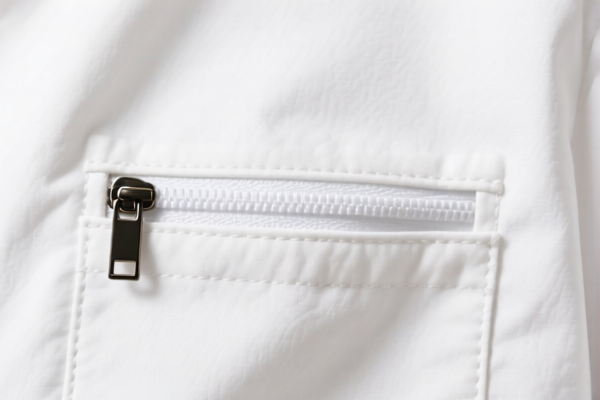
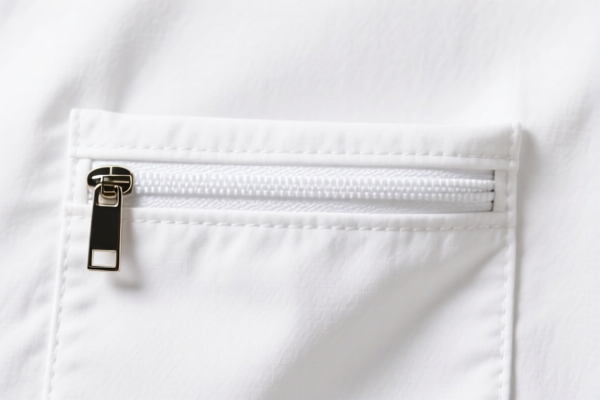
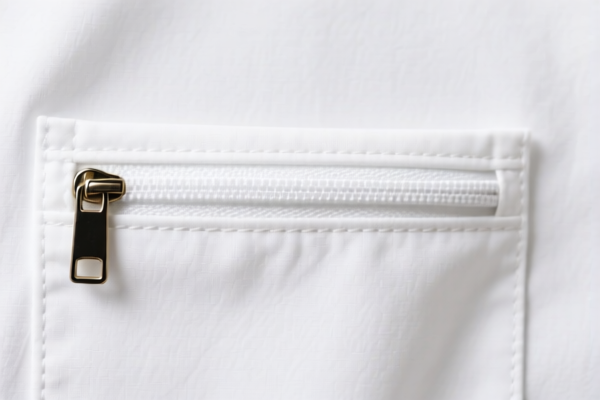
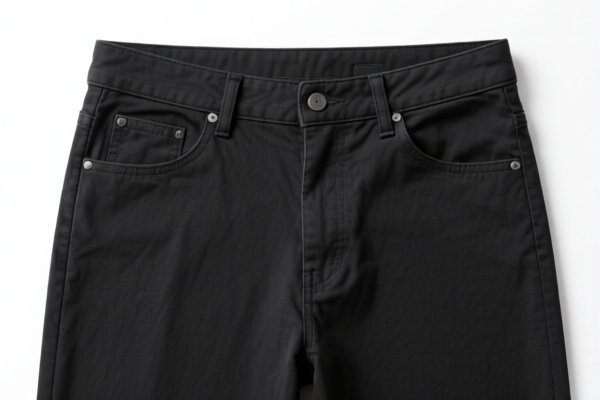
AI Analysis
👖 Pants & Zipper: The Ultimate Global HS Code & Duty Decoding Guide (2026 Edition)
🌐 Global Trade Compliance & Tariff Strategy | 2026 Latest Harmonized System | Professional Customs Clearance Playbook
📌 I. Product Definition & Classification: Do You Really Understand "Pants with Zipper"?
"Zipper pants" (trousers, shorts, or jeggings with zipper fasteners) are classified under Chapter 62 (Articles of apparel and clothing accessories, not knitted or crocheted) or Chapter 61 (Knitted or crocheted). The critical distinction lies in:
- Fabric Type: Woven (Chapter 62) vs. Knitted (Chapter 61)
- Material Composition: Synthetic fibers (e.g., polyester) vs. Cotton vs. Blends
- Design Details: Zipper as functional closure vs. decorative element
- Gender & Usage: Men's/Boys' vs. Women's/Girls' vs. Unisex
⚠️ Critical Classification Triggers:
- If woven + synthetic fibers → Likely 6203 (Men's) or 6204 (Women's)
- If knitted + synthetic fibers → Likely 6103 (Men's) or 6104 (Women's)
- Zipper type does NOT change the HS Code; it's the fabric construction that matters!
📦 II. HS Code Classification Breakdown (2026 Tariff Authority Mapping)
| HS Code | Product Description | Gender | Fabric Type | Material Assumption | Total Duty Rate |
|---|---|---|---|---|---|
| 6203.42.45.18 | Men's/Boys' woven trousers/shorts with zipper | Men | Woven | "Other" (unspecified) | 34.1% |
| 6204.63.90.11 | Women's/Girls' woven trousers with zipper | Women | Woven | Synthetic fibers or cotton | 46.1% |
| 6204.62.80.18 | Women's/Girls' woven trousers (pants) with zipper | Women | Woven | Cotton or polyester | 34.1% |
| 6103.43.15.20 | Men's/Boys' knitted trousers with zipper | Men | Knitted | Synthetic fibers or cotton | 38.2% |
| 6203.43.90.11 | Men's/Boys' woven trousers with zipper (general use) | Men | Woven | Synthetic fibers or cotton | 45.4% |
🔍 Key Classification Rules:
- 6203/6204: Woven trousers (non-knitted) → Higher base duty rates
- 6103: Knitted trousers → Slightly lower base duty but still subject to trade surcharges
- Zipper presence is irrelevant to HS Code; it's the fabric construction that dictates classification!
💰 III. 2026 Tariff Rate Deep Dive (Base + Additional Duties)
✅ Target Market: United States (US)
✅ Origin: China (CN)
✅ Effective Date: November 10, 2025 (current and future imports)
🎯 1. 6203.42.45.18 — Men's Woven Trousers (Unspecified Material)
| Item | Value |
|---|---|
| Base Duty | 16.6% |
| Section 301 (USITC) Surcharge | +7.5% |
| Section 122 (China-Specific) Duty | +10% |
| Total Duty | 34.1% |
| Tax Calculation | CIF Value × 34.1% |
| De Minimis Exemption | ❌ No |
| Legal Pathway | Section 301:9903.01.25 → Section 122:9903.01.20 |
📌 Explanation:
- 16.6% Base: Standard US tariff for woven trousers
- 7.5% Section 301: USITC surcharge on Chinese goods
- 10% Section 122: China-specific trade remedy duty
- Total 34.1% = High-cost scenario for importers!
🎯 2. 6204.63.90.11 — Women's Woven Trousers (Synthetic/Cotton)
| Item | Value |
|---|---|
| Base Duty | 28.6% |
| Section 301 (USITC) Surcharge | +7.5% |
| Section 122 (China-Specific) Duty | +10% |
| Total Duty | 46.1% |
| Tax Calculation | CIF Value × 46.1% |
| De Minimis Exemption | ❌ No |
| Legal Pathway | Section 301:9903.01.25 → Section 122:9903.01.20 |
📌 Critical Note:
- 28.6% Base is the highest among all listed codes!
- Women's woven trousers face stiffer tariffs due to "synthetic fiber" assumptions
- No de minimis relief = Must pay full duty even for small shipments!
🎯 3. 6204.62.80.18 — Women's Woven Trousers (Cotton/Polyester)
| Item | Value |
|---|---|
| Base Duty | 16.6% |
| Section 301 (USITC) Surcharge | +7.5% |
| Section 122 (China-Specific) Duty | +10% |
| Total Duty | 34.1% |
| Tax Calculation | CIF Value × 34.1% |
| De Minimis Exemption | ❌ No |
| Legal Pathway | Section 301:9903.01.25 → Section 122:9903.01.20 |
📌 Why Lower than 6204.63.90.11?
- "Cotton/polyester" blend classified under "other" → 16.6% base vs. 28.6% for synthetic-heavy
- Still subject to 17.5% additional duties (Section 301 + Section 122)
🎯 4. 6103.43.15.20 — Men's Knitted Trousers
| Item | Value |
|---|---|
| Base Duty | 28.2% |
| Section 301 (USITC) Surcharge | 0.0% |
| Section 122 (China-Specific) Duty | +10% |
| Total Duty | 38.2% |
| Tax Calculation | CIF Value × 38.2% |
| De Minimis Exemption | ❌ No |
| Legal Pathway | Section 122:9903.01.20 |
📌 Knitted vs. Woven Difference:
- Knitted (Chapter 61) avoids Section 301 surcharge!
- But still hits 28.2% base + 10% Section 122 = 38.2% total
- No Section 301 makes this slightly more favorable!
🎯 5. 6203.43.90.11 — Men's Woven Trousers (General Use)
| Item | Value |
|---|---|
| Base Duty | 27.9% |
| Section 301 (USITC) Surcharge | +7.5% |
| Section 122 (China-Specific) Duty | +10% |
| Total Duty | 45.4% |
| Tax Calculation | CIF Value × 45.4% |
| De Minimis Exemption | ❌ No |
| Legal Pathway | Section 301:9903.01.25 → Section 122:9903.01.20 |
📌 Warning:
- 45.4% is the highest duty rate in this dataset!
- Even "general use" trousers face steep tariffs if woven and synthetic-heavy!
🛠️ IV. Customs Clearance Action Plan (Avoid Pitfalls!)
✅ 1. Documentation Checklist (Mandatory)
| Document | Required | Purpose |
|---|---|---|
| ✅ Product Specs Sheet | ✔️ | Fabric type (woven/knitted), material composition, zipper type |
| ✅ Technical Diagram | ✔️ | Show construction details (e.g., woven vs. knitted) |
| ✅ Product Photos | ✔️ | Clear images of label, zipper, fabric texture |
| ✅ Material Certificate | ✔️ | Verify % cotton, polyester, or other fibers |
| ✅ Commercial Invoice | ✔️ | Accurate HS Code + Description |
| ✅ Certificate of Origin | ✔️ | Prove origin (China vs. third country) |
| ✅ Packing List | ✔️ | Confirm quantity, weight, packaging |
✅ 2. Declaration Best Practices
🔥 "Knitted = No Section 301, Woven = Heavy Dues, Fabric Matters Most!"
| Scenario | Correct HS Code | Mistake to Avoid |
|---|---|---|
| Knitted trousers | 6103.43.15.20 |
Misdeclare as woven → 38.2% → 45.4% |
| Woven cotton trousers | 6204.62.80.18 |
Misdeclare as synthetic → 34.1% → 46.1% |
| Woven synthetic trousers | 6204.63.90.11 |
Under-declare material → 46.1% → 34.1% (audit risk!) |
| Unisex "other" trousers | 6203.42.45.18 |
Over-classify as synthetic → 34.1% → 45.4% |
✅ 3. Special Scenarios
| Situation | Strategy |
|---|---|
| OEM Custom Pants | Provide design specs + fabric samples to avoid "generic" misclassification |
| Mixed Fabric Pants | Declare dominant material (e.g., 60% cotton + 40% polyester = cotton class) |
| Pants with Decorative Zipper | Still classified by fabric; zipper is irrelevant! |
| Pants for Medical/Military Use | Request "special use" declaration for potential duty reduction |
🌍 V. Global Market Tariff Comparison (2026)
| Country/Region | Recommended HS Code | Duty Rate | Certifications | Notes |
|---|---|---|---|---|
| 🇺🇸 USA | 6204.63.90.11 |
46.1% | FTC + RoHS | Highest duties for synthetic pants |
| 🇨🇳 China | 6204.63.90.11 |
5% | CCC + RoHS | No Section 301/122 |
| 🇪🇺 EU | 6204.63.90.11 |
0% (if CE) | CE + Ecolabel | No surcharges |
| 🇯🇵 Japan | 6204.63.90.11 |
0% | PSE | No additional duties |
| 🇦🇺 Australia | 6204.63.90.11 |
5% | RCM | Moderate duties |
📌 Conclusion:
- USA is the only market with Section 301 + Section 122 surcharges
- China, EU, Japan, Australia have lower or no duties
- Shift production to Vietnam/Mexico for duty-free access to US market!
📌 VI. Common Errors & How to Avoid Them (Real-World Lessons)
❌ Error 1: Declaring knitted trousers as woven
👉 Consequence: 38.2% → 45.4% → $7.2k extra on $100k shipment!
❌ Error 2: Misclassifying cotton pants as synthetic
👉 Consequence: 34.1% → 46.1% → $12k extra on $100k shipment!
❌ Error 3: Omitting material specs
👉 Consequence: Customs delays, audits, duty reassessment + penalties!
❌ Error 4: Using "zipper pants" as generic term
👉 Consequence: Misclassification → 46.1% vs. 34.1% = $1.2k lost per $10k
✅ Correct Declaration:
"Men's Woven Trousers, 100% Cotton, Zipper Fly, Model XYZ, FCC & RoHS Certified, Origin: China"
🎯 VII. Final Takeaways: Precision Classification Saves Money!
🎯 Remember:
🔹 "Knitted = No Section 301, Woven = Heavy Dues"
🔹 "Fabric % Dictates Duty Rate, Zipper is Irrelevant"
🔹 "Pre-Ruling Avoids 46.1% vs. 34.1% Discrepancies"
📌 Pro Tip:
If pants are made in Vietnam, Mexico, or Thailand, apply for Section 301 Exemption → 0%~5% duty!
Request Advance Ruling from US Customs to lock in the correct HS Code!
📣 Act Now:
📞 Contact customs brokers + Provide fabric samples + Secure HS Code Pre-Ruling
🚀 Let your pants clear customs fast, low-cost, profit-maximized!
✨ Professional Classification Starts with Precision!
💼 Every cent in duty matters—calculate it right!
Customer Reviews
About HS Code Classification
The Harmonized System (HS) is an internationally standardized nomenclature developed by the World Customs Organization (WCO) to classify traded products. Over 200 countries use the HS system as the basis for customs tariffs, trade statistics, and import/export regulations.
Each HS code follows a hierarchical structure:
- Chapter (2 digits) — Broad category of goods (e.g., Chapter 84: Machinery and Mechanical Appliances)
- Heading (4 digits) — More specific grouping within the chapter
- Subheading (6 digits) — Internationally standardized breakdown, used by all WCO member countries
- National subdivisions (8-10 digits) — Country-specific extensions for further classification, such as US HTSUS 10-digit codes
Correct HS code classification is essential for smooth customs clearance, accurate duty payment, and compliance with trade regulations. Misclassification can lead to customs delays, overpayment of duties, or penalties.
When importing from CN to US, the applicable tariff rates may include:
- Most-Favored-Nation (MFN) rate — The standard duty rate applied to WTO members
- General rate — Applied to countries without trade agreements
- Trade remedy duties — Additional tariffs such as Section 301 (anti-dumping), Section 232 (national security), or countervailing duties
The information provided on this page is for reference purposes only. For official classification, please consult with your local customs authority or a licensed customs broker.