Pants and Belts for Men
CN → US| HS Code | Tariff Rate | Origin | Destination | Doc |
|---|---|---|---|---|
| 6217909075 | 32.1% | CN | US | Official Doc |
| 4203300000 | 37.7% | CN | US | Official Doc |
| 6203424511 | 34.1% | CN | US | Official Doc |
| 6203424518 | 34.1% | CN | US | Official Doc |
| 6211335030 | 33.5% | CN | US | Official Doc |
Product Images
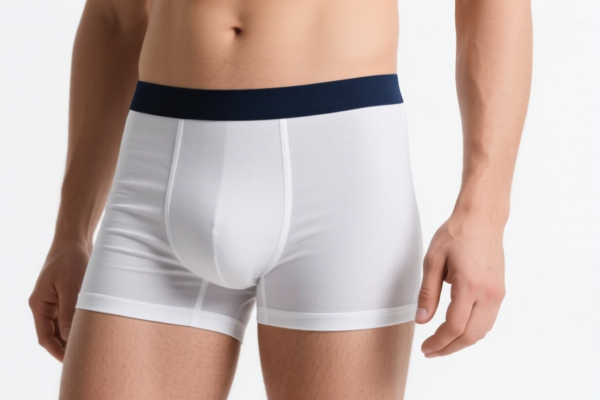
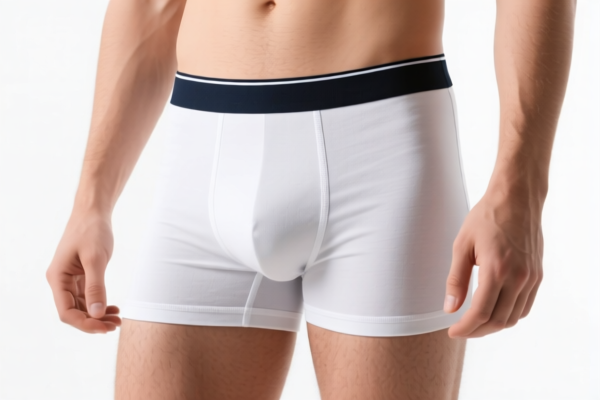
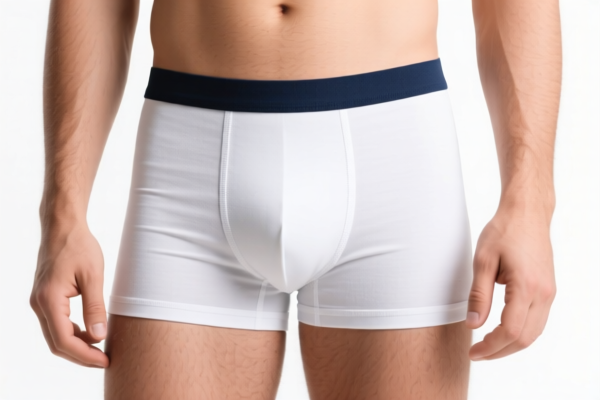

AI Analysis
👖👔 Men’s Pants & Belts | The Ultimate Customs Classification & Tax Strategy Guide (2026)
🌐 HS Code Reference & Clearance Guide | 2026 Latest Tariff Analysis | Professional Level Clearance Strategy
📌 1. Product Definition & Classification: Do You Really Understand Men's Apparel?
Men's trousers and belts are essential components of the global textile and leather goods trade. In international trade, precise classification is critical because material composition and functional design drastically alter the HS Code and resulting tariff rates. Misclassification can lead to severe penalties, delays, or overpayment of duties.
⚠️ Key Distinction Points:
- Belts: Categorized based on whether they are made of leather, fabric (cotton/synthetic), or are considered "accessories" vs. "garments." - Pants: Categorized by material (Cotton vs. Synthetic/Man-made Fibers) and style (Jeans/Denim vs. Other/Trousers/Sports).
📦 2. Detailed HS Code Breakdown (2026 Latest Tariff Authority)
| HS Code | Product Description | Application Scenario | Material/Type |
|---|---|---|---|
6217.90.90.75 |
Men's Belts, classified as garment accessories/parts | Casual belts, fashion belts, non-leather materials | Cotton, Synthetic Fiber, or Mixed |
4203.30.00.00 |
Men's Belts, with or without buckles | Classic leather belts, high-end fashion belts | Leather or Composition Leather |
6203.42.45.11 |
Men's Trousers/Pants | Jeans, denim pants, heavy-duty workwear | Cotton or Denim |
6203.42.45.18 |
Other Men's Trousers | Chinos, dress pants, non-denim cotton trousers | Cotton (Non-Denim/Corduroy) |
6211.33.50.30 |
Men's Sports Pants | Joggers, track pants, athletic wear | Man-made Fibers (Polyester, etc.) |
🔍 Important Reminder:
- Belts: If made of leather, it falls under Chapter 42 (4203...). If made of fabric/textile, it often falls under Chapter 62 (6217...or specific garment headings depending on construction). Note: The data provided lists textile belts under 6217.90.90.75. - Pants: The distinction between Denim (Jeans) and Other Cotton Trousers is critical. Jeans typically have specific subheadings. Also, Synthetic sports pants are distinct from Cotton casual pants.
💰 3. 2026 Latest Tariff Rate Details (Including Surtaxes & Policy Add-ons)
✅ Applicable Country: United States (US)
✅ Origin: China (CN)
✅ Effective Date: Current tariffs include Section 301 and Section 232/122 implications.
🎯 1. 6217.90.90.75 —— Men's Textile Belts (Garment Accessories)
| Item | Content |
|---|---|
| Base Tariff | 14.6% |
| Section 301 Surtax | +7.5% (Trade Policy Add-on) |
| Section 122 Tariff | +10% (Specific Policy Add-on) |
| Total Tax Rate | 32.1% |
| Calculation Basis | CIF Value × 32.1% |
| De Minimis Eligibility | ❌ No (Textile/Garment items generally excluded or subject to high scrutiny) |
| Legal Path | USITC:6217.90.90.75 → Section 301 → Section 122 |
📌 Explanation:
- The 14.6% base rate is standard for textile accessories. - The 7.5% is a Section 301 surcharge applicable to many Chinese textile components. - The 10% is an additional policy levy (Section 122), bringing the total burden to 32.1%. - Risk: High. Misclassifying as a lower-duty item can trigger audits.
🎯 2. 4203.30.00.00 —— Men's Leather Belts
| Item | Content |
|---|---|
| Base Tariff | 2.7% |
| Section 301 Surtax | +25.0% (High Surtax for Leather Goods) |
| Section 122 Tariff | +10% |
| Total Tax Rate | 37.7% |
| Calculation Basis | CIF Value × 37.7% |
| De Minimis Eligibility | ❌ No |
| Legal Path | USITC:4203.30.00.00 → Section 301 → Section 122 |
📌 Note:
- Although the base tariff is very low (2.7%), the 25% Section 301 surcharge is punitive. This makes leather belts from China significantly more expensive in the US market. - Comparison: Even though 37.7% > 32.1%, the base cost structure is different. Ensure your belt material is correctly declared (Real Leather vs. Faux Leather).
🎯 3. 6203.42.45.11 & 18 —— Men's Cotton Pants (Jeans & Chinos)
| Item | Content |
|---|---|
| Base Tariff | 16.6% |
| Section 301 Surtax | +7.5% |
| Section 122 Tariff | +10% |
| Total Tax Rate | 34.1% |
| Applicable HS | 6203.42.45.11 (Jeans/Denim) 6203.42.45.18 (Other Cotton Pants) |
| De Minimis Eligibility | ❌ No |
| Legal Path | USITC:6203.42.45.xx → Section 301 → Section 122 |
📌 Explanation:
- Both jeans and other cotton trousers carry the same high tariff burden (34.1%). - The base rate (16.6%) is higher than belts, reflecting the garment nature. - Critical: Do not confuse "Denim" (11) with "Other Cotton" (18). While the tax rate is the same in this dataset, customs require precise material description to avoid delays.
🎯 4. 6211.33.50.30 —— Men's Synthetic Sports Pants
| Item | Content |
|---|---|
| Base Tariff | 16.0% |
| Section 301 Surtax | +7.5% |
| Section 122 Tariff | +10% |
| Total Tax Rate | 33.5% |
| Applicable HS | 6211.33.50.30 (Man-made Fiber Sports Pants) |
| De Minimis Eligibility | ❌ No |
| Legal Path | USITC:6211.33.50.30 → Section 301 → Section 122 |
📌 Note:
- This is the lowest total tax rate (33.5%) among the pants options. - Base rate is 16.0% (slightly lower than cotton). - Opportunity: If your product is "Athletic Wear/Joggers" made of Polyester/Spandex, ensure it is classified here, not under cotton trousers.
🛠️ 4. Practical Clearance Advice (Real-World Pitfall Avoidance)
✅ 1. Preparation Checklist (Essential Documents)
| Document | Required? | Description |
|---|---|---|
| ✅ Product Specification Sheet | ✔️ | Must detail material composition (e.g., "100% Cotton," "Polyester Blend"). |
| ✅ Material Test Report | ✔️ | ISO/SGS report confirming fabric/leather type. Crucial for 6217 vs 4203. |
| ✅ Clear Photos (Front/Back/Label) | ✔️ | Show belt buckle, stitching, and care label content. |
| ✅ Commercial Invoice | ✔️ | Must match HS Code description exactly. |
| ✅ Packing List | ✔️ | Detail quantities and weights. |
✅ 2. Declaration Strategy (Key Mantras)
🔥 "Material First, Function Second, Name Precise, Tax Clear!"
| Scenario | Correct Declaration | Wrong Approach |
|---|---|---|
| Leather Belt | Men's Leather Belt, 4203.30.00.00 |
Calling it "Fashion Accessory" → Risk of reclassification |
| Fabric Belt | Men's Cotton Belt, 6217.90.90.75 |
Calling it "Leather" → Penalty for false declaration |
| Jeans | Men's Jeans, Denim, Cotton, 6203.42.45.11 |
Calling it "Trousers" → Potential delay for material verification |
| Joggers | Men's Sports Pants, Polyester, 6211.33.50.30 |
Calling it "Cotton Pants" → Wrong HS, wrong tax |
✅ 3. Special Situations
| Situation | Handling Advice |
|---|---|
| Mixed Materials | If a belt has a leather strap but fabric backing, consult customs. Likely 4203 if leather is predominant. |
| Sets (Pants + Belt) | Usually declared as the higher-duty item or separately. Do not combine into one line unless advised by a broker. |
| OEM/Private Label | Provide authorization letters to prove brand ownership and avoid IPR issues. |
| Sample Shipments | Even samples are subject to these tariffs if they are commercial goods. Do not assume "Gift" status exempts duties. |
🌍 5. Global Market Comparison (2026 Snapshot)
| Region | Recommended HS Code | Estimated Duty (China Origin) | Key Certification |
|---|---|---|---|
| 🇺🇸 USA | 6203 / 4203 / 6211 |
32.1% - 37.7% | N/A (Standard Trade) |
| 🇨🇳 China (Import) | 6203 / 4203 |
~5-10% | CCC (if applicable) |
| 🇪🇺 EU | 6203 / 4203 |
~4-12% | CE (for safety labels) |
| 🇬🇧 UK | 6203 / 4203 |
~4-12% | UKCA |
📌 Conclusion:
- The US market is the most expensive due to Section 301 and Section 122 surcharges. - Leather belts (4203.30.00.00) suffer the highest surcharge (25%), making them the most tax-inefficient category from China. - Textile belts (6217.90.90.75) and Sports Pants (6211.33.50.30) offer slightly better rates (32.1% and 33.5% respectively).
📌 6. Common Errors & Pitfalls (Blood & Tears Lessons)
❌ Error 1: Declaring a Leather Belt as a Textile Belt (6217 vs 4203)
👉 Consequence: Customs will reclassify, charge the higher 25% surcharge retroactively + penalties.
❌ Error 2: Declaring Polyester Joggers as Cotton Trousers
👉 Consequence: Material mismatch leads to detention, re-testing, and potential fines.
❌ Error 3: Ignoring the Section 122 Tariff in cost calculations
👉 Consequence: Profit margin erosion. Many importers only calculate Section 301 and forget the additional 10%.
❌ Error 4: Using vague terms like "Men's Clothing"
👉 Consequence: Customs requires specific HS codes. Vague descriptions cause immediate holds.
✅ Correct Practice:
"Men's 100% Cotton Canvas Pants, Non-Denim, Size 32x32, Model XYZ"
"Men's Genuine Leather Belt, Width 3.5cm, Black, Model ABC"
🎯 7. Conclusion: Precise Classification Saves Money!
🎯 Remember the Mantra:
🔹 "Material Dictates Code, Code Dictates Tax!"
🔹 "Leather Belts: 37.7% (Ouch!), Textile Belts: 32.1%, Cotton Pants: 34.1%, Sports Pants: 33.5%!"
📌 Pro Tip:
If you are importing large volumes, consider Advance Rulings from US Customs and Border Protection (CBP) to lock in the HS Code. Also, evaluate supply chain alternatives (e.g., sourcing belts from Vietnam/Mexico if eligible for exemptions) to avoid the high US surtaxes.
📣 Immediate Action:
📞 Consult a Licensed Customs Broker + Provide Material Specs + Verify HS Codes
🚀 Clear Customs Smoothly, Protect Margins, Scale Your Business!
✨ Professional Clearance Starts with Accurate Classification!
💼 Every Percent in Duty is a Percent in Profit Lost!
Customer Reviews
About HS Code Classification
The Harmonized System (HS) is an internationally standardized nomenclature developed by the World Customs Organization (WCO) to classify traded products. Over 200 countries use the HS system as the basis for customs tariffs, trade statistics, and import/export regulations.
Each HS code follows a hierarchical structure:
- Chapter (2 digits) — Broad category of goods (e.g., Chapter 84: Machinery and Mechanical Appliances)
- Heading (4 digits) — More specific grouping within the chapter
- Subheading (6 digits) — Internationally standardized breakdown, used by all WCO member countries
- National subdivisions (8-10 digits) — Country-specific extensions for further classification, such as US HTSUS 10-digit codes
Correct HS code classification is essential for smooth customs clearance, accurate duty payment, and compliance with trade regulations. Misclassification can lead to customs delays, overpayment of duties, or penalties.
When importing from CN to US, the applicable tariff rates may include:
- Most-Favored-Nation (MFN) rate — The standard duty rate applied to WTO members
- General rate — Applied to countries without trade agreements
- Trade remedy duties — Additional tariffs such as Section 301 (anti-dumping), Section 232 (national security), or countervailing duties
The information provided on this page is for reference purposes only. For official classification, please consult with your local customs authority or a licensed customs broker.