Pants and Trousers
CN → US| HS Code | Tariff Rate | Origin | Destination | Doc |
|---|---|---|---|---|
| 6104632011 | 45.7% | CN | US | Official Doc |
| 6203424518 | 34.1% | CN | US | Official Doc |
| 6104622011 | 32.4% | CN | US | Official Doc |
| 6204639011 | 46.1% | CN | US | Official Doc |
Product Images
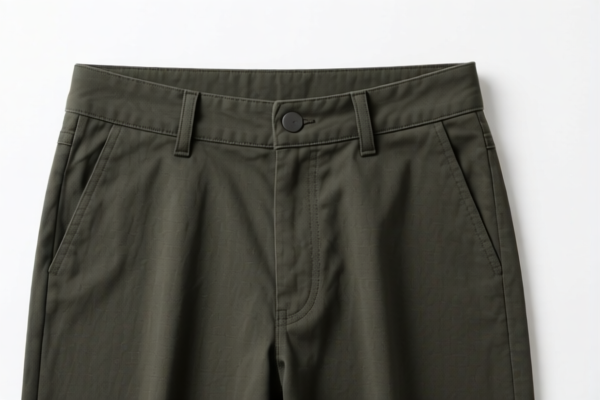
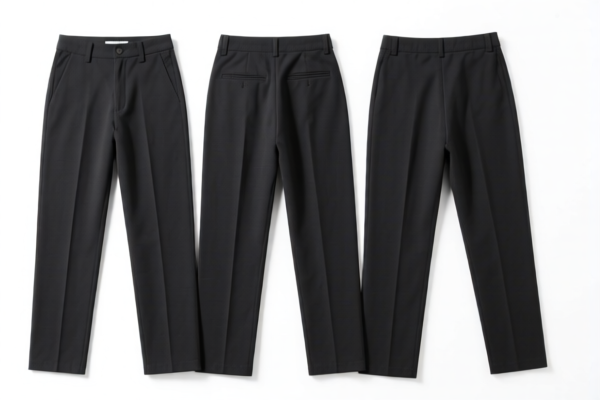
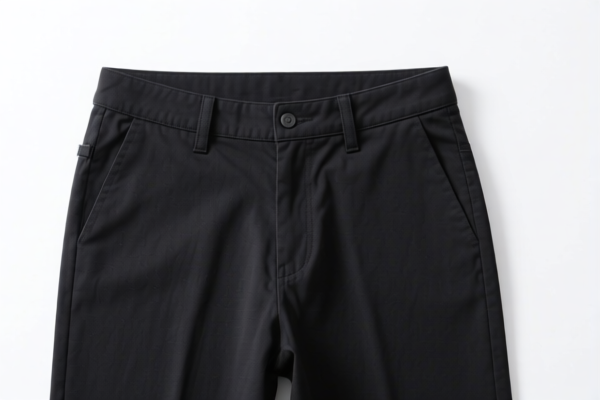

AI Analysis
👖 Pants & Trousers: The Ultimate HS Code Classification & Duty Guide (2026 Edition)
🌐 HS Code Reference & Customs Clearance Guide | 2026 Latest Tariff Analysis | Professional Clearance Strategy
📌 I. Product Definition & Classification: Do You Really Know "Pants"?
In international trade, "Pants" and "Trousers" are not a single monolithic category. The classification depends strictly on three factors: Gender, Fabric Composition, and Manufacturing Process (Knitted vs. Woven). Misclassification here can lead to tax rates ranging from 32.4% to 46.1%, along with significant customs delays.
Key Distinction:
- Knitted/Crocheted (Section XI, Chapter 61): Made from jersey, sweatshirt fabric, or stretch knits. Usually classified under 6104.
- Woven (Section XI, Chapter 62): Made from denim, twill, cotton poplin, or synthetic weaves. Usually classified under 6203 (Men/Boys) or 6204 (Women/Girls).
⚠️ Critical Differentiator:
- If the fabric stretches like a t-shirt → Knitted (61xx)
- If the fabric is rigid or has minimal stretch (like jeans or dress pants) → Woven (62xx)
📦 II. HS Code Classification Details (2026 Latest Tariff Authority)
Based on the provided data, here is the breakdown for the specific HS Codes identified for Pants/Trousers.
| HS Code | Product Description | Key Characteristics | Gender/Type | Total Tax Rate |
|---|---|---|---|---|
6104.63.20.11 |
Knitted Trousers (Synthetic/Other Fiber) | Knitted fabric, long pants, inferred material based on knitting常识. | Women/Girls | 45.7% |
6203.42.45.18 |
Woven Trousers (Men/Boys, Cotton?) | Long pants/Breeches shape, inferred cotton or other fiber. | Men/Boys | 34.1% |
6104.62.20.11 |
Knitted Trousers (Women/Girls, Cotton) | Knitted long pants, specifically Cotton material. | Women/Girls | 32.4% |
6204.63.90.11 |
Woven Trousers (Women/Girls, Other Fiber) | Woven long pants, no material conflict, generic inference. | Women/Girls | 46.1% |
🔍 Analysis:
- Lowest Tax:6104.62.20.11(32.4%) – Why? Cotton knitted pants for women have a lower base tariff (14.9%) compared to synthetic knits (28.2%) or woven counterparts. - Highest Tax:6204.63.90.11(46.1%) – Why? Woven pants for women with unspecified/non-cotton fibers carry the highest base tariff (28.6%). - Gender Impact: Men’s woven pants (6203) generally attract lower base tariffs (16.6%) than women’s woven pants (6204) (28.6%) in this specific dataset.
💰 III. 2026 Latest Tariff Breakdown (Detailed Tax Components)
✅ Scope: Based on the provided
total_taxandtax_detailfields.
✅ Components: Base Tariff + Add-on Tariffs (7.5% + 10% "122 Section").
🎯 1. 6104.63.20.11 – Knitted Trousers (Non-Cotton/Synthetic, Women)
| Component | Rate | Details |
|---|---|---|
| Base Tariff | 28.2% | Standard MFN rate for knitted synthetic/non-cotton pants. |
| Add-on Tariff 1 | 7.5% | Specific trade policy surcharge. |
| Add-on Tariff 2 ("122 Section") | 10.0% | Section 122 specific duty (often related to specific trade disputes or safeguards). |
| TOTAL TAX | 45.7% |
📌 Insight: Synthetic knitted items are penalized with a high base rate.
🎯 2. 6203.42.45.18 – Woven Trousers (Men, Cotton/Other, Long/Breeches)
| Component | Rate | Details |
|---|---|---|
| Base Tariff | 16.6% | Lower base rate for men’s woven trousers. |
| Add-on Tariff 1 | 7.5% | Specific trade policy surcharge. |
| Add-on Tariff 2 ("122 Section") | 10.0% | Section 122 specific duty. |
| TOTAL TAX | 34.1% |
📌 Insight: Men’s woven pants are the most cost-effective among the options if they are cotton-based.
🎯 3. 6104.62.20.11 – Knitted Trousers (Women, Cotton)
| Component | Rate | Details |
|---|---|---|
| Base Tariff | 14.9% | Lowest base tariff in the list (Cotton benefit). |
| Add-on Tariff 1 | 7.5% | Specific trade policy surcharge. |
| Add-on Tariff 2 ("122 Section") | 10.0% | Section 122 specific duty. |
| TOTAL TAX | 32.4% | ✅ LOWEST OVERALL |
📌 Insight: This is the optimal HS Code if your product is indeed knitted women’s cotton pants. The 14.9% base rate saves nearly 13-14% compared to the synthetic/woven alternatives.
🎯 4. 6204.63.90.11 – Woven Trousers (Women, Other Fiber)
| Component | Rate | Details |
|---|---|---|
| Base Tariff | 28.6% | Highest base tariff for women’s woven pants. |
| Add-on Tariff 1 | 7.5% | Specific trade policy surcharge. |
| Add-on Tariff 2 ("122 Section") | 10.0% | Section 122 specific duty. |
| TOTAL TAX | 46.1% | ❌ HIGHEST OVERALL |
📌 Insight: Avoid this code unless the product is definitively woven, women’s, and non-cotton. The 28.6% base rate makes it the most expensive option.
🛠️ IV. Customs Clearance Practical Advice (Avoid Pitfalls)
✅ 1. Documentation Checklist (Non-Negotiable)
| Document | Required? | Why? |
|---|---|---|
| ✅ Product Spec Sheet | ✔️ | Must explicitly state: Fabric Composition (e.g., 95% Cotton/5% Spandex), Knitted vs. Woven, and Gender. |
| ✅ Fabric Swatch | ✔️ | Customs may require a physical sample to verify knitting type (jersey vs. twill). |
| ✅ Commercial Invoice | ✔️ | Must list the exact HS Code and describe the item as "Knitted/Woven Cotton Trousers." |
| ✅ Packing List | ✔️ | Ensure dimensions and weights match the commercial invoice. |
| ✅ Origin Certificate | ✔️ | If claiming exemptions or lower base rates, prove origin. |
✅ 2. Declaration Tips (The "Golden Rules")
🔥 "Fabric defines the code, Gender dictates the chapter, Knit vs. Woven decides the tax."
| Scenario | Correct HS Code Family | Incorrect HS Code Family | Risk |
|---|---|---|---|
| Cotton Sweatpants (Knitted) | 6104.62... (Women) or 6103... (Men) |
6203.42... (Woven) |
Under-declaration → Penalties + Back taxes (14.9% vs 16.6%+). |
| Denim Jeans (Woven) | 6203.42... (Men) or 6204.63... (Women) |
6104.62... (Knitted) |
Misclassification → Rejection or Audit. Denim is woven! |
| Lycra Leggings (Knitted) | 6104.62... or 6104.63... |
6203/6204 (Woven) |
High Tax Risk → Woven rates apply if misclassified. |
| Unisex Sweatpants | Declare by Gender of Importer/Primary User | "Unisex" | Customs will assign based on design features (e.g., cut, buttons). |
✅ 3. Special Cases & Loopholes
| Case | Handling Strategy |
|---|---|
| "Unisex" Pants | If the cut is ambiguous, customs often defaults to Men’s (6203) if it has a fly, or Women’s (6204) if it has a specific hip fit. Check the design closely. |
| Knitted vs. Woven Ambiguity | If in doubt, provide a microscopic view of the fabric weave. Knitted has loops (V-shape); Woven has crisscross threads (grid-shape). |
| Elastic Waists | Does not change classification. It’s still pants. Ensure the main fabric (not just the waistband) dictates the code. |
| Cotton Content < 85% | If the cotton content is low (e.g., 50% Cotton/50% Polyester), it may shift from 6104.62 (Cotton) to 6104.63 (Synthetic/Other), jumping the tax from 32.4% to 45.7%. |
🌍 V. Global Market Comparison (2026 Overview)
| Market | Typical Base Rate (Cotton Knitted) | Additional Duties (China Origin) | Total Est. Tax | Notes |
|---|---|---|---|---|
| 🇺🇸 USA | ~14.9% - 16.6% | +7.5% + 10% (Section 122) | 32.4% - 34.1% | High add-ons make classification critical. |
| 🇪🇺 EU | ~12% - 17% | VAT 19-21% + Anti-dumping (if applicable) | ~30-40% | Check for anti-dumping on specific synthetics. |
| 🇨🇳 China | 15% - 17% | No additional trade tariffs | ~15-17% | Lower barrier, but VAT applies. |
| 🇬🇧 UK | ~12% - 17% | Post-Brexit VAT & Duties | ~30-35% | Similar to EU but separate tariff schedule. |
📌 Conclusion:
- The USA is the most complex market due to the 122 Section and 7.5% add-ons. - Cotton Knitted Pants (6104.62) offer the best tax efficiency in the provided dataset. - Woven Synthetic Pants (6204.63) are the most expensive and should be avoided if a knitted alternative is feasible.
📌 VI. Common Mistakes & Pitfalls (Lessons Learned)
❌ Mistake 1: Calling "Leggings" "Trousers" without specifying fabric.
👉 Result: If leggings are knitted, they should be 6104, not 6204. Misclassification leads to 13%+ tax difference.
❌ Mistake 2: Ignoring the "122 Section" tariff.
👉 Result: Assuming the base rate is the final tax. The 10% surcharge applies to all codes in the provided data.
❌ Mistake 3: Assuming "Cotton" always means low tax.
👉 Result: If the pants are Woven (6204) instead of Knitted (6104), the cotton base rate (14.9%) becomes irrelevant, and you hit the 28.6% woven rate.
❌ Mistake 4: Failing to distinguish Men’s vs. Women’s.
👉 Result: Women’s Woven pants (6204) have a higher base rate (28.6%) than Men’s Woven pants (6203) (16.6%).
✅ Correct Approach:
"Women’s Knitted Cotton Sweatpants, Elastic Waist, Raglan Sleeves" →
6104.62.20.11(32.4%)
"Men’s Woven Cotton Chinos, Zip Fly" →6203.42.45.18(34.1%)
🎯 VII. Conclusion: Strategic Classification for Cost Savings
🎯 Key Takeaway:
🔹 "Cotton + Knit = Lowest Tax (32.4%)"
🔹 "Woven + Synthetic = Highest Tax (46.1%)"
🔹 "Always check the 122 Section + 7.5% Add-on!"
📌 Pro Tip:
If you have control over the design, opt for Knitted Cotton (6104.62) for women’s pants to save ~14% in duties compared to woven synthetic alternatives. For men’s, Woven Cotton (6203) is the most balanced option.
📣 Immediate Action:
📞 Verify Fabric Composition: Is it 100% Cotton? Is it Knitted?
📦 Label Correctly: "Knitted" or "Woven" must be on the invoice.
🚀 Apply for Pre-Ruling: If the classification is ambiguous, request an HS Code pre-ruling from customs to avoid post-import audits.
✨ Professional Clearance Starts with Accurate Classification!
💼 Every percentage point saved in duty is profit added to your margin!
Customer Reviews
About HS Code Classification
The Harmonized System (HS) is an internationally standardized nomenclature developed by the World Customs Organization (WCO) to classify traded products. Over 200 countries use the HS system as the basis for customs tariffs, trade statistics, and import/export regulations.
Each HS code follows a hierarchical structure:
- Chapter (2 digits) — Broad category of goods (e.g., Chapter 84: Machinery and Mechanical Appliances)
- Heading (4 digits) — More specific grouping within the chapter
- Subheading (6 digits) — Internationally standardized breakdown, used by all WCO member countries
- National subdivisions (8-10 digits) — Country-specific extensions for further classification, such as US HTSUS 10-digit codes
Correct HS code classification is essential for smooth customs clearance, accurate duty payment, and compliance with trade regulations. Misclassification can lead to customs delays, overpayment of duties, or penalties.
When importing from CN to US, the applicable tariff rates may include:
- Most-Favored-Nation (MFN) rate — The standard duty rate applied to WTO members
- General rate — Applied to countries without trade agreements
- Trade remedy duties — Additional tariffs such as Section 301 (anti-dumping), Section 232 (national security), or countervailing duties
The information provided on this page is for reference purposes only. For official classification, please consult with your local customs authority or a licensed customs broker.