Paper Cake Tray
CN → US| HS Code | Tariff Rate | Origin | Destination | Doc |
|---|---|---|---|---|
| 4823610020 | 35.0% | CN | US | Official Doc |
| 4823690040 | 35.0% | CN | US | Official Doc |
| 4819100020 | 35.0% | CN | US | Official Doc |
| 4819200020 | 35.0% | CN | US | Official Doc |
| 4823690020 | 35.0% | CN | US | Official Doc |
Product Images
AI Analysis
🍰 Paper Cake Tray (Paper Cake Cups/Liners)
🌐 HS Code Reference & Customs Clearance Guide | 2026 Latest Tariff Analysis | Professional Customs Strategy
📌 I. Product Definition & Classification: What exactly is a "Paper Cake Tray"?
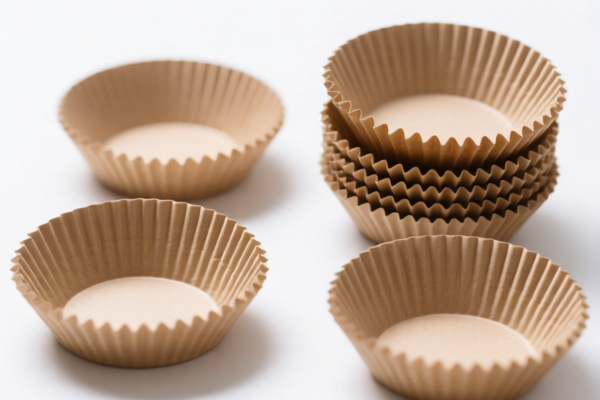
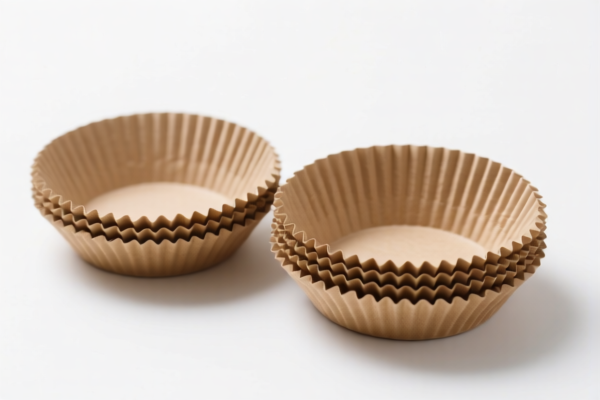
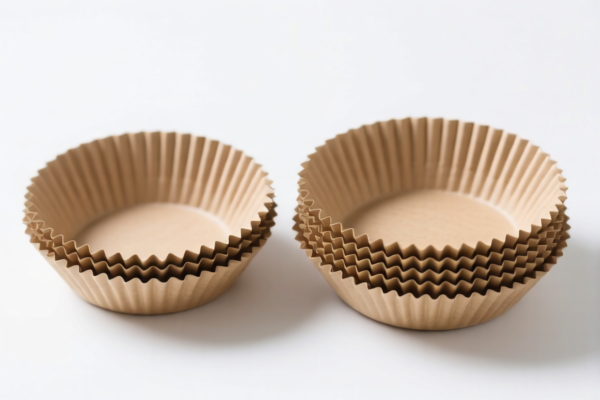
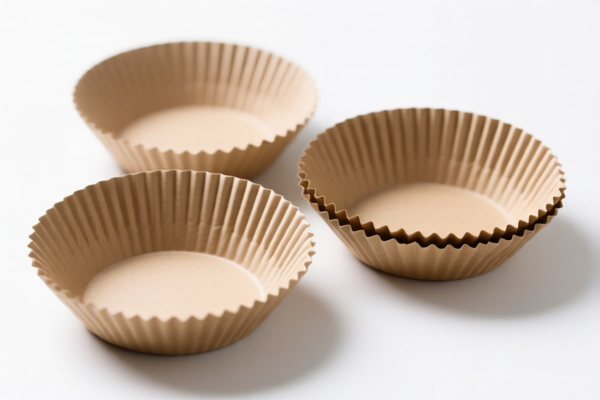
Paper cake trays (also known as cake cups, paper liners, or muffin cups) are disposable food containers made primarily from paper. They are widely used in bakeries, restaurants, and households to hold cakes, cupcakes, or muffins during baking, storage, and serving.
In international trade, these products are categorized based on their material structure, form, and intended use. While they seem simple, misclassification can lead to significant customs delays or incorrect tax liabilities.
⚠️ Key Distinction:
- If the product is a simple paper tray/cup without complex structural reinforcements or non-paper additives that change its primary character, it falls under Chapter 48 (Paper and Paperboard).
- Specifically, it is classified either under 4823 (Other articles of paper pulp, paper, cellulose wadding and papers) as "Trays, dishes, bowls, cups and the like" OR under 4819 (Cartons, boxes, cases, bags and other packing articles of paper or paperboard).
- Crucial Note for US Imports: Most paper food containers from China are subject to additional tariffs under Section 301 and IEEPA provisions.
📦 II. HS Code Classification Details (2026 Latest Tariff Authority)
Based on the provided data, here are the specific HS Codes and their corresponding definitions for Paper Cake Trays:
| HS Code | Product Description | Summary / Characteristics | Key Classification Factor |
|---|---|---|---|
4823.61.00.20 |
Paper Cake Tray | Material: Paper; Form: Tray; Use: Food Container | Classified as "Trays" under 4823.61 |
4823.69.00.40 |
Paper Cake Tray | Material: Paper; Form: Tray; Category: Trays, dishes, bowls, cups | General category for paper trays/dishes under 4823.69 |
4819.10.00.20 |
Paper Cake Tray | Material: Paper; Use: Cake Tray; Category: Hygienic/Sanitary Food Container | Classified under "Cartons, boxes, bags" specifically for food hygiene |
4819.20.00.20 |
Paper Cake Tray | Material: Paper; Form: Tray/Container; Use: Supporting/Carrying Cake | Classified under "Folding cartons and boxes" or similar packing articles |
4823.69.00.20 |
Paper Cake Cup | Material: Paper; Form: Cup; Use: Cup & Food Container | Classified as "Cups" under 4823.69 |
🔍 Important Note:
- All five HS Codes listed above are for Paper Cake Trays/Cups.
- The difference lies in the specific sub-heading based on the exact shape (Tray vs. Cup) and the broad chapter classification (4823 for other paper articles vs. 4819 for packing/boxes).
- Customs may accept any of these depending on the precise physical description and accompanying documentation, but 4823.69 is the most common for "cups/trays".
💰 III. 2026 Latest Tariff Rate Breakdown (Including Additional Taxes & Policy Surcharges)
✅ Applicable Country: United States (US)
✅ Country of Origin: China (CN)
✅ Effective Date: November 10, 2025 (and subsequent imports)
🎯 1. All Listed HS Codes (4823.61.00.20, 4823.69.00.40, 4819.10.00.20, 4819.20.00.20, 4823.69.00.20)
| Item | Content |
|---|---|
| Base Tariff Rate | 0.0% (Ad Valorem) |
| Section 301 Additional Tariff | +25.0% (From USITC Footnote 9903.88.01) |
| IEEPA Additional Tariff (Section 122) | +10.0% (Against Chinese/HK products, effective Nov 10, 2025) |
| Total Tariff Rate | 35.0% |
| Tax Calculation | CIF Value × 35% |
| De Minimis Exemption Eligible? | ❌ NO (deny_de_minimis) |
| Legal Basis Path | IEEPA:9903.01.25 → IEEPA:9903.01.24 → USITC:[HS_Code] → FOOTNOTE:9903.88.01 |
📌 Explanation:
- "Section 301 Tariff 25%": Comes from the US Trade Act of 1974, Section 301, targeting Chinese imports.
- "IEEPA 10%": Under the International Emergency Economic Powers Act, an additional 10% surcharge applies to Chinese-origin goods.
- Combined Total: 35%. This is a high tariff for low-value items.
- De Minimis (Section 321): These goods are NOT eligible for the $800 de minimis exemption. Every single package is subject to full customs duty and scrutiny.
🛠️ IV. Customs Clearance Practical Advice (Avoid Pitfalls)
✅ 1. Required Documentation Checklist
| Document | Mandatory | Notes |
|---|---|---|
| ✅ Product Specification Sheet | ✔️ | Must specify material (e.g., "100% Paper", "BPA-free", "Food Grade"). |
| ✅ Product Photos | ✔️ | Clear images of the tray, showing shape (cup vs. tray), size, and packaging. |
| ✅ Commercial Invoice | ✔️ | Must clearly state: "Paper Cake Tray/Cup", Material, HS Code, Country of Origin. |
| ✅ Packing List | ✔️ | Include net weight, gross weight, and number of units per carton. |
| ✅ Certificate of Origin (CO) | ✔️ | To confirm Chinese origin (which triggers the 35% tariff). |
| ✅ Food Contact Material Compliance | ✔️ | FDA compliance statement or test reports may be requested by FDA/CBP. |
✅ 2. Declaration Tips (Key Mnemonic)
🔥 "Material is Paper, Shape is Tray/Cup, Tariff is 35%, De Minimis is Dead!"
| Scenario | Correct Declaration | Wrong Practice |
|---|---|---|
| Simple Paper Liner | 4823.69.00.20 (Paper Cup) or 4823.61.00.20 (Paper Tray) |
Declaring as "Plastic Cup" → 0% base + potential fraud penalty |
| Paper Tray with Foil Lining | Still likely 4823 if paper is primary material, but check if foil changes classification |
Misclassifying as "Metal Container" |
| Small Batch (Gift Sample) | Still subject to 35% tariff; cannot use de minimis | Assuming < $800 is tax-free → Seizure Risk |
| Bulk Import | 4819 or 4823 based on exact form |
Vague description "Cake Accessories" → Delays |
✅ 3. Special Situation Handling
| Situation | Handling Advice |
|---|---|
| Mixed Packaging | If paper trays are packed with plastic forks/spoons, declare separately if possible. Plastic cutlery may have different HS/tariff. |
| Biodegradable/Compostable | If made from PLA (Polylactic Acid) or other bioplastics, NOT paper → May fall under Chapter 39 (Plastics). Check material composition! |
| Re-exported Goods | If goods were originally imported into the US, modified, and re-exported, rules may differ. Consult a customs broker. |
| FDA Compliance | Since these are food contact materials, ensure they meet FDA 21 CFR standards. Non-compliance can lead to FDA detention even if CBP clears the tariff. |
🌍 V. Global Market Clearance Comparison (2026 Latest)
| Country/Region | Recommended HS Code | Tariff (China Origin) | Certification Required | Notes |
|---|---|---|---|---|
| 🇺🇸 USA | 4823.69.00.20 |
35% (0% Base + 25% Sec 301 + 10% IEEPA) | FDA Compliance | No de minimis. High cost. |
| 🇨🇳 China | 4823.69.00.20 |
~10-13% (Import Duty) | None (Domestic) | N/A for Export |
| 🇪🇺 EU | 4823.69.00.20 |
0% (Most Favored Nation) | LFGB/Food Contact | No additional tariffs. |
| 🇬🇧 UK | 4823.69.00.20 |
0% | Food Contact | Post-Brexit tariffs favorable. |
| 🇨🇦 Canada | 4823.69.00.20 |
0% (Most Favored Nation) | CFIA Food Contact | No additional tariffs. |
| 🇦🇺 Australia | 4823.69.00.20 |
5% | Food Standards Australia New Zealand (FSANZ) | Moderate tariff. |
📌 Conclusion:
- USA is the only major market with high tariffs (35%) due to Section 301 and IEEPA.
- EU, Canada, and UK offer 0% tariff, making them more attractive for profit margins.
- Australia has a moderate 5% tariff with no additional surcharges.
📌 VI. Common Errors & Pitfalls Guide (Lessons Learned)
❌ Error 1: Assuming "De Minimis" applies
👉 Consequence: Package seized, fines applied, and 35% tariff charged retroactively.
👉 Solution: Never use de minimis for paper products from China. Declare properly.
❌ Error 2: Misdeclaring as "Plastic" or "Other" to avoid tariffs
👉 Consequence: Customs inspection reveals actual material → Fraud penalty + Seizure.
👉 Solution: Be honest about material (Paper). 35% is fixed; fraud costs much more.
❌ Error 3: Vague Description "Cake Holder"
👉 Consequence: Customs examiner assigns wrong HS Code → Potential audit or reassessment.
👉 Solution: Use precise terms: "Paper Cake Cup, 100% Paper, Food Grade, Model ABC".
❌ Error 4: Ignoring FDA Compliance
👉 Consequence: FDA detains shipment for food contact safety issues → Delays and destruction.
👉 Solution: Provide FDA compliance documentation with every shipment.
✅ Correct Practice:
"Paper Cake Liner, 100% Kraft Paper, Food Contact Grade, 2oz Size, 500pcs/Box, HS 4823.69.00.20, Made in China"
🎯 VII. Conclusion: Professional Declaration, Cost Control, Efficiency!
🎯 Remember the Mnemonic:
🔹 "Paper Tray, 35% Tax, No De Minimis, FDA Required!"
🔹 "HS Code 4823 is Key, 35% Total Tax is Fixed, Declare Clearly, Avoid Risk!"
📌 Pro Tip:
If you are importing into the USA, consider:
1. Advance Ruling: Request a binding ruling from CBP to confirm the HS Code and tariff liability.
2. Supply Chain Diversification: If possible, source from countries not subject to Section 301/IEEPA (e.g., Vietnam, Thailand) to reduce tariff to 0% (subject to local rules).
3. Volume Discounts: Negotiate pricing with suppliers to absorb the 35% tariff if margins allow.
📣 Immediate Action:
📞 Consult a Licensed Customs Broker + Provide Product Photos + Apply for FDA Compliance
🚀 Clear Customs Smoothly, Avoid Fines, Protect Your Profit Margins!
✨ Professional Customs, Starting with Accurate Classification!
💼 Every Penny of Your Cost Should Be Precisely Calculated!
Customer Reviews
About HS Code Classification
The Harmonized System (HS) is an internationally standardized nomenclature developed by the World Customs Organization (WCO) to classify traded products. Over 200 countries use the HS system as the basis for customs tariffs, trade statistics, and import/export regulations.
Each HS code follows a hierarchical structure:
- Chapter (2 digits) — Broad category of goods (e.g., Chapter 84: Machinery and Mechanical Appliances)
- Heading (4 digits) — More specific grouping within the chapter
- Subheading (6 digits) — Internationally standardized breakdown, used by all WCO member countries
- National subdivisions (8-10 digits) — Country-specific extensions for further classification, such as US HTSUS 10-digit codes
Correct HS code classification is essential for smooth customs clearance, accurate duty payment, and compliance with trade regulations. Misclassification can lead to customs delays, overpayment of duties, or penalties.
When importing from CN to US, the applicable tariff rates may include:
- Most-Favored-Nation (MFN) rate — The standard duty rate applied to WTO members
- General rate — Applied to countries without trade agreements
- Trade remedy duties — Additional tariffs such as Section 301 (anti-dumping), Section 232 (national security), or countervailing duties
The information provided on this page is for reference purposes only. For official classification, please consult with your local customs authority or a licensed customs broker.