Paper Color Fixative
CN → US| HS Code | Tariff Rate | Origin | Destination | Doc |
|---|---|---|---|---|
| 3809925000 | 41.0% | CN | US | Official Doc |
| 3809921000 | 41.5% | CN | US | Official Doc |
| 3206496050 | 38.1% | CN | US | Official Doc |
| 3809925000 | 41.0% | CN | US | Official Doc |
| 3809921000 | 41.5% | CN | US | Official Doc |
Product Images
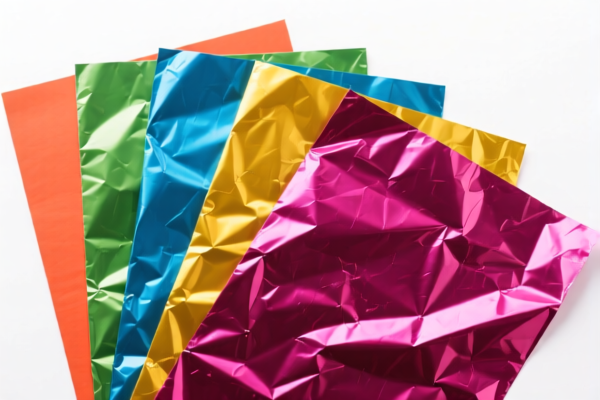
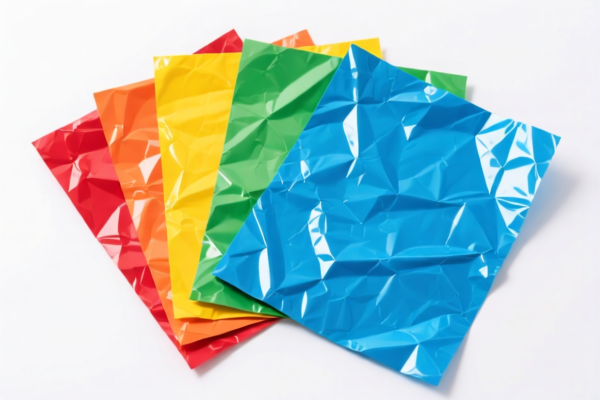
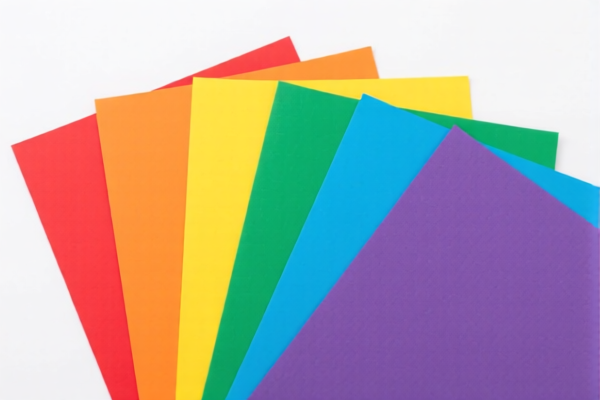

AI Analysis
📄 Paper Color Fixatives & Industrial Preparations (Paper Industry)
🌐 HS Code Reference & Customs Clearance Guide | 2026 Latest Tariff Analysis | Professional Clearance Strategy
📌 I. Product Definition & Classification: Do You Truly Understand "Paper Color Fixatives"?
Paper Color Fixatives (often referred to as Paper Industry Preparations, Retention Aids, or Dye Carriers) are specialized chemical agents used in the papermaking process. Their primary functions include improving color fastness, ensuring uniform dye distribution, fixing dyes to fibers, and enhancing the overall quality of the paper finish.
In international trade, these products are generally classified under Chapter 38 (Miscellaneous Chemical Products) or Chapter 32 (Tanning or Dyeing Extracts; Dyes, Pigments and Other Colorants). The specific classification depends heavily on the chemical composition and primary function.
⚠️ Key Distinction Point:
- If the product is primarily a preparation used for finishing or treating paper (e.g., sizing, coloring agents for paper), it falls under HS 3809.
- If the product is primarily a chemical colorant or dye preparation (especially those containing specific aromatic substances or heavy metal compounds), it may fall under HS 3206.
📦 II. HS Code Classification Details (2026 Latest Tariff Authoritative Comparison)
| HS Code | Product Description | Application Scenario | Chemical Nature |
|---|---|---|---|
3809.92.50.00 |
Paper Finishing Preparations: Uniform dyeing agents, used in the paper industry. | General paper coloring, uniform dye distribution aids, general finishing agents. | General chemical preparations for paper finishing. |
3809.92.10.00 |
Paper Industry Preparations: Containing aromatic or modified aromatic substances. | Specialized dye carriers, treatments involving aromatic compounds, high-performance finishing agents. | Contains aromatic/modified aromatic substances. |
3206.49.60.50 |
Other Coloring Agents/Preparations: Chemical preparations, other colorants, cadmium-free. | Specific chemical dyes, pigments, or colorants that do not fit other specific subheadings, specifically excluding cadmium compounds. | Chemical colorants/dyes, non-cadmium. |
🔍 Important Reminder:
- HS 3809 is generally for preparations used to treat or finish the paper (functional additives).
- HS 3206 is generally for the colorants themselves (the dye/pigment material).
- Misclassification can lead to significant tariff differences and customs delays. Always verify the Material Safety Data Sheet (MSDS) and functional description.
💰 III. 2026 Latest Tariff Rate Details (Including Additional Taxes & Policy Surcharges)
✅ Applicable Country: United States (US)
✅ Country of Origin: China (CN)
✅ Effective Date: From November 10, 2025 (including subsequent imports)
🎯 1. 3809.92.50.00 —— Paper Finishing Preparations (Uniform Dyeing Agents)
| Item | Details |
|---|---|
| Base Tariff Rate | 6.0% (ad valorem) |
| Section 301 Additional Tariff | +25.0% |
| Section 122 Tariff | +10.0% |
| Total Tariff Rate | 41.0% |
| Tax Calculation | CIF Value × 41.0% |
| De Minimis Eligibility | ❌ Not Eligible (denied_de_minimis) |
| Legal Basis Path | USITC:3809.92.50.00 → Section 301: Footnote 9903.88.01 → Section 122: 10% Surcharge |
📌 Explanation:
- "Base Tariff 6.0%": Standard Most Favored Nation (MFN) rate for paper finishing preparations.
- "Section 301 Additional Tariff 25%": Imposed under U.S. Trade Law Section 301 on Chinese-origin goods in this category.
- "Section 122 Tariff 10%": Additional surcharge under Section 122 of the Trade Act, applicable to specific chemical preparations from China.
- Total 41%: A high combined tariff rate. Must be factored into cost calculations.
🎯 2. 3809.92.10.00 —— Paper Industry Preparations (Containing Aromatic Substances)
| Item | Details |
|---|---|
| Base Tariff Rate | 6.5% (ad valorem) |
| Section 301 Additional Tariff | +25.0% |
| Section 122 Tariff | +10.0% |
| Total Tariff Rate | 41.5% |
| Tax Calculation | CIF Value × 41.5% |
| De Minimis Eligibility | ❌ Not Eligible (denied_de_minimis) |
| Legal Basis Path | USITC:3809.92.10.00 → Section 301: Footnote 9903.88.01 → Section 122: 10% Surcharge |
📌 Note:
- This code is more specific than3809.92.50.00and has a slightly higher base rate (6.5% vs. 6.0%).
- Applicable if the preparation contains aromatic or modified aromatic substances.
- Total rate is 41.5%, slightly higher than the general paper finishing preparation.
🎯 3. 3206.49.60.50 —— Other Coloring Agents/Preparations (Cadmium-Free)
| Item | Details |
|---|---|
| Base Tariff Rate | 3.1% (ad valorem) |
| Section 301 Additional Tariff | +25.0% |
| Section 122 Tariff | +10.0% |
| Total Tariff Rate | 38.1% |
| Tax Calculation | CIF Value × 38.1% |
| De Minimis Eligibility | ❌ Not Eligible (denied_de_minimis) |
| Legal Basis Path | USITC:3206.49.60.50 → Section 301: Footnote 9903.88.01 → Section 122: 10% Surcharge |
📌 Note:
- This code applies to chemical colorants or dye preparations that do not contain cadmium compounds.
- Base rate is lower (3.1%), but the additional tariffs push the total to 38.1%.
- Suitable for products classified primarily as colorants rather than finishing preparations.
🛠️ IV. Customs Clearance Practical Advice (Real-World Pitfall Avoidance Guide)
✅ 1. Required Documentation Checklist (Essential)
| Document | Mandatory | Description |
|---|---|---|
| ✅ Product Specification Sheet | ✔️ | Must clearly state: Chemical composition, primary function (dyeing, fixing, finishing), and application in paper industry. |
| ✅ MSDS (Material Safety Data Sheet) | ✔️ | Crucial for chemical products. Must confirm presence/absence of aromatic substances or cadmium. |
| ✅ Formula Composition | ✔️ | Detailed percentage of active ingredients, especially aromatic compounds, to determine HS 3809 vs. 3206. |
| ✅ Commercial Invoice | ✔️ | Clear description: "Paper Industry Chemical Preparation" or "Color Fixative for Paper". Avoid vague terms like "Chemical". |
| ✅ Certificate of Origin | ✔️ | Required to verify Chinese origin for Section 301 and Section 122 applicability. |
| ✅ Product Photos | ✔️ | Labels, packaging, and any technical labels showing hazard symbols or product type. |
✅ 2. Declaration Tips (Key Mantra)
🔥 "Function Defines Code, Composition Determines Rate!"
| Scenario | Correct Declaration Approach | Incorrect Practice |
|---|---|---|
| General Paper Dyeing Agent | 3809.92.50.00 (Paper Finishing Prep) |
Misclassifying as 3206 (Colorant) → Potential audit for wrong base rate. |
| Contains Aromatic Substances | 3809.92.10.00 (Aromatic-based Prep) |
Declaring as general 3809.92.50.00 → Underpaying base tariff. |
| Cadmium-Free Chemical Colorant | 3206.49.60.50 (Other Colorants) |
Declaring as 3809 → Wrong chapter, potential penalty. |
| Mixed Container (Paper Supplies) | Separate HS Codes | Combining with non-chemical paper supplies → Complex clearance, delays. |
✅ 3. Special Situation Handling
| Situation | Handling Advice |
|---|---|
| OEM Custom Formulas | Provide detailed formulation from manufacturer. If aromatic content > certain threshold, must use 3809.92.10.00. |
| Cadmium-Containing Products | Do NOT use 3206.49.60.50. Cadmium compounds have different classifications and potentially higher restrictions/tariffs. |
| Doubtful Primary Function | If the product is both a dye and a fixing agent, prioritize Chapter 38 if it's a preparation used to treat paper, not just the colorant itself. |
| Sample Imports | Even samples are subject to de minimis denial. Ensure proper declaration and payment of duties. |
🌍 V. Global Major Market Clearance Comparison (2026 Latest)
| Country/Region | Recommended HS Code | Tariff (China Origin) | Certification Requirements | Notes |
|---|---|---|---|---|
| 🇺🇸 USA | 3809.92.50.00 / 3809.92.10.00 / 3206.49.60.50 |
38.1% - 41.5% | TSCA Compliance (EPA) | High additional tariffs. Section 122 applies. |
| 🇨🇳 China | 3809.92.50.00 |
~6.0% | None specific for import | Low base tariff, no additional US-style surcharges. |
| 🇪🇺 EU | 3809.92 / 3206 |
6.5% - 0% | REACH Registration | No Section 301/122 equivalents, but REACH compliance is critical. |
| 🇦🇺 Australia | 3809.92 |
~5% - 6.5% | AICIS Registration | No major surcharges, but chemical registration required. |
| 🇯🇵 Japan | 3809.92 |
3.0% - 6.0% | PRTR Reporting | Low base tariffs, strict environmental reporting. |
📌 Conclusion:
- The USA imposes the highest total tariff burden (38.1%-41.5%) due to the combination of base rates and multiple surcharges (Section 301 + Section 122).
- Compliance with TSCA (Toxic Substances Control Act) is mandatory for chemical imports into the US.
- Misclassification between 3809 and 3206 can lead to discrepancies in base rates and potential penalties.
📌 VI. Common Errors & Pitfall Guide (Lessons from Experience)
❌ Error 1: Declaring "Paper Color Fixative" as "General Chemical" without specifying function.
👉 Consequence: Customs may classify it under a higher tariff code or require additional documentation, causing delays.
❌ Error 2: Failing to disclose the presence of aromatic substances.
👉 Consequence: If 3809.92.10.00 (6.5% base) is misdeclared as 3809.92.50.00 (6.0% base), you will face underpayment of duties + penalties.
❌ Error 3: Ignoring Section 122 applicability.
👉 Consequence: Assuming only Section 301 (25%) applies. Failure to pay the additional 10% (Section 122) results in shortpayment and interest.
❌ Error 4: Not verifying Cadmium content.
👉 Consequence: If cadmium is present, 3206.49.60.50 is incorrect. Cadmium-containing products have different HS codes and stricter environmental restrictions.
✅ Correct Approach:
"Paper Industry Chemical Preparation (Uniform Dyeing Agent), HS 3809.92.50.00, TSCA Compliant, No Cadmium, Origin: China."
🎯 VII. Conclusion: Professional Declaration, Save Time, Reduce Costs!
🎯 Remember the Mantra:
🔹 "Function First, Composition Second, Aromatics Alert, Cadmium Check!"
🔹 "3809 for Finishing, 3206 for Colorants, 41% is the US Target, Don't Underpay!"
🔹 "TSCA Compliance is Key, Documentation Saves the Day!"
📌 Pro Tip:
- If your product is originating from Vietnam, Mexico, Thailand, or Malaysia, you may be exempt from Section 301 and Section 122 tariffs.
- Pre-classification Ruling: For large shipments or new products, apply for a Pre-classification Ruling from U.S. Customs to confirm the correct HS code and avoid post-entry audits.
- TSCA Inventory: Ensure all chemical substances in the product are listed on the TSCA Inventory (or qualify for exemptions) before import.
📣 Immediate Action Required:
📞 Contact a Professional Customs Broker
📄 Provide Detailed Formulation & MSDS
📋 Apply for HS Code Pre-Ruling & TSCA Compliance Check
🚀 Ensure Smooth Customs Clearance, Maximize Profit Margins, Avoid Surprises!
✨ Professional Clearance Starts with Accurate Classification!
💼 Every Percentage Point of Tariff Matters!
Customer Reviews
About HS Code Classification
The Harmonized System (HS) is an internationally standardized nomenclature developed by the World Customs Organization (WCO) to classify traded products. Over 200 countries use the HS system as the basis for customs tariffs, trade statistics, and import/export regulations.
Each HS code follows a hierarchical structure:
- Chapter (2 digits) — Broad category of goods (e.g., Chapter 84: Machinery and Mechanical Appliances)
- Heading (4 digits) — More specific grouping within the chapter
- Subheading (6 digits) — Internationally standardized breakdown, used by all WCO member countries
- National subdivisions (8-10 digits) — Country-specific extensions for further classification, such as US HTSUS 10-digit codes
Correct HS code classification is essential for smooth customs clearance, accurate duty payment, and compliance with trade regulations. Misclassification can lead to customs delays, overpayment of duties, or penalties.
When importing from CN to US, the applicable tariff rates may include:
- Most-Favored-Nation (MFN) rate — The standard duty rate applied to WTO members
- General rate — Applied to countries without trade agreements
- Trade remedy duties — Additional tariffs such as Section 301 (anti-dumping), Section 232 (national security), or countervailing duties
The information provided on this page is for reference purposes only. For official classification, please consult with your local customs authority or a licensed customs broker.