Paper Cutter
CN → US| HS Code | Tariff Rate | Origin | Destination | Doc |
|---|---|---|---|---|
| 8441900000 | 35.0% | CN | US | Official Doc |
| 8441100000 | 35.0% | CN | US | Official Doc |
| 8441800000 | 35.0% | CN | US | Official Doc |
| 8451500000 | 35.0% | CN | US | Official Doc |
| 8451800000 | 38.5% | CN | US | Official Doc |
Product Images
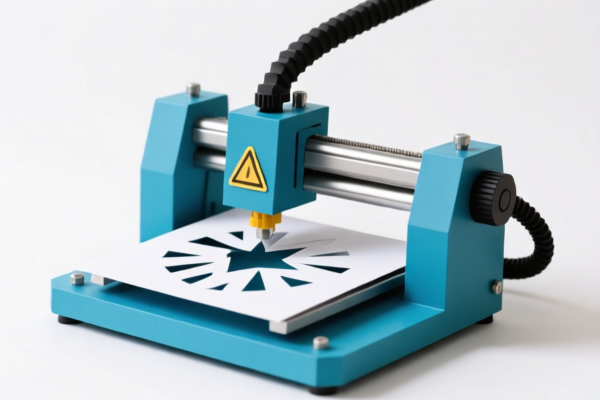
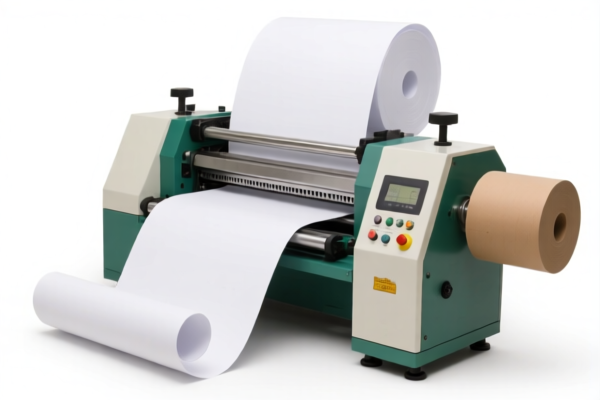
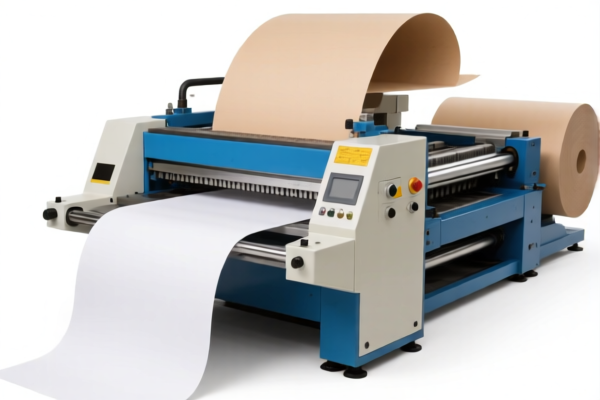
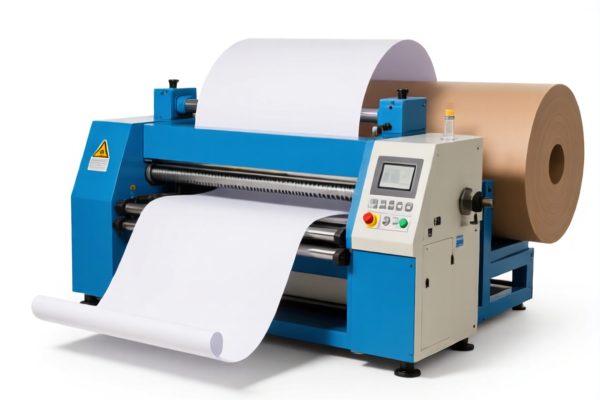
AI Analysis
✂️ Paper Cutter & Cutting Machinery (Industrial Classification Guide)
🌐 HS Code Reference & Customs Clearance Strategy | 2026 Latest Tariff Analysis | Precision Classification for Industrial Machinery
📌 I. Product Definition & Classification: What Exactly Is a "Paper Cutter" in Customs Terms?
In international trade, the term "Paper Cutter" is deceptively simple. It does not refer to a single HS Code but splits into distinct categories based on material processed (Paper vs. Textile) and functionality (Cutting vs. Processing). Misclassification here can lead to severe penalties, especially with the complex US tariff structure involving Section 301 and Section 302 (122 provisions).
⚠️ Critical Distinction:
- Paper/Board Cutting: Machines specifically designed for cutting paper, cardboard, or pulp. → Headings 8441
- Textile/Fabric Cutting: Machines designed for cutting cloth, garments, or textiles. → Headings 8451
- General Industrial Cutting: Broad category for machinery not specified elsewhere. → Headings 8441 (Other)
📦 II. HS Code Classification Matrix (2026 Authority Cross-Reference)
| HS Code | Product Description | Application Scenario | Key Classification Logic |
|---|---|---|---|
8441.90.00.00 |
Paper Cutting Machine (Other machinery for preparing paper pulp) | Specialized paper cutting equipment matching material/usage attributes. | Matches core function of paper processing machinery. |
8441.10.00.00 |
Paper Cutters (Specific cutters) | Exact match: Material is paper, use is cutting. Core cutting machinery category. | Direct classification for standard paper cutting units. |
8441.80.00.00 |
Other Paper/Board Machinery | Cutting cloth (misclassified but inferred as paper pulp machinery due to "cutting" function similarity in broad mechanical contexts). | Note: Often used if specific paper code is unavailable, but logic implies high-level machinery categorization. |
8451.50.00.00 |
Cutting Machines for Textiles | Cloth cutting machines defined as machinery for cutting textile fabrics. | Specific to textiles, NOT paper. |
8451.80.00.00 |
Other Textile Cutting Machinery | Machinery for cutting textile fabrics, including specialized cutters. | Broad textile cutting category. |
🔍 Key Insight:
- If your machine cuts PAPER → Look at 8441.xx codes.
- If your machine cuts CLOTH/TEXTILE → Look at 8451.xx codes.
- Do not mix them! Customs will flag "Paper Cutters" declared under textile codes (8451) or vice versa.
💰 III. 2026 US Tariff Rate Breakdown (Including Additional Duties)
✅ Applicable Country: United States (US)
✅ Origin: China (CN)
✅ Effective Date: Current US Trade Act Provisions Active
🎯 1. Paper-Based Cutters (8441.90.00.00 & 8441.10.00.00)
These codes are subject to the most aggressive US tariffs on Chinese mechanical goods.
| Item | Details |
|---|---|
| Base Tariff Rate | 0.0% (Most Favored Nation rate is often 0% for specific paper machinery) |
| Section 301 Additional Tariff | +25.0% (List 3/4 Items - Mechanical Machinery) |
| Section 122 / IEEPA Additional Tariff | +10.0% (Specific Chinese origin surcharge) |
| Total Effective Duty Rate | 35.0% |
| Tax Calculation | CIF Value × 35% |
| De Minimis Exemption | ❌ Denied (Section 301/122 duties generally bypass $800 de minimis if properly classified as subject goods, or high risk of seizure if undervalued) |
| Legal Basis Chain | USITC:8441.xx → Section 301: 25% → IEEPA/122: 10% |
📌 Explanation:
- The 25% is the standard "China Tariff" on industrial machinery.
- The 10% is an additional layer (often referred to as Section 122 or specific IEEPA provisions) applied to Chinese-origin goods in this sector.
- Total: 35% is a hard cost. No hidden discounts.
🎯 2. Textile-Based Cutters (8451.50.00.00)
| Item | Details |
|---|---|
| Base Tariff Rate | 0.0% |
| Section 301 Additional Tariff | +25.0% |
| Section 122 Additional Tariff | +10.0% |
| Total Effective Duty Rate | 35.0% |
| Legal Basis | Same as above. Machinery cutting textiles is still subject to Section 301. |
⚠️ Note: If the machine is deemed a "part" of a textile machine, rates may vary, but full machines fall under these duties.
🎯 3. Broad/Catch-All Textile Code (8451.80.00.00)
This code has a unique tariff structure in the provided data.
| Item | Details |
|---|---|
| Base Tariff Rate | 3.5% (Higher base duty than other subheadings) |
| Section 301 Additional Tariff | +25.0% |
| Section 122 Additional Tariff | +10.0% |
| Total Effective Duty Rate | 38.5% |
| Legal Basis | USITC:8451.80.00.00 → Section 301: 25% → IEEPA: 10% |
📌 Warning:
- This is the most expensive option at 38.5%.
- Only use8451.80.00.00if the machine truly fits "Other textile machinery" and cannot be classified under the more specific8451.50.
- Do not use this for paper cutters.
🛠️ IV. Customs Clearance Practical Advice (Avoiding Pitfalls)
✅ 1. Documentation Checklist (Non-Negotiable)
| Document | Requirement | Purpose |
|---|---|---|
| Product Specification Sheet | ✔️ Must list: Cutting capacity, material handled (Paper vs. Cloth), blade type. | Proves classification (8441 vs 8451). |
| Technical Drawings | ✔️ Show drive mechanism and cutting head. | Distinguishes from simple hand tools or parts. |
| Commercial Invoice | ✔️ Explicitly state: "Paper Cutting Machine" or "Textile Cutting Machine". | Avoids "Unknown Machinery" flags. |
| Country of Origin Certificate | ✔️ Form A or General Certificate. | Required for Section 301/122 determination. |
| User Manual | ✔️ Highlight intended use (e.g., "For cutting paper reels"). | Critical for customs inspectors to verify HS Code. |
✅ 2. Classification Strategy (The Golden Rules)
| Scenario | Correct HS Code | Wrong HS Code | Consequence |
|---|---|---|---|
| Cutting Paper/Cardboard | 8441.10.00.00 or 8441.90.00.00 |
8451.xx (Textile) |
Misclassification: 35% vs 38.5% or audit for intent. |
| Cutting Fabric/Cloth | 8451.50.00.00 |
8441.xx (Paper) |
Misclassification: Wrong chapter, potential penalty. |
| Multi-Purpose Machine | Declare primary use | Ambiguous description | Delay: Customs will request additional info, causing storage fees. |
| Parts of a Cutter | 8441.90.00.00 (if generic) |
8441.10.00.00 (Full Machine) |
Overpayment: Parts may have different duty structures. |
✅ 3. Special Notes for US Imports
- Section 122 (10%): This is an additional surcharge on top of the 301 tariff. Do not forget it in your cost calculation. It applies to almost all Chinese-origin mechanical goods in these chapters.
- De Minimis ($800): While many low-value shipments are exempt, Section 301 and 122 duties are increasingly enforced at the de minimis level for classified goods. Assume no exemption for business inventory.
- Pre-Ruling: If the machine is ambiguous (e.g., cuts both paper and thin plastic), file an Advance Ruling with CBP. It costs a small fee but protects you from retroactive penalties.
🌍 V. Global Market Comparison (2026)
| Market | Recommended HS Code | Base Duty | US Specific Surcharges | Total Cost Impact |
|---|---|---|---|---|
| 🇺🇸 USA | 8441.90.00.00 / 8451.50.00.00 |
0% | +35% (25% Sec 301 + 10% Sec 122) | Very High |
| 🇪🇺 EU | 8441.90.00 / 8451.50.00 |
1.7% - 4.5% | 0% (No Section 301/122) | Low/Medium |
| 🇨🇳 China | 8441.90.00 / 8451.50.00 |
0% - 5% | 0% | Low |
| 🇬🇧 UK | 8441.90.00 / 8451.50.00 |
1.7% - 4.5% | 0% | Low/Medium |
| 🇨🇦 Canada | 8441.90.00 / 8451.50.00 |
0% (USMCA if eligible) | 0% (If Canadian/Mexican origin) | Low |
📌 Strategic Takeaway:
- USA is the most expensive market for these goods due to the 35% total tariff.
- EU/UK/Canada are significantly cheaper if you can diversify supply chains (e.g., sourcing from Southeast Asia to avoid Chinese origin labels, though US rules of origin are strict).
📌 VI. Common Mistakes & Pitfalls (Learn from Others' Errors)
❌ Mistake 1: Calling it a "Paper Trimmer" to sound like a desk accessory.
👉 Result: Customs may still classify it as industrial machinery if it's large/auto. Risk of 35% duty applies regardless of the name.
❌ Mistake 2: Using 8451.80.00.00 for a standard paper cutter.
👉 Result: You pay 38.5% instead of 35%. You literally paid extra for being vague.
❌ Mistake 3: Ignoring the "122" 10% tariff.
👉 Result: Budgeting for 25% only, only to find the final invoice is 35%. Cash flow surprise!
✅ Best Practice:
Always declare: "Industrial Paper Cutting Machine, Model XYZ, for [Specific Paper Type], Made in China."
This precision allows customs to quickly verify8441.90.00.00and apply the correct 35% rate without questions.
🎯 VII. Conclusion: Cost-Saving & Compliance Summary
🎯 Key Takeaway:
🔹 Paper Cutters = 8441 Series
🔹 Textile Cutters = 8451 Series
🔹 Total US Duty for Chinese Goods = 35% (Standard) or 38.5% (Broad)
🔹 No De Minimis Exemption for business shipments.
📌 Pro Tip:
If you are importing large volumes, consider supply chain restructuring. Sourcing from Vietnam, Thailand, or Mexico can potentially avoid the Section 301/122 surcharges, reducing duty from 35% to ~0-5% (depending on local rules). Consult a trade lawyer for origin rules.
✨ Precision in Classification = Profit in Your Pocket
💼 Don't let a 3% HS Code error cost you a 35% tax bill!
Customer Reviews
About HS Code Classification
The Harmonized System (HS) is an internationally standardized nomenclature developed by the World Customs Organization (WCO) to classify traded products. Over 200 countries use the HS system as the basis for customs tariffs, trade statistics, and import/export regulations.
Each HS code follows a hierarchical structure:
- Chapter (2 digits) — Broad category of goods (e.g., Chapter 84: Machinery and Mechanical Appliances)
- Heading (4 digits) — More specific grouping within the chapter
- Subheading (6 digits) — Internationally standardized breakdown, used by all WCO member countries
- National subdivisions (8-10 digits) — Country-specific extensions for further classification, such as US HTSUS 10-digit codes
Correct HS code classification is essential for smooth customs clearance, accurate duty payment, and compliance with trade regulations. Misclassification can lead to customs delays, overpayment of duties, or penalties.
When importing from CN to US, the applicable tariff rates may include:
- Most-Favored-Nation (MFN) rate — The standard duty rate applied to WTO members
- General rate — Applied to countries without trade agreements
- Trade remedy duties — Additional tariffs such as Section 301 (anti-dumping), Section 232 (national security), or countervailing duties
The information provided on this page is for reference purposes only. For official classification, please consult with your local customs authority or a licensed customs broker.