Paper Cutting Tools
CN → US| HS Code | Tariff Rate | Origin | Destination | Doc |
|---|---|---|---|---|
| 8214909000 | 0.0% | CN | US | Official Doc |
| 8213003000 | 0.0% | CN | US | Official Doc |
| 8213006000 | 0.0% | CN | US | Official Doc |
| 9505904000 | 10.0% | CN | US | Official Doc |
| 4823908680 | 35.0% | CN | US | Official Doc |
Product Images
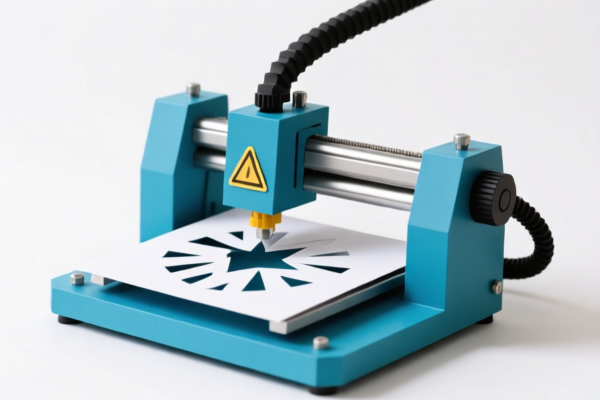
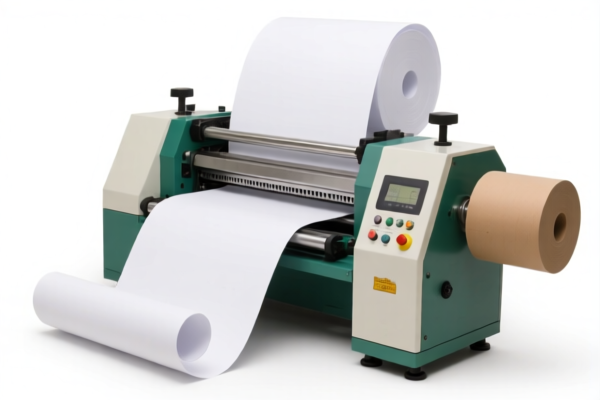
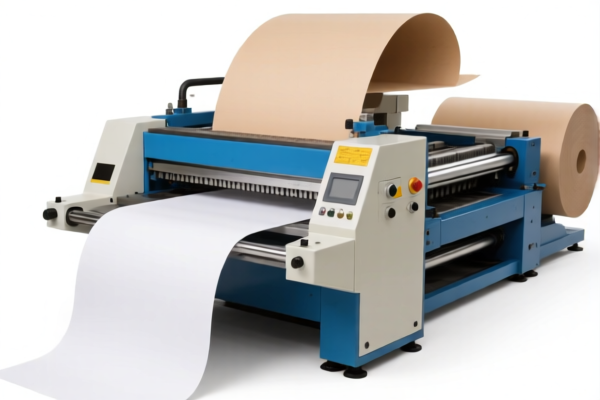
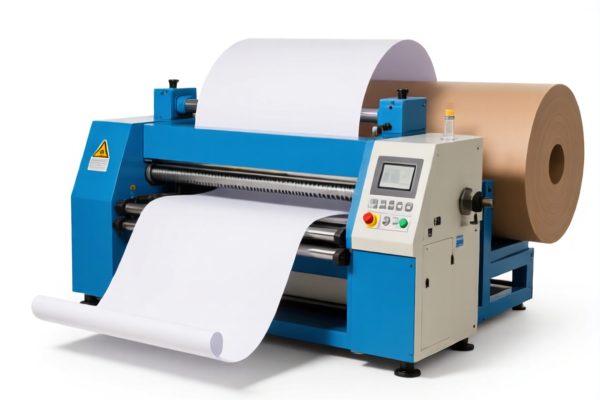
AI Analysis
✂️ Paper Cutting Tools (Paper Cutting, Scissors & Decorative Accessories)
🌐 HS Code Reference & Customs Clearance Guide | 2026 Latest Tariff Analysis | Professional Clearance Strategy
📌 I. Product Definition & Classification: What are "Paper Cutting Tools"?
"Paper Cutting Tools" is not a single entity but a category encompassing both the instruments used for cutting and the decorative paper products resulting from the process. In international trade, precise classification depends entirely on whether the item is a tool or a finished decorative good.
1. The Tools (Scissors/Cutters):
Items designed specifically for cutting paper, including decorative scissors, craft knives, and shears. These fall under Chapter 82 (Base Metal Articles) or Chapter 95 (Toys/Games if purely ornamental).
2. The Decorative Items (Confetti, Spirals, Cuttings):
Finished paper products used for festivals, carnivals, or decoration. These fall under Chapter 95 (Festive/Carnival articles) or Chapter 48 (Paper/Paperboard).
⚠️ Critical Distinction Point:
- If it is a metal blade/scissor used to cut →归入 8213.00 or 8214.90
- If it is a finished paper decoration (confetti, spirals) →归入 9505.90
- If it is plain paper art/decorations not specifically for festivals →归入 4823.90
📦 II. HS Code Classification Details (2026 Latest Tariff Authority Cross-Reference)
Based on the provided data, here are the exact classifications for Paper Cutting related goods:
| HS Code | Product Description | Summary of Matching Criteria | Applicability |
|---|---|---|---|
8213.00.30.00 |
Scissors, Dressmaker's Shears and Similar Scissors | Perfect Match. The product name "Scissors" aligns perfectly with "Scissors, dressmaker's shears and similar scissors" in usage and category. | ✅ Tools Only |
8214.90.90.00 |
Other Articles of Cutlery (e.g., Paper Knives) | Inferred Match. Scissors belong to the category of "cutting instruments." Material is inferred as metal/base metal. No conflict with "other cutlery articles." | ✅ Tools Only |
9505.90.40.00 |
Festive, Carnival or Other Entertaining Articles (Confetti/Spirals) | Material Match. Infers material is paper, form is decorative consumable. Fits the scope of "confetti, paper spirals, or ribbons" for festive decoration. | ✅ Decorative Goods |
9505.90.60.00 |
Other Festive/Carnival/Entertaining Articles | Usage Match. Paper cuttings are decorative items for festivals, carnivals, or entertainment. Fits "Other" category under usage characteristics, no material conflict. | ✅ Decorative Goods |
4823.90.86.80 |
Other Paper, Paperboard, Cellulose Wool... (Art/Decor) | Material & Exclusion Match. Paper cutting material is paper. Since it is artistic/decorative and not a specific excluded category (like shoe covers), it falls into "Other." | ✅ Non-Festive Decor |
🔍 Key Reminder:
- Tools (Scissors/Knives) are classified under Chapter 82 (Base Metal Articles). They incur per-unit duties + percentage tariffs.
- Decorations (Confetti/Paper Spirals) are classified under Chapter 95 (Festive Articles). They incur ad valorem tariffs.
- General Paper Art (non-festive) falls under Chapter 48.
- Misclassification Risk: Declaring scissors as "paper toys" or confetti as "metal tools" will lead to severe penalties and delays.
💰 III. 2026 Latest Tariff Rate Details (Including Surcharges & Policy Add-ons)
✅ Applicable Country: United States (US)
✅ Origin: China (CN)
✅ Effective Time: Post-2025 (Current 122 Clause Rules Applied)
🎯 1. 8213.00.30.00 —— Scissors, Dressmaker's Shears and Similar Scissors
| Item | Content |
|---|---|
| Base Duty | 1.7¢ each + 4.3% (Ad Valorem) |
| Section 301 Surcharge | +0.0% (None applied in this specific data instance) |
| Section 122 Tariff | +10.0% (Against China/HK products) |
| Total Effective Rate | 1.7¢/pc + 14.3% |
| Calculation Method | (Unit Price × 1.7¢) + (CIF Value × 14.3%) |
| De Minimis Exemption? | ❌ NO (Subject to strict scrutiny) |
| Legal Basis Path | USITC:8213.00.30.00 → Section 301 Footnote → Section 122: 10% |
📌 Explanation:
- This is a compound duty (Specific + Ad Valorem).
- The 1.7¢ per piece is a fixed cost per unit, significant for low-value bulk items.
- The 4.3% + 10% = 14.3% is the variable cost based on value.
- Note: While some scissors may have 0% Section 301, the Section 122 10% is critical for Chinese-origin goods.
🎯 2. 8214.90.90.00 —— Other Articles of Cutlery
| Item | Content |
|---|---|
| Base Duty | 1.4¢ each + 3.2% (Ad Valorem) |
| Section 301 Surcharge | +0.0% |
| Section 122 Tariff | +10.0% |
| Total Effective Rate | 1.4¢/pc + 13.2% |
| Calculation Method | (Unit Price × 1.4¢) + (CIF Value × 13.2%) |
| De Minimis Exemption? | ❌ NO |
| Legal Basis Path | USITC:8214.90.90.00 → Section 122: 10% |
📌 Explanation:
- Similar to8213.00.30.00, but applies to "other" cutting tools (e.g., paper knives, specialty cutters).
- Slightly lower base rate (1.4¢ + 3.2%) compared to standard scissors.
- Still subject to the 10% Section 122 tariff.
🎯 3. 9505.90.40.00 —— Festive Articles (Confetti/Paper Spirals)
| Item | Content |
|---|---|
| Base Duty | 0.0% |
| Section 301 Surcharge | +0.0% |
| Section 122 Tariff | +10.0% |
| Total Effective Rate | 10.0% |
| Calculation Method | CIF Value × 10.0% |
| De Minimis Exemption? | ❌ NO |
| Legal Basis Path | USITC:9505.90.40.00 → Section 122: 10% |
📌 Explanation:
- Applies to confetti, paper spirals, and ribbons used for festivals.
- Material: Must be inferred as paper.
- Benefit: No specific per-unit duty, only ad valorem.
- Risk: Must prove "festive/entertaining" usage. Plain paper might be reclassified to Ch. 48.
🎯 4. 9505.90.60.00 —— Other Festive/Carnival Articles
| Item | Content |
|---|---|
| Base Duty | 0.0% |
| Section 301 Surcharge | +0.0% |
| Section 122 Tariff | +10.0% |
| Total Effective Rate | 10.0% |
| Calculation Method | CIF Value × 10.0% |
| De Minimis Exemption? | ❌ NO |
| Legal Basis Path | USITC:9505.90.60.00 → Section 122: 10% |
📌 Explanation:
- Catch-all for other decorative items for carnivals/festivals (e.g., paper cuttings for party decor).
- Matches usage characteristics of "festival/carnival/entertainment."
- No material conflict with paper, but must be clearly for festive use.
🎯 5. 4823.90.86.80 —— Other Paper Products (Art/Decor)
| Item | Content |
|---|---|
| Base Duty | 0.0% |
| Section 301 Surcharge | +25.0% |
| Section 122 Tariff | +10.0% |
| Total Effective Rate | 35.0% |
| Calculation Method | CIF Value × 35.0% |
| De Minimis Exemption? | ❌ NO |
| Legal Basis Path | USITC:4823.90.86.80 → Section 301: 25% → Section 122: 10% |
📌 Explanation:
- Applies to paper/cellulose products that are NOT specifically festive (Ch. 95) but are decorative/artistic.
- High Risk: Subject to the heavy 25% Section 301 tariff PLUS 10% Section 122.
- Use Case: If your paper cuttings are sold as "art supplies" or "general decor" rather than "holiday party items," this tariff applies.
🛠️ IV. Customs Clearance Practical Advice (Battle-Tested Pitfall Guide)
✅ 1. Required Documentation Checklist (No Omissions)
| Document | Must Provide | Description |
|---|---|---|
| ✅ Product Specifications | ✔️ | Detailed description: Is it a tool (scissors) or decoration (paper)? Material composition? |
| ✅ Product Photos | ✔️ | Clear images of the item, label, and usage context (e.g., scissors cutting paper vs. paper confetti on a table). |
| ✅ Commercial Invoice | ✔️ | Clearly state "Scissors for Paper Cutting" OR "Paper Confetti for Carnival Use." Avoid vague terms like "Craft Items." |
| ✅ Material Declaration | ✔️ | For paper items: Declare "100% Paper." For tools: Declare "Base Metal/Steel Blade." |
| ✅ Packaging List | ✔️ | Separate tools and decorations in the same shipment if possible to avoid classification confusion. |
| ✅ Origin Certificate | ✔️ | Crucial for verifying Chinese origin (triggers Section 122). |
✅ 2. Declaration Strategy (Key Mnemonic)
🔥 "Tools under Metal, Decor under Festive; Don't mix Scissors with Spirals!"
| Scenario | Correct HS Code | Wrong Action | Consequence |
|---|---|---|---|
| Scissors (Metal blades) | 8213.00.30.00 or 8214.90.90.00 |
Declare as "Paper Decor" | High Risk: Customs may reclassify and fine. |
| Confetti/Paper Spirals | 9505.90.40.00 or 9505.90.60.00 |
Declare as "Paper Board" (Ch 48) | Tax Jump: From 10% to 35% (if Ch 48 selected erroneously). |
| General Paper Art (Non-festive) | 4823.90.86.80 |
Declare as "Festive" | Audit Risk: Lack of festive proof leads to delay. |
| Mixed Shipment (Tools + Decor) | Split Declaration | Combine into one line item | Confusion: Customs may apply highest duty or hold shipment. |
✅ 3. Special Circumstances Handling
| Situation | Handling Advice |
|---|---|
| OEM Paper Cutting Kits | If sold as a "kit" containing scissors AND paper, split the declaration. List scissors under Ch 82 and paper under Ch 95. Do not mix. |
| Paper Cutting Templates | If templates are plastic/stencil, check Ch 39 or Ch 90. If paper, use 4823.90.86.80 or 9505.90.60.00 depending on usage. |
| "Festive" vs. "General" Decor | To enjoy the 10% rate (Ch 95), ensure marketing materials show Christmas, Carnival, Birthday usage. If it's "Daily Office Decor," use Ch 48 (35% tariff). |
| De Minimis Section 321 | ❌ Not Applicable. Both Ch 82 (Tools) and Ch 95 (Decor) are subject to high scrutiny and specific tariffs. Do not attempt de minimis clearance for these items. |
🌍 V. Global Market Comparison (2026 Latest)
| Country/Region | Recommended HS Code | Tariff Rate (China Origin) | Certification Required | Notes |
|---|---|---|---|---|
| 🇺🇸 USA | 8213.00.30.00 (Scissors) |
1.7¢ + 14.3% | CPSIA (if for kids), ASTM | Section 122 10% applies. |
| 🇺🇸 USA | 9505.90.60.00 (Decor) |
10.0% | ASTMD4236 (Art Supplies) | Lower tax than Ch 48. |
| 🇺🇸 USA | 4823.90.86.80 (Paper Art) |
35.0% | ASTMD4236 | High tax due to Sec 301 + 122. |
| 🇨🇳 China | 8213.00.30.00 |
5% - 10% | CCC (if applicable) | No Section 122/301. |
| 🇪🇺 EU | 8213.00.00 |
0% - 4.5% | CE, REACH | No Section 122/301. |
| 🇬🇧 UK | 8213.00.00 |
0% - 4.5% | UKCA, REACH | Post-Brexit rules apply. |
📌 Conclusion:
- USA is the most complex market due to Section 122 (10%) and Section 301 (25%) combinations.
- Decorative Paper Items: Choose Ch 95 (10%) over Ch 48 (35%) if the item can be justified as festive/carnival use.
- Tools: Always declare under Ch 82 with precise material and function.
📌 VI. Common Errors & Pitfall Guide (Lessons Learned)
❌ Error 1: Declaring Scissors as "Paper Decor" to avoid tool tariffs
👉 Result: Customs rejects, imposes penalties, and may apply higher tariffs for misdeclaration.
❌ Error 2: Declaring General Paper Cuttings as "Festive" (9505.90) when they are for daily office use
👉 Result: Customs reclassifies to 4823.90.86.80, imposing 35% tax instead of 10%. Back taxes + fines!
❌ Error 3: Mixing Scissors and Paper in one HS Code
👉 Result: Classification error. Tools and consumables have different duties and regulatory requirements.
❌ Error 4: Ignoring Section 122 for Chinese-origin goods
👉 Result: Underpayment of 10% on ALL items. Customs will audit and demand repayment.
✅ Correct Practice:
"Metal Scissors, 7-inch, Stainless Steel, for Paper Cutting" →
8213.00.30.00
"Paper Confetti, Red/Gold, for Christmas Party" →9505.90.40.00
"Paper Art Cuttings, Non-Festive, Office Decor" →4823.90.86.80
🎯 VII. Conclusion: Precise Classification Saves Money!
🎯 Remember the Mnemonic:
🔹 "Scissors under Metal, Confetti under Festive; General Paper is Costly (35%), Festive is Cheaper (10%)."
🔹 "Section 122 applies to All; Don't forget the extra 10%!"
📌 Pro Tip:
If your paper decorations are generic (no specific festival theme), consider rebranding them for specific holidays (e.g., "Chinese New Year Decor," "Halloween Party Supplies") to qualify for Ch 95 (10% tariff) instead of Ch 48 (35% tariff).
📣 Immediate Action:
📞 Contact Professional Customs Broker
🖼️ Provide Product Images (Show context: Tool vs. Decoration)
📄 Apply for Advance Ruling (If volume is high)
🚀 Let your Paper Cutting Tools pass smoothly, avoid 35% traps, and maximize profits!
✨ Professional Clearance, Starting with Accurate Classification!
💼 Every cent of tax matters!
Customer Reviews
About HS Code Classification
The Harmonized System (HS) is an internationally standardized nomenclature developed by the World Customs Organization (WCO) to classify traded products. Over 200 countries use the HS system as the basis for customs tariffs, trade statistics, and import/export regulations.
Each HS code follows a hierarchical structure:
- Chapter (2 digits) — Broad category of goods (e.g., Chapter 84: Machinery and Mechanical Appliances)
- Heading (4 digits) — More specific grouping within the chapter
- Subheading (6 digits) — Internationally standardized breakdown, used by all WCO member countries
- National subdivisions (8-10 digits) — Country-specific extensions for further classification, such as US HTSUS 10-digit codes
Correct HS code classification is essential for smooth customs clearance, accurate duty payment, and compliance with trade regulations. Misclassification can lead to customs delays, overpayment of duties, or penalties.
When importing from CN to US, the applicable tariff rates may include:
- Most-Favored-Nation (MFN) rate — The standard duty rate applied to WTO members
- General rate — Applied to countries without trade agreements
- Trade remedy duties — Additional tariffs such as Section 301 (anti-dumping), Section 232 (national security), or countervailing duties
The information provided on this page is for reference purposes only. For official classification, please consult with your local customs authority or a licensed customs broker.