Paper Handbag
CN → US| HS Code | Tariff Rate | Origin | Destination | Doc |
|---|---|---|---|---|
| 4823908680 | 35.0% | CN | US | Official Doc |
| 4819400040 | 35.0% | CN | US | Official Doc |
| 4819300040 | 35.0% | CN | US | Official Doc |
| 6305900000 | 23.7% | CN | US | Official Doc |
| 4819100040 | 35.0% | CN | US | Official Doc |
Product Images
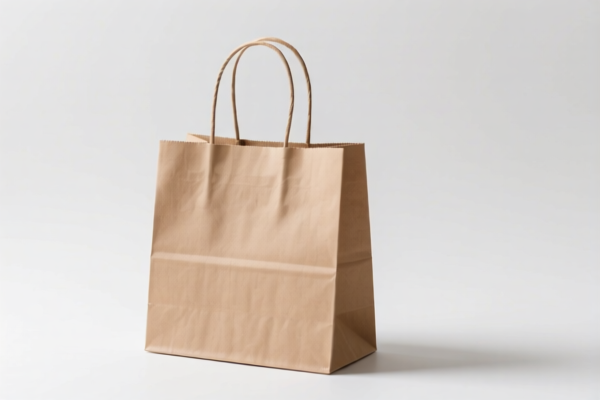
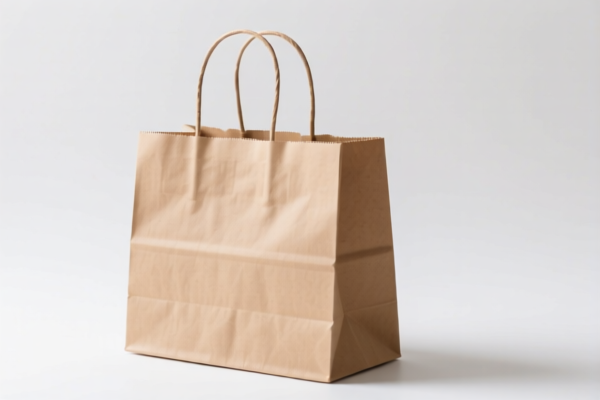
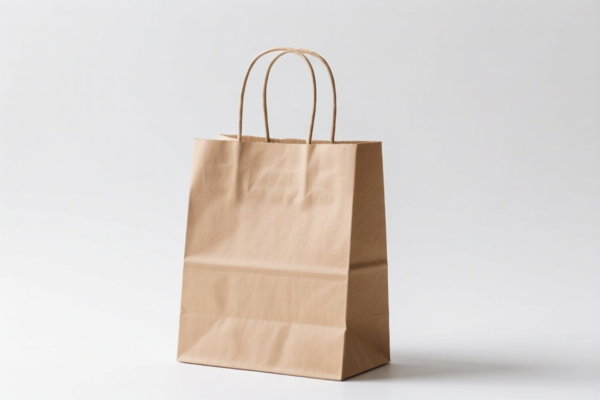
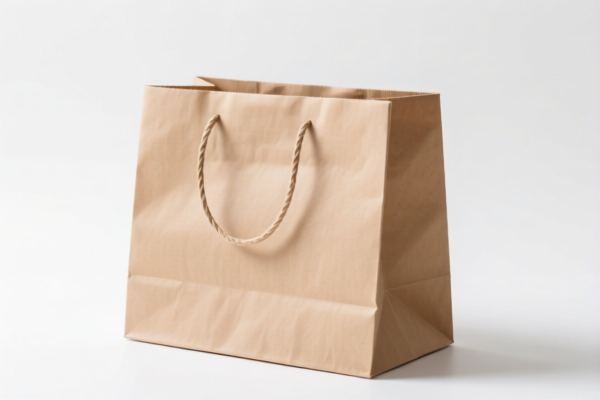
AI Analysis
🛍️ Paper Handbags (Paper Bags & Packaging)
🌐 HS Code Reference & Customs Clearance Guide | 2026 Latest Tariff Analysis | Strategic Compliance Strategy
📌 I. Product Definition & Classification: Do You Truly Understand "Paper Handbags"?
Paper handbags are ubiquitous in retail, e-commerce, and logistics. In international trade, their classification is not straightforward. They are split based on material composition, structural design, and primary function.
Paper Bags (General/Decorative): Flexible containers made of paper, often with handles, used for carrying goods.
Paper Packaging Boxes: Rigid or semi-rigid structures designed for containment and protection.
Textile-Blend Bags: Bags where paper is secondary to other textile materials, or where the material mix triggers a different chapter.
⚠️ Key Distinction Point:
- If it is a flexible container primarily made of paper, intended for carrying items → Classified under Chapter 48.
- If it is a rigid box structure → Classified under 4819.10.
- If the bag is made of mixed materials where other textiles dominate, or used specifically as "textile packaging" → Classified under Chapter 63.
📦 II. HS Code Classification Details (2026 Latest Tariff Authority对照)
| HS Code | Product Description | Application Scenario | Material/Structure Key |
|---|---|---|---|
4823.90.86.80 |
Other articles of paper, paperboard, cut to size/form | Generic paper bags, decorative carriers, non-specific shape | ✅ Paper-based, flexible |
4819.40.00.40 |
Other packing containers of paper/paperboard | Standard retail paper bags, folded cartons used as bags | ✅ Paper packaging containers |
4819.30.00.40 |
Sacks and bags (incl. cones), of paper | Heavy-duty paper sacks, bulk paper bags | ✅ Paper sacks/bags definition |
6305.90.00.00 |
Sacks and bags, of other textile materials | Paper bags with heavy textile lining/handles, or mixed material where textile dominates | ❌ Mixed/Textile-dominant |
4819.10.00.40 |
Cartons, boxes, and cases, of paper | Rigid paper boxes, gift boxes, structured containers | ❌ Rigid box, not flexible bag |
🔍 Critical Reminder:
- "Paper Bag" vs. "Paper Box": If it has a rigid bottom and sides that hold shape without folding, it is a Box (4819.10). If it is flexible, it is a Bag (4819.40/30).
- "Textile" Override: If the bag uses significant non-paper textile materials (e.g., woven polypropylene with paper lamination, or cloth handles dominating), it may fall under 6305.90, changing the tax profile.
💰 III. 2026 Latest Tariff Rate Breakdown (Including Surcharges & Policy Add-ons)
✅ Applicable Country: United States (US)
✅ Country of Origin: China (CN)
✅ Effective Date: November 10, 2025 onwards (including subsequent imports)
🎯 1. 4823.90.86.80 & 4819.40.00.40 & 4819.30.00.40 —— Paper Bags & Containers
| Item | Content |
|---|---|
| Base Tariff | 0% (ad valorem) |
| Section 301 Surcharge | +25% (USITC Footnote 9903.88.01 / Section 301) |
| IEEPA Surcharge | +10% (Against China/HK products, effective Nov 10, 2025) |
| Total Effective Rate | 35.0% |
| Tax Calculation | CIF Value × 35% |
| De Minimis Exemption? | ❌ NOT ELIGIBLE (deny_de_minimis) |
| Legal Basis Path | IEEPA:9903.01.25 → IEEPA:9903.01.24 → USITC:4819.40.00.40 → FOOTNOTE:9903.88.01 |
📌 Explanation:
- All three codes (4823.90...,4819.40...,4819.30...) are classified as Paper Products from China.
- They attract the full 25% Section 301 tariff PLUS the new 10% IEEPA tariff.
- Total 35% is a high threshold. Even though the base rate is 0%, the additive taxes make it expensive.
- Crucial: These goods are excluded from the $800 De Minimis exemption (Section 321). Every single shipment is subject to inspection and full duty payment.
🎯 2. 6305.90.00.00 —— Other Textile Material Bags (Paper-Textile Mix)
| Item | Content |
|---|---|
| Base Tariff | 6.2% (ad valorem) |
| Section 301 Surcharge | +7.5% (Reduced Section 301 rate for certain textile-related items or specific exclusions) |
| IEEPA Surcharge | +10% (Against China/HK products) |
| Total Effective Rate | 23.7% |
| Tax Calculation | CIF Value × 23.7% |
| De Minimis Exemption? | ❌ NOT ELIGIBLE (deny_de_minimis) |
| Legal Basis Path | IEEPA:9903.01.25 → IEEPA:9903.01.24 → USITC:6305.90.00.00 |
📌 Note:
- This code applies if the bag is classified as "Other Textile Materials" rather than pure paper.
- The tax burden is lower (23.7%) compared to pure paper bags (35%).
- Risk: Misclassification is common. If you declare a paper bag as6305.90to save tax, but it is 95% paper, customs will reclassify it and impose the 35% rate + penalties.
- Only use this if the bag’s primary character is derived from the textile component (e.g., heavy linen/cotton weave with paper printing).
🎯 3. 4819.10.00.40 —— Paper Boxes (Rigid Containers)
| Item | Content |
|---|---|
| Base Tariff | 0% (ad valorem) |
| Section 301 Surcharge | +25% |
| IEEPA Surcharge | +10% |
| Total Effective Rate | 35.0% |
| Tax Calculation | CIF Value × 35% |
| De Minimis Exemption? | ❌ NOT ELIGIBLE (deny_de_minimis) |
📌 Note:
- If your "handbag" is actually a rigid gift box (e.g., shoe box, luxury goods box), it falls here.
- Same tax rate as flexible paper bags (35%).
- Do not confuse "Box" with "Bag". Structure determines the code.
🛠️ IV. Customs Clearance Practical Advice (Battle-Tested Pitfall Guide)
✅ 1. Preparation Checklist (Non-negotiable)
| Document | Required | Explanation |
|---|---|---|
| ✅ Product Photos | ✔️ | Clear shots of the bag’s structure (flexible vs. rigid), handles, and lining. |
| ✅ Material Composition | ✔️ | Explicitly state: "100% Paper" vs. "Paper with Cotton Handles". This determines 48xx vs 63xx. |
| ✅ Commercial Invoice | ✔️ | Describe as "Paper Shopping Bag" or "Paper Packaging Box", not vague "Container". |
| ✅ Packing List | ✔️ | Show net/gross weight. Weight helps confirm density and material type. |
| ✅ Origin Certificate | ✔️ | Proof of China origin. If from Vietnam/Malaysia, claim FTZ benefits (if eligible). |
| ✅ Function Statement | ✔️ | Is it for retail carry (4819.40)? Bulk storage (4819.30)? Or decorative (4823.90)? |
✅ 2. Declaration Tips (Key Mnemonics)
🔥 "Flexible is Bag, Rigid is Box, Pure Paper 35%, Mix Textile 23.7%, No De Minimis!"
| Scenario | Correct Declaration | Common Error |
|---|---|---|
| Standard Paper Shopping Bag | 4819.40.00.40 |
Misdeclare as 6305.90 to save tax → Audit Risk |
| Heavy Duty Paper Sack | 4819.30.00.40 |
Declare as 4819.40 → Minor discrepancy, possible penalty |
| Luxury Rigid Gift Box | 4819.10.00.40 |
Declare as 4819.40 (Bag) → Classification Error |
| Paper Bag with Cloth Handles | Check dominant material. If paper dominates, 48xx. |
Declare as 6305.90 incorrectly → 35% back-duties + fine |
| Mixed Paper/Non-Woven Bag | Likely 6305.90 if textile weight > paper. |
Declare as 4819.40 → Underpayment |
✅ 3. Special Handling Cases
| Situation | Handling Advice |
|---|---|
| De Minimis ($800) Attempt | DO NOT ATTEMPT. Paper bags from China are explicitly denied de minimis entry under current IEEPA/USITC rules. Use formal entry (Section 321 is blocked for these HS codes). |
| Lined Bags | If lined with plastic foil, still 4819. If lined with substantial textile (e.g., canvas), consider 6305. Document the lining material. |
| Handles | Paper handles → 48xx. Cloth/Rope handles → Still 48xx if paper body dominates. Only if body is textile → 63xx. |
| Samples | Even samples incur 35% duty. Budget for this cost. Do not label as "Gift" to evade. |
🌍 V. Global Market Clearance Comparison (2026 Latest)
| Country/Region | Recommended HS Code | Tariff Rate (CN Origin) | Key Certification | Notes |
|---|---|---|---|---|
| 🇺🇸 USA | 4819.40.00.40 |
35% (Total) | No special cert needed | High barrier. No de minimis. |
| 🇨🇳 China | 4819.40.00.40 |
~10-14% (Import) | FSC (if eco-certified) | Domestic consumption |
| 🇪🇺 EU | 4819.10 or 4823 |
0-6.5% | FSC/PEFC (Recommended) | Lower tariffs, focus on eco-labels |
| 🇬🇧 UK | 4819.40 |
0-14% | No specific cert | Post-Brexit rules apply |
| 🇨🇦 Canada | 4819.40 |
0-5% | No special cert | Lower duty burden |
| 🇦🇺 Australia | 4819.40 |
5% | No special cert | Moderate duty |
📌 Conclusion:
- The US market is the most challenging due to the 35% effective tariff and ban on de minimis entry.
- Europe and other markets offer significantly lower duties (0-6.5%), making them more attractive for paper product exports.
- Strategy: If targeting the US, consider supply chain diversification (e.g., produce in Vietnam/Malaysia if rules of origin allow) to avoid Section 301/IEEPA taxes.
📌 VI. Common Mistakes & Pitfall Guide (Blood & Tears Lessons)
❌ Mistake 1: Trying to use "De Minimis" (Section 321) for paper bags from China.
👉 Consequence: Package held by CBP. Duty calculated at 35%. Delay + Storage Fees + Forced Formal Entry.
❌ Mistake 2: Declaring "Paper Box" as "Paper Bag" (4819.40 vs 4819.10).
👉 Consequence: While tax is same (35%), it raises red flags for inconsistency. If the structure is clearly rigid, it’s a classification error.
❌ Mistake 3: Misdeclaring Pure Paper Bags as 6305.90 (Textile) to save 11.3% tax.
👉 Consequence: Customs audit reveals 95% paper content. Back duties + 25% penalty + potential fraud investigation.
❌ Mistake 4: Ignoring the "IEEPA 10%" surcharge in cost calculation.
👉 Consequence: Profit margin eaten away. Many importers only budget for 25% Section 301, missing the extra 10%.
✅ Correct Practice:
"Paper Shopping Bag, 100% Kraft Paper, with Paper Handles, Foldable, for Retail Use. Country of Origin: China."
🎯 VII. Conclusion: Precision Classification Saves Money!
🎯 Remember the Mnemonic:
🔹 "Paper Bags 35%, No De Minimis. Textile Mix 23.7%, But Prove It. Rigid Boxes 35%, Structure Matters."
🔹 "HS Code is King, Tax Rate is Queen, Misclassification is the Executioner."
📌 Pro Tip:
If your paper bags are sourced from Vietnam, Indonesia, or Malaysia, you may qualify for exemptions from Section 301/IEEPA surcharges (provided they meet Rules of Origin).
👉 Recommendation: Conduct a Supply Chain Audit and apply for Advance Rulings if your volume is high.
📣 Immediate Action:
📞 Engage a Licensed Customs Broker + Provide Material Spec Sheet + Verify Origin Rules
🚀 Ensure your Paper Handbags clear US Customs Smoothly, Compliantly, and Cost-Effectively!
✨ Professional Clearance Starts with Accurate Classification!
💼 Every Percentage Point of Tax is a Point of Profit Lost!
Customer Reviews
About HS Code Classification
The Harmonized System (HS) is an internationally standardized nomenclature developed by the World Customs Organization (WCO) to classify traded products. Over 200 countries use the HS system as the basis for customs tariffs, trade statistics, and import/export regulations.
Each HS code follows a hierarchical structure:
- Chapter (2 digits) — Broad category of goods (e.g., Chapter 84: Machinery and Mechanical Appliances)
- Heading (4 digits) — More specific grouping within the chapter
- Subheading (6 digits) — Internationally standardized breakdown, used by all WCO member countries
- National subdivisions (8-10 digits) — Country-specific extensions for further classification, such as US HTSUS 10-digit codes
Correct HS code classification is essential for smooth customs clearance, accurate duty payment, and compliance with trade regulations. Misclassification can lead to customs delays, overpayment of duties, or penalties.
When importing from CN to US, the applicable tariff rates may include:
- Most-Favored-Nation (MFN) rate — The standard duty rate applied to WTO members
- General rate — Applied to countries without trade agreements
- Trade remedy duties — Additional tariffs such as Section 301 (anti-dumping), Section 232 (national security), or countervailing duties
The information provided on this page is for reference purposes only. For official classification, please consult with your local customs authority or a licensed customs broker.