Paper Handbag (Art Bag)
CN → US| HS Code | Tariff Rate | Origin | Destination | Doc |
|---|---|---|---|---|
| 4823908680 | 35.0% | CN | US | Official Doc |
| 4202291000 | 40.3% | CN | US | Official Doc |
| 4202991000 | 38.4% | CN | US | Official Doc |
| 3926903300 | 16.5% | CN | US | Official Doc |
| 4819400040 | 35.0% | CN | US | Official Doc |
Product Images
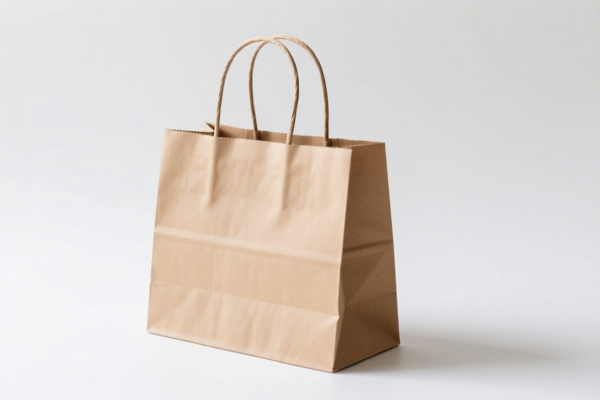
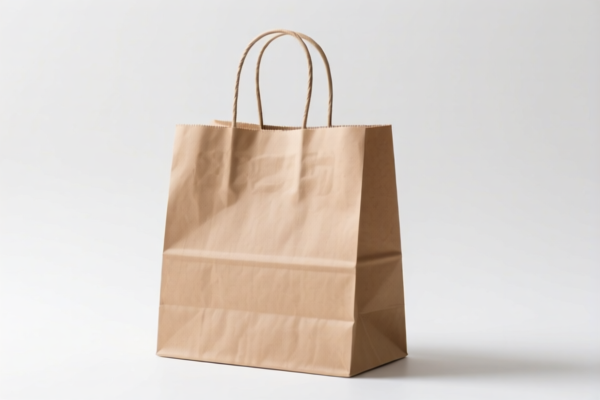
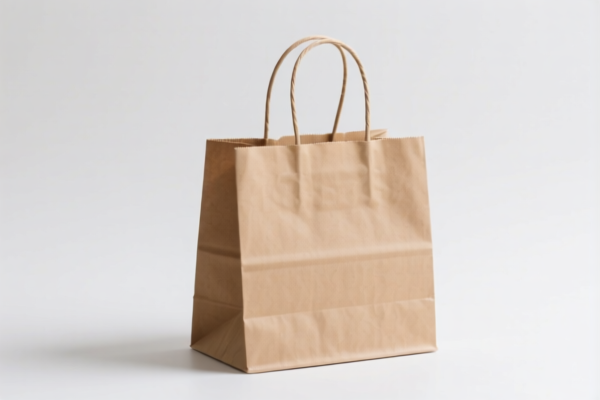
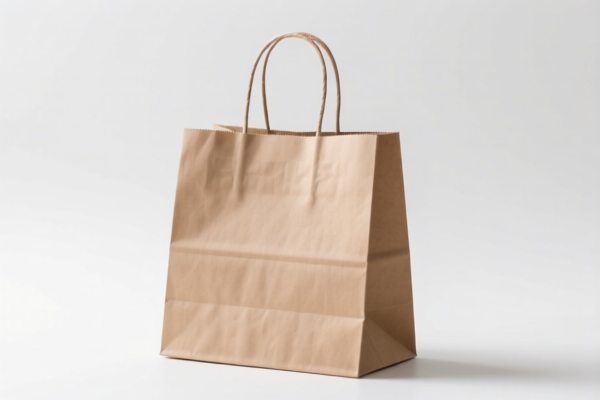
AI Analysis
🛍️ Paper Handbag (Art Bag) – HS Code Classification & Tariff Analysis (US Import)
🌐 HS Code Reference & Customs Clearance Guide | 2026 Latest Tariff Analysis | Strategic Compliance Strategy
📌 I. Product Definition & Classification: What Exactly is a "Paper Handbag"?
A Paper Handbag (often used as an Art Bag, Gift Bag, or Retail Carrier) is a container made primarily of paper or paperboard, designed for carrying goods. In international trade, the classification depends heavily on material composition, surface coverage, and structural form.
Key Distinction: * Pure Paper Bags: Made entirely of paper, potentially coated with a thin layer of plastic or paint for durability. * Mixed Material Bags: If the base structure is plastic or fabric but covered predominantly by paper, it may fall under Chapter 42 (Articles of Leather/Plastics/Fabric).
⚠️ Critical Classification Point:
- If the bag is mostly paper and used for packaging/carrying → Chapter 48 (Paper/Paperboard).
- If the bag is a plastic/fabric container covered by paper → Chapter 42 (Articles of Leather/Plastics).
- If the bag is a plastic item with no significant paper structural role → Chapter 39 (Plastics).
📦 II. HS Code Classification Details (2026 Latest Tariff Authority Comparison)
Based on the provided data, here are the 5 possible HS Codes, their descriptions, and tax implications:
| HS Code | Product Description | Application Scenario | Material/Feature Key |
|---|---|---|---|
4823.90.86.80 |
Paper Handbag: Meets paper material requirements, form is a handbag. | Pure paper retail bags, art gift bags. | ✅ Mostly Paper |
4202.29.10.00 |
Handbag: Surface mostly covered by paper, fits material/coverage characteristics. | Plastic/fabric bag with heavy paper wrapping/covering. | ✅ Paper-covered Surface |
4202.99.10.00 |
Bag Shape: Mostly covered by paper, fallback for "other plastic/fabric containers". | Other bags where paper is the primary visual/covering material. | ✅ Paper-covered Fallback |
3926.90.33.00 |
Handbag Shape: Paper material, fallback for "other articles". No obvious material conflict. | Plastic-based bag classified under plastics due to structural dominance, despite paper use. | ⚠️ Plastic Dominant |
4819.40.00.40 |
Paper Handbag: Meets material/usage for paper bags/other packaging containers. | Standard paper shopping bags, art carriers. | ✅ Paper Packaging |
4819.30.00.40 |
Paper Handbag: Meets definition of paper/cardboard packaging containers/bags. | Fallback classification for paper bags based on residual principles. | ✅ Paper Packaging (Fallback) |
🔍 Key Insight:
- Chapter 48 (4823,4819) is generally preferred for pure paper bags.
- Chapter 42 (4202) applies if the bag’s structure is non-paper (e.g., plastic handle, plastic base) but covered by paper.
- Chapter 39 (3926) is a fallback for plastic items; less likely for a "paper" handbag unless the paper is minimal.
💰 III. 2026 Latest Tariff Rate Breakdown (Including Additional Taxes & Policy Surcharges)
✅ Applicable Country: United States (US)
✅ Origin: China (CN)
✅ Effective Date: From November 10, 2025 (including subsequent imports)
🎯 1. 4823.90.86.80 —— Paper Handbag (Pure Paper Material)
| Item | Content |
|---|---|
| Base Tariff | 0% (ad valorem) |
| USITC Additional Tax | +25% (under Section 301) |
| 122 Clause Tax | +10% (Specific policy surcharge) |
| Total Tax Rate | 35.0% |
| Tax Calculation | CIF Value × 35% |
| De Minimis Exemption | ❌ Not Eligible (denied) |
| Legal Basis Path | USITC:4823.90.86.80 → 301 Clause: 25% → 122 Clause: 10% |
📌 Explanation:
- "Base Tariff 0%" indicates paper products often have low base duties.
- "Additional Tax 25%" is the standard Section 301 tariff on Chinese goods.
- "122 Clause 10%" is a specific additional surcharge.
- Total 35% is high for a simple paper bag, impacting cost significantly.
🎯 2. 4202.29.10.00 —— Handbag (Paper-Covered Surface)
| Item | Content |
|---|---|
| Base Tariff | 5.3% |
| USITC Additional Tax | +25% |
| 122 Clause Tax | +10% |
| Total Tax Rate | 40.3% |
| Tax Calculation | CIF Value × 40.3% |
| De Minimis Exemption | ❌ Not Eligible |
| Legal Basis Path | USITC:4202.29.10.00 → 301 Clause: 25% → 122 Clause: 10% |
📌 Note:
- Base tariff is higher (5.3%) because it’s classified under "Articles of Leather/Plastics" (Chapter 42).
- Total rate 40.3% is the highest among the options.
- Avoid this classification unless the bag’s structural integrity is primarily non-paper (e.g., plastic frame).
🎯 3. 4202.99.10.00 —— Bag Shape (Other, Paper-Covered)
| Item | Content |
|---|---|
| Base Tariff | 3.4% |
| USITC Additional Tax | +25% |
| 122 Clause Tax | +10% |
| Total Tax Rate | 38.4% |
| Tax Calculation | CIF Value × 38.4% |
| De Minimis Exemption | ❌ Not Eligible |
| Legal Basis Path | USITC:4202.99.10.00 → 301 Clause: 25% → 122 Clause: 10% |
📌 Note:
- Fallback category for "other" bags.
- Total rate 38.4% is lower than4202.29.10.00but still higher than Chapter 48 options.
- Use only if the product doesn’t fit4202.29.10.00specifically.
🎯 4. 3926.90.33.00 —— Handbag Shape (Plastic Fallback, Paper Material)
| Item | Content |
|---|---|
| Base Tariff | 6.5% |
| USITC Additional Tax | 0.0% |
| 122 Clause Tax | +10% |
| Total Tax Rate | 16.5% |
| Tax Calculation | CIF Value × 16.5% |
| De Minimis Exemption | ❌ Not Eligible |
| Legal Basis Path | USITC:3926.90.33.00 → 122 Clause: 10% |
📌 Crucial Observation:
- Lowest Total Rate: 16.5%.
- USITC Additional Tax is 0% for this specific code!
- ⚠️ Risk: This classification implies the bag is primarily plastic (Chapter 39) despite being called a "paper handbag."
- Only use if the bag has significant plastic components (e.g., plastic handles, plastic lining, plastic coating) that justify Chapter 39 classification. Misclassification can lead to penalties.
🎯 5. 4819.40.00.40 —— Paper Handbag (Paper Packaging Bag)
| Item | Content |
|---|---|
| Base Tariff | 0.0% |
| USITC Additional Tax | +25% |
| 122 Clause Tax | +10% |
| Total Tax Rate | 35.0% |
| Tax Calculation | CIF Value × 35.0% |
| De Minimis Exemption | ❌ Not Eligible |
| Legal Basis Path | USITC:4819.40.00.40 → 301 Clause: 25% → 122 Clause: 10% |
📌 Note:
- Same rate as4823.90.86.80(35%).
- Specific to "packaging containers/bags."
- Safe choice for standard paper shopping bags.
🎯 6. 4819.30.00.40 —— Paper Handbag (Paper Packaging Fallback)
| Item | Content |
|---|---|
| Base Tariff | 0.0% |
| USITC Additional Tax | +25% |
| 122 Clause Tax | +10% |
| Total Tax Rate | 35.0% |
| Tax Calculation | CIF Value × 35.0% |
| De Minimis Exemption | ❌ Not Eligible |
| Legal Basis Path | USITC:4819.30.00.40 → 301 Clause: 25% → 122 Clause: 10% |
📌 Note:
- Fallback for paper bags.
- Same rate as4819.40.00.40.
🛠️ IV. Customs Clearance Practical Advice (Real-World Pitfall Guide)
✅ 1. Preparation Checklist (Must-Have Documents)
| Document | Required | Explanation |
|---|---|---|
| ✅ Product Specification Sheet | ✔️ | Detail material: 100% paper? Paper with plastic coating? Paper with plastic handles? |
| ✅ Material Composition Breakdown | ✔️ | % of paper, % of plastic, % of fabric. Critical for Chapter 42 vs 48 vs 39. |
| ✅ Product Photos | ✔️ | Clear images of handles, lining, surface texture. Show if it’s "paper-covered" or "paper-made." |
| ✅ Commercial Invoice | ✔️ | Describe as "Paper Shopping Bag" or "Art Gift Bag," not just "Handbag" (to avoid Chapter 42 ambiguity). |
| ✅ Packing List | ✔️ | Confirm no mixed materials in packaging that could confuse customs. |
| ✅ Third-Party Test Report | ✔️ | If claiming plastic content, provide material test reports (e.g., SGS). |
✅ 2. Declaration Strategy (Key Mnemonics)
🔥 "Material Dictates Code, Coverage Defines Chapter!"
| Scenario | Correct HS Code | Wrong Approach | Consequence |
|---|---|---|---|
| 100% Paper Bag (handles also paper) | 4823.90.86.80 or 4819.40.00.40 |
Declare as 4202 (Handbag) |
Overpay tax (35% vs 35%? No, same, but risk of audit) |
| Paper Bag with Plastic Handles/Lining | 4202.29.10.00 or 4202.99.10.00 |
Declare as 4823 (Paper) |
Under-declaration risk, penalties, back-taxes |
| Plastic Bag with Paper Wrap | 3926.90.33.00 (if plastic dominant) |
Declare as 4819 (Paper) |
Misclassification, 16.5% vs 35% savings, but high audit risk |
| Paper Bag with Plastic Coating | 4819.40.00.40 (if paper structural) |
Declare as 3926 |
Risk of being classified as plastic, changing tax from 35% to 16.5% (potential evasion) |
📌 Critical Warning:
- Do not use3926.90.33.00(16.5%) unless the bag is structurally plastic. Using it for a pure paper bag is customs fraud.
- Use4823or4819for pure paper bags.
- Use4202if the bag is primarily non-paper (plastic/fabric) but covered by paper.
✅ 3. Special Cases Handling
| Scenario | Recommendation |
|---|---|
| OEM Custom Art Bags | Provide design proofs showing paper is the main material. |
| Bamboo/Paper Blend | If bamboo is structural, may fall under Chapter 47 or 46. If paper is main, use Chapter 48. |
| Bags with Plastic Handles | If handles are >50% of value or structural integrity, consider Chapter 42. If handles are minor accessories, Chapter 48 may still apply. |
| Gift Sets (Bag + Product) | Declare bag separately if possible. If bundled, declare as "Set" with highest tariff component, or clarify bag value. |
🌍 V. Global Market Clearance Comparison (2026 Latest)
| Country/Region | Recommended HS Code | Tariff (China Origin) | Certification Requirement | Notes |
|---|---|---|---|---|
| 🇺🇸 USA | 4823.90.86.80 |
35.0% | None | High tariff due to 301 & 122 clauses. |
| 🇪🇺 EU | 4823.90.86.80 |
~0-6.5% | FSC (if sustainable) | No US-style additional taxes. Lower cost. |
| 🇨🇳 China | 4823.90.86.80 |
0% | N/A | Export from China has no tariff. |
| 🇬🇧 UK | 4823.90.86.80 |
~0-6.5% | N/A | Post-Brexit tariffs similar to EU. |
| 🇯🇵 Japan | 4823.90.86.80 |
0-8% | FSC | Low tariffs, no additional surcharges. |
📌 Conclusion:
- USA is the most expensive market due to additional tariffs (301 + 122).
- EU/UK/JP have significantly lower tariffs (0-8%).
- Consider supply chain diversification (e.g., produce in Vietnam, Mexico, or Thailand) to avoid US additional taxes.
📌 VI. Common Mistakes & Pitfall Guide (Lessons from Reality)
❌ Mistake 1: Declaring a paper bag with plastic handles as 4823 (Pure Paper).
👉 Consequence: Customs may reclassify as 4202 (Handbag) and assess back-taxes + penalties.
👉 Fix: Check if plastic handles are structural. If yes, use 4202.
❌ Mistake 2: Using 3926.90.33.00 (16.5%) for a pure paper bag to save tax.
👉 Consequence: Customs audit, classification error penalty, possible seizure.
👉 Fix: Only use Chapter 39 if the bag is primarily plastic.
❌ Mistake 3: Vague description "Handbag" without material details.
👉 Consequence: Customs delays, request for additional info, potential misclassification.
👉 Fix: Use precise terms: "Paper Shopping Bag, 100% Kraft Paper, Brown, with Paper Handles."
❌ Mistake 4: Ignoring "122 Clause" surcharge.
👉 Consequence: Underestimating landed cost.
👉 Fix: Always include 122 Clause (+10%) in cost calculations for US imports.
🎯 VII. Conclusion: Precise Classification Saves Money!
🎯 Remember Mnemonic:
🔹 "Paper Structural? Use 48. Plastic Cover? Use 42. Plastic Dominant? Use 39. Don’t Guess, Audit!"
🔹 "US Tariffs: 35% for Paper, 40% for Covered, 16.5% for Plastic. Choose Wisely!"
📌 Pro Tip:
If your product has mixed materials (e.g., paper with plastic lining), consider Pre-Classification Ruling with US Customs and Border Protection (CBP).
For high-volume shipments, apply for HTS Code Advance Ruling to lock in the correct classification and avoid audits.
📣 Action Required:
📞 Consult a licensed customs broker.
📤 Submit material composition report.
🚀 Optimize your supply chain to mitigate US tariff risks.
✨ Professional Clearance Starts with Accurate Classification!
💼 Your Landed Cost, Precisely Calculated!
Customer Reviews
About HS Code Classification
The Harmonized System (HS) is an internationally standardized nomenclature developed by the World Customs Organization (WCO) to classify traded products. Over 200 countries use the HS system as the basis for customs tariffs, trade statistics, and import/export regulations.
Each HS code follows a hierarchical structure:
- Chapter (2 digits) — Broad category of goods (e.g., Chapter 84: Machinery and Mechanical Appliances)
- Heading (4 digits) — More specific grouping within the chapter
- Subheading (6 digits) — Internationally standardized breakdown, used by all WCO member countries
- National subdivisions (8-10 digits) — Country-specific extensions for further classification, such as US HTSUS 10-digit codes
Correct HS code classification is essential for smooth customs clearance, accurate duty payment, and compliance with trade regulations. Misclassification can lead to customs delays, overpayment of duties, or penalties.
When importing from CN to US, the applicable tariff rates may include:
- Most-Favored-Nation (MFN) rate — The standard duty rate applied to WTO members
- General rate — Applied to countries without trade agreements
- Trade remedy duties — Additional tariffs such as Section 301 (anti-dumping), Section 232 (national security), or countervailing duties
The information provided on this page is for reference purposes only. For official classification, please consult with your local customs authority or a licensed customs broker.