Paper Making Machinery
CN → US| HS Code | Tariff Rate | Origin | Destination | Doc |
|---|---|---|---|---|
| 8439200010 | 35.0% | CN | US | Official Doc |
| 8439200090 | 35.0% | CN | US | Official Doc |
Product Images
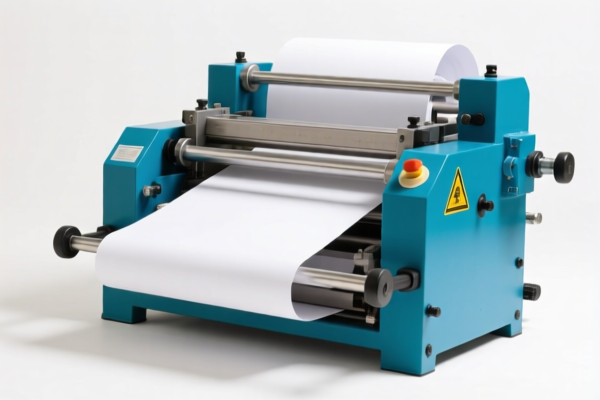
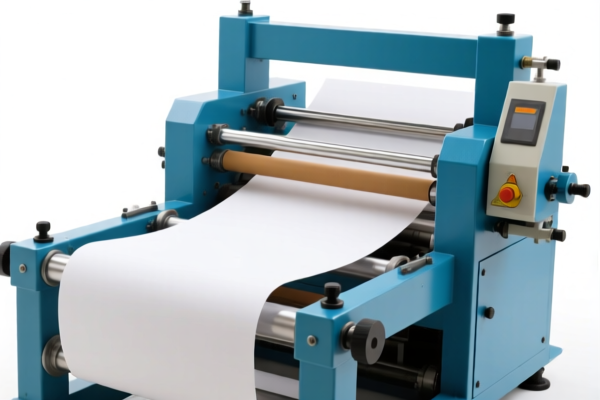
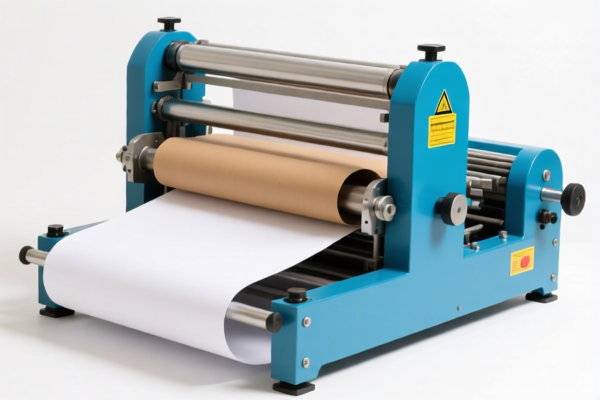
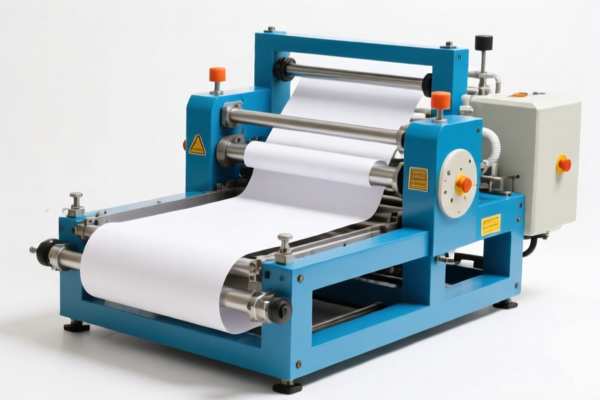
AI Analysis
🏭 Paper Making Machinery (Machinery for Making Pulp, Paper, or Paperboard)
🌐 HS Code Reference & Customs Clearance Guide | 2026 Latest Tariff Analysis | Professional Clearance Strategy
📌 I. Product Definition & Classification: Do You Know Exactly What "Paper Machinery" Is?
Paper-making machinery refers to the specialized industrial equipment used in the production of fibrous cellulosic pulp, as well as the manufacturing and finishing of paper and paperboard. In international trade, this category is strictly divided based on the condition of the equipment (New vs. Used/Rebuilt).
New Machinery: Equipment that has never been used, is in original condition, and meets standard factory specifications. Used or Rebuilt Machinery: Equipment that has been previously operated, or has been restored/refurbished to working condition.
⚠️ Critical Distinction Point:
- If the equipment is brand new → It must be classified under 8439.20.00.10.
- If the equipment is pre-owned, refurbished, or rebuilt → It must be classified under 8439.20.00.90.
- Do not mix these two codes. Even if the machine is technically capable of identical output, the history of the machine dictates the HS Code.
📦 II. HS Code Classification Details (2026 Latest Tariff Authority Comparison)
| HS Code | Product Description | Applicable Scenario | Condition |
|---|---|---|---|
8439.20.00.10 |
Machinery for making paper or paperboard: New | Brand new paper mills, fresh installations, new finishing lines | ✅ New |
8439.20.00.90 |
Machinery for making paper or paperboard: Used or Rebuilt | Second-hand paper machines, refurbished equipment, rebuilt components | ✅ Used/Rebuilt |
🔍 Key Reminder:
- Heading 8439 specifically covers machinery for making pulp or paper/paperboard, excluding machinery of heading 8419 (Process heaters, etc.).
- If you are importing a used paper machine, you cannot use the "New" code (...10), nor will you benefit from any potential "new" status assumptions. The "Used" code (...90) is mandatory.
- Packaging, accessories, and spare parts for these machines generally follow the classification of the main machine.
💰 III. 2026 Latest Tariff Rate Detail (Including Surcharges, Policy Add-ons)
✅ Applicable Country: United States (US)
✅ Country of Origin: China (CN) (Note: Tariffs in the data are specific to Chinese origin)
✅ Effective Time: Current as per provided data
🎯 1. 8439.20.00.10 —— Machinery for Making Paper or Paperboard (New)
| Item | Content |
|---|---|
| Basic Tariff | 0.0% (Ad Valorem) |
| Additional Tariff (Section 301/USITC) | +25.0% |
| Total Tax Rate | 25.0% |
| Tax Calculation | CIF Value × 25% |
| De Minimis Exemption Eligibility | ❌ No (High-value industrial machinery typically exceeds de minimis thresholds and is subject to full duty) |
| Legal Basis Path | HTSUS:8439.20.00.10 → USITC Footnote: Section 301 |
📌 Explanation:
- Although the Basic Tariff is 0%, the 25% Additional Tariff applies strictly to machinery of Chinese origin.
- This is a flat 25% levy on the total CIF value.
- There is no reduction for "New" status; the high value of new industrial machinery triggers full assessment.
🎯 2. 8439.20.00.90 —— Machinery for Making Paper or Paperboard (Used or Rebuilt)
| Item | Content |
|---|---|
| Basic Tariff | 0.0% (Ad Valorem) |
| Additional Tariff (Section 301/USITC) | +25.0% |
| Total Tax Rate | 25.0% |
| Tax Calculation | CIF Value × 25% |
| De Minimis Exemption Eligibility | ❌ No |
| Legal Basis Path | HTSUS:8439.20.00.90 → USITC Footnote: Section 301 |
📌 Note:
- Same Rate as New: Surprisingly, used machinery of this type faces the exact same total tax rate (25%) as new machinery when originating from China.
- No "Used Goods" Discount: In this specific HS subheading, the 25% surcharge applies regardless of whether the machine is new or used.
- Value Declaration Risk: For used machinery, ensure the declared value reflects the fair market value of the used unit, not the original new price, to avoid overpayment of duties on inflated valuations.
🛠️ IV. Customs Clearance Operational Advice (Practical Pitfall Avoidance Guide)
✅ 1. Preparation Checklist (Indispensable Documents)
| Document | Mandatory? | Explanation |
|---|---|---|
| ✅ Commercial Invoice | ✔️ | Must explicitly state "Paper Making Machinery" and specify NEW or USED/REBUILT. |
| ✅ Packing List | ✔️ | Detailing weights and dimensions of main units and spare parts. |
| ✅ Machine Specifications | ✔️ | Technical datasheet, model number, year of manufacture (critical for Used items). |
| ✅ Proof of Condition | ✔️ | For Used/Rebuilt: Provide photos, maintenance records, or refurbishment certificates to justify "Used" status. |
| ✅ Original Bill of Lading | ✔️ | Standard shipping document. |
| ✅ Any Additional Certifications | ✔️ | If applicable (e.g., environmental compliance for chemical pulp processing). |
✅ 2. Declaration Tips (Key Mantras)
🔥 "New vs. Used, State Clearly! 25% Tax, Don't Delay!"
| Situation | Correct Declaration | Wrong Practice |
|---|---|---|
| Brand New Machine | HS: 8439.20.00.10Name: "New Paper Machine" |
Using ...90 (Used code) → Risk of audit for incorrect condition declaration. |
| Refurbished Machine | HS: 8439.20.00.90Name: "Rebuilt Paper Machine" |
Using ...10 (New code) → Severe Penalty for misclassification of used goods as new. |
| Mixed Shipment (New Parts + Used Machine) | Split Declaration! | Declaring parts under the machine code → Valuation errors. |
| High-Value Machine | Declare CIF Value accurately | Under-declaring used machine value → Customs seizure or fines. |
✅ 3. Special Circumstances Handling
| Situation | Handling Advice |
|---|---|
| Rebuilt Machinery | Must provide detailed documentation proving the machine has been rebuilt to original specifications. If not, it may be rejected as "used" or face higher scrutiny. |
| Spare Parts | Spare parts for paper machinery may have different HS codes (e.g., 8439.90 for parts). Do not bundle them into the main machine's HS code if they are shipped separately or have distinct functions. |
| Origin Change | If the machine is manufactured in the US but components are from China, classification may change. However, if assembly/manufacturing occurs in China, the 25% tariff applies. |
| Valuation of Used Equipment | Use comparable market sales of similar used machinery to justify the declared value. Do not use the original purchase price of the new machine. |
🌍 V. Global Major Market Clearance Comparison (2026 Latest)
| Country/Region | Recommended HS Code | Tariff Rate (China Origin) | Certification Requirements | Remarks |
|---|---|---|---|---|
| 🇺🇸 USA | 8439.20.00.10 / .90 |
25% (Total) | No specific major safety certs for machinery itself, but may need EPA compliance if involving chemical processes. | 25% Surcharge applies to BOTH New and Used. |
| 🇪🇺 EU | 8439.20.00 |
0% (Usually) | CE Marking, Machinery Directive (2006/42/EC) | Lower tariffs, but strict safety compliance. |
| 🇨🇳 China | 8439.20.00 |
~5-10% (Import) | CCC (if applicable) | China imports paper machinery; export tariffs may differ. |
| 🇮🇳 India | 8439.20.00 |
~0-7.5% | BIS Certification (if applicable) | Varies by specific machine type. |
📌 Conclusion:
- The United States imposes a flat 25% additional tariff on this category from China, regardless of whether the machine is new or used.
- No tariff advantage exists for importing "Used" machinery into the US from China under this HS code.
- Consider Supply Chain Diversification: If possible, source machinery from non-China origins to avoid the 25% surcharge.
📌 VI. Common Mistakes & Pitfall Guide (Blood & Tears Lessons)
❌ Mistake 1: Declaring a Used machine under 8439.20.00.10 (New Code)
👉 Consequence: Customs may suspect undervaluation or illegal import of used goods. Fines, delays, or confiscation.
❌ Mistake 2: Failing to specify "Rebuilt" or "Used" on the Invoice
👉 Consequence: Customs cannot verify the HS Code. May apply the highest duty rate or require an Advance Ruling before release.
❌ Mistake 3: Valuing a Used Machine at Original New Price
👉 Consequence: You overpay the 25% tax by tens of thousands of dollars. Always use market value for used goods.
❌ Mistake 4: Including Chemical Pulp Processing Equipment without checking Heading 8419
👉 Consequence: If the machinery is specifically for pulping (not paper making/finishing), it might fall under 8439.10 or 8419. Misclassification leads to corrective duty assessments.
✅ Correct Approach:
"Paper Making Machine, Model XYZ, Used, Year 2020, CIF Value $XXX,HS Code: 8439.20.00.90, Tariff: 25%"
🎯 VII. Conclusion: Professional Declaration, Cost Saving, Efficiency!
🎯 Remember the Mantra:
🔹 "New is .10, Used is .90, Both 25%, Do Not Deny!"
🔹 "HS Code Defines Condition, Tax Rate Follows Origin, Declare Value Honestly, Save Money and Time!"
📌 Pro Tip:
- For Used Machinery, always keep photographic evidence of the machine's condition and maintenance logs to prove it is "Used/Rebuilt" and not new.
- If the machinery involves chemical processing (pulp making), verify if it falls under 8439.10 (Pulp machinery) which might have different tax implications. The data provided here strictly covers 8439.20 (Paper/Paperboard machinery).
📣 Immediate Action:
📞 Contact a licensed customs broker to confirm the exact physical state of your machinery.
📄 Prepare a detailed technical description distinguishing New vs. Used components.
💰 Calculate the 25% tariff into your landed cost before shipping.
🚀 Ensure accurate HS Code selection to avoid post-clearance audits and penalty fees.
✨ Professional Clearance Starts with Precise Classification!
💼 Your Every Dollar, Worth Precise Calculation!
Customer Reviews
About HS Code Classification
The Harmonized System (HS) is an internationally standardized nomenclature developed by the World Customs Organization (WCO) to classify traded products. Over 200 countries use the HS system as the basis for customs tariffs, trade statistics, and import/export regulations.
Each HS code follows a hierarchical structure:
- Chapter (2 digits) — Broad category of goods (e.g., Chapter 84: Machinery and Mechanical Appliances)
- Heading (4 digits) — More specific grouping within the chapter
- Subheading (6 digits) — Internationally standardized breakdown, used by all WCO member countries
- National subdivisions (8-10 digits) — Country-specific extensions for further classification, such as US HTSUS 10-digit codes
Correct HS code classification is essential for smooth customs clearance, accurate duty payment, and compliance with trade regulations. Misclassification can lead to customs delays, overpayment of duties, or penalties.
When importing from CN to US, the applicable tariff rates may include:
- Most-Favored-Nation (MFN) rate — The standard duty rate applied to WTO members
- General rate — Applied to countries without trade agreements
- Trade remedy duties — Additional tariffs such as Section 301 (anti-dumping), Section 232 (national security), or countervailing duties
The information provided on this page is for reference purposes only. For official classification, please consult with your local customs authority or a licensed customs broker.