Paper Rope Woven Products
CN → US| HS Code | Tariff Rate | Origin | Destination | Doc |
|---|---|---|---|---|
| 4602900000 | 38.5% | CN | US | Official Doc |
| 4602198000 | 37.3% | CN | US | Official Doc |
| 4823908000 | 35.0% | CN | US | Official Doc |
| 4823908680 | 35.0% | CN | US | Official Doc |
Product Images
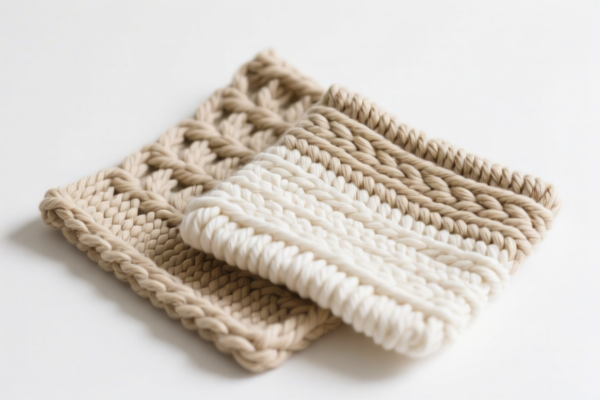
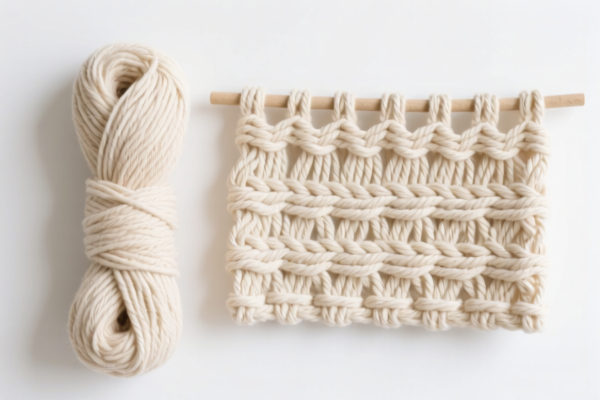
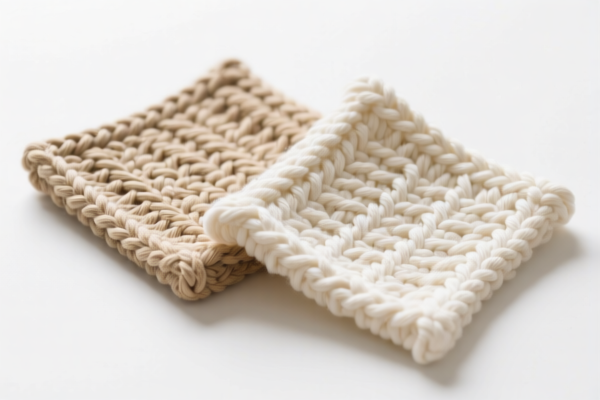

AI Analysis
🪢 Paper Rope Woven Products (Basketwork & Wickerwork)
🌐 HS Code Reference & Customs Clearance Guide | 2026 Latest Tariff Analysis | Professional-Level Entry Strategy
📌 I. Product Definition & Classification: Do You Really Understand "Paper Rope"?
Paper rope woven products, often categorized under Basketwork, Wickerwork, and Other Articles, are goods made directly to shape from plaiting materials or made up from articles of heading 4601. In international trade, these items are generally classified based on their raw material (vegetal vs. other) and finished form.
Key Distinction: * Vegetable Material Articles: If the paper rope is made from natural fibers or specific vegetal-based paper materials, it may fall under the "Of vegetable materials" subcategory. * Other/Processed Articles: If the material is strictly processed paper not classified as "vegetable" in the HS context, or if it is a general wicker/basket item not specified elsewhere, it falls under "Other."
⚠️ Critical Classification Point:
- If the product is explicitly "Of vegetable materials" and fits specific sub-codes →4602.19.80.00
- If the product is general paper rope/wickerwork without specific vegetal classification →4602.90.00.00
📦 II. HS Code Classification Details (2026 Latest Tariff Authority Comparison)
| HS Code | Product Description | Applicable Scenario | Material Type | Tax Rate (China Origin to US) |
|---|---|---|---|---|
4602.19.80.00 |
Basketwork, wickerwork... Of vegetable materials: Other: Other: Other: Other | Traditional bamboo/rattan/plant-fiber baskets, plant-based paper ropes | 🌿 Vegetable Materials | 0.0% |
4602.90.00.00 |
Basketwork, wickerwork... Other | General paper rope crafts, synthetic-paper woven bags, non-vegetal wicker items | 📄 Other Materials | 28.5% |
🔍 Key Reminder:
-4602.19.80.00applies ONLY if the paper rope is derived from vegetable materials (e.g., natural fibers, specific plant-based papers) and fits the "Other" sub-category for vegetable materials. Tax: 0%.
-4602.90.00.00is the default for most paper rope products that are not strictly "vegetable materials" under HS definitions, or general basketwork. Tax: 28.5%.
💰 III. 2026 Latest Tariff Rate Detailed Breakdown (Including Surcharges)
✅ Applicable Country: United States (US)
✅ Origin: China (CN)
✅ Effective Time: Current rates apply as per 2026 tariff schedule
🎯 1. 4602.19.80.00 —— Basketwork/Wickerwork of Vegetable Materials
| Item | Content |
|---|---|
| Base Tariff | 0.0% |
| Section 301 Surcharge | 0.0% |
| Total Tax Rate | 0.0% |
| Tax Calculation | CIF Value × 0% = $0 |
| De Minimis Eligibility | ✅ Yes (If value < $800, no duty) |
| Legal Basis | USITC:4602.19.80.00 |
📌 Explanation:
- No Base Tariff: Vegetable material wicker/basketry enjoys a 0% base rate.
- No Surcharge: Currently, this specific code is exempt from the 25% Section 301 surcharge (unlike many other 46xx or 48xx paper products).
- Cost Advantage: This is a zero-tax entry point for eligible products.
🎯 2. 4602.90.00.00 —— Other Basketwork/Wickerwork (General Paper Rope)
| Item | Content |
|---|---|
| Base Tariff | 3.5% |
| Section 301 Surcharge | +25.0% |
| Total Tax Rate | 28.5% |
| Tax Calculation | CIF Value × 28.5% |
| De Minimis Eligibility | ❌ No (Section 301 goods often excluded or subject to scrutiny) |
| Legal Basis | USITC:4602.90.00.00 → FOOTNOTE:301 |
📌 Explanation:
- Base Tariff: 3.5% is the standard MFN rate for "Other" basketwork.
- Section 301 Surcharge: +25% is applied because this falls under the list of Chinese-origin goods subject to trade remedies.
- Total Burden: 28.5% significantly impacts profit margins.⚠️ Warning:
- Misclassifying a "vegetable material" product as "Other" (4602.90) will result in paying 28.5% instead of 0%.
- Conversely, misclassifying a "non-vegetable" product as4602.19is illegal and risks penalties.
🛠️ IV. Customs Clearance Practical Advice (Real-World Pitfall Avoidance)
✅ 1. Required Documentation Checklist (Must-Haves)
| Document | Mandatory | Purpose |
|---|---|---|
| ✅ Material Composition Statement | ✔️ | Critical: Must specify if the "paper rope" is made from vegetable fibers (e.g., jute, sisal, plant pulp) or processed/synthetic paper. |
| ✅ Product Photos | ✔️ | Show texture, weave, and any labels indicating material source. |
| ✅ Commercial Invoice | ✔️ | Clearly state "Paper Rope Woven Basket/Bag" and material type. |
| ✅ Packing List | ✔️ | Detail weights and quantities. |
| ✅ Certificate of Origin | ✔️ | Required for proving China origin (to apply 301 tariffs or exemptions). |
✅ 2. Declaration Tips (Key Mantra)
🔥 "Vegetable = Zero Tax, Other = 28.5% Pay!"
| Scenario | Correct HS Code | Risk of Misclassification |
|---|---|---|
| Bamboo/Rattan/Plant-based Paper Rope | 4602.19.80.00 |
High savings! Ensure material proof is ready. |
| Regular Kraft Paper Rope/Woven Bag | 4602.90.00.00 |
Expect 28.5% duty. No exemption. |
| Mixed Material (Vegetable + Synthetic) | Likely 4602.90.00.00 |
Complex classification; may trigger "essential character" rules. |
✅ 3. Special Situations
| Situation | Handling Advice |
|---|---|
| Paper Rope made from Recycled Paper | Usually falls under 4602.90.00.00 unless it retains "vegetable material" character. |
| Paper Rope for Industrial Use (e.g., Sacks) | Still 4602.90.00.00 if not vegetable. |
| Artistic Woven Paper Items | Same rules apply: Material type dictates code. |
🌍 V. Global Market Comparison (2026 Latest)
| Country/Region | Recommended HS Code | Tariff (China Origin) | Notes |
|---|---|---|---|
| 🇺🇸 USA | 4602.19.80.00 (if veg) |
0% | Huge savings for vegetable materials. |
| 🇺🇸 USA | 4602.90.00.00 (other) |
28.5% | High cost for standard paper products. |
| 🇪🇺 EU | 4602.11/4602.90 | Varies (usually 5-10%) | No Section 301 equivalent, but VAT applies. |
| 🇨🇳 China | 4602.19/4602.90 | 0-10% | Import duties vary, but usually lower than US 301 rates. |
📌 Conclusion:
- US Market: Material classification is critical. Vegetable-based paper rope products enjoy 0% duty, while standard paper rope products face 28.5%.
- Strategy: If your "paper rope" is made from plant-based fibers, ensure your supplier certifies it as vegetable material to qualify for4602.19.80.00.
📌 VI. Common Mistakes & Pitfalls (Blood Lessons)
❌ Mistake 1: Calling all paper rope "Vegetable Material"
👉 Consequence: Customs rejects claim, reclassifies to 4602.90.00.00, charges 28.5% + penalties.
❌ Mistake 2: Assuming all woven bags are "Basketwork"
👉 Consequence: If made of plastic or synthetic fibers, they may fall under Chapter 39 (Plastics) or Chapter 63 (Other Made-up Articles), with different rates.
❌ Mistake 3: Ignoring Section 301 Exclusions
👉 Consequence: Even if base tax is low, Section 301 applies to 4602.90.00.00. No exemption unless specifically excluded (currently none for this code).
✅ Correct Practice:
"Woven Basket, Made from Natural Bamboo Paper Rope, Vegetable Material, HS 4602.19.80.00"
vs.
"Woven Bag, Made from Kraft Paper Rope, HS 4602.90.00.00"
🎯 VII. Conclusion: Precise Classification Saves Money!
🎯 Remember the Mantra:
🔹 "Vegetable Paper Rope = 0% Duty"
🔹 "Standard Paper Rope = 28.5% Duty"
🔹 "Know Your Material, Save Your Profit!"
📌 Tips:
- If your product is paper-based but not vegetable, prepare for the 28.5% tariff.
- Consider value engineering: Can the product be redesigned to use certified vegetable fibers?
- Always request a Material Safety Data Sheet (MSDS) or Composition Certificate from suppliers to support 4602.19.80.00 classification.
📣 Immediate Action:
📞 Consult your customs broker with material specs
🚀 Classify correctly, clear smoothly, maximize margins!
✨ Professional Customs Clearance Starts with Accurate Classification!
💼 Every percent of tax saved is pure profit!
Customer Reviews
About HS Code Classification
The Harmonized System (HS) is an internationally standardized nomenclature developed by the World Customs Organization (WCO) to classify traded products. Over 200 countries use the HS system as the basis for customs tariffs, trade statistics, and import/export regulations.
Each HS code follows a hierarchical structure:
- Chapter (2 digits) — Broad category of goods (e.g., Chapter 84: Machinery and Mechanical Appliances)
- Heading (4 digits) — More specific grouping within the chapter
- Subheading (6 digits) — Internationally standardized breakdown, used by all WCO member countries
- National subdivisions (8-10 digits) — Country-specific extensions for further classification, such as US HTSUS 10-digit codes
Correct HS code classification is essential for smooth customs clearance, accurate duty payment, and compliance with trade regulations. Misclassification can lead to customs delays, overpayment of duties, or penalties.
When importing from CN to US, the applicable tariff rates may include:
- Most-Favored-Nation (MFN) rate — The standard duty rate applied to WTO members
- General rate — Applied to countries without trade agreements
- Trade remedy duties — Additional tariffs such as Section 301 (anti-dumping), Section 232 (national security), or countervailing duties
The information provided on this page is for reference purposes only. For official classification, please consult with your local customs authority or a licensed customs broker.