Paper Treatment Agent A
CN → US| HS Code | Tariff Rate | Origin | Destination | Doc |
|---|---|---|---|---|
| 3809921000 | 41.5% | CN | US | Official Doc |
| 3809925000 | 41.0% | CN | US | Official Doc |
Product Images
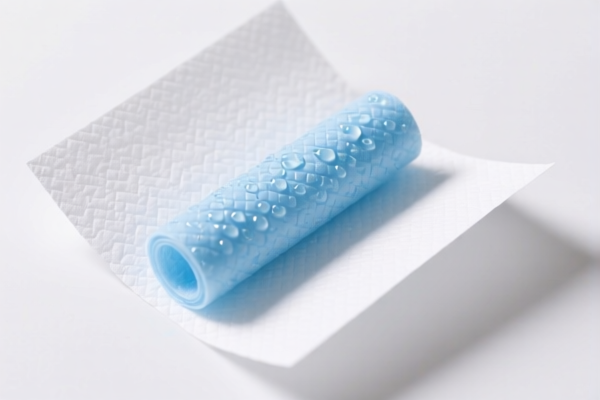
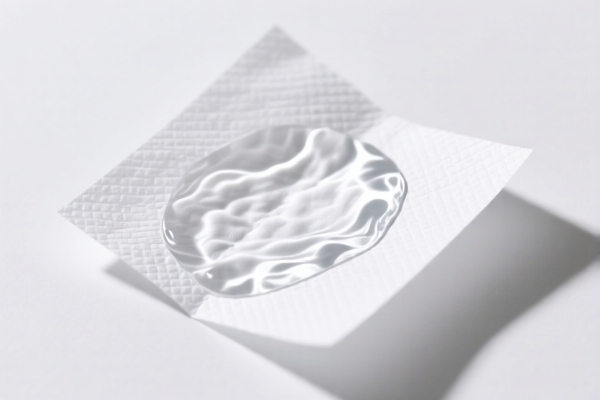
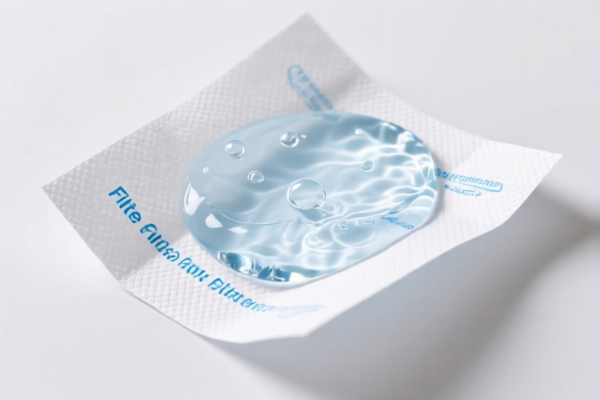
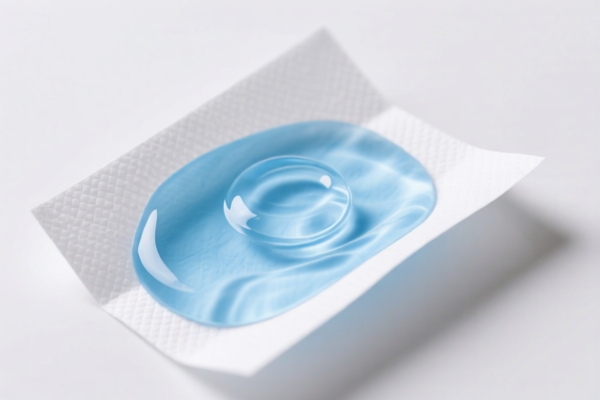
AI Analysis
🧪 Paper Treatment Agent A: Industrial Chemicals for Paper Industry
🌐 HS Code Reference & Customs Clearance Guide | 2026 Latest Tariff Analysis | Professional Clearance Strategy
📌 Part I: Product Definition & Classification: What exactly is "Paper Treatment Agent A"?
Paper Treatment Agents are specialized chemical preparations used in the paper, textile, leather, and similar industries to accelerate dyeing, fixing of dyestuffs, or to provide finishing effects (such as dressings, mordants, or surface treatments). They are not classified under Chapter 35 (Albuminoidal substances) or Chapter 38 (Miscellaneous chemical products) unless specifically described as such, but rather fall under Heading 3809 for "Finishing agents, dye carriers... of a kind used in the textile, paper, leather or like industries."
For "Paper Treatment Agent A", the critical distinction lies in its chemical composition and specific application. The HS code is determined by whether it contains significant amounts of aromatic substances, which dictates the subheading within 3809.92.
⚠️ Key Distinction Point:
- If the agent contains ≥ 5% by weight of one or more aromatic or modified aromatic substances → It falls under 3809.92.10.00.
- If it does not meet the aromatic threshold (or contains < 5% aromatic substances) → It falls under 3809.92.50.00 ("Other").
📦 Part II: HS Code Classification Details (2026 Latest Tariff Authority Comparison)
| HS Code | Product Description | Applicable Scenario | Aromatic Content Requirement |
|---|---|---|---|
3809.92.10.00 |
Finishing agents, dye carriers... of a kind used in the paper or like industries: Containing 5% or more by weight of one or more aromatic or modified aromatic substances | High-performance paper finishes, dye carriers with strong aromatic solvents or components | ✅ ≥ 5% |
3809.92.50.00 |
Finishing agents, dye carriers... of a kind used in the paper or like industries: Other | General paper sizing agents, weak finishing agents, non-aromatic or low-aromatic preparations | ❌ < 5% or not specified |
🔍 Important Note:
- The phrase "of a kind used in the paper or like industries" is mandatory. If the product is primarily for textile or leather, it would fall under 3809.91 or 3809.93.
- The term "Other" in 3809.92.50.00 is a residual category for paper industry chemicals that do not meet the specific aromatic criterion of 3809.92.10.00.
- Misclassification Risk: Declaring a high-aromatic agent under 3809.92.50.00 to avoid higher scrutiny or different tax treatments can lead to customs penalties, reclassification, and back-taxes.
💰 Part III: 2026 Latest Tariff Rate Details (Including Additional Duties & Policy Surcharges)
✅ Applicable Country: United States (US)
✅ Country of Origin: China (CN)
✅ Effective Date: November 10, 2025 (including subsequent imports)
🎯 1. 3809.92.10.00 —— Paper Treatment Agents with ≥ 5% Aromatic Substances
| Item | Content |
|---|---|
| Basic Tariff Rate | 6.5% (ad valorem) |
| Section 301 Additional Tariff | +25.0% |
| Total Tariff Rate | 31.5% |
| Tax Calculation | CIF Value × 31.5% |
| De Minimis Exemption Eligibility | ❌ Not Eligible (High tariff goods typically excluded from de minimis relief under strict enforcement) |
| Legal Authority Path | HTSUS:3809.92.10.00 → Section 301 Footnote 9903.88.01 → USITC |
📌 Explanation:
- The 6.5% is the standard Most Favored Nation (MFN) rate for this subheading.
- The 25% is the additional duty imposed under Section 301 of the Trade Act of 1974 on certain Chinese imports.
- Total 31.5% is a significant cost factor. Importers must ensure the commercial invoice accurately reflects the chemical composition if challenged by CBP (Customs and Border Protection).
🎯 2. 3809.92.50.00 —— Other Paper Treatment Agents
| Item | Content |
|---|---|
| Basic Tariff Rate | 6.0% (ad valorem) |
| Section 301 Additional Tariff | +25.0% |
| Total Tariff Rate | 31.0% |
| Tax Calculation | CIF Value × 31.0% |
| De Minimis Exemption Eligibility | ❌ Not Eligible |
| Legal Authority Path | HTSUS:3809.92.50.00 → Section 301 Footnote 9903.88.01 → USITC |
📌 Note:
- The 6.0% basic rate is slightly lower than the aromatic variant (6.5%).
- However, the 25% Section 301 duty remains the same, resulting in a total of 31.0%.
- Difference: Only 0.5% difference in total tax burden. Do not misclassify a ≥5% aromatic product as "Other" to save 0.5%. CBP may demand chemical analysis to verify aromatic content.
🛠️ Part IV: Customs Clearance Practical Advice (Battle-Tested Pitfall Avoidance Guide)
✅ 1. Required Documentation List (All Inevitable)
| Document | Mandatory? | Explanation |
|---|---|---|
| ✅ Product Specification Sheet | ✔️ | Must detail chemical composition, especially percentage of aromatic substances. |
| ✅ Formula/Ingredient List | ✔️ | Required to prove if aromatic content is ≥ 5%. |
| ✅ MSDS/SDS (Safety Data Sheet) | ✔️ | Must match the declared HS Code description and hazard classification. |
| ✅ Commercial Invoice | ✔️ | Must clearly state: "Paper Treatment Agent, HS 3809.92.xx.x, Contains/Does Not Contain >5% Aromatic Substances." |
| ✅ Certificate of Origin | ✔️ | If non-Chinese origin, may qualify for lower tariffs. |
| ✅ Packing List | ✔️ | Detail net/gross weight, number of packages. |
| ✅ Test Report (Optional but Recommended) | ✔️ | Third-party lab report confirming aromatic content can pre-empt CBP examinations. |
✅ 2. Declaration Tips (Key Mantras)
🔥 “Be Precise: Aromatic Threshold Defines Code, Honesty Saves Fines!”
| Scenario | Correct Declaration | Wrong Practice |
|---|---|---|
| Agent contains ≥ 5% aromatic substances | 3809.92.10.00 |
Declare as 3809.92.50.00 to look like "Other" → Risk of Penalties |
| Agent contains < 5% aromatic substances | 3809.92.50.00 |
Declare as 3809.92.10.00 → Overpaying 0.5% tax (but safer if uncertain) |
| Agent is for Textile use | 3809.91.00.00 (Example) |
Declare as Paper Agent → Incorrect Classification |
| Agent is a Solvent (not a finishing agent) | 3814.00.00.00 |
Declare as 3809 → Wrong Heading |
✅ 3. Special Circumstances Handling
| Situation | Handling Suggestion |
|---|---|
| Ambiguous Chemical Composition | If the supplier cannot confirm aromatic %, opt for 3809.92.10.00 (6.5% base) to be conservative, or provide a lab test. Misclassification can lead to audits. |
| Blend of Paper & Textile Use | Declare based on the principal use. If primarily for paper, use 3809.92.xx. Provide proof of primary market. |
| New Formulation | Request an Advance Ruling from CBP if the formulation is new and aromatic content is borderline (e.g., 4.8% vs 5.2%). |
| Dangerous Goods | Ensure IMDG/IATA compliance if the aromatic substances are flammable. Separate HS classification from transport classification. |
🌍 Part V: Global Market Clearance Comparison (2026 Latest)
| Country/Region | Recommended HS Code | Basic Tariff | Additional Tariffs (China Origin) | Total Effective Rate | Remarks |
|---|---|---|---|---|---|
| 🇺🇸 USA | 3809.92.10.00 / 3809.92.50.00 |
6.0% / 6.5% | +25% (Section 301) | 31.0% / 31.5% | High duty burden. |
| 🇨🇳 China | 3809.92.10.00 / 3809.92.50.00 |
6.0% / 6.5% | None (Domestic) | 6.0% / 6.5% | Import duty for non-Chinese origin. |
| 🇪🇺 EU | 3809.92.10.00 / 3809.92.50.00 |
6.5% / 6.0% | None (Unless trade dispute) | 6.5% / 6.0% | No Section 301 equivalent. |
| 🇬🇧 UK | 3809.92.10.00 / 3809.92.50.00 |
6.5% / 6.0% | None | 6.5% / 6.0% | Post-Brexit UKGT. |
| 🇯🇵 Japan | 3809.92.10.00 / 3809.92.50.00 |
6.0% / 5.5% | None | 6.0% / 5.5% | Low duty, CEPA benefits may apply if rules of origin met. |
📌 Conclusion:
- USA is the only major market imposing significant additional tariffs (25%) on these Chinese-origin goods.
- The 0.5% difference between the two HS codes is negligible compared to the 25% surcharge.
- Strategic Advice: For US exports, focus on accurate declaration rather than trying to exploit the 0.5% difference, as CBP audits on chemical composition are common.
📌 Part VI: Common Errors & Pitfall Avoidance (Blood-Taught Lessons)
❌ Error 1: Classifying all paper chemicals under 3809.92.50.00 ("Other") regardless of aromatic content.
👉 Consequence: If aromatic content is ≥ 5%, this is a misclassification. CBP may assess back taxes, penalties, and interest.
👉 Fix: Verify chemical formula. If ≥ 5% aromatic, use 3809.92.10.00.
❌ Error 2: Declaring a textile finishing agent as a paper treatment agent.
👉 Consequence: Incorrect heading (3809.91 vs 3809.92). May lead to rejection or delay.
👉 Fix: Clearly state the intended industry in the description.
❌ Error 3: Omitting "Paper or Like Industries" in the commercial invoice description.
👉 Consequence: CBP may question the validity of the 3809 classification.
👉 Fix: Include "For Use in Paper Industry" in the invoice description.
❌ Error 4: Ignoring hazardous substance reporting for aromatic compounds.
👉 Consequence: Even if HS code is correct, failure to declare hazardous nature can lead to shipment rejection or safety fines.
👉 Fix: Provide accurate SDS and follow IMDG/IATA regulations.
✅ Correct Practice:
"Paper Treatment Agent A, Chemical Finish, Contains 6% By Weight of Aromatic Substances, For Use in Paper Manufacturing, HS 3809.92.10.00, MSDS Provided."
🎯 Part VII: Conclusion: Precision in Classification, Savings in Clearance!
🎯 Remember the Mantra:
🔹 "Aromatic ≥ 5% → 3809.92.10.00 (6.5% Base)"
🔹 "Aromatic < 5% → 3809.92.50.00 (6.0% Base)"
🔹 "US Import → +25% Section 301 on Both!"
🔹 "Total Cost: ~31.5% vs 31.0% – Honesty is the Best Policy!"
📌 Pro Tip:
If your product is not originally from China (e.g., made in Vietnam or Thailand), you may avoid the 25% Section 301 duty.
→ Recommendation: Check Rules of Origin and apply for Certificate of Origin if applicable. This can save 25% in tariffs for US imports.
📣 Immediate Action Required:
📞 Contact Your Broker: Provide chemical formula and intended use.
📄 Apply for Advance Ruling: If aromatic content is borderline.
🚀 Ensure Accurate Invoicing: Avoid delays and penalties.
✨ Professional Classification Starts Here!
💼 Every Percentage Point of Tariff Matters!
Customer Reviews
About HS Code Classification
The Harmonized System (HS) is an internationally standardized nomenclature developed by the World Customs Organization (WCO) to classify traded products. Over 200 countries use the HS system as the basis for customs tariffs, trade statistics, and import/export regulations.
Each HS code follows a hierarchical structure:
- Chapter (2 digits) — Broad category of goods (e.g., Chapter 84: Machinery and Mechanical Appliances)
- Heading (4 digits) — More specific grouping within the chapter
- Subheading (6 digits) — Internationally standardized breakdown, used by all WCO member countries
- National subdivisions (8-10 digits) — Country-specific extensions for further classification, such as US HTSUS 10-digit codes
Correct HS code classification is essential for smooth customs clearance, accurate duty payment, and compliance with trade regulations. Misclassification can lead to customs delays, overpayment of duties, or penalties.
When importing from CN to US, the applicable tariff rates may include:
- Most-Favored-Nation (MFN) rate — The standard duty rate applied to WTO members
- General rate — Applied to countries without trade agreements
- Trade remedy duties — Additional tariffs such as Section 301 (anti-dumping), Section 232 (national security), or countervailing duties
The information provided on this page is for reference purposes only. For official classification, please consult with your local customs authority or a licensed customs broker.