Paper and paperboard in rolls or sheets
CN → US| HS Code | Tariff Rate | Origin | Destination | Doc |
|---|---|---|---|---|
| 4802551000 | 35.0% | CN | US | Official Doc |
| 4810131140 | 35.0% | CN | US | Official Doc |
Product Images
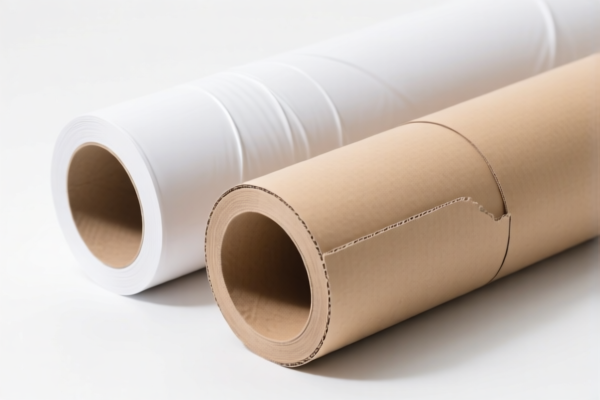
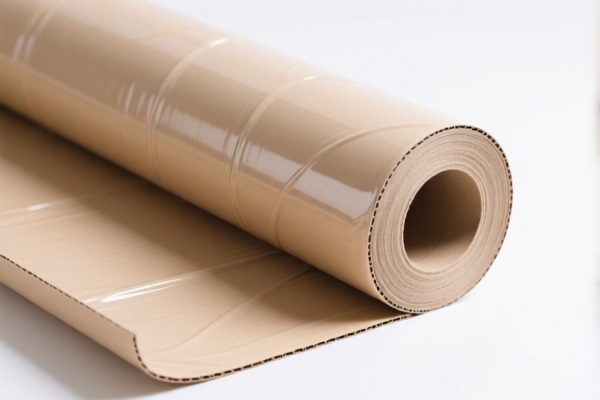
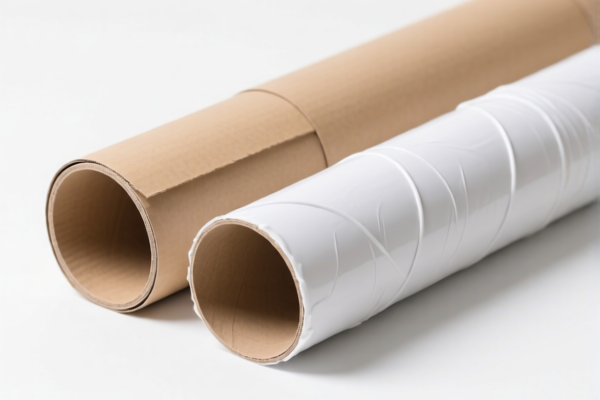
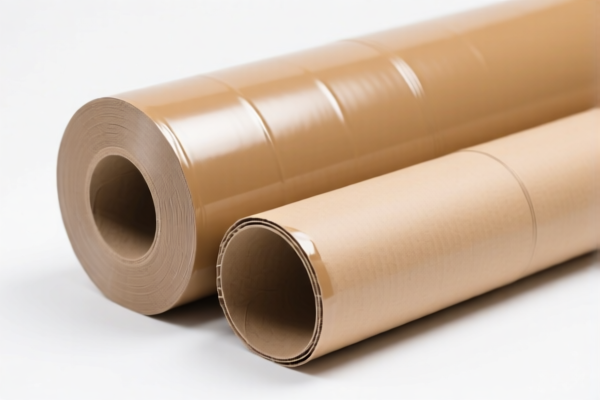
AI Analysis
📄 Paper & Paperboard (In Rolls or Sheets)
🌐 HS Code Reference & Customs Clearance Guide | 2026 Latest Tariff Analysis | Professional Clearance Strategy
📌 I. Product Definition & Classification: Do You Really Understand "Paper"?
Paper and paperboard are fundamental materials used in printing, packaging, writing, and graphic arts. In international trade, they are strictly categorized based on fiber composition, surface treatment, and weight. The data provided highlights two distinct categories with drastically different tax implications:
Uncoated Paper (Heading 4802): Basic paper made primarily from chemical fibers (non-mechanical), weighing between 40–150 g/m², used for writing or cover purposes.
Coated Paper with Kaolin (Heading 4810): Paper coated with inorganic substances (like China clay/Kaolin), specifically prepared for photographic use (sensitized basic paper).
⚠️ Key Distinction Point:
- 4802.55.10.00: Uncoated, chemical fiber paper for writing/covering. Highly taxed due to trade measures.
- 4810.13.11.40: Coated (Kaolin), sensitized paper for photography. Zero tax.
- Crucial Factor: Is it coated? Is it for photography? Is it uncoated writing paper? The answer determines the HS Code and the Tax Rate.
📦 II. HS Code Classification Details (2026 Latest Tariff Authority Comparison)
| HS Code | Product Description | Application Scenario | Fiber Content | Tax Rate |
|---|---|---|---|---|
4802.55.10.00 |
Uncoated paper/board, chemical fibers, 40-150 g/m², rolls >15cm, Writing/Cover paper | Office paper, high-quality cover stock, general printing | <10% mechanical fibers | 25.0% |
4810.13.11.40 |
Coated paper (Kaolin), photographic use, sensitized basic paper | Photographic paper base, specialized graphic arts | Not specified (usually chemical) | 0.0% |
🔍 Important Reminder:
-4802.55.10.00applies to standard uncoated papers that are not perforated punch-cards. It specifically targets "Writing and cover paper" in rolls. -4810.13.11.40is a niche category for sensitized basic paper used in photography, coated with Kaolin. It is not for general printing or writing. - Misclassification Risk: Declaring photographic paper as "writing paper" (or vice versa) will lead to severe penalties, retroactive tax collection, and shipment delays.
💰 III. 2026 Latest Tariff Rate Breakdown (Detailed Tax Clauses)
✅ Applicable Country: United States (US)
✅ Country of Origin: China (CN)
✅ Effective Date: 2025/2026 (Current Trade Measures)
🎯 1. 4802.55.10.00 —— Uncoated Paper (Writing/Cover, Chemical Fiber)
| Item | Details |
|---|---|
| Base Tariff | 0.0% (Ad Valorem) |
| Additional Duty (Section 301) | +25.0% (List 4A) |
| Total Tariff | 25.0% |
| Tax Calculation | CIF Value × 25% |
| De Minimis Exemption | ❌ Not Eligible (Section 301 duties generally do not apply to de minimis, but for commercial shipments, it applies) |
| Legal Basis Path | HTSUS:4802.55.10.00 → Section 301: Footnote 9903.88.01 (Applies to many Chinese-origin goods) |
📌 Explanation:
- This HS Code falls under List 4A of the Section 301 tariffs. - Even though the base MFN rate is 0%, the 25% punitive tariff is applied due to trade tensions between the US and China. - Cost Impact: This is a significant cost increase. Importers must factor this 25% into their landed cost calculations.
🎯 2. 4810.13.11.40 —— Sensitized Photographic Paper (Kaolin-Coated)
| Item | Details |
|---|---|
| Base Tariff | 0.0% (Ad Valorem) |
| Additional Duty (Section 301) | 0.0% |
| Total Tariff | 0.0% |
| Tax Calculation | CIF Value × 0% = $0 |
| De Minimis Exemption | N/A (Already 0%) |
| Legal Basis Path | HTSUS:4810.13.11.40 (Excluded from Section 301 List 4A) |
📌 Note:
- This specific subheading for sensitized basic paper for photography is exempt from the 25% additional duty. - This creates a huge tax advantage if the product genuinely qualifies as "sensitized photographic paper." - Warning: Customs will scrutinize this claim. You must prove it is sensitized and intended for photographic use, not general printing.
🛠️ IV. Customs Clearance Practical Advice (Avoid Pitfalls)
✅ 1. Required Documentation Checklist (Non-Negotiable)
| Document | Mandatory? | Description |
|---|---|---|
| ✅ Product Specification Sheet | ✔️ | Must detail: Weight (g/m²), Width, Roll Length, Fiber Content (% mechanical vs. chemical), Coating type (Kaolin?). |
| ✅ Photographic Sensitization Certificate | ✔️ | For 4810.13.11.40: Must prove chemical sensitization for photography. |
| ✅ Commercial Invoice | ✔️ | Must clearly state: "Uncoated Paper" or "Sensitized Photographic Paper." Do not use generic terms like "Paper Rolls." |
| ✅ Packing List | ✔️ | Show net weight, gross weight, and dimensions. Confirm roll diameter and core size. |
| ✅ Certificate of Origin (CO) | ✔️ | Essential for verifying country of origin (China) and applying correct trade measures. |
| ✅ Third-Party Lab Report | ✔️ | Recommended to verify fiber composition (chemi-mechanical vs. mechanical) and coating substance (Kaolin). |
✅ 2. Declaration Strategies (Key Mnemonics)
🔥 “Uncoated = 25%, Coated Photo = 0%. Name it Right, Save Your Rights!”
| Scenario | Correct HS Code | Incorrect Declaration | Consequence |
|---|---|---|---|
| Standard Office Paper (Uncoated) | 4802.55.10.00 |
"Printing Paper" (Vague) | Risk of misclassification; if deemed "newsprint" or different weight, rate changes. |
| Photographic Paper (Kaolin, Sensitized) | 4810.13.11.40 |
"Coated Paper" (Generic) | If not declared as "sensitized," customs may reclassify to a taxable subheading. |
| Punch Cards / Perforated Paper | Excluded | Included in 4802 |
4802 explicitly excludes perforated punch-cards. Misdeclaration leads to penalties. |
| Paper <40 g/m² or >150 g/m² | Different Subheading | 4802.55.10.00 |
Rate may vary. Must strictly meet 40-150 g/m² range. |
✅ 3. Special Circumstances Handling
| Situation | Advice |
|---|---|
| Mixed Shipments | If a shipment contains both uncoated paper and photographic paper, declare them separately. Do not combine under one HS Code to save tax; this is fraud. |
| "Sensitized" Claim | To claim 4810.13.11.40, you must provide evidence that the paper has been chemically treated for photographic light sensitivity. Standard coated art paper does not qualify. |
| Fiber Content Verification | For 4802.55.10.00, the paper must have ≤10% mechanical fibers. If it contains more, it may fall under a different, potentially more expensive subheading. Provide lab tests if requested. |
| Roll Dimensions | Ensure the width is >15 cm. If rolls are narrower, a different HS code may apply. |
🌍 V. Global Market Comparison (2026)
| Country/Region | Recommended HS Code | Tariff (China Origin) | Notes |
|---|---|---|---|
| 🇺🇸 USA | 4802.55.10.00 |
25% | High duty due to Section 301. |
| 🇺🇸 USA | 4810.13.11.40 |
0% | Exempt. Verify "sensitized" status. |
| 🇨🇳 China | 4802.55.10.00 |
~5-8% | Varies by specific subheading; no Section 301. |
| 🇪🇺 EU | 4802.55 |
~2.5% | No equivalent Section 301 trade war tariffs. |
| 🇬🇧 UK | 4802.55 |
~2.5% | Post-Brexit tariffs generally lower than US Section 301. |
📌 Conclusion:
- The US market is the most challenging due to the 25% Section 301 tariff on standard uncoated paper.
- If your product is photographic and sensitized, the 0% rate is a massive competitive advantage, but compliance is strict.
- Other markets (EU, UK, Asia) do not apply these punitive tariffs, making them more cost-effective for uncoated paper exports.
📌 VI. Common Errors & Pitfalls (Blood Lessons)
❌ Error 1: Declaring "Photographic Paper" as "Coated Printing Paper"
👉 Consequence: If it doesn't meet the "sensitized" criteria, customs may reject the 0% rate, but more likely, if it's just coated art paper, it might fall under a different taxable heading with different rates. Accuracy is key.
❌ Error 2: Ignoring the "10% mechanical fiber" limit for 4802
👉 Consequence: If the paper contains >10% mechanical fibers, it is not "uncoated paper... not containing fibers obtained by a mechanical process." It may be classified under a different heading with different tax implications or restrictions.
❌ Error 3: Combining "Writing Paper" and "Cover Paper" without distinguishing
👉 Consequence: While both may fall under 4802.55.10.00, specific documentation is required to prove they are indeed "writing and cover paper" and not packaging board or other types.
❌ Error 4: Using vague descriptions like "Paper Rolls" on the Invoice
👉 Consequence: Customs may detain the shipment for detailed inspection, causing delays and demurrage charges. Be specific: "Uncoated Chemical Fiber Paper, 100gsm, for Writing."
✅ Correct Approach:
For
4802.55.10.00:
"Uncoated Paper, Chemical Fiber, 100 g/m², Roll Width 20cm, Not Perforated, for Writing/Cover, Origin: China."For
4810.13.11.40:
"Sensitized Basic Paper for Photography, Kaolin-Coated, Roll Format, Origin: China."
🎯 VII. Conclusion: Precision Saves Money!
🎯 Remember This Mantra:
🔹 "Uncoated = 25%, Photo-Sensitized = 0%.
Fiber Content Matters, Coating Type Decides.
Vague Descriptions Cause Delays, Precision Prevents Fines."
📌 Pro Tip:
If you are importing large volumes of uncoated paper from China to the US, consider:
1. Supply Chain Diversification: Sourcing from non-China countries to avoid Section 301 tariffs.
2. Advance Rulings: Apply for a Binding Ruling from US Customs (CBP) to confirm the HS Code and tax rate before shipment. This reduces uncertainty.
3. Product Modification: If feasible, explore if your product can legitimately qualify as a 0% taxed category (e.g., specialized sensitized paper) without compromising functionality.
📣 Action Item:
📞 Consult a Licensed Customs Broker to verify your product's fiber content and coating specifications.
📄 Prepare Detailed Specs before shipping.
🚀 Ensure Smooth Clearance and Maximize Profit Margins by getting the HS Code right the first time!
✨ Professional Customs Clearance Starts with Accurate Classification!
💼 Your Tax Liability is Determined by Your Description!
Customer Reviews
About HS Code Classification
The Harmonized System (HS) is an internationally standardized nomenclature developed by the World Customs Organization (WCO) to classify traded products. Over 200 countries use the HS system as the basis for customs tariffs, trade statistics, and import/export regulations.
Each HS code follows a hierarchical structure:
- Chapter (2 digits) — Broad category of goods (e.g., Chapter 84: Machinery and Mechanical Appliances)
- Heading (4 digits) — More specific grouping within the chapter
- Subheading (6 digits) — Internationally standardized breakdown, used by all WCO member countries
- National subdivisions (8-10 digits) — Country-specific extensions for further classification, such as US HTSUS 10-digit codes
Correct HS code classification is essential for smooth customs clearance, accurate duty payment, and compliance with trade regulations. Misclassification can lead to customs delays, overpayment of duties, or penalties.
When importing from CN to US, the applicable tariff rates may include:
- Most-Favored-Nation (MFN) rate — The standard duty rate applied to WTO members
- General rate — Applied to countries without trade agreements
- Trade remedy duties — Additional tariffs such as Section 301 (anti-dumping), Section 232 (national security), or countervailing duties
The information provided on this page is for reference purposes only. For official classification, please consult with your local customs authority or a licensed customs broker.