Paper for Writing, Printing or Other Graphic Uses
CN → US| HS Code | Tariff Rate | Origin | Destination | Doc |
|---|---|---|---|---|
| 4802541000 | 10.0% | CN | US | Official Doc |
| 4810131900 | 10.0% | CN | US | Official Doc |
| 4810191900 | 35.0% | CN | US | Official Doc |
| 4802561000 | 35.0% | CN | US | Official Doc |
| 4802554000 | 35.0% | CN | US | Official Doc |
Product Images
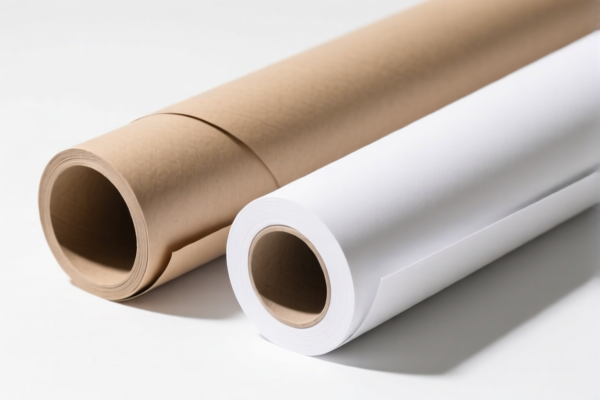
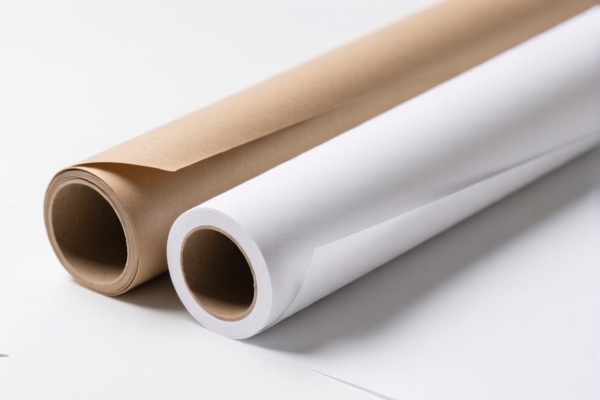
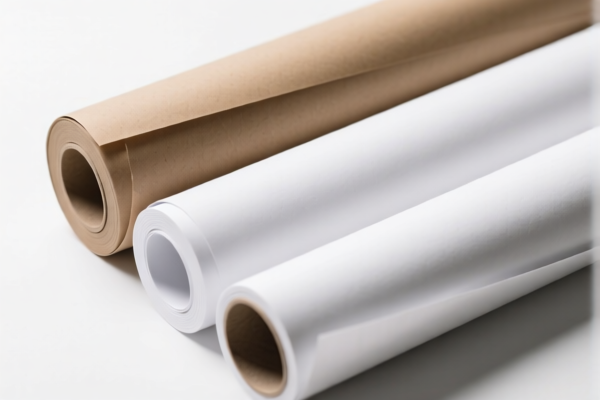
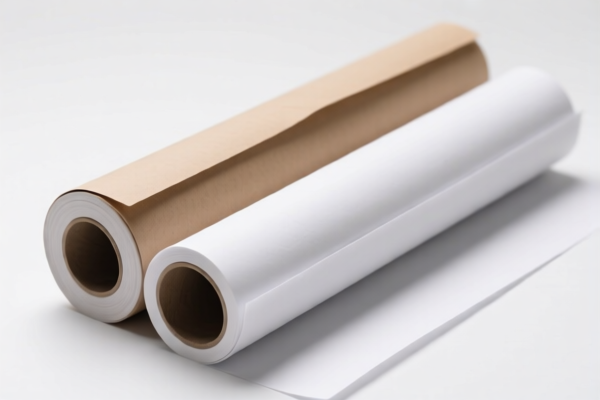
AI Analysis
📄 Paper for Writing, Printing or Other Graphic Uses
🌐 HS Code Reference & Customs Clearance Guide | 2026 Latest Tariff Analysis | Professional Entry Strategy
📌 Part I: Product Definition & Classification: What Exactly is "Paper" in International Trade?
Paper destined for writing, printing, or other graphic purposes is a broad category in international trade. It encompasses everything from plain office paper to specialized coated stocks. The critical distinction in classification lies in the material composition (coating) and the specific end-use, which directly impacts the applicable Harmonized System (HS) code and the resulting tax liability.
In the context of US imports from China, this category is heavily scrutinized due to Section 301 tariffs and Section 122 restrictions. Misclassification can lead to severe financial penalties and customs delays.
⚠️ Key Distinction Point:
- Uncoated Paper: Generally used for general writing, printing, or graphic purposes. Often falls under Chapter 48.02 or 48.05.
- Coated Paper: Treated with mineral pigments or other substances. Often falls under Chapter 48.10.
- Usage Consistency: If the paper is explicitly designed for a specific graphic purpose (e.g., specific weight/finish for covers or high-volume printing), it may trigger different sub-headings.
📦 Part II: HS Code Classification Details (2026 Latest Tariff Authority Match)
Based on the provided data, here is the precise mapping of "Paper for Writing, Printing or Other Graphic Uses" to the specific HS Codes and their rationales.
| HS Code | Product Description & Rationale | Material/Use Match |
|---|---|---|
4802.54.10.00 |
Uncoated Paper for Writing/Printing: Specifically identified for writing, printing, or other graphic purposes. Material is paper. | ✅ Perfect Match: General uncoated paper for graphic uses. |
4810.13.19.00 |
Coated Paper for Writing/Printing: Coated paper where material and usage are completely consistent with writing/printing/graphic purposes. | ✅ Perfect Match: Coated variant, fully aligned with use. |
4810.19.19.00 |
Other Coated Paper: Based on usage consistency for writing/printing/graphic purposes, but classified as "other" coated paper not specified in 4810.13. | ⚖️ Usage-Based Match: Coated paper, less specific sub-category than 4810.13. |
4802.56.10.00 |
Uncoated Paper (Cover Paper): Fits characteristics of writing and cover paper. Often used for book covers, business cards, etc. | ✅ Usage Match: Uncoated, but specific to cover/printing applications. |
4802.55.40.00 |
Uncoated Paper & Board for Printing: Specifically for printing purposes. Material is paper. | ✅ Usage Match: Uncoated, strictly for printing applications. |
🔍 Critical Insight:
- Coated vs. Uncoated: Codes starting with4810are coated; those starting with4802are uncoated.
- Tax Variance: The difference between4802.54.10.00(10% total tax) and4810.19.19.19.00(35% total tax) highlights why precise material description is vital. A "coated" product misclassified as "uncoated" could result in underpayment and penalties.
💰 Part III: 2026 Latest Tariff Rate Breakdown (Detailed Tax Clauses)
✅ Applicable Market: United States (US)
✅ Origin: China (CN)
✅ Effective Time: Current US-China Trade Regulations (Section 301 & Section 122)
The tax structure for paper from China involves three components: 1. Base Tariff (MFN): Often 0% for these paper categories. 2. Section 301 Additional Tariff: Typically 25% for many paper products. 3. Section 122 Tariff (USMCA Implementation): An additional 10% tariff imposed on certain Chinese goods, including specific paper products, effective November 2025.
🎯 1. 4802.54.10.00 — Uncoated Paper (Lowest Risk Tier)
| Item | Content |
|---|---|
| Base Tariff | 0% (ad valorem) |
| Section 301 Additional Tariff | 0% (Exempt or not applicable for this specific sub-code in current data) |
| Section 122 Tariff | +10% (Specific to this HS code for Chinese origin) |
| Total Tax Rate | 10.0% |
| Tax Calculation | CIF Value × 10% |
| De Minimis Exemption? | ❌ No (Section 122 tariffs are generally not eligible for de minimis exemption under current enforcement) |
| Legal Basis Path | 122条款:10% → USITC:4802.54.10.00 |
📌 Explanation:
- This is the most favorable classification for general uncoated paper.
- The 10% is solely due to Section 122.
- No 25% Section 301 tariff applies here, making it a cost-effective classification if the product physically matches.
🎯 2. 4810.13.19.00 — Coated Paper (Low Risk Tier)
| Item | Content |
|---|---|
| Base Tariff | 0% |
| Section 301 Additional Tariff | 0% |
| Section 122 Tariff | +10% |
| Total Tax Rate | 10.0% |
| Tax Calculation | CIF Value × 10% |
| De Minimis Exemption? | ❌ No |
| Legal Basis Path | 122条款:10% → USITC:4810.13.19.00 |
📌 Explanation:
- Despite being coated, this specific sub-code enjoys the same low rate as4802.54.10.00.
- Crucial: The product must be a coated paper with consistent writing/printing usage. Do not force this code if the paper is not coated.
🎯 3. 4810.19.19.00 — Other Coated Paper (High Risk Tier)
| Item | Content |
|---|---|
| Base Tariff | 0% |
| Section 301 Additional Tariff | +25% |
| Section 122 Tariff | +10% |
| Total Tax Rate | 35.0% |
| Tax Calculation | CIF Value × 35% |
| De Minimis Exemption? | ❌ No |
| Legal Basis Path | 301条款:25% + 122条款:10% → USITC:4810.19.19.00 |
📌 Explanation:
- This code attracts both Section 301 (25%) and Section 122 (10%) tariffs.
- High Cost: The 35% rate significantly impacts margin.
- Risk: Ensure the paper does not fit the more specific (and cheaper)4810.13.19.00code. If it does fit, misclassifying it here is unnecessary but harmless; however, misclassifying a4810.19.19.00product as4802.54.10.00is illegal and high-risk.
🎯 4. 4802.56.10.00 — Uncoated Cover Paper (High Risk Tier)
| Item | Content |
|---|---|
| Base Tariff | 0% |
| Section 301 Additional Tariff | +25% |
| Section 122 Tariff | +10% |
| Total Tax Rate | 35.0% |
| Tax Calculation | CIF Value × 35% |
| De Minimis Exemption? | ❌ No |
| Legal Basis Path | 301条款:25% + 122条款:10% → USITC:4802.56.10.00 |
📌 Explanation:
- Specifically for cover paper (e.g., book covers, business cards).
- Same 35% rate as the "other coated paper."
- Why higher? Cover papers often have special finishes or weights that trigger Section 301 inclusion.
🎯 5. 4802.55.40.00 — Uncoated Printing Paper (High Risk Tier)
| Item | Content |
|---|---|
| Base Tariff | 0% |
| Section 301 Additional Tariff | +25% |
| Section 122 Tariff | +10% |
| Total Tax Rate | 35.0% |
| Tax Calculation | CIF Value × 35% |
| De Minimis Exemption? | ❌ No |
| Legal Basis Path | 301条款:25% + 122条款:10% → USITC:4802.55.40.00 |
📌 Explanation:
- Specifically for printing (e.g., high-volume commercial printing paper).
- Same 35% rate.
- Note: Even though it is uncoated, the specific "printing" designation triggers the higher tariff bucket in this dataset.
🛠️ Part IV: Customs Clearance Practical Advice (Pitfall Avoidance Guide)
✅ 1. Documentation Checklist (Non-Negotiable)
| Document | Must Provide? | Explanation |
|---|---|---|
| ✅ Product Specification Sheet | ✔️ | Must detail: Weight (gsm), Finish (Matte/Glossy/Smooth), Coating Type (None/Mineral/Polymer), and Specific Use (Writing/Printing/Cover). |
| ✅ Material Composition Certificate | ✔️ | Proves whether the paper is coated or uncoated. Critical for distinguishing between 10% and 35% codes. |
| ✅ Commercial Invoice | ✔️ | Must clearly state: "Paper for Graphic Purposes" and reference the exact HS Code. |
| ✅ Packing List | ✔️ | Must match invoice. No discrepancies in weight or quantity. |
| ✅ Certificate of Origin (CO) | ✔️ | Required to prove Chinese origin for Section 122/301 assessment. |
✅ 2. Classification Strategy (Key Mantra)
🔥 "Coating Defines Base, Usage Defines Sub, Tariff Depends on Specificity!"
| Scenario | Correct Classification | Wrong Approach | Consequence |
|---|---|---|---|
| Plain White Office Paper | 4802.54.10.00 (10%) |
Misclassify as 4802.55.40.00 |
Overpayment (10% vs 35%) – Refund possible but slow. |
| Glossy Photo Paper | 4810.13.19.00 (10%) |
Misclassify as 4810.19.19.00 |
Overpayment (10% vs 35%) |
| Book Cover Cardstock (Uncoated) | 4802.56.10.00 (35%) |
Misclassify as 4802.54.10.00 |
Underpayment & Penalty (35% vs 10%) – High Audit Risk! |
| High-Quality Printing Paper | 4802.55.40.00 (35%) |
Misclassify as 4802.54.10.00 |
Underpayment & Penalty (35% vs 10%) – High Audit Risk! |
✅ 3. Special Case Handling
| Situation | Handling Advice |
|---|---|
| Hybrid Paper (e.g., Slightly Textured) | Provide lab test results. If texture is from fiber, it's likely 4802. If from coating, it's 4810. |
| OEM Custom Paper | Provide the buyer's specification sheet. If it says "Coated for High-Resolution Printing," it likely falls under 4810 or 4802.55. |
| Sample Imports | Even for samples, declare the correct HS Code. Misclassifying a sample to save on tax can taint future shipments. |
| Bundle Shipping (Paper + Ink) | Declare separately. Paper goes to Chapter 48, Ink to Chapter 32. Mixing them causes classification chaos. |
🌍 Part V: Global Market Comparison (2026 Latest)
| Country/Region | Recommended HS Code | Tariff Rate (China Origin) | Key Certification | Notes |
|---|---|---|---|---|
| 🇺🇸 USA | 4802.54.10.00 / 4810.13.19.00 |
10% (Best Case) | None for paper | Section 122 (10%) + Sec 301 (0% or 25%) applies. |
| 🇨🇳 China | Same HS Codes | 0% - 5% | None | Lower base tariffs, no US Section 301/122. |
| 🇪🇺 EU | Same HS Codes | 0% - 6.5% | CE (for related products) | No Section 122. Standard MFN rates apply. |
| 🇬🇧 UK | Same HS Codes | 0% - 6.5% | UKCA | Post-Brexit rates align closely with EU. |
| 🇦🇺 Australia | Same HS Codes | 0% - 5% | None | FTA may offer 0% if originating. |
📌 Conclusion:
- USA is the most complex market due to Section 122 and Section 301.
- Accuracy is Cost-Saving: A 25% difference between 10% and 35% is huge.
- No De Minimis: Do not rely on $800 exemption for paper shipments from China.
📌 Part VI: Common Mistakes & Pitfall Guide (Lessons Learned)
❌ Mistake 1: Calling all paper "Copy Paper"
👉 Consequence: If it's coated or specific cover stock, it may not fit 4802.54.10.00.
👉 Fix: Use technical terms: "Uncoated Offset Paper" vs. "Mineral-Coated Printing Paper."
❌ Mistake 2: Ignoring Section 122
👉 Consequence: Assuming 0% base tariff means 0% total tax.
👉 Fix: Always check for 122条款 (10%) in addition to 301.
❌ Mistake 3: Misclassifying "Cover Paper" as "General Writing Paper"
👉 Consequence: Avoids 25% Sec 301 but triggers customs audit for underpayment.
👉 Fix: If the paper is explicitly for covers, use 4802.56.10.00.
✅ Correct Declaration Example:
"Uncoated Woodfree Paper, 80gsm, for Office Printing, HS Code 4802.54.10.00, Origin China"
🎯 Part VII: Conclusion: Precision in Classification Saves Money!
🎯 Remember the Mantra:
🔹 "Coated or Uncoated? Writing or Cover? Tariff Depends on the Cover!"
🔹 "10% vs 35% is a 25% Gap, Wrong Code Means Big Gap!"
📌 Pro Tip:
If your paper is coated and intended for high-quality printing, verify if it fits 4810.13.19.00 (10%) rather than 4810.19.19.00 (35%). The difference is 25% of CIF value.
📣 Immediate Action:
📞 Contact a customs broker + Provide Material Spec Sheet + Apply for Advance Ruling if volume is high.
🚀 Let your paper clear smoothly, avoid audits, and maximize profit!
✨ Professional Customs Clearance Starts with Accurate Classification!
💼 Every percentage point saved is pure profit!
Customer Reviews
About HS Code Classification
The Harmonized System (HS) is an internationally standardized nomenclature developed by the World Customs Organization (WCO) to classify traded products. Over 200 countries use the HS system as the basis for customs tariffs, trade statistics, and import/export regulations.
Each HS code follows a hierarchical structure:
- Chapter (2 digits) — Broad category of goods (e.g., Chapter 84: Machinery and Mechanical Appliances)
- Heading (4 digits) — More specific grouping within the chapter
- Subheading (6 digits) — Internationally standardized breakdown, used by all WCO member countries
- National subdivisions (8-10 digits) — Country-specific extensions for further classification, such as US HTSUS 10-digit codes
Correct HS code classification is essential for smooth customs clearance, accurate duty payment, and compliance with trade regulations. Misclassification can lead to customs delays, overpayment of duties, or penalties.
When importing from CN to US, the applicable tariff rates may include:
- Most-Favored-Nation (MFN) rate — The standard duty rate applied to WTO members
- General rate — Applied to countries without trade agreements
- Trade remedy duties — Additional tariffs such as Section 301 (anti-dumping), Section 232 (national security), or countervailing duties
The information provided on this page is for reference purposes only. For official classification, please consult with your local customs authority or a licensed customs broker.