Papermaking Cotton Linters Pulp
CN → US| HS Code | Tariff Rate | Origin | Destination | Doc |
|---|---|---|---|---|
| 4706100000 | 35.0% | CN | US | Official Doc |
| 4706920100 | 35.0% | CN | US | Official Doc |
| 3912900090 | 40.2% | CN | US | Official Doc |
| 3912900010 | 40.2% | CN | US | Official Doc |
Product Images
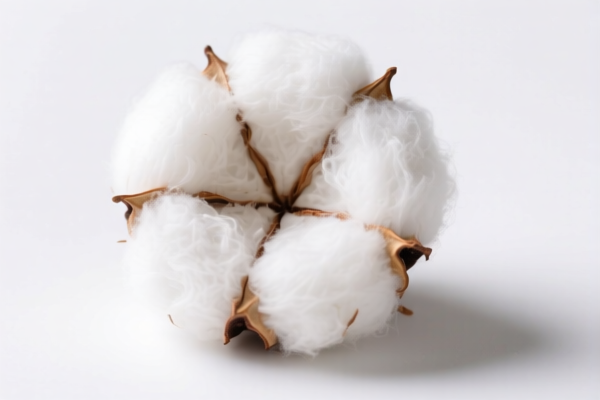
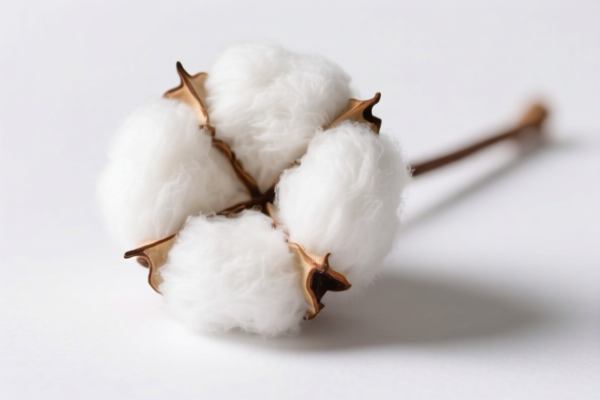
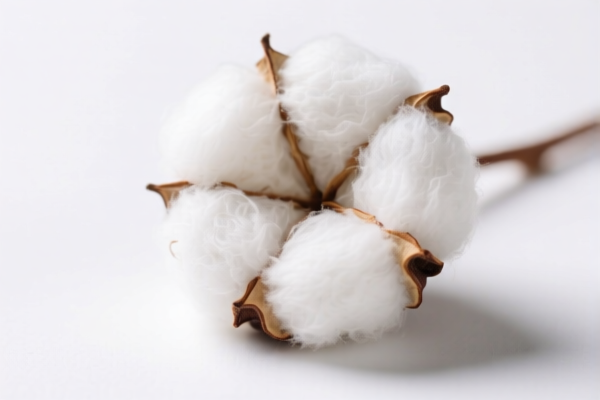
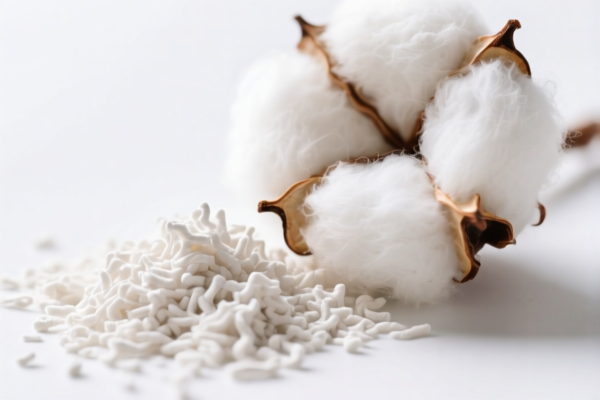
AI Analysis
🌿 Papermaking Cotton Linters Pulp (Cellulosic Pulp from Waste Paper & Pure Cellulose Derivatives)
🌐 HS Code Reference & Clearance Guide | 2026 Latest Tariff Full Analysis | Professional Customs Strategy
📌 I. Product Definition & Classification: What Exactly is "Cotton Linters Pulp"?
Cotton Linters Pulp refers to cellulose fibers extracted from the short fibers (linters) attached to cotton seeds, or more broadly in trade contexts, pulp derived from recovered paper, paperboard, or other fibrous cellulosic materials that meet specific chemical or mechanical processing standards.
In international trade classification, this product falls into two distinct categories based on its origin and processing method:
- Primary Form Pulp: Fibers derived from recovered (waste/scrap) paper or other fibrous materials, specifically identified as "Cotton linters pulp" due to high purity.
- Chemical Derivatives/Refined Cellulose: Highly purified α-cellulose or chemical pulp derivatives in primary forms (granular, microcrystalline, powdered).
⚠️ Key Distinction:
- If the product is mechanical or semi-chemical pulp from waste paper but classified under the specific heading for "Cotton linters pulp," it falls under 4706.10.00.00.
- If it is chemical pulp from recovered paper or other fibrous material, it falls under 4706.92.01.00.
- If it is chemically processed cellulose (e.g., α-cellulose in granular/powdered form), it is classified under 3912.90.00.10 or 3912.90.00.90.
📦 II. HS Code Classification Details (2026 Latest Tariff Authority Cross-Reference)
| HS Code | Product Description | Application Scenario | Key Characteristics |
|---|---|---|---|
4706.10.00.00 |
Pulps of fibers derived from recovered paper/board or other fibrous cellulosic material: Cotton linters pulp | High-purity pulp from cotton seeds or recycled paper specifically identified as cotton-based | ✅ Mechanical/Semi-chemical process; High lint content |
4706.92.01.00 |
Pulps of fibers derived from recovered paper/board or other fibrous cellulosic material: Other: Chemical | Chemically treated pulp from waste paper or other fibers (not cotton-specific) | ✅ Chemical digestion process (Kraft, Sulfite, etc.) |
3912.90.00.10 |
Cellulose and its chemical derivatives, not elsewhere specified or included, in primary forms: Other: α-Cellulose in granular, microcrystalline or powdered forms | Refined cellulose for pharmaceuticals, food additives, or specialized industrial uses | ✅ High purity; Primary form (powder/granule); Not a pulp but a derivative |
3912.90.00.90 |
Cellulose and its chemical derivatives, not elsewhere specified or included, in primary forms: Other: Other | Other cellulose derivatives (e.g., methylcellulose, carboxymethyl cellulose) in primary forms | ✅ Chemical derivative; Primary form; General category |
🔍 Key Reminder:
- "Pulp" (4706) refers to fibrous material used for papermaking or further processing.
- "Cellulose Derivatives" (3912) refers to chemically modified cellulose in primary forms (not for papermaking directly).
- Misclassification Risk: Declaring "α-cellulose powder" as "Pulp" can lead to inspection delays because the physical form (powder vs. fiber) differs significantly.
💰 III. 2026 Latest Tariff Rate Details (Including Surtaxes, Policy Add-ons)
✅ Applicable Country: United States (US)
✅ Origin: China (CN)
✅ Effective Date: 2025/2026 (Current Trade Policies)
🎯 1. 4706.10.00.00 —— Cotton Linters Pulp (Recovering/Paper-based)
| Item | Content |
|---|---|
| Base Tariff | 0% (ad valorem) |
| USITC Surtax (Section 301) | 0% |
| IEEPA Surtax (China-specific) | 0% |
| Total Tariff | 0% |
| Tax Calculation | CIF Value × 0% = $0 |
| De Minimis Eligibility | ✅ Yes (If value < $800, may enter under Section 321, but bulk imports subject to standard clearance) |
| Legal Basis Path | HTSUS:4706.10.00 → No Section 301/IEEPA footnotes for this specific subheading |
📌 Explanation:
- This specific subheading for "Cotton linters pulp" from recovered materials currently enjoys zero tariffs under US trade policies.
- This makes it highly competitive for importers sourcing high-purity pulp from China.
- Note: Despite the 0% rate, standard anti-dumping or countervailing duty investigations may apply if specific manufacturers are targeted. Always verify the exporter.
🎯 2. 4706.92.01.00 —— Chemical Pulp from Recovered Paper/Fibers
| Item | Content |
|---|---|
| Base Tariff | 0% |
| USITC Surtax (Section 301) | +25% |
| IEEPA Surtax (China-specific) | 0% (Included in the 25% or separate, but total is 25%) |
| Total Tariff | 25% |
| Tax Calculation | CIF Value × 25% |
| De Minimis Eligibility | ❌ No (Subject to high tariff; Section 321 may not apply if duty exceeds de minimis threshold effectively) |
| Legal Basis Path | HTSUS:4706.92.01 → USITC:4706.92.01.00 → FOOTNOTE:9903.88.01 (Section 301) |
📌 Note:
- This falls under Section 301 List 4, which carries a 25% additional duty on Chinese imports.
- Even though the base tariff is 0%, the 25% surtax significantly increases landed cost.
- Critical: Ensure the product description clearly states "Chemical Pulp" to avoid being misclassified under cheaper headings, which could trigger fraud investigations.
🎯 3. 3912.90.00.10 & 3912.90.00.90 —— Cellulose Derivatives (Primary Forms)
| Item | Content |
|---|---|
| Base Tariff | 0% |
| USITC Surtax (Section 301) | 0% |
| IEEPA Surtax (China-specific) | 0% |
| Total Tariff | 0% |
| Tax Calculation | CIF Value × 0% = $0 |
| De Minimis Eligibility | ✅ Yes (For small parcels; bulk subject to standard clearance) |
| Legal Basis Path | HTSUS:3912.90.00 → No Section 301/IEEPA footnotes for these subheadings |
📌 Explanation:
- Cellulose derivatives in primary forms (like α-cellulose powder) are not subject to Section 301 tariffs.
- This is a significant advantage for importing high-purity cellulose for non-paper industries (e.g., pharmaceuticals, coatings).
- Caution: Ensure the product is truly a "derivative" or "primary form" and not just "pulp." Misdeclaring pulp as cellulose derivative to avoid taxes is a common red flag for CBP.
🛠️ IV. Customs Clearance Practical Advice (Real-World Pitfall Avoidance Guide)
✅ 1. Preparation Checklist (Mandatory)
| Document | Required? | Description |
|---|---|---|
| ✅ Product Specification Sheet | ✔️ | Details fiber length, purity, chemical treatment process (Chemical vs. Mechanical) |
| ✅ Certificate of Origin (CO) | ✔️ | Essential for proving origin (China vs. Other) to apply correct surtax |
| ✅ Commercial Invoice | ✔️ | Must clearly state "Pulp" or "Cellulose Derivative" and HS Code |
| ✅ Packing List | ✔️ | Show net/gross weight, packaging type (bales, drums, bags) |
| ✅ Third-Party Test Report | ✔️ | For 3912 codes: Prove it is α-cellulose or derivative, not raw pulp |
| ✅ Bill of Lading/Air Waybill | ✔️ | Standard shipping documents |
✅ 2. Declaration Techniques (Key Mnemonics)
🔥 "Pulp is Fibers, Cellulose is Powder/Granule; 4706 has Surtax, 3912 is Tax-Free!"
| Scenario | Correct Declaration | Wrong Action |
|---|---|---|
| High-purity pulp from cotton waste | 4706.10.00.00 |
Misdeclare as 4706.92 → Pay 25% extra |
| Chemical pulp from mixed waste paper | 4706.92.01.00 |
Misdeclare as 4706.10 → Avoid 25% tax → High Risk of Penalty |
| α-Cellulose Powder for Pharma | 3912.90.00.10 |
Misdeclare as Pulp → Delayed clearance due to physical mismatch |
| Methylcellulose Granules | 3912.90.00.90 |
Misdeclare as Cellulose Powder → Wrong subheading → Potential audit |
✅ 3. Special Cases Handling
| Situation | Handling Advice |
|---|---|
| Mixed Shipments | Separate "Pulp" (4706) and "Cellulose Derivatives" (3912) on different invoices/entries to avoid confusion |
| OEM Custom Pulp | Provide customer specifications showing it meets "Cotton Linters" definition for 4706.10 |
| Small Samples (De Minimis) | Under $800, may enter via Section 321, but ensure no Section 301 items are mixed in |
| Anti-Dumping Concerns | Check if the specific Chinese manufacturer is on the Anti-Dumping list for pulp products. Even with 0% tariff, AD/CVD may apply. |
🌍 V. Global Major Market Clearance Comparison (2026 Latest)
| Country/Region | Recommended HS Code | Tariff (China Origin) | Certification Requirements | Notes |
|---|---|---|---|---|
| 🇺🇸 United States | 4706.10.00.00 / 3912.90.00.10 |
0% (Pulp/Cel. Deriv.) 25% (Chem. Pulp 4706.92) |
No special certs for pulp | Section 301 applies to 4706.92 only |
| 🇨🇳 China (Export) | 4706.10.00.00 |
0% | Export license may be required | Domestic tax rebates available |
| 🇪🇺 European Union | 4706.10 / 3912.90 |
0% - 6.5% | REACH Registration required for derivatives | No Section 301 equivalent |
| 🇦🇺 Australia | 4706.10.00.00 |
5% | No special certs | FTAs may reduce rates |
| 🇯🇵 Japan | 4706.10.00.00 |
0% - 3.2% | JIS Standards for pulp | FTAs may reduce rates |
📌 Conclusion:
- USA is the most critical market for tariff strategy due to Section 301.
-4706.92.01.00(Chemical Pulp) is the only item in the list with a 25% surtax in the US.
-4706.10and3912are tax-free in the US, making them highly attractive for importers.
- Global Harmonization: HS codes are similar across regions, but tariff rates and surtaxes vary significantly.
📌 VI. Common Errors & Pitfall Guide (Blood-Teaching Lessons)
❌ Error 1: Declaring "Chemical Pulp" (4706.92) as "Cotton Linters Pulp" (4706.10) to save 25%
👉 Consequence: CBP audit, seizure, fines, and loss of import privileges.
Truth: Physical and chemical analysis will reveal the difference.
❌ Error 2: Declaring "Pulp" as "Cellulose Derivative" (3912) to avoid 25% tax
👉 Consequence: Inspection delay, rejection, and penalty. Pulp is fibrous; derivatives are powdered/granular.
Truth: CBP inspectors check physical form.
❌ Error 3: Ignoring Anti-Dumping/Countervailing Duties (AD/CVD)
👉 Consequence: Even with 0% base tariff, AD/CVD can be 100%+ for specific Chinese manufacturers.
Truth: Always check the USTR AD/CVD list for the specific exporter.
❌ Error 4: Mislabeling "Recovered Paper" as "Virgin Pulp"
👉 Consequence: False declaration, legal liability.
Truth: The HS code 4706 explicitly refers to recovered/waste materials. If it's virgin cotton linters, it might be classified under 4704 (Wood pulp) or 5003 (Cotton waste) depending on purity.
✅ Correct Practice:
"Cotton Linters Pulp, 100% Cellulose, High Brightness, Mechanically Processed from Recovered Cotton Waste, HS 4706.10.00.00, Made in China"
🎯 VII. Conclusion: Professional Declaration, Save Time, Reduce Cost!
🎯 Remember Mnemonics:
🔹 "Pulp is Fibers, Cellulose is Powder"
🔹 "4706.10 is 0%, 4706.92 is 25%, 3912 is 0%"
🔹 "Check AD/CVD, Even if Tax is Zero!"
📌 Tips:
- If your Cotton Linters Pulp is sourced from non-China countries (e.g., India, Brazil), tariffs may be lower or exempt under specific FTAs.
- For high-value cellulose derivatives (3912), ensure you have REACH registration if exporting to Europe.
- Recommendation: Apply for a Binding Tariff Information (BTI) or Advance Ruling from CBP if the product boundary between "Pulp" and "Derivative" is blurry.
📣 Take Action Now:
📞 Consult a licensed customs broker + Provide Product Photos + Request HS Code Pre-Ruling
🚀 Ensure smooth clearance, efficient overseas trade, and profit maximization!
✨ Professional Customs Clearance Starts with Accurate Classification!
💼 Your Every Dollar of Cost Deserves Precision!
Customer Reviews
About HS Code Classification
The Harmonized System (HS) is an internationally standardized nomenclature developed by the World Customs Organization (WCO) to classify traded products. Over 200 countries use the HS system as the basis for customs tariffs, trade statistics, and import/export regulations.
Each HS code follows a hierarchical structure:
- Chapter (2 digits) — Broad category of goods (e.g., Chapter 84: Machinery and Mechanical Appliances)
- Heading (4 digits) — More specific grouping within the chapter
- Subheading (6 digits) — Internationally standardized breakdown, used by all WCO member countries
- National subdivisions (8-10 digits) — Country-specific extensions for further classification, such as US HTSUS 10-digit codes
Correct HS code classification is essential for smooth customs clearance, accurate duty payment, and compliance with trade regulations. Misclassification can lead to customs delays, overpayment of duties, or penalties.
When importing from CN to US, the applicable tariff rates may include:
- Most-Favored-Nation (MFN) rate — The standard duty rate applied to WTO members
- General rate — Applied to countries without trade agreements
- Trade remedy duties — Additional tariffs such as Section 301 (anti-dumping), Section 232 (national security), or countervailing duties
The information provided on this page is for reference purposes only. For official classification, please consult with your local customs authority or a licensed customs broker.