Paraffin Coating Additive
CN → US| HS Code | Tariff Rate | Origin | Destination | Doc |
|---|---|---|---|---|
| 2712902000 | 35.0% | CN | US | Official Doc |
| 2712200000 | 17.5% | CN | US | Official Doc |
| 3402422050 | 39.0% | CN | US | Official Doc |
| 3402422010 | 39.0% | CN | US | Official Doc |
| 3824994900 | 41.5% | CN | US | Official Doc |
Product Images
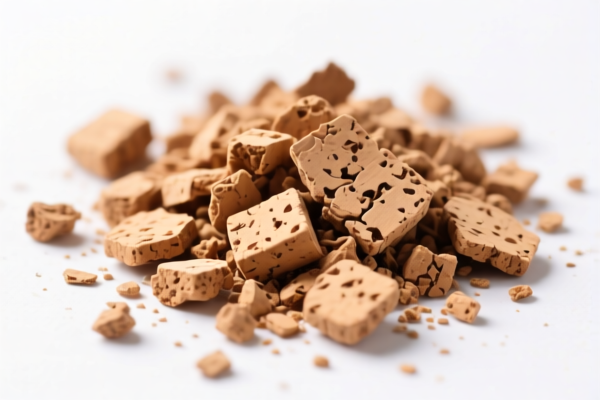
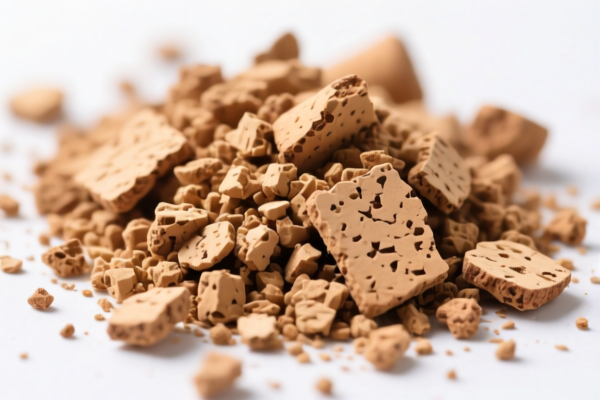
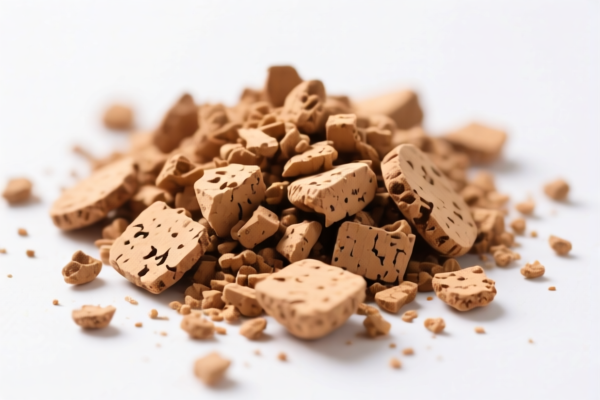
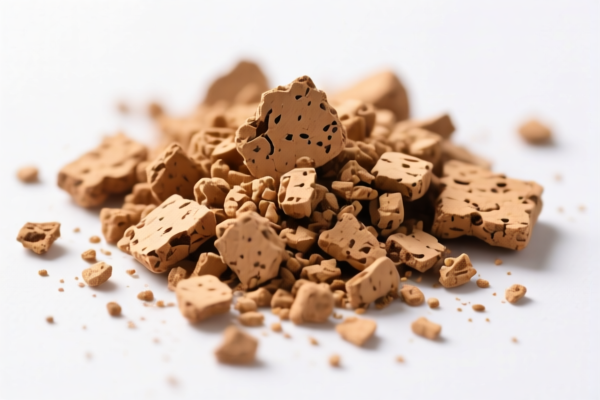
AI Analysis
🕯️ Paraffin Coating Additive (石蜡涂层添加剂)
🌐 HS Code Reference & Customs Clearance Guide | 2026 Latest Tariff Analysis | Professional Compliance Strategy
📌 I. Product Definition & Classification: What is "Paraffin Coating Additive"?
Paraffin Coating Additives are specialized chemical mixtures used primarily in the paper, textile, or packaging industries to impart water resistance, lubricity, and shine to surfaces. The core component is Paraffin Wax (a hydrocarbon derived from petroleum), modified with Surfactants to create stable emulsions or dispersions.
In international trade, the classification hinges on two critical factors: 1. Core Material: Is it primarily considered a mineral wax (Chapter 27) or a prepared chemical/emulsifier (Chapter 38)? 2. Function: Is it acting as a standalone wax product or as a surface-active agent/emulsifier?
⚠️ Key Classification Dilemma:
- If viewed strictly as a mineral wax derivative, it falls under Chapter 27 (Mineral Fuels, Oils, Waxes).
- If viewed as a prepared emulsifier/surfactant, it falls under Chapter 34 (Surface Active Agents) or Chapter 38 (Miscellaneous Chemical Products).
- Crucial Insight: The presence of "Surfactant" in the name strongly pushes classification toward Chapter 34 or 38, as these chapters cover "preparations" where the base material (paraffin) is chemically or physically modified for a specific technical function beyond simple lubrication.
📦 II. HS Code Classification Details (2026 Latest Tariff Authority Comparison)
Based on the provided data, there are five potential HS Codes with varying tax liabilities. Here is the detailed breakdown:
| HS Code | Product Description | Basis for Matching | Total Tax Rate | Key Tax Components |
|---|---|---|---|---|
| 2712.90.20.00 | Paraffin & Other Waxes (Other) | Material Focus: Fits the category of "Paraffin products." Since the form is not explicitly defined as a simple wax block, it fits the "Other" category under mineral waxes. No material conflict. | 35.0% | Base: 0% Section 301: 25.0% Section 122: 10.0% |
| 2712.20.00.00 | Paraffin Wax (Crude/Refined) | Core Attribute: Matches "Paraffin" as the core material. Surfactants are additives that do not change the mineral wax nature. This is the most direct fit for pure paraffin. | 17.5% | Base: 0% Section 301: 7.5% Section 122: 10.0% |
| 3402.42.20.50 | Surface Active Agents (Other) | Material Source: Paraffin is a fat-like substance (hydrocarbon chain). Fits "Animal, Vegetable, or Microbial origin fatty substances" broadly. Classified under "Other" due to lack of specific chemical structure match. | 39.0% | Base: 4.0% Section 301: 25.0% Section 122: 10.0% |
| 3402.42.20.10 | Surface Active Agents (Ethoxylated) | Functional Match: "Surfactant" matches the use category. "Paraffin" is treated as a fatty substance (hydrocarbon). Compatible with polyether-like chemical properties in this context. | 39.0% | Base: 4.0% Section 301: 25.0% Section 122: 10.0% |
| 3824.99.49.00 | Prepared Binders / Chemical Mixtures | Chemical Preparation: Fits "Chemical industry preparations." Core component (paraffin) is hydrocarbon-based. Fits "Mixtures composed wholly or partly of hydrocarbons" from petroleum/gas. | 41.5% | Base: 6.5% Section 301: 25.0% Section 122: 10.0% |
🔍 Critical Analysis:
- Lowest Tax Option: 2712.20.00.00 at 17.5% is the most tax-efficient if the product is primarily recognized as a refined paraffin wax, even with additives.
- Highest Tax Option: 3824.99.49.00 at 41.5% due to a higher base tariff (6.5%) plus full additional duties.
- Middle Ground (Function-Based): Codes 3402.42.20.50 and 3402.42.20.10 sit at 39.0%. These are risky if customs determines the primary function is lubrication (Chapter 27) rather than emulsification (Chapter 34).
💰 III. 2026 Latest Tariff Rate Breakdown (Including Surtaxes & Policy Add-ons)
✅ Applicable Country: United States (US)
✅ Origin: China (CN)
✅ Effective Date: Post-November 2025 (Including subsequent imports)
🎯 1. 2712.20.00.00 —— Paraffin Wax (Lowest Tax Tier)
| Item | Detail |
|---|---|
| Base Tariff | 0% (ad valorem) |
| USITC Surtax (Sec 301) | +7.5% (Footnote 9903.01.02) |
| IEEPA Surtax (Sec 122) | +10% (Targeting China/HK) |
| Total Rate | 17.5% |
| Calculation | CIF Value × 17.5% |
| De Minimis Eligibility | ❌ Denied (Subject to high additional duties) |
| Legal Path | IEEPA:9903.01.02 → USITC:2712.20.00.00 → FOOTNOTE:9903.01.02 |
📌 Interpretation:
- This code is favorable because the base tariff is 0%.
- The Section 301 rate is only 7.5% (compared to 25% for other categories).
- Strategy: If the product is >90% paraffin wax, argue for this classification to save ~20% in taxes compared to Chapter 34/38 options.
🎯 2. 2712.90.20.00 —— Other Waxes (Medium-High Tax)
| Item | Detail |
|---|---|
| Base Tariff | 0% |
| USITC Surtax (Sec 301) | +25% |
| IEEPA Surtax (Sec 122) | +10% |
| Total Rate | 35.0% |
| Calculation | CIF Value × 35.0% |
| De Minimis Eligibility | ❌ Denied |
| Legal Path | IEEPA:9903.01.25 → USITC:2712.90.20.00 → FOOTNOTE:9903.88.01 |
📌 Interpretation:
- While base tariff is 0%, the 25% Section 301 surtax makes this expensive.
- Used when the wax is not "Paraffin" specifically but a mixture or other mineral wax.
🎯 3. 3402.42.20.10 & 3402.42.20.50 —— Surface Active Agents (High Tax)
| Item | Detail |
|---|---|
| Base Tariff | 4.0% |
| USITC Surtax (Sec 301) | +25% |
| IEEPA Surtax (Sec 122) | +10% |
| Total Rate | 39.0% |
| Calculation | CIF Value × 39.0% |
| De Minimis Eligibility | ❌ Denied |
| Legal Path | IEEPA:9903.01.25 → USITC:3402.42.20.xx → FOOTNOTE:9903.88.01 |
📌 Interpretation:
- The 4% base tariff adds significant cost on top of the 25% surtax.
- This classification is risky if the product is primarily a wax lubricant rather than a detergent/emulsifier.
🎯 4. 3824.99.49.00 —— Miscellaneous Chemical Preparations (Highest Tax)
| Item | Detail |
|---|---|
| Base Tariff | 6.5% |
| USITC Surtax (Sec 301) | +25% |
| IEEPA Surtax (Sec 122) | +10% |
| Total Rate | 41.5% |
| Calculation | CIF Value × 41.5% |
| De Minimis Eligibility | ❌ Denied |
| Legal Path | IEEPA:9903.01.25 → USITC:3824.99.49.00 → FOOTNOTE:9903.88.01 |
📌 Interpretation:
- This is the most expensive option due to the 6.5% base tariff + 25% surtax.
- Only use if the product is a complex mixture that doesn’t fit neatly into Waxes (27) or Surfactants (34).
🛠️ IV. Customs Clearance Practical Advice (Field Hacks & Pitfall Avoidance)
✅ 1. Documentation Checklist (Non-Negotiable)
| Document | Required? | Description |
|---|---|---|
| ✅ Product Specification Sheet | ✔️ | Must detail % of Paraffin, type of Surfactant, and physical state (liquid/solid). |
| ✅ MSDS (SDS) | ✔️ | Critical for hazard classification and confirming chemical nature. |
| ✅ Formula Breakdown | ✔️ | Proves the primary function (Wax vs. Emulsifier). |
| ✅ Commercial Invoice | ✔️ | Must clearly state "Paraffin Coating Additive" and NOT just "Wax" or "Chemical." |
| ✅ Certificate of Origin | ✔️ | Essential for calculating Section 122 (IEEPA) surtax. |
| ✅ Packing List | ✔️ | Net/Gross weight details for customs valuation. |
✅ 2. Declaration Strategy (Key Mnemonics)
🔥 "Function Dictates Chapter, Wax Saves Taxes!"
| Scenario | Recommended HS Code | Risk |
|---|---|---|
| Primary Function: Lubrication/Coating Wax | 2712.20.00.00 (17.5%) |
LOW TAX. Argue that surfactants are minor additives preserving the wax nature. |
| Primary Function: Emulsification/Detergency | 3402.42.20.10 (39.0%) |
HIGH TAX. Only if >50% of value/utility is the surfactant action. |
| Complex Chemical Mixture | 3824.99.49.00 (41.5%) |
HIGHEST TAX. Avoid unless no other fit exists. |
| Other Mineral Wax | 2712.90.20.00 (35.0%) |
HIGH TAX. Only if not classified as Paraffin specifically. |
📌 Crucial Tip:
- If you declare as2712.20.00.00, be prepared to prove that the paraffin content is dominant and the surfactant does not transform the product into a "surface active preparation" under Chapter 34.
- Avoid declaring as3824unless you have no other choice; the 6.5% base tax is a hidden cost killer.
✅ 3. Special Case Handling
| Situation | Handling Advice |
|---|---|
| Liquid Emulsion Form | Still eligible for 2712.20.00.00 if paraffin is the main component. Do NOT let customs classify as 3402 just because it's liquid. |
| High Surfactant Content (>30%) | Risk of reclassification to 3402. Consider reducing surfactant % or reformulating if possible. |
| OEM Custom Blend | Provide client’s specification sheet to justify the primary function. |
| Mixed Container | Ensure separate HS Codes for paraffin additives vs. other chemicals to avoid cross-contamination of duty rates. |
🌍 V. Global Market Comparison (2026 Latest)
| Country/Region | Recommended HS Code | Tariff (China Origin) | Certification Req. | Notes |
|---|---|---|---|---|
| 🇺🇸 USA | 2712.20.00.00 |
17.5% (Best Case) | SDS, OSHA Compliant | Highest Risk: Aggressive customs scrutiny on "Wax vs. Chemical." |
| 🇨🇳 China | 2712.20.00.00 |
5% (Base) + 0% Surtax | CCC (if applicable) | No Section 301/122. |
| 🇪🇺 EU | 2712.90.20.00 |
6.5% (Base) | REACH Registration | EU uses different subheadings; check EORI compliance. |
| 🇦🇺 Australia | 2712.20.00.00 |
5% | AICIS Compliance | No Section 301 equivalent. |
| 🇯🇵 Japan | 2712.20.00.00 |
6.6% | CSCL/Chemical Substances Control Law | No Section 301. |
📌 Conclusion:
- The USA is the most complex market due to the layered surtaxes (Section 301 + Section 122).
- Optimization Strategy: Aggressively defend the2712.20.00.00classification to save 20-25% in taxes compared to Chapter 34/38 options.
- China/EU/Japan/Australia have significantly lower and simpler tax structures for this product.
📌 VI. Common Mistakes & Pitfall Guide (Blood Lessons)
❌ Mistake 1: Declaring "Paraffin Additive" as 3824.99.49.00 without justification.
👉 Consequence: 41.5% tax instead of 17.5%. Overpayment of 24%!
❌ Mistake 2: Declaring as 3402.42.20.10 when the product is primarily wax.
👉 Consequence: 39.0% tax. High base tax (4%) + 25% surtax. Unnecessary cost.
❌ Mistake 3: Ignoring the "Surfactant" component in the description.
👉 Consequence: Customs may suspect hidden chemical hazards or misclassification. Declare accurately to build trust and allow for proper risk assessment.
❌ Mistake 4: Failing to provide an SDS (Safety Data Sheet).
👉 Consequence: Delayed clearance, potential fines, or forced reclassification by CBP.
✅ Correct Action:
"Paraffin Wax Emulsion for Paper Coating, 60% Paraffin, 40% Surfactant Additive, Non-Hazardous, MSDS Attached"
🎯 VII. Conclusion: Professional Declaration, Cost Savings, Risk Reduction
🎯 Remember the Golden Rule:
🔹 "Wax is King, Surfactant is Queen: If Wax Dominates, Stay in Ch27!"
🔹 "Chapter 27 saves 20% vs Chapter 34/38. Don't let 'Surfactant' scare you into high taxes."
🔹 "Always have your SDS and Formula ready for CBP scrutiny."
📌 Pro Tip:
If your paraffin additive is highly modified with synthetic polymers, consider consulting a customs broker for a Pre-Ruling (Prelinary Determination). This locks in the correct HS Code and prevents post-entry audits and penalties.
📣 Immediate Action:
📞 Contact a certified customs broker + Provide SDS + Justify Paraffin Dominance
🚀 Clear your Paraffin Coating Additives smoothly, save taxes, and boost margins!
✨ Professional Clearance Starts with Accurate Classification!
💼 Every percentage point of duty saved is pure profit!
Customer Reviews
About HS Code Classification
The Harmonized System (HS) is an internationally standardized nomenclature developed by the World Customs Organization (WCO) to classify traded products. Over 200 countries use the HS system as the basis for customs tariffs, trade statistics, and import/export regulations.
Each HS code follows a hierarchical structure:
- Chapter (2 digits) — Broad category of goods (e.g., Chapter 84: Machinery and Mechanical Appliances)
- Heading (4 digits) — More specific grouping within the chapter
- Subheading (6 digits) — Internationally standardized breakdown, used by all WCO member countries
- National subdivisions (8-10 digits) — Country-specific extensions for further classification, such as US HTSUS 10-digit codes
Correct HS code classification is essential for smooth customs clearance, accurate duty payment, and compliance with trade regulations. Misclassification can lead to customs delays, overpayment of duties, or penalties.
When importing from CN to US, the applicable tariff rates may include:
- Most-Favored-Nation (MFN) rate — The standard duty rate applied to WTO members
- General rate — Applied to countries without trade agreements
- Trade remedy duties — Additional tariffs such as Section 301 (anti-dumping), Section 232 (national security), or countervailing duties
The information provided on this page is for reference purposes only. For official classification, please consult with your local customs authority or a licensed customs broker.