Paraffin Plasticizer
CN → US| HS Code | Tariff Rate | Origin | Destination | Doc |
|---|---|---|---|---|
| 2712200000 | 17.5% | CN | US | Official Doc |
| 3824992100 | 35.0% | CN | US | Official Doc |
| 3824994900 | 41.5% | CN | US | Official Doc |
| 2712902000 | 35.0% | CN | US | Official Doc |
| 3824994900 | 41.5% | CN | US | Official Doc |
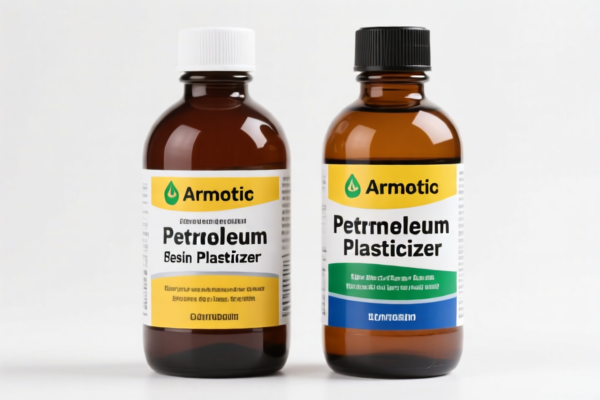
Product Images


AI Analysis
🧪 Paraffin Plasticizer (石蜡塑料助剂)
🌐 HS Code Classification & Customs Clearance Guide | 2026 Tariff Analysis for US Imports from China
📌 I. Product Definition & Chemical Nature: What Exactly is "Paraffin Plasticizer"?
Paraffin plasticizers, also known as Paraffin-based Plastic Additives or Paraffin Emulsifiers, are specialized chemical agents used primarily in the plastics, rubber, and adhesive industries. Their main function is to improve flexibility, processing performance, and surface finish of polymer materials.
Depending on the chemical composition, manufacturing process, and specific application, these products fall into different categories under the Harmonized System (HS):
- Mineral Wax Derivatives: If the product is essentially refined paraffin wax (hydrocarbon mixture) used directly as a plasticizing agent or mold release agent, it falls under Chapter 27 (Mineral Fuels, Oils and Distillation Products).
- Chemical Preparations: If the paraffin is mixed with other organic compounds, surfactants, or emulsifiers to form a specific formulation (e.g., paraffin emulsion for PVC processing), it falls under Chapter 38 (Miscellaneous Chemical Products).
⚠️ Critical Distinction Point:
- Pure/Refined Paraffin → Chapter 27 (2712.xx)
- Formulated Chemical Mixtures/Emulsions → Chapter 38 (3824.xx)
- Misclassification Risk: Importing a formulated emulsion as "pure paraffin" can lead to customs audits, penalties, and significant tax differences (up to 24%).
📦 II. HS Code Classification Details (2026 Latest Tariff Schedule)
| HS Code | Product Description | Application Scenario | Key Composition |
|---|---|---|---|
2712.20.00.00 |
Paraffin Wax Plasticizer (Mineral Wax Derivative) | Direct use of refined paraffin in plastics; basic lubrication/release agents | Pure mineral wax/hydrocarbons |
2712.90.20.00 |
Other Mineral Waxes & Similar Products (Paraffin Plasticizer) | Other unclassified paraffin-based plastic aids not specifically listed elsewhere | Refined paraffin variants |
3824.99.21.00 |
Chemical Preparations (Paraffin Plasticizer Additive) | Chemical industry additives; paraffin mixed with other chemical agents for plastic processing | Hydrocarbons + chemical additives |
3824.99.49.00 |
Paraffin Emulsifier / Plastic Plasticizer | Chemical preparations/emulsions containing hydrocarbons or organic compounds for plastic/rubber | Paraffin emulsion, surfactant blends |
3824.99.49.00 |
Paraffin Emulsifier (Hydrocarbon-based) | Core component is hydrocarbon-based emulsifier for industrial applications | Hydrocarbon emulsions |
🔍 Key Reminder:
- If the product is a simple refined paraffin, it belongs to Chapter 27 (Lower Base Tariff).
- If it is a formulated mixture, emulsion, or preparation, it belongs to Chapter 38 (Higher Base Tariff + Higher Section 301 Duties).
- The phrase "Plastic Additive" or "Emulsifier" strongly suggests Chapter 38.
💰 III. 2026 Latest Tariff Rate Breakdown (US Imports from China)
✅ Country of Origin: United States (US)
✅ Source Country: China (CN)
✅ Effective Date: November 10, 2025 (and subsequent imports)
🎯 1. 2712.20.00.00 & 2712.90.20.00 —— Mineral Wax Derivatives
| Item | Details |
|---|---|
| Base Tariff | 0.0% (Ad valorem) |
| Section 301 Tariff | +25.0% (Additional duties under USITC Footnote 9903.88.01) |
| 122-Clause Tariff | +10.0% (Under Section 122 of the Trade Expansion Act, applicable to China) |
| Total Tariff Rate | 35.0% |
| Tax Calculation | CIF Value × 35% |
| De Minimis Exemption | ❌ Not Eligible (deny_de_minimis) |
| Legal Basis Path | USITC:2712.20.00.00 → FOOTNOTE:9903.88.01 + Section 122:10% |
📌 Explanation:
- These codes have a 0% base duty but are subject to 25% Section 301 tariffs and 10% Section 122 tariffs.
- Total 35% is significantly lower than Chapter 38 alternatives.
- Crucial: Only applies if the product is pure refined paraffin or simple mineral wax derivatives.
🎯 2. 3824.99.21.00 —— Chemical Preparations (Plastic Additives)
| Item | Details |
|---|---|
| Base Tariff | 0.0% (Ad valorem) |
| Section 301 Tariff | +25.0% |
| 122-Clause Tariff | +10.0% |
| Total Tariff Rate | 35.0% |
| Tax Calculation | CIF Value × 35% |
| De Minimis Exemption | ❌ Not Eligible |
| Legal Basis Path | USITC:3824.99.21.00 → FOOTNOTE:9903.88.01 + Section 122:10% |
📌 Note:
- Although the base tariff is 0%, the Section 301 + Section 122 duties apply, resulting in 35%.
- This code is for chemical preparations where paraffin is part of a broader chemical formulation.
🎯 3. 3824.99.49.00 —— Paraffin Emulsifiers / Other Chemical Preparations
| Item | Details |
|---|---|
| Base Tariff | 6.5% (Ad valorem) |
| Section 301 Tariff | +25.0% |
| 122-Clause Tariff | +10.0% |
| Total Tariff Rate | 41.5% |
| Tax Calculation | CIF Value × 41.5% |
| De Minimis Exemption | ❌ Not Eligible |
| Legal Basis Path | USITC:3824.99.49.00 → FOOTNOTE:9903.88.01 + Section 122:10% |
📌 Warning:
- This is the most expensive classification due to the 6.5% base tariff.
- Applies to emulsions, complex formulations, and preparations containing hydrocarbons or organic compounds.
- Total 41.5% is the highest rate in this dataset. Must use only if the product is indeed a complex chemical preparation/emulsion.
🛠️ IV. Customs Clearance Practical Advice (Battle-Tested Pitfall Avoidance)
✅ 1. Documentation Checklist (Mandatory)
| Document | Required | Description |
|---|---|---|
| ✅ Product Specification Sheet | ✔️ | Must detail chemical composition, CAS numbers, and exact function (plasticizer vs. emulsifier). |
| ✅ Certificate of Analysis (COA) | ✔️ | Proves whether the product is "pure paraffin" (Chapter 27) or a "chemical preparation" (Chapter 38). |
| ✅ Product Photos (Label/Packaging) | ✔️ | Clear view of ingredient list, hazard symbols, and intended use. |
| ✅ Third-Party Test Report | ✔️ | Gas Chromatography (GC) results to verify hydrocarbon composition. |
| ✅ Commercial Invoice | ✔️ | Must accurately describe the product (e.g., "Paraffin Wax, Not Emulsified" vs. "Paraffin Emulsion"). |
| ✅ Packing List | ✔️ | Details net/gross weight, container numbers, and product quantities. |
✅ 2. Declaration Strategy (Key Mnemonics)
🔥 "Pure Wax = Ch27, Formulation = Ch38. Emulsion = 41.5%, Pure = 35%."
| Scenario | Correct HS Code | Incorrect Classification | Consequence |
|---|---|---|---|
| Refined Paraffin Blocks/Granules | 2712.20.00.00 / 2712.90.20.00 |
3824.99.49.00 |
Overpayment of 6.5% base + potential audit |
| Paraffin Emulsion (Liquid) | 3824.99.49.00 |
2712.20.00.00 |
Underpayment: 6.5% base + 10% penalty risk |
| Chemical Additive Mix | 3824.99.21.00 |
2712.20.00.00 |
Underpayment: High risk of customs seizure |
| Simple Mineral Wax | 2712.90.20.00 |
3824.99.21.00 |
Overpayment (no material difference, but compliance issue) |
✅ 3. Special Case Handling
| Situation | Handling Advice |
|---|---|
| OEM Custom Blends | Provide Formula Disclosure to Customs. If >1% additive, likely Ch38. |
| Paraffin + Surfactant Mixture | Must declare as Emulsifier/Preparation (3824.99.49.00). Do not misdeclare as pure wax. |
| Solid vs. Liquid Form | Solid = Likely Ch27 (2712.xx). Liquid/Emulsion = Likely Ch38 (3824.xx). |
| Mixed Containers | Do not mix Ch27 and Ch38 products in one shipment without separate entries. Different HS codes require different declarations. |
🌍 V. Global Market Clearance Comparison (2026 Latest)
| Country/Region | Recommended HS Code | Tariff (China Origin) | Certification Requirements | Notes |
|---|---|---|---|---|
| 🇺🇸 USA | 2712.20.00.00 (if pure) |
35.0% (Ch27) 41.5% (Ch38) |
SDS, GHS Labeling | High tariffs due to Section 301 + 122. |
| 🇨🇳 China | 2712.20.00.00 |
0.0% (MFN) | None | Low import duty, but check local environmental regulations. |
| 🇪🇺 EU | 2712.20.00.00 |
2.5% - 5% | REACH Registration (if >1 ton) | Strict REACH compliance for chemical substances. |
| 🇬🇧 UK | 2712.20.00.00 |
2.5% - 5% | UK REACH | Post-Brexit UK REACH required. |
| 🇦🇺 Australia | 2712.20.00.00 |
5.0% | AICIS Registration | Check Australian Industrial Chemicals Inventory. |
📌 Conclusion:
- USA has the highest total duty burden (35%-41.5%) due to multiple add-on tariffs.
- Chapter 27 (Pure Paraffin) is always cheaper than Chapter 38 (Preparations) in the US.
- Accurate classification is critical to avoid paying 41.5% when 35% applies, or facing penalties for under-declaration.
📌 VI. Common Mistakes & Pitfall Guide (Blood & Tears Lessons)
❌ Mistake 1: Declaring Paraffin Emulsion as Pure Paraffin (2712.20.00.00)
👉 Consequence: Customs will detect the presence of emulsifiers/surfactants → Back taxes + 10% penalty.
👉 Correct: Use 3824.99.49.00 (41.5%).
❌ Mistake 2: Declaring Refined Paraffin as Chemical Preparation (3824.99.21.00)
👉 Consequence: Overpayment of base tariff (if any) and unnecessary complexity.
👉 Correct: Use 2712.20.00.00 (35% total).
❌ Mistake 3: Vague Description ("Plastic Additive")
👉 Consequence: Customs exam → Delay in clearance → Demurrage charges.
👉 Correct: Specify "Paraffin Wax, Refined, for Plastic Lubrication" or "Paraffin Emulsion, Non-Ionic Surfactant Based".
❌ Mistake 4: Ignoring Section 122 (10%)
👉 Consequence: Even if base tariff is 0%, 10% Section 122 still applies to China-origin goods.
👉 Correct: Calculate total as Base + 301 + 122.
✅ Correct Declaration Examples:
- "Paraffin Wax, Refined, Melting Point 58-60°C, For Plastic Processing, Not Emulsified" →
2712.20.00.00- "Paraffin Emulsion, Hydrocarbon-Based, For PVC Plasticizer, Contains Surfactants" →
3824.99.49.00
🎯 VII. Conclusion: Precise Classification Saves Money!
🎯 Remember the Mnemonic:
🔹 "Pure Wax is Ch27 (35%), Emulsion is Ch38 (41.5%)."
🔹 "301 is 25%, 122 is 10%, Base varies. Don't guess, test it!"
🔹 "HS Code determines cost. One wrong digit = 6.5% or penalty."
📌 Pro Tip:
- If your product is suspiciously cheap or liquid/emulsified, assume it is Chapter 38.
- Request a GC (Gas Chromatography) Report from your supplier to prove the exact composition.
- Apply for an Advance Ruling (US CBP) if the classification is ambiguous. This provides legal certainty and protects against future audits.
📣 Immediate Action Required:
📞 Contact a Certified Customs Broker + Provide GC Report + Request CBP Advance Ruling
🚀 Ensure Smooth Clearance, Minimize Tariffs, Maximize Profit!
✨ Professional Clearance Starts with Accurate Classification!
💼 Every Dollar of Duty Saved is Pure Profit!
Customer Reviews
About HS Code Classification
The Harmonized System (HS) is an internationally standardized nomenclature developed by the World Customs Organization (WCO) to classify traded products. Over 200 countries use the HS system as the basis for customs tariffs, trade statistics, and import/export regulations.
Each HS code follows a hierarchical structure:
- Chapter (2 digits) — Broad category of goods (e.g., Chapter 84: Machinery and Mechanical Appliances)
- Heading (4 digits) — More specific grouping within the chapter
- Subheading (6 digits) — Internationally standardized breakdown, used by all WCO member countries
- National subdivisions (8-10 digits) — Country-specific extensions for further classification, such as US HTSUS 10-digit codes
Correct HS code classification is essential for smooth customs clearance, accurate duty payment, and compliance with trade regulations. Misclassification can lead to customs delays, overpayment of duties, or penalties.
When importing from CN to US, the applicable tariff rates may include:
- Most-Favored-Nation (MFN) rate — The standard duty rate applied to WTO members
- General rate — Applied to countries without trade agreements
- Trade remedy duties — Additional tariffs such as Section 301 (anti-dumping), Section 232 (national security), or countervailing duties
The information provided on this page is for reference purposes only. For official classification, please consult with your local customs authority or a licensed customs broker.