Parrot Toy
CN → US| HS Code | Tariff Rate | Origin | Destination | Doc |
|---|---|---|---|---|
| 9503000071 | 10.0% | CN | US | Official Doc |
| 4421919880 | 38.3% | CN | US | Official Doc |
| 9503000073 | 10.0% | CN | US | Official Doc |
| 3926904000 | 12.8% | CN | US | Official Doc |
| 9503000090 | 10.0% | CN | US | Official Doc |
Product Images
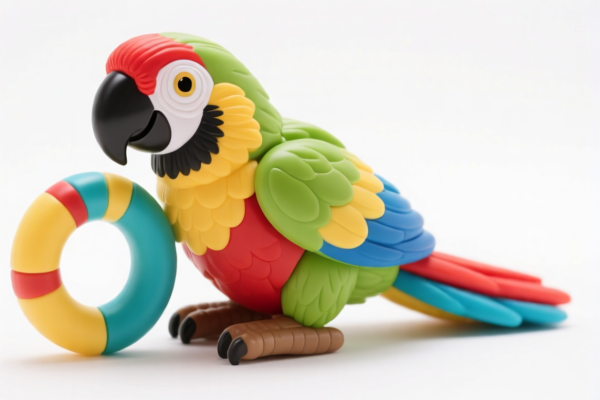
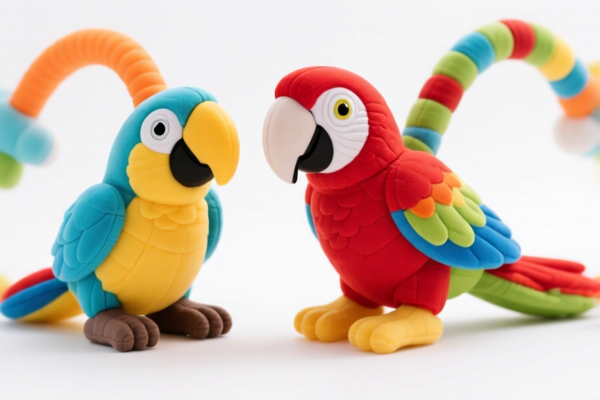
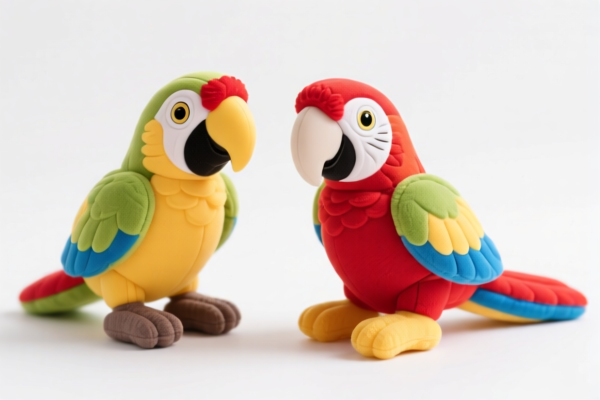
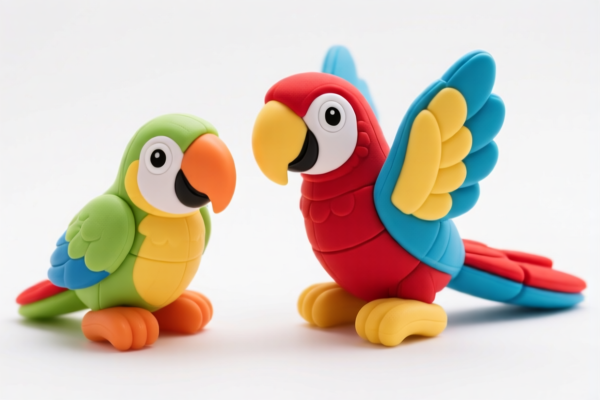
AI Analysis
🦜 Parrot Toy (Pet Bird Toys)
🌐 HS Code Classification & Customs Clearance Guide | 2026 Tariff Analysis | Strategic Compliance Strategies
📌 Part I: Product Definition & Classification Logic: Is it a Toy or a Plastic/Material Good?
A "Parrot Toy" sits in a unique intersection of consumer goods categories. In international trade, the classification depends heavily on intent and material composition.
Category A: True Toys (9503)
Designed for amusement or play, falling under "Dolls, Other Toys, Reduced-Size Scale Models."
Category B: Plastic Goods (3926)
Finished plastic articles not elsewhere specified, often viewed as general consumer plastic products.
Category C: Wood/Material Goods (4421)
If made primarily of wood, it may fall under general wood制品, specifically "Other" wood articles.
⚠️ Critical Distinction Point:
- If the item is marketed primarily as a pet accessory but functions as a toy → Often classified under 9503 (Toys).
- If the item is a generic plastic perch or chew stick without clear "toy" intent → Might be pushed to 3926 or 4421.
- Risk: Misclassification leads to drastic tariff differences (from 10% to 38.3%+).
📦 Part II: HS Code Classification Details (Based on Provided Data)
| HS Code | Summary of Logic from Data | Total Tax Rate | Tax Breakdown |
|---|---|---|---|
| 9503.00.00.73 | Fits "Dolls, Other Toys" logic. Matches use case of parrot toys as "Other" toys. | 10.0% | Base: 0.0%, Section 301 (Add-on): 0%, Section 122: 10% |
| 3926.90.40.00 | Typically plastic products. Fits "Other Plastic Articles" as finished consumer goods. | 12.8% | Base: 2.8%, Section 301: 0%, Section 122: 10% |
| 9503.00.00.71 | Non-rubber, non-inflatable toy. Fits "Other" under 9503.00.00.71 usage/features. | 10.0% | Base: 0.0%, Section 301: 0%, Section 122: 10% |
| 4421.91.98.80 | Potential wood construction. Generic "Other" category under wood products, no material conflict. | 38.3% | Base: 3.3%, Section 301: 25.0%, Section 122: 10% |
| 9503.00.00.90 | "Bird Toy" = Toy category. Fits "Other" usage definition for toys/models. No material conflict. | 10.0% | Base: 0.0%, Section 301: 0%, Section 122: 10% |
🔍 Key Insight:
- 9503 Codes (Toys) are the most common and favorable (10% total).
- 3926 (Plastics) is a secondary option if toy classification is disputed (12.8% total).
- 4421 (Wood) carries a high penalty due to Section 301 tariffs (38.3% total). Avoid this unless it is definitively a wooden article of general use, not a toy.
💰 Part III: 2026 Latest Tariff Rate Details (Including Surcharges & Policy Add-ons)
✅ Applicable Market: United States (US)
✅ Origin: China (CN) (Inferred from "Section 122" and high tariffs)
✅ 生效时间: Current Enforcement
🎯 1. 9503.00.00.73 & 9503.00.00.71 & 9503.00.00.90 —— Toy Category (Best Case)
| Item | Detail |
|---|---|
| Base Tariff | 0% (ad valorem) |
| Section 301 (Add-on) | 0% (Note: Data shows 0% for these specific codes) |
| Section 122 Tariff | +10% (Specific to this classification in the provided data) |
| Total Rate | 10.0% |
| Calculation | CIF Value × 10% |
| Legal Basis | HS 9503.00.00.x1/x3/x9 → Section 122: 10% |
📌 Explanation:
- These codes fall under the "Toy" umbrella.
- The primary burden is the Section 122 tariff at 10%.
- This is the lowest cost scenario among the provided options.
🎯 2. 3926.90.40.00 —— Plastic Goods Category (Mid-Range)
| Item | Detail |
|---|---|
| Base Tariff | 2.8% |
| Section 301 (Add-on) | 0% |
| Section 122 Tariff | +10% |
| Total Rate | 12.8% |
| Calculation | CIF Value × 12.8% |
| Legal Basis | HS 3926.90.40.00 → Base 2.8% + Section 122 10% |
📌 Explanation:
- If customs rejects the "Toy" classification because the item is viewed as a generic plastic perch, it falls here.
- The base duty is slightly higher (2.8%), but no Section 301.
🎯 3. 4421.91.98.80 —— Wood/Material Goods Category (High Risk)
| Item | Detail |
|---|---|
| Base Tariff | 3.3% |
| Section 301 (Add-on) | +25.0% |
| Section 122 Tariff | +10% |
| Total Rate | 38.3% |
| Calculation | CIF Value × 38.3% |
| Legal Basis | HS 4421.91.98.80 → Base 3.3% + Sec 301 25% + Sec 122 10% |
📌 Warning:
- This is the most expensive classification.
- The 25% Section 301 tariff is the killer.
- Only use this if the item is clearly a wooden article NOT classified as a toy, and you have accepted the high duty.
🛠️ Part IV: Customs Clearance Practical Advice (Avoid Pitfalls)
✅ 1. Required Documentation Checklist
| Document | Required | Explanation |
|---|---|---|
| ✅ Product Photos | ✔️ | Clear images showing the item is a toy (e.g., bells, ropes, colorful designs) to support 9503 classification. |
| ✅ Marketing Materials | ✔️ | Brochures/Ads labeling it as "Pet Toy" or "Bird Toy" reinforce the 9503 intent. |
| ✅ Bill of Materials (BOM) | ✔️ | List all materials. If >50% plastic/wood, still justify "Toy" status to avoid 3926/4421. |
| ✅ Commercial Invoice | ✔️ | Description must include "Toy for Birds" or "Parrot Toy," NOT just "Plastic Perch." |
| ✅ Packing List | ✔️ | Ensure no loose parts that could be classified separately. |
✅ 2. Declaration Strategy (Key Tips)
🔥 Golden Rule: "Toy Intent = Lower Duty. Generic Item = Higher Duty."
| Scenario | Recommended HS Code | Avoid |
|---|---|---|
| Item has bells, mirrors, ropes, bright colors | 9503.00.00.73 / .71 / .90 (10%) | Calling it "Plastic Ornament" → Risk of 3926 (12.8%) |
| Item is a simple plastic chew stick | 3926.90.40.00 (12.8%) | Calling it "Toy" if it lacks play features → Risk of rejection |
| Item is a wooden ladder/perch | Check carefully | Avoid 4421.91.98.80 (38.3%) if it functions as a toy! |
💡 Pro Tip:
- If the product is made of wood but has toy-like features (colorful, interactive), argue for 9503 to save 28.3% in duties.
- Provide evidence that it is intended for amusement/play, not just structural support.
✅ 3. Special Cases
| Case | Handling Advice |
|---|---|
| Mixed Materials (Wood + Plastic) | Declare based on primary function (Toy). If it’s a toy, use 9503. Do not split components. |
| OEM Private Label | Ensure your marketing clearly states "Pet Toy." Generic descriptions lead to misclassification. |
| Samples | Even for samples, declare correctly. Misclassification on samples can flag your future shipments. |
🌍 Part V: Market Comparison (2026 Overview)
| Market | Recommended HS Code | Est. Tariff | Note |
|---|---|---|---|
| 🇺🇸 USA | 9503.00.00.73/71/90 | 10.0% | Best case. Avoid 4421 (38.3%). |
| 🇨🇳 China | 9503 | ~5-10% | Lower base duties, no Section 301. |
| 🇪🇺 EU | 9503 | ~0-4% | Low tariffs, strict CE/RoHS for toys. |
| 🇬🇧 UK | 9503 | ~0-4% | Post-Brexit rules apply, but generally low. |
📌 Conclusion:
- USA is the critical market for classification risk due to Section 122 and Section 301.
- Stick to 9503 to minimize costs.
- Avoid 4421 unless it is a non-toy wooden product.
📌 Part VI: Common Errors & Pitfalls (Lessons Learned)
❌ Error 1: Declaring a colorful, bell-equipped wooden toy as "Wooden Ladder" (4421).
👉 Result: 38.3% tariff instead of 10%.
✅ Fix: Emphasize "Toy" features in description.
❌ Error 2: Declaring a simple plastic perch as "Toy" (9503) when it has no play value.
👉 Result: Customs may reclassify to 3926 (12.8%) + penalties.
✅ Fix: Only use 9503 if it has clear toy characteristics (interactive, decorative, playful).
❌ Error 3: Ignoring Section 122 tariff in the description.
👉 Result: Underpayment of duties.
✅ Fix: Ensure all HS codes are checked against Section 122 applicability.
🎯 Part VII: Conclusion: Professional Declaration, Cost Savings!
🎯 Remember the Rules:
🔹 "Toy Intent = 9503 = 10% Duty."
🔹 "Plastic Generic = 3926 = 12.8% Duty."
🔹 "Wooden Non-Toy = 4421 = 38.3% Duty."
🔹 "Don't let wood cost you 28% more!"
📌 Quick Tip:
- If you are importing to the US, prioritize 9503.00.00.73/71/90.
- Always provide photos and marketing copy that highlight the "Toy" aspect.
- Consider Advance Ruling from CBP if the product is borderline (e.g., wooden toy).
📣 Action Required:
📞 Consult your freight forwarder with the correct HS Code (9503).
📸 Submit high-quality photos showing toy-like features.
🚀 Save up to 28.3% in duties by correct classification!
✨ Smart Classification, Smarter Profits!
💼 Every percent counts in international trade!
Customer Reviews
About HS Code Classification
The Harmonized System (HS) is an internationally standardized nomenclature developed by the World Customs Organization (WCO) to classify traded products. Over 200 countries use the HS system as the basis for customs tariffs, trade statistics, and import/export regulations.
Each HS code follows a hierarchical structure:
- Chapter (2 digits) — Broad category of goods (e.g., Chapter 84: Machinery and Mechanical Appliances)
- Heading (4 digits) — More specific grouping within the chapter
- Subheading (6 digits) — Internationally standardized breakdown, used by all WCO member countries
- National subdivisions (8-10 digits) — Country-specific extensions for further classification, such as US HTSUS 10-digit codes
Correct HS code classification is essential for smooth customs clearance, accurate duty payment, and compliance with trade regulations. Misclassification can lead to customs delays, overpayment of duties, or penalties.
When importing from CN to US, the applicable tariff rates may include:
- Most-Favored-Nation (MFN) rate — The standard duty rate applied to WTO members
- General rate — Applied to countries without trade agreements
- Trade remedy duties — Additional tariffs such as Section 301 (anti-dumping), Section 232 (national security), or countervailing duties
The information provided on this page is for reference purposes only. For official classification, please consult with your local customs authority or a licensed customs broker.