Parrot Wooden Perch
CN → US| HS Code | Tariff Rate | Origin | Destination | Doc |
|---|---|---|---|---|
| 4421999880 | 38.3% | CN | US | Official Doc |
| 4421919880 | 38.3% | CN | US | Official Doc |
| 9503000090 | 10.0% | CN | US | Official Doc |
| 9503000073 | 10.0% | CN | US | Official Doc |
| 4421919880 | 38.3% | CN | US | Official Doc |
Product Images
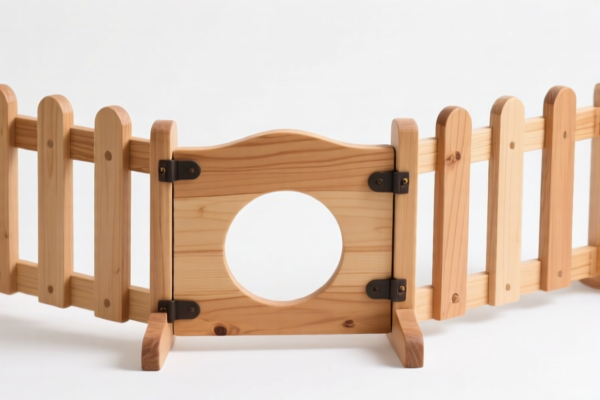
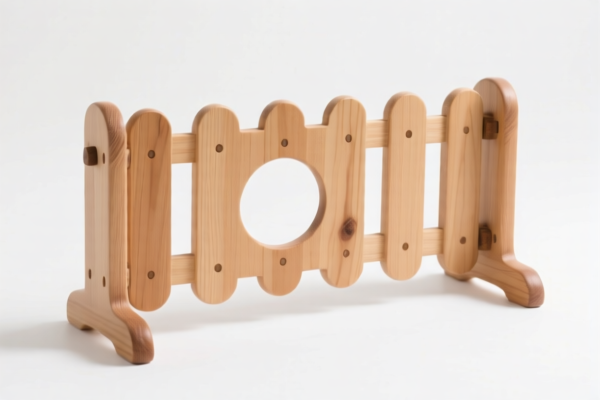
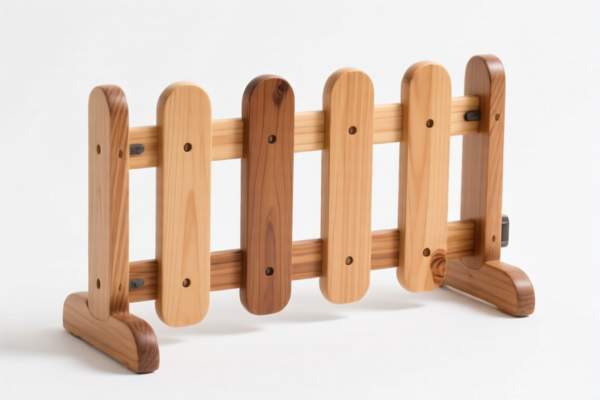
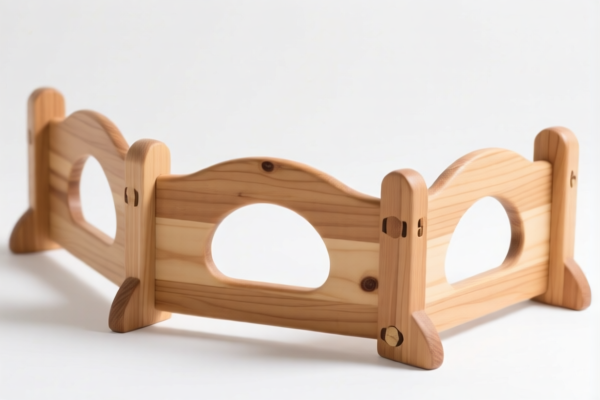
AI Analysis
🐦 Parrot Wooden Perch
🌐 HS Code & Tariff Guide | 2026 Customs Classification & Duty Breakdown | Expert Clearance Strategy
📌 One Product, Multiple Classifications — Understand the Nuances to Avoid Costly Mistakes!
📦 1. Product Definition & Classification: What Is a "Wooden Perch" for Parrots?
A wooden perch for parrots is a natural or treated wooden rod used as a resting, climbing, or perching surface in bird cages. It is typically made from hardwoods like manzanita, eucalyptus, or pine and may be sanded, rounded, or left in natural form.
⚠️ Key Distinction:
- If the perch is used solely as a functional item in a bird cage → may fall under wooden articles (HS 4421.99.98.80 / 4421.91.98.80)
- If the perch is designed as part of a toy or play structure → may be classified under toys and toy parts (HS 9503.00.00.90 / 9503.00.00.73)🔍 Critical Insight:
The intended use determines the HS code — not just the material. A wooden perch used in a bird cage is not a toy, even if it resembles one.
📊 2. HS Code Classification Breakdown (2026 Updated Tariff Schedule)
| HS Code | Product Description | Classification Reason | Tax Rate | Key Notes |
|---|---|---|---|---|
4421.99.98.80 |
Other wooden articles, not elsewhere specified, suitable for use as perches | Classified as other wooden items under 4421.99.98.80 due to material and function | 38.3% | Applies when used as non-toy functional item |
4421.91.98.80 |
Other wooden articles, not elsewhere specified, suitable for use as perches | Same as above — wooden perch as accessory to bird cage | 38.3% | Repeated for emphasis; same tax treatment |
9503.00.00.90 |
Other toys and parts thereof, not elsewhere specified | Applies only if the perch is marketed or designed as a toy or play element | 10.0% | Only if intended as a toy |
9503.00.00.73 |
Parts of dolls, toy vehicles, or other toys (e.g., play structures) | Applies if the perch is part of a toy set (e.g., bird playhouse with built-in perch) | 10.0% | Must be functionally integrated into a toy system |
✅ Summary:
- Functional perch in cage → HS 4421.99.98.80 or 4421.91.98.80 → 38.3%
- Toy-like perch in playset → HS 9503.00.00.90 or 73 → 10.0%
💰 3. 2026 Tariff Breakdown (US Market | China Origin)
🎯 1. 4421.99.98.80 & 4421.91.98.80 — Wooden Perch as Non-Toy Article
| Tax Component | Rate | Legal Basis | Explanation |
|---|---|---|---|
| Base Duty | 3.3% | Standard US Tariff Schedule | Applies to all wood products |
| Section 301 (USITC) Additional Duty | +25.0% | USITC Footnote 9903.88.01 | Imposed on Chinese-origin goods under Section 301 |
| Section 122 (IEEPA) Emergency Duty | +10.0% | IEEPA: 9903.01.24 | Part of the international emergency economic powers act for China |
| Total Effective Duty | 38.3% | — | Highly punitive for Chinese imports |
📌 Legal Pathway:
IEEPA:9903.01.24→USITC:4421.99.98.80→FOOTNOTE:9903.88.01⚠️ Important:
- This 38.3% rate applies only if the perch is not part of a toy. - If the product is marketed as a toy, even if made of wood, the 10% rate applies.
🎯 2. 9503.00.00.90 & 9503.00.00.73 — Wooden Perch as Toy or Toy Part
| Tax Component | Rate | Legal Basis | Explanation |
|---|---|---|---|
| Base Duty | 0.0% | US Tariff Schedule | No base duty on toys |
| Section 301 (USITC) Additional Duty | 0.0% | Not applicable | Toys are exempt from 301 duties under current rules |
| Section 122 (IEEPA) Emergency Duty | +10.0% | IEEPA: 9903.01.24 | Applies to all goods from China, including toys |
| Total Effective Duty | 10.0% | — | Significantly lower than 38.3% |
📌 Legal Pathway:
IEEPA:9903.01.24→HS:9503.00.00.90→FOOTNOTE:9903.88.01(if applicable)✅ Key Insight:
- Toys are exempt from 301 tariffs, but still subject to 10% IEEPA emergency duty. - This 10% rate is the best possible outcome for a wooden perch from China.
🛠️ 4. Clearance & Compliance Tips (Real-World Strategies)
✅ 1. Documentation Checklist (MUST-HAVE)
| Document | Required? | Why It Matters |
|---|---|---|
| ✅ Product Photos (front, side, label) | ✔️ | Show material, shape, and intended use |
| ✅ Product Label / Packaging | ✔️ | Indicates whether it says "Toy", "Bird Perch", or "Play Structure" |
| ✅ Commercial Invoice | ✔️ | Must state intended use clearly |
| ✅ Bill of Lading / Packing List | ✔️ | For customs tracking |
| ✅ Certificate of Origin (CO) | ✔️ | Required for tariff claims |
| ✅ Test Reports (if applicable) | ✔️ | For safety (e.g., non-toxic, no lead) |
✅ 2.申报技巧(Critical Tips)
🔥 “Label Tells the Story – Use the Right Keywords!”
| Scenario | Correct HS Code | Incorrect Practice | Risk |
|---|---|---|---|
| Perch sold as bird cage accessory | 4421.99.98.80 |
Claiming it’s a toy → 38.3% tax | Overpayment |
| Perch sold as part of a toy birdhouse | 9503.00.00.73 |
Claiming it’s a wooden article → 10% tax | Underpayment → penalties |
| Perch labeled “Toy for Birds” | 9503.00.00.90 |
Label says “Perch” only → 38.3% | Loss of savings |
📌 Pro Tip:
Use marketing language to guide classification.
- If you want 10%, label it:"Toy Bird Perch – Part of Interactive Playhouse Set"
- If you must pay 38.3%, label it:
"Natural Wooden Perch for Pet Birds – Cage Accessory"
✅ 3. Special Cases & Risk Mitigation
| Situation | Recommended Action |
|---|---|
| Perch sold in bulk with no toy context | Use 4421.99.98.80 → 38.3% |
| Perch sold as part of a toy birdhouse, swing, or playset | Use 9503.00.00.73 → 10.0% |
| Perch with painted patterns or toy-like design | Treat as toy → 10% |
| Perch marketed to children as "fun for birds" | Likely to be classified as toy → 10% |
| Perch sold to pet stores (not toy stores) | May still be classified as non-toy → 38.3% |
⚠️ Red Flag:
If the packaging shows a bird playing on it, or has cartoonish designs, customs will classify it as a toy.
🌍 5. Global Market Comparison (2026)
| Country | Recommended HS Code | Tariff | Certification | Notes |
|---|---|---|---|---|
| 🇺🇸 USA | 4421.99.98.80 → 38.3% |
38.3% (China) | None required | High risk of audit |
| 🇺🇸 USA | 9503.00.00.73 → 10.0% |
10.0% | ASTM F963 (toy safety) | Only if toy-intended |
| 🇨🇳 China | 4421.99.98.80 |
5% | CCC (if applicable) | No 301/IEEPA |
| 🇪🇺 EU | 4421.99.98.80 |
0% (if origin EU) | CE, REACH | No extra duties |
| 🇦🇺 Australia | 4421.99.98.80 |
5% | RCM | No 301/IEEPA |
| 🇯🇵 Japan | 4421.99.98.80 |
0% | PSE | No extra duties |
📌 Takeaway:
- The US is the only market with 38.3% duty on non-toy wooden perches from China. - Toy classification saves 28.3% — a massive cost reduction.
🚨 6. Common Mistakes & Real-World Pitfalls
❌ Mistake 1:
“We sell wooden perches — they’re just wood, so we use HS 4421.99.98.80.”
→ Result: Paying 38.3% on a product that could be 10% if labeled as a toy.
❌ Mistake 2:
“We include a toy birdhouse with the perch — but we don’t say it’s a toy.”
→ Result: Customs may still classify it as toy based on packaging → 10% rate applies, but you didn’t claim it.
❌ Mistake 3:
“We don’t have a toy label — so we can’t claim 10%.”
→ Result: You missed a tax-saving opportunity — you can still claim 10% if the intended use is toy-like.
✅ Correct Approach:
Use clear labeling, consistent marketing, and accurate invoice descriptions to control classification.
🎯 7. Final Verdict: How to Maximize Profit & Minimize Risk
🎯 “If it looks like a toy, acts like a toy, and is sold as a toy — it’s a toy.”
✅ Best Strategy:
- Design the product as a toy if you want 10% duty.
- Use toy packaging, toy labels, and toy marketing.
- Declare it as
9503.00.00.73or9503.00.00.90. - Save 28.3% in duties — that’s $283 per $1,000 shipment.
❌ Avoid:
- Labeling it as “perch” only if it’s part of a toy.
- Using generic packaging with no toy cues.
- Assuming “wood = non-toy”.
📌 8. Pro Tips for Exporters & Importers
📣 “Your label is your legal document.”
- Use keywords: "Toy", "Play Set", "Interactive", "For Birds", "Fun Perch"
- Include images of birds playing on the perch
- Avoid words like "Cage Accessory", "Natural Perch", "For Pet Birds" — these trigger non-toy classification
✅ Ideal Invoice Description:
"Wooden Toy Perch – Part of Interactive Bird Playhouse Set, Designed for Parrots, Non-Toxic, ASTM F963 Certified"
🎯 Conclusion: Precision Pays Off
🔹 Wooden Perch ≠ Always 38.3%
🔹 If it’s a toy — it’s only 10%
🔹 Your labeling controls your tax rate📣 Action Step:
✅ Rebrand your perch as a toy if you ship to the US from China
✅ Use9503.00.00.73or9503.00.00.90
✅ Save thousands per shipment
✨ Your product’s value isn’t just in the wood — it’s in how you classify it.
💼 One label change = 28.3% tax savings.
🚀 Win the game — don’t just play it.
📞 Need help?
Contact a US Customs Pre-Ruling Specialist to get advance binding classification — lock in the 10% rate before shipment.
📣 Ready to Optimize?
🚀 Apply for HS Code Pre-Approval Today
🛠️ Let your wooden perch fly — with 10% duty, not 38.3%
💬 Your bottom line deserves better.
✅ Expert Clearance. Smart Classification. Maximum Savings.
Customer Reviews
About HS Code Classification
The Harmonized System (HS) is an internationally standardized nomenclature developed by the World Customs Organization (WCO) to classify traded products. Over 200 countries use the HS system as the basis for customs tariffs, trade statistics, and import/export regulations.
Each HS code follows a hierarchical structure:
- Chapter (2 digits) — Broad category of goods (e.g., Chapter 84: Machinery and Mechanical Appliances)
- Heading (4 digits) — More specific grouping within the chapter
- Subheading (6 digits) — Internationally standardized breakdown, used by all WCO member countries
- National subdivisions (8-10 digits) — Country-specific extensions for further classification, such as US HTSUS 10-digit codes
Correct HS code classification is essential for smooth customs clearance, accurate duty payment, and compliance with trade regulations. Misclassification can lead to customs delays, overpayment of duties, or penalties.
When importing from CN to US, the applicable tariff rates may include:
- Most-Favored-Nation (MFN) rate — The standard duty rate applied to WTO members
- General rate — Applied to countries without trade agreements
- Trade remedy duties — Additional tariffs such as Section 301 (anti-dumping), Section 232 (national security), or countervailing duties
The information provided on this page is for reference purposes only. For official classification, please consult with your local customs authority or a licensed customs broker.