Partially Tanned Cowhide, Other, Split Grain
CN → US| HS Code | Tariff Rate | Origin | Destination | Doc |
|---|---|---|---|---|
| 4104115070 | 13.3% | CN | US | Official Doc |
| 4104413060 | 12.4% | CN | US | Official Doc |
Product Images
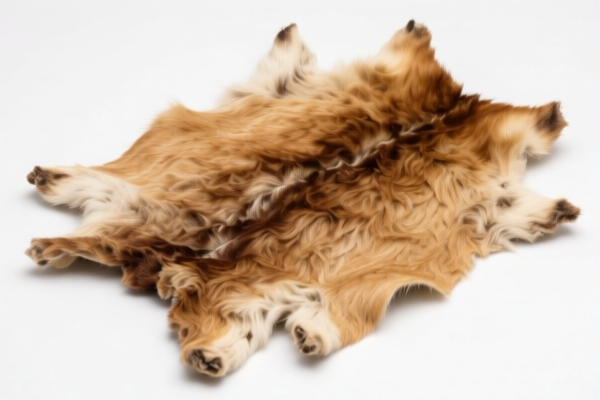
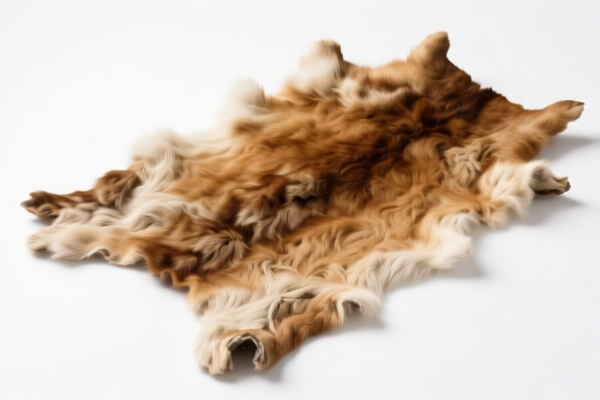
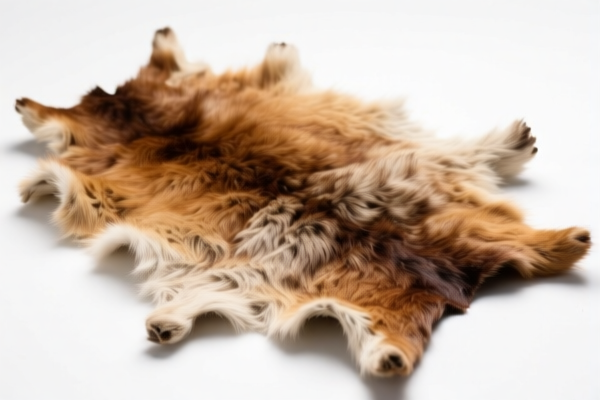
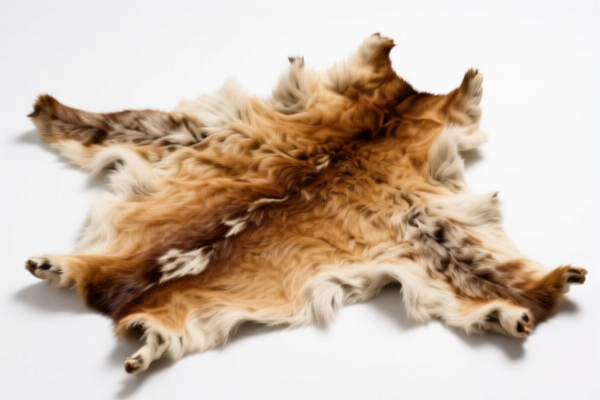
AI Analysis
🐂 Raw Leather Skins: The "Wet Blue" & Crust Dilemma
🌐 HS Code Reference & Customs Clearance Guide | 2026 Latest Tariff Analysis | Professional Clearance Strategy
📌 I. Product Definition & Classification: Do You Know What "Partially Tanned Cowhide" Really Is?
Cowhide is the foundational material for the global footwear, leather goods, and automotive industries. However, in international trade, "Partially Tanned" is a vague term that leads to frequent classification errors. It generally refers to hides that have undergone initial tanning but not final finishing.
The input "Partially Tanned Cowhide, Other, Split Grain" requires precise differentiation based on state (Wet vs. Dry) and split status.
⚠️ Key Distinction Point:
- Wet State (Wet-Blue): Hides that are tanned but still damp/wet. Usually归入 4104.
- Dry State (Crust): Hides that are tanned and dried, ready for further processing (dyed/finished). Usually归入 4104 (specific subheadings).
- "Split Grain": The hide has been mechanically split into layers. The top layer is "full grain," the bottom layers are "splits."📌 Critical Note for Your Input:
The phrase "Partially Tanned" often implies Wet-Blue in industry slang. However, if the hide is dried, it is Crust. The provided data contains entries for both Wet-Blue (Split) and Dry/Crust (Buffalo/Split). We must align with the specific HS codes provided in<DATA>.
📦 II. HS Code Classification Details (Based on Provided Data)
| HS Code | Product Description | Applicable Scenario | State & Split Status |
|---|---|---|---|
4104.11.50.70 |
Tanned or crust hides of bovine, without hair on, not further prepared: In the wet state (including wet-blue): Full grains, unsplit; grain splits: Other: Other: Other Wet blues: Split | Wet-Blue Cowhide, Split Layer Used for suede, split leather goods, or further processing. |
✅ Wet State ✅ Split |
4104.41.30.60 |
Tanned or crust hides of bovine/equine, without hair on, not further prepared: In the dry state (crust): Full grains, unsplit; grain splits: Other: Buffalo Other | Crust Buffalo Hide Note: This code specifically mentions Buffalo. If your product is strictly Cow (Bovine), this code may be inaccurate unless it's a Buffalo hide. |
✅ Dry State (Crust) ✅ Split (Implied by "Other") |
🔍 重点提醒 (Crucial Clarification):
- Code4104.11.50.70is the standard for Wet-Blue Split Cowhide. This is the most common interpretation of "Partially Tanned... Split."
- Code4104.41.30.60specifies Buffalo. If you are importing Cowhide (not Buffalo), do not use this code. Misclassification here can lead to customs delays or penalties.
- "Partially Tanned" is not a standalone HS category. It must be defined by State (Wet/Dry) and Species (Cow/Buffalo).
💰 III. 2026 Latest Tariff Rate Details (Detailed Breakdown)
✅ Applicable Country: US (United States)
✅ Origin: China (CN) (Assumed based on standard trade context, but check actual origin)
✅ Effective Time: Current 2026 Tariff Schedule
🎯 1. 4104.11.50.70 —— Wet-Blue Split Cowhide
| Item | Content |
|---|---|
| Base Tariff Rate | 0.0% (Ad Valorem) |
| Additional Tariff (Section 301) | 0.0% |
| Total Tax Rate | 0.0% |
| Tax Calculation | CIF Value × 0.0% = $0 |
| De Minimis Eligibility | ❌ No (Leather skins are generally excluded from de minimis shipments) |
| Legal Basis Path | USITC:4104.11.50.70 |
📌 Explanation:
- Base Rate: Chapter 41 (Raw Hides and Skins) often has low or zero base tariffs to encourage import for domestic processing.
- No Additional Tariffs: Unlike electronics or steel, many raw leather hides are exempt from Section 301 retaliatory tariffs (0.0% added).
- Cost Impact: Very low duty burden, but high compliance risk due to anti-dumping or countervailing duties if applicable to specific regions (though not shown in<DATA>).
🎯 2. 4104.41.30.60 —— Crust Buffalo Hide (Dry State)
| Item | Content |
|---|---|
| Base Tariff Rate | 0.0% (Ad Valorem) |
| Additional Tariff (Section 301) | 0.0% |
| Total Tax Rate | 0.0% |
| Tax Calculation | CIF Value × 0.0% = $0 |
| De Minimis Eligibility | ❌ No |
| Legal Basis Path | USITC:4104.41.30.60 |
📌 Explanation:
- Same tariff structure as Wet-Blue.
- Caution: This code is for Buffalo. If you declare Cowhide under this code, customs may question the species. Ensure your description matches the product.
🛠️ IV. Customs Clearance Practical Advice (Battle-Tested Tips)
✅ 1. Document Checklist (Non-Negotiable)
| Document | Required | Purpose |
|---|---|---|
| ✅ Commercial Invoice | ✔️ | Must specify: "Bovine Hides," "Wet-Blue" or "Crust," "Split," "Weight (Net/Gross)." |
| ✅ Packing List | ✔️ | Detail bundles, bales, and weights. |
| ✅ Tanning Certificate | ✔️ | Crucial for Leather. Prove the tanning process (e.g., Chrome Tanned vs. Vegetable Tanned) to determine if anti-dumping applies. |
| ✅ Product Photos | ✔️ | Show the cross-section (to confirm split layers) and surface (to confirm no hair). |
| ✅ Country of Origin Certificate | ✔️ | Verify origin for tariff application. |
✅ 2. Declaration Strategy (Key Mantra)
🔥 "State Must Be Clear: Wet vs. Dry. Species Must Be Exact: Cow vs. Buffalo."
| Scenario | Correct Declaration | Wrong Declaration |
|---|---|---|
| Wet-Blue Cowhide, Split | 4104.11.50.70Desc: "Wet-Blue Bovine Hides, Split, Chrome Tanned" |
"Leather" (Too vague) "Tanned Hides" (Missing state/split) |
| Dry Crust Buffalo Hide | 4104.41.30.60Desc: "Crust Buffalo Hides, Split" |
"Cowhide" (Wrong species) |
| Full Grain Wet-Blue | 4104.11.50.70 (if no other fit) |
4104.41.30.60 (Wrong state/species) |
⚠️ Common Mistake:
Declaring "Split" when the hides are actually "Full Grain".
- Impact: Misclassification may lead to audits. While both may have 0% tax, the importer security filing and anti-dumping monitoring may differ.
✅ 3. Special Considerations for Leather
| Issue | Advice |
|---|---|
| Chrome Content | If Chrome Tanned, ensure compliance with EPA/REACH regulations. Some countries restrict hexavalent chromium. |
| Anti-Dumping Duties (ADD) | While <DATA> shows 0%, some cowhide splits from certain countries may be subject to ADD. Always verify with the latest USITC ADD list. |
| Weight Declaration | Custom brokers may calculate duties on Net Weight vs. Gross Weight. Ensure your invoice clearly states Net Weight of Skins. |
| Moisture Content | For Wet-Blue, moisture content can vary. Declaring "Wet-Blue" implies a standard moisture level. If too dry, it may be classified as "Crust," changing the HS code. |
🌍 V. Global Market Clearance Comparison (2026)
| Region | Recommended HS Code | Base Duty | Key Certification | Notes |
|---|---|---|---|---|
| 🇺🇸 USA | 4104.11.50.70 |
0% | EPA Compliance (Chrome) | Zero tariff, but high scrutiny on species/state. |
| 🇪🇺 EU | 4104.41 (Varies) |
0% - 6% | REACH (Chemicals) | Strict on chemical residues. |
| 🇨🇳 China | 4104.11 |
0% - 5% | CCC (if processed) | Raw hides imported for processing. |
| 🇬🇧 UK | 4104.11 |
0% - 6% | UKCA (if finished goods) | Post-Brexit rules apply. |
📌 Conclusion:
- USA is the most transparent for raw hides with 0% duty in the provided data.
- Key Risk: Not duty, but compliance. Mislabeling "Buffalo" as "Cow" or "Wet" as "Dry" causes delays.
📌 VI. Common Errors & Pitfalls (Lessons Learned)
❌ Error 1: Using "Tanned Leather" as a generic term.
👉 Consequence: Customs may reject the entry for lack of specificity. Must specify Wet-Blue or Crust.
❌ Error 2: Misidentifying Species (Cow vs. Buffalo).
👉 Consequence: If you use 4104.41.30.60 for Cowhide, customs may flag it as false origin/species. Always use 4104.11.xxxx for Cowhide.
❌ Error 3: Ignoring "Split" vs. "Full Grain."
👉 Consequence: While tariffs may be similar, the market value and usage differ. Full grain is more valuable. Misdeclaration can lead to underpayment of duties if rates differ in other jurisdictions.
🎯 VII. Conclusion: Precision in Raw Materials
🎯 Remember the Mantra:
🔹 "Wet Blue = 4104.11 | Crust = 4104.41 | Species Matters: Cow vs. Buffalo."
🔹 "0% Tariff is Great, But Wrong HS Code is a Nightmare."
📌 Pro Tip:
If your product is Chrome-Tanned Wet-Blue Cowhide Split, use:
HS Code: 4104.11.50.70
Description: "Wet-Blue Bovine Hides, Split, Chrome Tanned, Without Hair"
🚀 Action Step:
📞 Verify Tanning Type (Chrome/Veg)
📦 Confirm State (Wet/Dry)
🏷️ Label Species (Cow/Buffalo)
✈️ Ensure smooth clearance with 0% Duty status!
✨ Professional Clearance Starts with Accurate Classification!
💼 Your Cost Efficiency Depends on These Details!
Customer Reviews
About HS Code Classification
The Harmonized System (HS) is an internationally standardized nomenclature developed by the World Customs Organization (WCO) to classify traded products. Over 200 countries use the HS system as the basis for customs tariffs, trade statistics, and import/export regulations.
Each HS code follows a hierarchical structure:
- Chapter (2 digits) — Broad category of goods (e.g., Chapter 84: Machinery and Mechanical Appliances)
- Heading (4 digits) — More specific grouping within the chapter
- Subheading (6 digits) — Internationally standardized breakdown, used by all WCO member countries
- National subdivisions (8-10 digits) — Country-specific extensions for further classification, such as US HTSUS 10-digit codes
Correct HS code classification is essential for smooth customs clearance, accurate duty payment, and compliance with trade regulations. Misclassification can lead to customs delays, overpayment of duties, or penalties.
When importing from CN to US, the applicable tariff rates may include:
- Most-Favored-Nation (MFN) rate — The standard duty rate applied to WTO members
- General rate — Applied to countries without trade agreements
- Trade remedy duties — Additional tariffs such as Section 301 (anti-dumping), Section 232 (national security), or countervailing duties
The information provided on this page is for reference purposes only. For official classification, please consult with your local customs authority or a licensed customs broker.