Parts for Agricultural Machinery
CN → US| HS Code | Tariff Rate | Origin | Destination | Doc |
|---|---|---|---|---|
| 8436990035 | 35.0% | CN | US | Official Doc |
| 8433905045 | 35.0% | CN | US | Official Doc |
| 8436990090 | 35.0% | CN | US | Official Doc |
| 7326200030 | 88.9% | CN | US | Official Doc |
| 8436990035 | 35.0% | CN | US | Official Doc |
Product Images
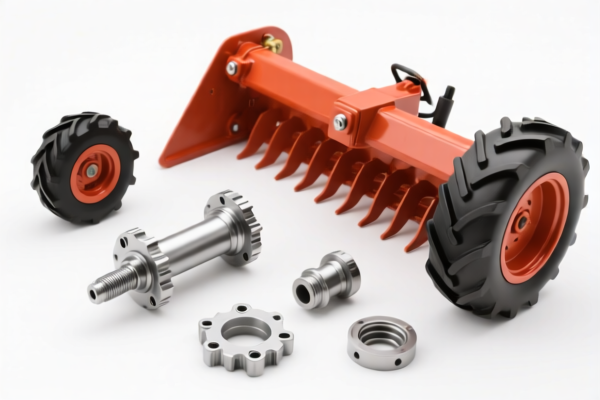
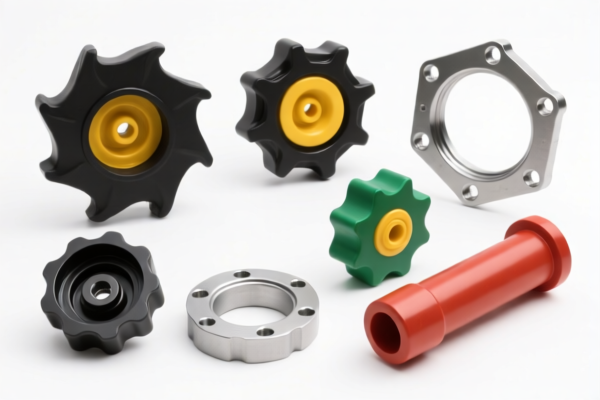
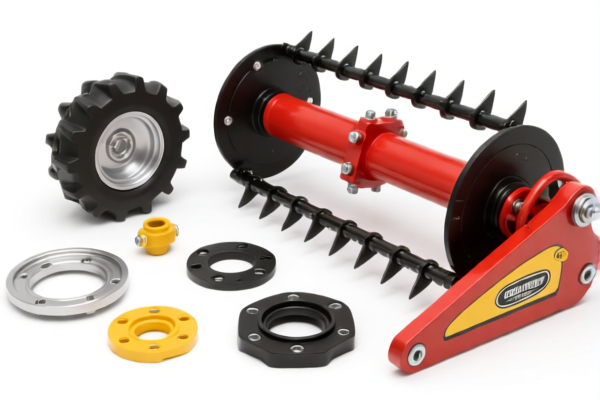
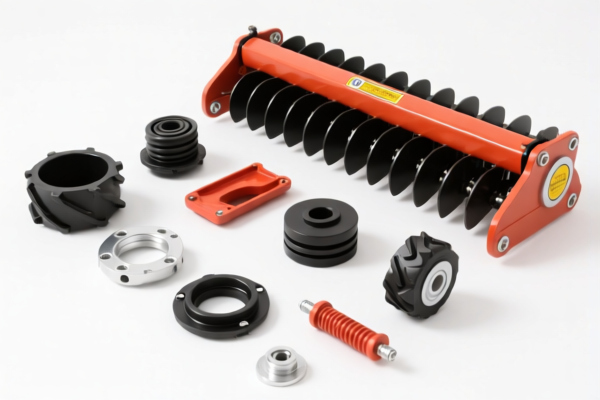
AI Analysis
🚜 Parts for Agricultural Machinery
🌐 HS Code Reference & Customs Clearance Guide | 2024 Latest Tariff Full Analysis | Professional Clearance Strategy
📌 I. Product Definition and Classification: What Are "Agricultural Machinery Parts"?
Parts for Agricultural Machinery are specialized components designed to replace, repair, or enhance the functionality of machinery used in farming, gardening, and related agricultural activities. In international trade, these parts are primarily classified based on their function, compatibility, and material composition.
Key Distinction:
- Functional Parts: Components specifically designed for machines falling under HS Chapter 84 (e.g., harvesters, tractors, tillers).
- Material-Based Parts: Components made of specific materials (e.g., steel) that may fall under different chapters if not specifically identified as machine parts.
⚠️ Critical Classification Point:
- If the part is specifically identifiable for use with agricultural machinery (e.g., harvester blades, tractor gears) → Generally falls under Chapter 84.
- If the part is a generic steel product not specifically described as a machine part → May fall under Chapter 73 (Iron/Steel Articles).
- Note: The provided data highlights a trend where generic or less-specific parts are often routed to "fallback" or "other" subheadings.
📦 II. HS Code Classification Details (Based on Provided Data)
| HS Code | Product Description | Application Scenario | Key Characteristics | Total Tax Rate |
|---|---|---|---|---|
8436.99.00.35 |
Agricultural Machinery Parts | Matching specific agricultural machinery and parts usage | Falls under "Other" fallback category for Chapter 84 | 35.0% |
8433.90.50.45 |
Agricultural Machinery Parts | Logic consistent with parts for harvesters, reapers, etc. | "Other" fallback category, similar logic to harvester parts | 35.0% |
8436.99.00.90 |
Agricultural Machinery Parts | Matching agricultural, horticultural machinery parts usage | "Other" fallback category for agricultural/horticultural machinery | 35.0% |
7326.20.00.30 |
Gardening Tool Accessories | Derived as steel parts based on "parts rule"; other steel products fallback | Made of steel; generic fallback for steel articles | 88.9% |
🔍 重点提醒 (Key Takeaways):
- High-Risk Codes:8436.99.00.35,8433.90.50.45, and8436.99.00.90are all "Other" fallback categories. This means if your part doesn't fit neatly into a specific subheading (like8433.90.50for specific harvester parts), it defaults here.
- Material Trap:7326.20.00.30applies if the part is made of steel and cannot be specifically identified as a machine part. The tax rate here is significantly higher (88.9%) due to steel-specific surcharges.
- Avoid Mistakes: Do not misdeclare generic steel brackets or cuttings as "Agricultural Machinery Parts" if they are not specifically shaped for a machine. This could lead to the high 88.9% rate.
💰 III. 2024 Latest Tariff Rate Breakdown (Including Surcharges)
✅ Applicable Country: United States (US)
✅ Origin: China (CN)
✅ Effective Time: Based on current trade policies (2024)
🎯 1. HS Codes: 8436.99.00.35, 8433.90.50.45, 8436.99.00.90
(Agricultural Machinery Parts - Fallback Categories)
| Item | Details |
|---|---|
| Base Tariff | 0.0% (Ad Valorem) |
| Section 301 Surcharge | +25.0% (USITC Footnote 9903.88.01) |
| Section 122 Tariff | +10.0% (Specific Chinese product surcharge) |
| Total Tax Rate | 35.0% |
| Tax Calculation | CIF Value × 35% |
| De Minimis Exemption | ❌ Not Applicable (Deny De Minimis) |
| Legal Basis | Section 301 → Section 122 → USITC Subheadings |
📌 Explanation:
- 0% Base: Standard MFN rate for many agricultural machinery parts is low or zero.
- 25% Section 301: The standard USITC surcharge on Chinese goods under Section 301.
- 10% Section 122: An additional surcharge specifically targeting certain Chinese imports.
- Total 35%: This is the standard high-risk rate for generic agricultural machinery parts from China.
🎯 2. HS Code: 7326.20.00.30
(Gardening Tool Accessories / Steel Articles)
| Item | Details |
|---|---|
| Base Tariff | 3.9% |
| Section 301 Surcharge | +25.0% |
| Section 122 Tariff | +10.0% |
| Steel/Aluminum/Copper Surcharge | +50.0% (Specific to steel articles) |
| Total Tax Rate | 88.9% |
| Tax Calculation | CIF Value × 88.9% |
| De Minimis Exemption | ❌ Not Applicable |
| Legal Basis | Section 301 + Steel-specific Surcharge |
📌 Warning:
- This rate is extremely high. It applies if your "part" is deemed a generic steel article rather than a specific machine part.
- Example: A simple steel bracket, chain, or unshaped metal component might fall here instead of the 35% rate.
- Key Difference: The +50% steel surcharge is the main driver of this high rate.
🛠️ IV. Customs Clearance Practical Advice (Avoid Pitfalls)
✅ 1. Required Documentation Checklist
| Document | Required | Notes |
|---|---|---|
| Product Specification Sheet | ✔️ | Must detail exact model, dimensions, material, and specific machine compatibility (e.g., "Part for John Deere Combine Harvester Model XYZ"). |
| Technical Drawings | ✔️ | Essential to prove the part is specifically shaped for a machine, not a generic steel item. |
| Product Photos | ✔️ | Clear images showing the part's unique shape and any branding/model numbers. |
| Bill of Lading / Packing List | ✔️ | Must clearly state "Parts for Agricultural Machinery" and not generic terms like "Steel Goods." |
| Certificate of Origin | ✔️ | Confirm Chinese origin for accurate tariff application. |
✅ 2. Declaration Tips (Key Mantras)
🔥 "Specific Shape, Specific Machine, Avoid Steel Fallback!"
| Scenario | Correct Declaration | Incorrect Declaration |
|---|---|---|
| Specific Part (e.g., combine harvester reel) | 8433.90.50.45 or 8436.99.00.35 |
"Steel Bracket" → 7326.20.00.30 (88.9%) |
| Generic Steel Item | 7326.20.00.30 |
"Agricultural Part" → If it's not specific, customs may force 7326 anyway. |
| Gardening Tool Accessory | 7326.20.00.30 |
Misdeclare as machinery part → Risk of audit and penalty. |
✅ 3. Special Circumstances Handling
| Situation | Recommendation |
|---|---|
| OEM Parts | Provide the Original Equipment Manufacturer (OEM) part number and a letter from the manufacturer confirming compatibility. |
| Aftermarket Parts | Clearly state "Aftermarket Part for [Brand] [Model]." Avoid vague terms. |
| Mixed Shipments | Declare parts separately if some are specific (843x) and others are generic steel (7326). Do not lump them together. |
| Disputed Classification | Apply for an Advance Ruling from US Customs (CBP) if the part's classification is ambiguous. |
🌍 V. Global Market Comparison (2024)
| Country/Region | Recommended HS Code | Tariff Rate | Notes |
|---|---|---|---|
| 🇺🇸 USA | 8436.99.00.35 / 7326.20.00.30 |
35% or 88.9% | High surcharges apply to Chinese goods. |
| 🇨🇳 China | 8436.99.00.35 |
5-10% | Lower base rates; no Section 301/122 surcharges. |
| 🇪🇺 EU | 8436.90.80 |
~2-4% | No additional surcharges for machinery parts. |
| 🇬🇧 UK | 8436.90.80 |
~2-4% | Post-Brexit, similar to EU for most machinery parts. |
📌 Conclusion:
- The US market is the most challenging for agricultural machinery parts from China due to Section 301 and Section 122 surcharges.
- Avoid the 88.9% rate by ensuring your parts are clearly identified as specific machinery components with technical drawings and compatibility statements.
📌 VI. Common Mistakes & Pitfalls (Lessons Learned)
❌ Mistake 1: Declaring a generic steel pipe as "Agricultural Machine Part"
👉 Consequence: Customs reclassifies it as 7326.20.00.30 → 88.9% Tax!
👉 Fix: Provide drawings showing it is part of a specific machine.
❌ Mistake 2: Using vague terms like "Tools" or "Accessories"
👉 Consequence: Customs may classify as generic steel → 88.9% Tax!
👉 Fix: Use precise terms like "Reel for Combine Harvester" or "Blade for Tractor."
❌ Mistake 3: Assuming all agricultural parts have the same tax rate
👉 Consequence: Overpaying if classified incorrectly (e.g., paying 88.9% when 35% was applicable).
👉 Fix: Consult a customs broker to distinguish between Chapter 84 (Machinery) and Chapter 73 (Steel).
✅ Correct Practice:
"Steel Auger for Harvesting Machine, Model ABC, Compatible with X Brand, Specific Shape for Machine Use"
🎯 VII. Conclusion: Precision in Classification Saves Money!
🎯 Remember:
🔹 "Specific is Cheap (35%), Generic is Expensive (88.9%)."
🔹 "Drawings and Compatibility Letters are Your Best Friends."
🔹 "Check the Material and Function Before Declaring."
📌 Pro Tip:
If your parts are sourced from Vietnam, Thailand, or Mexico, you may avoid Section 301 and Section 122 surcharges, reducing the rate to 0-3.9%.
Consider supply chain diversification if the 35% rate significantly impacts your margins.
📣 Immediate Action:
📞 Contact a Customs Broker + Provide Technical Drawings + Apply for Advance Ruling
🚀 Clear Your Goods Efficiently, Avoid Penalties, and Maximize Profits!
✨ Professional Clearance Starts with Accurate Classification!
💼 Every Percentage Point Saved is Pure Profit!
Customer Reviews
About HS Code Classification
The Harmonized System (HS) is an internationally standardized nomenclature developed by the World Customs Organization (WCO) to classify traded products. Over 200 countries use the HS system as the basis for customs tariffs, trade statistics, and import/export regulations.
Each HS code follows a hierarchical structure:
- Chapter (2 digits) — Broad category of goods (e.g., Chapter 84: Machinery and Mechanical Appliances)
- Heading (4 digits) — More specific grouping within the chapter
- Subheading (6 digits) — Internationally standardized breakdown, used by all WCO member countries
- National subdivisions (8-10 digits) — Country-specific extensions for further classification, such as US HTSUS 10-digit codes
Correct HS code classification is essential for smooth customs clearance, accurate duty payment, and compliance with trade regulations. Misclassification can lead to customs delays, overpayment of duties, or penalties.
When importing from CN to US, the applicable tariff rates may include:
- Most-Favored-Nation (MFN) rate — The standard duty rate applied to WTO members
- General rate — Applied to countries without trade agreements
- Trade remedy duties — Additional tariffs such as Section 301 (anti-dumping), Section 232 (national security), or countervailing duties
The information provided on this page is for reference purposes only. For official classification, please consult with your local customs authority or a licensed customs broker.