Parts for Heat Treatment Machines
CN → US| HS Code | Tariff Rate | Origin | Destination | Doc |
|---|---|---|---|---|
| 8479909565 | 35.0% | CN | US | Official Doc |
| 8479909596 | 85.0% | CN | US | Official Doc |
| 8419908500 | 35.0% | CN | US | Official Doc |
| 8419903000 | 35.0% | CN | US | Official Doc |
| 8514904000 | 39.0% | CN | US | Official Doc |
| 8514908000 | 35.0% | CN | US | Official Doc |
Product Images
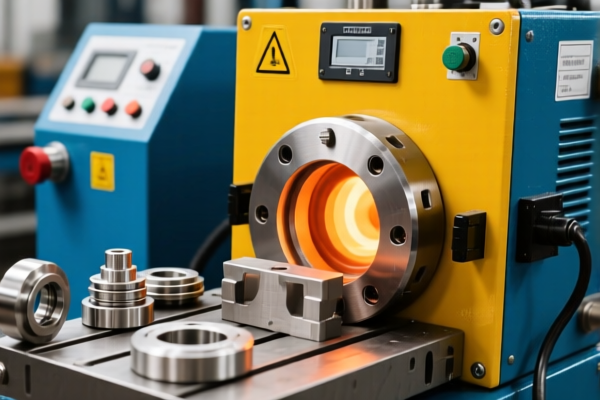
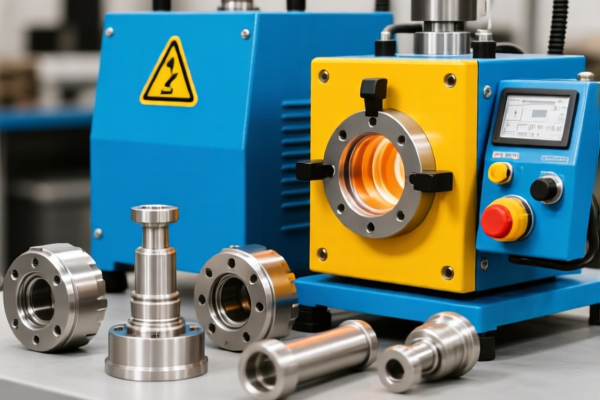
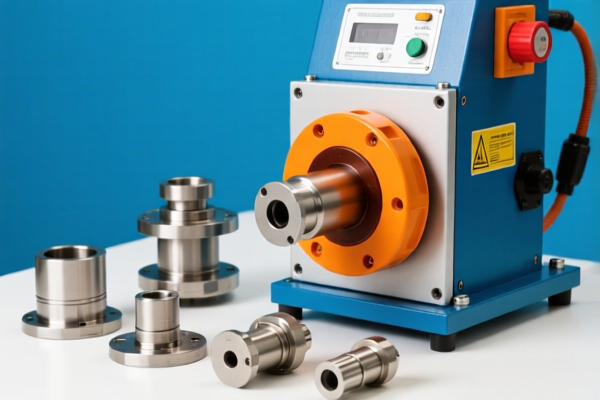
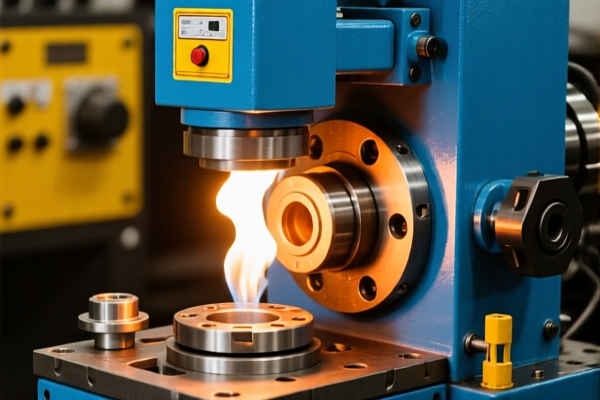
AI Analysis
⚙️ Parts for Heat Treatment Machines (Industrial Electric Furnaces & Ovens)
🌐 HS Code Reference & Customs Clearance Guide | 2026 Latest Tariff Analysis | Professional Strategy
📌 One, Product Definition: What Are "Parts for Heat Treatment Machines"?
Heat treatment machinery is the backbone of industrial manufacturing, used to alter the physical and sometimes chemical properties of materials (metals, ceramics, composites) through controlled heating and cooling processes. In international trade, the classification of "Parts" is critical and depends entirely on the function of the part and the specific machinery it serves.
Key Distinctions: * Electric Furnaces/Ovens (Heading 8514): Equipment using induction or dielectric loss for heat treatment. Parts here are highly specialized (e.g., microwave components, refractory linings specific to ovens). * General Heat Treatment Machinery (Heading 8419): Non-electric or electrically heated equipment (excluding Heading 8514) involving temperature changes (drying, sterilizing, distilling). Parts here include generic industrial components. * Other Mechanical Appliances (Heading 8479): Machines with individual functions not specified elsewhere. Parts are categorized by the type of machine (e.g., metal treating vs. general industrial).
⚠️ Critical Note:
- "Parts" must be identifiable as solely or primarily for use with the specific machine.
- If a part is used in multiple machines (e.g., a generic bolt or motor), it may not qualify as a "part" under these headings and could fall under general machinery parts or components.
- Misclassification Risk: Declaring a generic motor as a "furnace part" can lead to severe penalties and retroactive tariff assessments.
📦 Two, HS Code Classification Details (2026 Latest Tariff Authority)
The following HS Codes are derived strictly from the provided data. Each code corresponds to a specific type of heat treatment equipment or general industrial machinery.
| HS Code | Product Description | Applicable Scenario | Key Classification Feature |
|---|---|---|---|
8514.90.40.00 |
Parts of microwave ovens (Electric furnaces/ovens functioning by induction/dielectric loss) | Microwave-specific components for industrial/lab electric furnaces. | Must be specifically identifiable as parts of a microwave heating system. |
8514.90.80.00 |
Parts of other industrial/lab electric furnaces & ovens (excluding microwave) | Standard electric furnaces, induction heaters, dielectric loss equipment. | Covers parts for furnaces not using microwave technology (e.g., resistive heating, standard induction). |
8419.90.85.00 |
Parts of machinery for temperature treatment: Of electromechanical tools for working in the hand with self-contained electric motor | Hand-held heat treatment tools (e.g., heat guns, portable soldering irons with motors). | Specific to hand-held devices with self-contained electric motors. |
8419.90.30.00 |
Parts of machinery for temperature treatment: Of heat exchange units | Heat exchangers, cooling systems, condensers for general heat treatment plants. | Specific to heat exchange units, not the furnace itself. |
8479.90.95.65 |
Parts of other machines/mechanical appliances: Of machines for treating metal | Metal-specific machinery parts (e.g., parts for quenching tanks, metal hardening lines). | Must be for machinery specifically designed for treating metal. |
8479.90.95.96 |
Parts of other machines/mechanical appliances: Other | Generic industrial machinery parts not specified elsewhere. | Catch-all for parts of non-specified industrial machines. High Risk: Subject to 50% Additional Tariff for Steel/Aluminum/Copper Products. |
🔍 重点提醒 (Key Reminders):
- 8514 vs. 8419: If the machine uses induction or dielectric loss, it falls under 8514. If it is a general electric heater (e.g., drying oven without dielectric loss), it likely falls under 8419.
- 8479.95.96 Risk: This code includes a 50% additional tariff for steel, aluminum, or copper products. If your part is made of these materials and fits this code, the total tax is 75%.
- Microwave Specificity: Only parts uniquely designed for microwave heating systems go to 8514.90.40.00. Generic resistors go to 8514.90.80.00.
💰 Three, 2026 Latest Tariff Rate Breakdown (Including Surtaxes & Policy Add-ons)
✅ Applicable Country: United States (US)
✅ Origin: China (CN)
✅ Effective Date: Current rates apply (Note: Additional tariffs are active as per provided data)
🎯 1. 8514.90.40.00 – Parts of Microwave Ovens
| Item | Detail |
|---|---|
| Base Tariff | 4.0% (ad valorem) |
| Additional Tariff (USITC Footnote) | +25.0% (Section 301) |
| Total Effective Rate | 29.0% |
| Tax Calculation | CIF Value × 29.0% |
| De Minimis Exemption | ❌ Not Available (De Minimis does not apply to Section 301 goods) |
| Legal Basis | USITC Footnote 301 for Heading 8514 |
📌 Explanation:
- The 4% base duty is the standard MFN (Most Favored Nation) rate.
- The 25% surtax is a Section 301 duty on Chinese-origin goods.
- Total: 29%. This is a high cost. Ensure the item is strictly a "microwave part" to avoid being misclassified into a lower-tariff general category (which might be flagged as fraud).
🎯 2. 8514.90.80.00 – Parts of Other Electric Furnaces/Ovens
| Item | Detail |
|---|---|
| Base Tariff | 0.0% (ad valorem) |
| Additional Tariff (USITC Footnote) | +25.0% (Section 301) |
| Total Effective Rate | 25.0% |
| Tax Calculation | CIF Value × 25.0% |
| De Minimis Exemption | ❌ Not Available |
| Legal Basis | USITC Footnote 301 for Heading 8514 |
📌 Explanation:
- Although the base duty is 0%, the 25% Section 301 surtax still applies.
- This is for non-microwave electric furnaces (e.g., standard resistive heating elements, induction coils not specific to microwave).
- Total: 25%.
🎯 3. 8419.90.85.00 – Parts of Hand-Held Electromechanical Heat Treatment Tools
| Item | Detail |
|---|---|
| Base Tariff | 0.0% |
| Additional Tariff (USITC Footnote) | +25.0% (Section 301) |
| Total Effective Rate | 25.0% |
| Tax Calculation | CIF Value × 25.0% |
| De Minimis Exemption | ❌ Not Available |
| Legal Basis | USITC Footnote 301 |
📌 Explanation:
- Applies to hand-held tools with self-contained electric motors used for heat treatment (e.g., industrial heat guns, portable welding tips with motors).
- Total: 25%.
🎯 4. 8419.90.30.00 – Parts of Heat Exchange Units
| Item | Detail |
|---|---|
| Base Tariff | 0.0% |
| Additional Tariff (USITC Footnote) | +25.0% (Section 301) |
| Total Effective Rate | 25.0% |
| Tax Calculation | CIF Value × 25.0% |
| De Minimis Exemption | ❌ Not Available |
| Legal Basis | USITC Footnote 301 |
📌 Explanation:
- Specifically for heat exchangers (cooling systems, condensers) used in heat treatment plants.
- Total: 25%.
🎯 5. 8479.90.95.65 – Parts of Machines for Treating Metal
| Item | Detail |
|---|---|
| Base Tariff | 0.0% |
| Additional Tariff (USITC Footnote) | +25.0% (Section 301) |
| Total Effective Rate | 25.0% |
| Tax Calculation | CIF Value × 25.0% |
| De Minimis Exemption | ❌ Not Available |
| Legal Basis | USITC Footnote 301 |
📌 Explanation:
- For parts of machines specifically designed for treating metal (e.g., quenching tanks, metal hardening machinery).
- Total: 25%.
🎯 6. 8479.90.95.96 – Other Parts of General Industrial Machinery
| Item | Detail |
|---|---|
| Base Tariff | 0.0% |
| Additional Tariff (USITC Footnote) | +25.0% (Section 301) |
| Additional Tariff (Steel/Aluminum/Copper Products) | +50.0% (Section 232 / Other Provisions) |
| Total Effective Rate | 75.0% |
| Tax Calculation | CIF Value × 75.0% |
| De Minimis Exemption | ❌ Not Available |
| Legal Basis | USITC Footnote 301 + Steel/Aluminum/Copper Provisions |
⚠️ CRITICAL WARNING:
- This code carries a massive 75% total tariff if the part is made of steel, aluminum, or copper.
- It is a "catch-all" for other industrial machinery parts.
- Avoid this code if possible. If your part is metal, check if it fits8479.90.95.65(25%) or8419/8514categories. Misclassification here can double your tax burden.
🛠️ Four, Customs Clearance Practical Advice (Avoid Pitfalls)
✅ 1. Preparation Checklist (Must-Haves)
| Document | Required? | Purpose |
|---|---|---|
| ✅ Product Specification Sheet | ✔️ | Details material composition, dimensions, and intended machine model. |
| ✅ Technical Drawing / Diagram | ✔️ | Proves the part is specifically designed for the heat treatment machine (not a generic part). |
| ✅ Product Photos (Labeled) | ✔️ | Shows clear identification, model numbers, and any markings. |
| ✅ Material Certification | ✔️ | Crucial for 8479.90.95.96: Proves if the part is steel/aluminum/copper to assess the 50% surtax. |
| ✅ Commercial Invoice | ✔️ | Must accurately describe the item as "Part for [Specific Machine]" not just "Machinery Part". |
| ✅ Bill of Lading | ✔️ | Standard shipping document. |
| ✅ Certificate of Origin (CO) | ✔️ | To confirm Chinese origin and apply correct Section 301 tariffs. |
✅ 2. Declaration Tips (Key Mantras)
🔥 “Exact Fit, Clear Function, Material Matters!”
| Scenario | Correct Declaration | Wrong Practice |
|---|---|---|
| Microwave Furnace Part | "Magnetron for Industrial Microwave Furnace, Model XYZ" | "Heating Element" → Risk of misclassification to 8514.90.80.00 (25%) or 8419 (25%). |
| Standard Electric Furnace Part | "Refractory Liner for Electric Resistance Furnace" | "Furnace Part" → Vague; may trigger audit. |
| Metal-Treating Machine Part | "Quenching Tank Impeller for Metal Hardening Line" | "Industrial Pump Part" → Risk of 8479.90.95.96 (75% if metal). |
| Heat Exchanger Part | "Cooling Coil Assembly for Heat Treatment Plant" | "Piping Component" → Risk of generic classification. |
| Metal Parts (Steel/Al/Cu) | Declare material explicitly. If fitting 8479.90.95.96, anticipate 75% tax. |
Hide material composition → Severe penalty for false declaration. |
✅ 3. Special Cases Handling
| Scenario | Advice |
|---|---|
| Generic Motors | If the motor is used in both heat treatment and other machines, it may not be a "part" under these headings. Consider if it fits a component heading. |
| Refactory Bricks/Linings | Often classified under 8514.90.80.00 (25%) if for electric furnaces. Ensure they are not classified as generic construction materials. |
| Steel/Aluminum/Copper Parts | Huge Risk Area. If the part falls under 8479.90.95.96, the tax is 75%. Try to justify a more specific classification (e.g., 8479.90.95.65 for metal-treating machinery) to reduce to 25%. |
| Hand-Held Tools | Ensure the tool has a self-contained electric motor. If it’s battery-operated or cordless without a motor, it may not fit 8419.90.85.00. |
🌍 Five, Global Market Comparison (2026 Update)
| Country/Region | Recommended HS Code | Tariff Rate | Certification | Notes |
|---|---|---|---|---|
| 🇺🇸 USA | See Table Above | 25% - 75% | Depends on product | High Risk: 75% for metal parts under 8479.90.95.96. Section 301 applies to all. |
| 🇨🇳 China | See Table Above | 0% - 4% (Base) | CCC (if applicable) | No Section 301 or IEEPA surcharges. |
| 🇪🇺 EU | See Table Above | 0% - 4% (Base) | CE, RoHS | No additional surtaxes for China. |
| 🇬🇧 UK | See Table Above | 0% - 4% (Base) | UKCA | Post-Brexit rules apply; generally no surtaxes for China. |
📌 Conclusion:
- The US is the most expensive market for heat treatment parts due to Section 301 (25%) and potential Section 232/Other surtaxes (up to 50% additional for metals).
- Total Tax in US can range from 25% to 75%, whereas other markets remain low (0-4%).
- Strategy: Optimize supply chain to avoid direct shipment of high-tariff parts from China to the US, or use pre-rulings to confirm lower-tariff classifications.
📌 Six, Common Mistakes & Pitfalls (Lessons Learned)
❌ Mistake 1: Declaring a steel heat exchanger as 8419.90.30.00 (25%) when it should be 8479.90.95.96 (75%)?
👉 Actually, 8419.90.30.00 is correct for heat exchangers. Misclassification here would lead to underpayment and penalties.
Correction: Ensure it is indeed a heat exchange unit, not a generic pipe.
❌ Mistake 2: Declaring a generic steel motor as a part of a metal-treating machine to avoid the 75% rate?
👉 Risk: If the motor is not specifically identifiable as for that machine, it may be rejected.
Correction: Provide technical drawings proving specific fitment.
❌ Mistake 3: Ignoring the 50% surtax for steel/aluminum/copper under 8479.90.95.96.
👉 Consequence: Unexpected 75% tax bill, causing cash flow issues.
Correction: Always declare material composition and seek pre-rulings for metal parts.
❌ Mistake 4: Mixing microwave parts with standard furnace parts in one shipment.
👉 Consequence: Confusion in classification, potential delays.
Correction: Separate shipments or clearly itemize each part with its specific HS Code.
✅ Correct Practice:
"Industrial Microwave Magnetron, Made of Steel, For Use in Electric Furnace Model XYZ, Specifically Designed for Dielectric Heating."
🎯 Seven, Conclusion: Precision Saves Money!
🎯 Remember the Mantra:
🔹 "Microwave is 29%, Standard Furnace is 25%, Heat Exchangers are 25%, Metal Parts are 25%, BUT Generic Metal Parts are 75%!"
🔹 "Don't let 'Other Parts' kill your profit – justify specific use!"
🔹 "Material matters: Steel/Al/Copper under 'Other' means 75%!"
📌 Pro Tip:
If your parts are made of steel, aluminum, or copper and you are forced to use 8479.90.95.96, consider if they can be classified under 8479.90.95.65 (25%) by proving they are for metal-treating machinery specifically.
Always apply for an Advance Ruling (Pre-classification) before shipping high-value metal parts to the US.
📣 Immediate Action:
📞 Contact a customs broker with expertise in industrial machinery.
📤 Provide technical drawings and material certificates.
🚀 Classify correctly to avoid 75% tariffs and ensure smooth clearance!
✨ Professional Customs Clearance Starts with Accurate Classification!
💼 Every percent of tariff saved is profit earned!
Customer Reviews
About HS Code Classification
The Harmonized System (HS) is an internationally standardized nomenclature developed by the World Customs Organization (WCO) to classify traded products. Over 200 countries use the HS system as the basis for customs tariffs, trade statistics, and import/export regulations.
Each HS code follows a hierarchical structure:
- Chapter (2 digits) — Broad category of goods (e.g., Chapter 84: Machinery and Mechanical Appliances)
- Heading (4 digits) — More specific grouping within the chapter
- Subheading (6 digits) — Internationally standardized breakdown, used by all WCO member countries
- National subdivisions (8-10 digits) — Country-specific extensions for further classification, such as US HTSUS 10-digit codes
Correct HS code classification is essential for smooth customs clearance, accurate duty payment, and compliance with trade regulations. Misclassification can lead to customs delays, overpayment of duties, or penalties.
When importing from CN to US, the applicable tariff rates may include:
- Most-Favored-Nation (MFN) rate — The standard duty rate applied to WTO members
- General rate — Applied to countries without trade agreements
- Trade remedy duties — Additional tariffs such as Section 301 (anti-dumping), Section 232 (national security), or countervailing duties
The information provided on this page is for reference purposes only. For official classification, please consult with your local customs authority or a licensed customs broker.